




How to Ensure Accuracy in Metal Shaft Part Production?
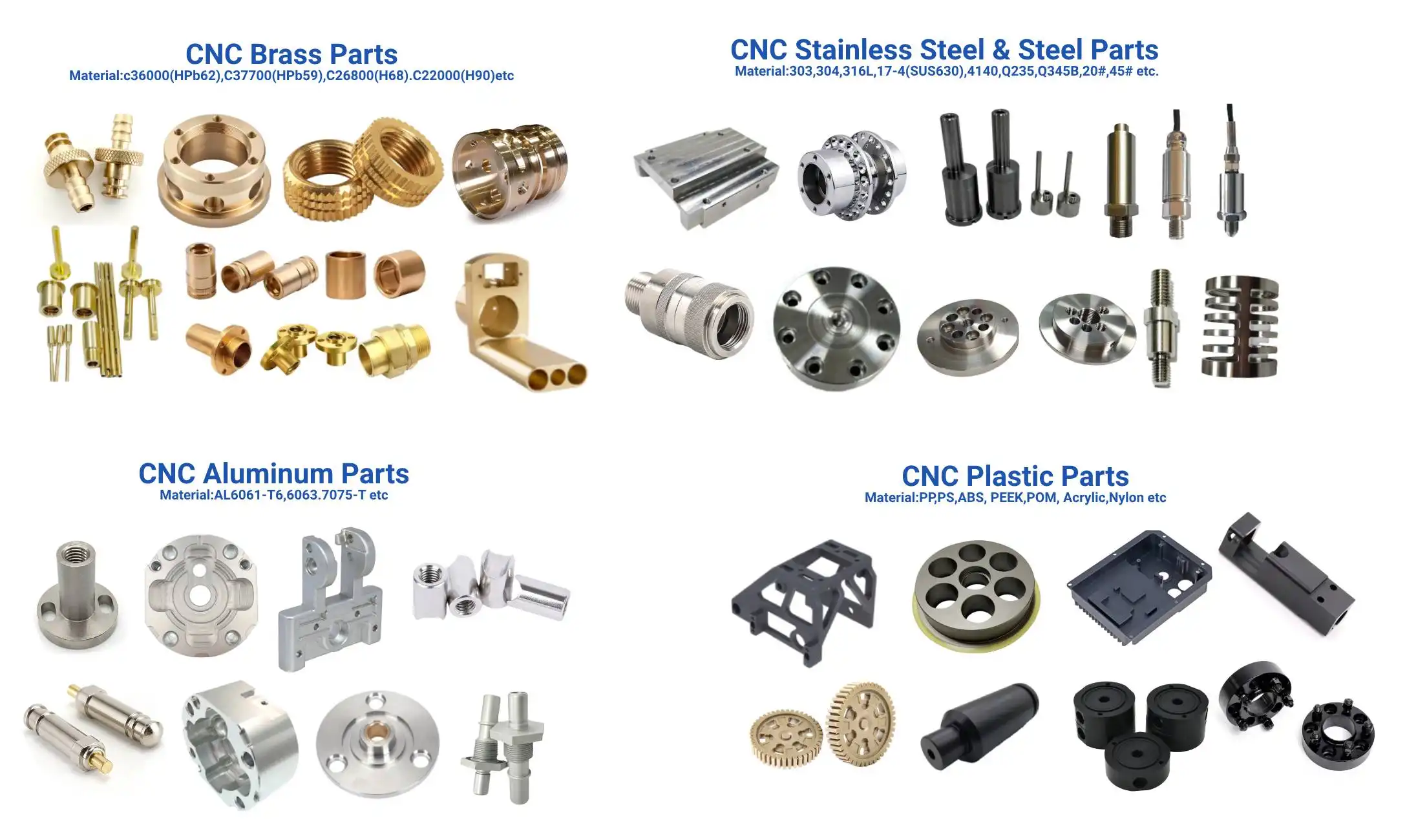
To make sure that metal shaft parts are accurate, you need to use a mix of advanced cutting technologies, strict quality control procedures, and careful material choice. First, you need to pick the right type of stainless steel, like 410, 316, 304, or 303A. The next step is to use CNC turning, five-axis cutting, and precision grinding to get a surface roughness of Ra0.8¼m or better and errors as small as ±0.01mm. Measurement tools (CMMs) and optical comparators are used for in-process checks to make sure the sizes are correct while the product is being made. It also keeps the metal's tensile properties stable, which means it won't break. When you work with a company, make sure they follow ISO 9001:2015 and RoHS rules, keep their tools in good shape, and hire trained staff. This will make sure that every part of the shaft meets the high standards needed for flight systems, robots, medical devices, and automation equipment.
Introduction
When you make metal shaft parts, you need to be very precise so that they work well and can be counted on in many industry settings, from cars to big tools. The size, shape, and finish on the outside of the item all vary, which impacts how well it works, how long it lasts, and how safe it is for people to use. Buying managers in industries like transportation, consumer items, electronics, and communications may need to find metal parts that are made very precisely. A barely good shaft can be the difference between a really good one. That little bit of difference can mean the difference between an easy assembly and an expensive fix.
You can use this advice to find good shafts and other parts that spin if you are a buying manager, expert, original equipment manufacturer (OEM), or reseller. To get the consistency that makes the machine work best and saves money during production cycles, you need reliable sources and strict quality control. The technical difficulties, basic ideas, strategies for improving output, comparisons of materials, and best buying habits that allow us to always deliver precision-engineered parts are all things we look at. To beat your competitors in the supply chain, you need to know how to make sure the right tools are used. This is true whether you're making medical tools, robots, toys with AI, or things for the home.
Defining Accuracy Challenges in Metal Shaft Part Production
When metal bars are being made, they often have problems like wrong measurements, rough surfaces, and different standards that make them not work as well as they should. Small changes (a hundredths of a millimetre) can make things not work right, wear out quickly, or break in big ways. These kinds of issues usually happen in places where big tools and cars are used. Different types of steel (carbon and stainless steel) are used; the heat treatment process is flawed and leaves behind stress, and the steel is not cut or checked correctly.
Common Dimensional and Surface Defects
Dimensional errors show up as out-of-roundness, taper, or length mistakes that stop parts from fitting properly in bearings, joints, or gears. Defects in the surface finish, like tool lines, chatter, or micro-pitting, shorten the wear life and make the friction higher. Tolerance errors happen when cutting parameters change because of worn tools or heat expansion, which makes parts not fit within the limits that were set. Knowing about these basic problems helps people who buy things find sellers who can regularly meet the high standards of accuracy needed for industrial uses.
Industry-Specific Impact
Rods in surgery tools and invasive medical devices need to be made of safe stainless steel and be very smooth so that flesh doesn't get hurt. High g-forces and changes in temperature are things that metals used in aeroplanes have to be able to handle. For robotic tools to keep moving, the shafts need to be accurate. For car drivetrains, the torque gears need to be accurate for the form to work well. When buyers know about these needs that are unique to a sector, they can match the skills of providers with how important the application is.
Core Principles for Ensuring Dimensional and Functional Accuracy
It is important to carefully follow strict design rules like ISO 286 or ASME Y14.5 for industry dimensioning and stress tolerance analysis to get exact sizes and functions. Being careful to choose the right stuff is very important. Stainless steel comes in types 316, 304, 303, and 410. Each type is easier to work with, less likely to rust, and more stable at high temperatures because of how it is made. It is very hard for chloride to break through grade 316, which makes it great for use in places where chemicals are handled or exposed to water. More parts can be turned on a CNC machine with Grade 303. Grade 410, on the other hand, is better for long-lasting uses because it gets harder when heated.
Material Properties and Performance
The way each metal can be made is different because each has its own properties. General-use bars in electronics and home products can be made of Type 304 stainless steel because it doesn't rust and isn't too strong. Adding molybdenum to Type 316 makes it stronger in places where it is acidic or salty. This is important for medical tools and things that remove salt from water. Type 303 is mixed with sulphur to make it harder for chips to form while it is being ground. You can get better details and more exact measurements this way. It is possible to cool and bend Type 410 steel until it is at least 40 HRC hard. It works great in robots and planes where there is a lot of stress.
Heat Treatment and Stability
Heat treatment processes further enhance the material properties of the metal shaft part, increasing hardness and wear resistance while minimising distortion. Annealing removes residual stresses from cold working or welding operations, reducing the risk of warping during subsequent machining. Quenching and tempering steel raises its tensile and yield strengths, enabling shafts to support greater loads without permanent deformation. Stress‑relief annealing performed after rough machining maintains dimensional stability before final finishing operations, ensuring that the finished specifications remain within ±0.01 mm. Collectively, these processes produce precision metal shafts capable of withstanding the mechanical, thermal, and environmental stresses common in B2B industrial applications.
Step-by-Step Production Process Optimisation for Superior Accuracy
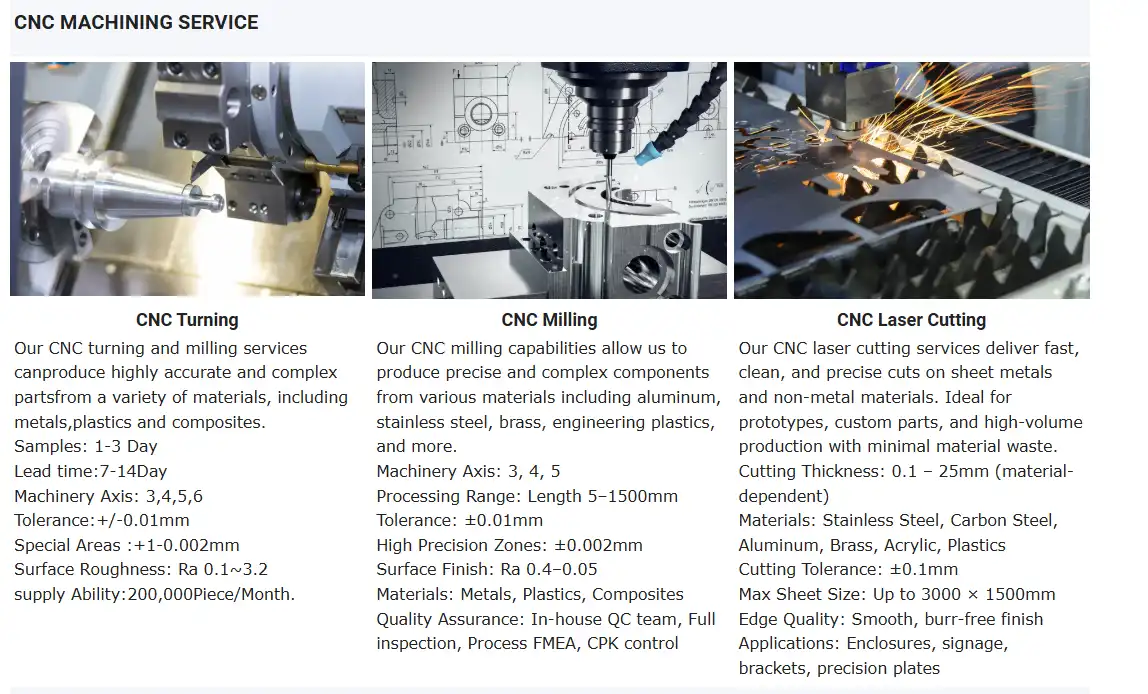
Using advanced machine technologies like CNC turning, five-axis machining, and precision cutting, along with thorough in-process checks to make sure that problems are caught quickly, is what it takes to optimise production processes. To keep tools precise and stop drift, it's important to maintain and calibrate equipment properly. This way, the dimensions of each batch run will be the same. Here, we talk about the important steps that turn raw billets of stainless steel into finished shafts that meet the requirements for a surface roughness of 0.8µm and a range of ±0.01mm.
CNC Turning and Multi-Axis Machining
Live tools and sub-spindles on CNC lathes allow complex operations to be done in a single setup, which lowers the chance of handling mistakes and raises the accuracy of the work. Five-axis machining centres let you control the position and direction of the cutting tool at the same time. This makes it easier to make features like keyways, splines, and eccentricities without having to move the tool. Adaptive feed-rate control and automated tool switches change the cutting settings based on real-time sensor data to account for tool wear and heat expansion. With this amount of automation, accuracy is guaranteed every time, even during production runs with a lot of parts.
Precision Grinding and Finishing
Cylindrical grinding smooths out the sizes of shafts to within a few microns, getting rid of the small flaws that are left over from turning. Surface grinding smooths out the ends and shoulders, making sure they are straight and aligned. Centerless grinding can be used on long, thin rods without deformation caused by workholding, so they stay straight over long lengths. Finishing touches like polishing, sanding, and gilding make the surface more resistant to rust, lower friction, and make it look better. In-process measurements with micrometres, gear markers, and optical comparators are used to check each closing step.
In-Process Inspection and Calibration
Case studies from the real world, like those in the auto industry, show how focused process optimisation cuts down on mistakes and raises customer happiness. Coordinate measuring machines (CMMs) take measurements of parts at regular times and sound alarms when trends get close to tolerance limits. Statistical process control (SPC) charts keep an eye on important measurements like width, runout, and surface roughness. This lets changes be made before parts that don't meet standards are made. To make sure measurements are accurate to within ±0.002mm, equipment is calibrated using standards that can be tracked and are approved by national metrology bodies. This part gives buying teams useful information they can use to evaluate the skills of suppliers and make the manufacturing process better as a whole.
Comparing Metal Shaft Parts: Accuracy vs Alternatives and Market Solutions
To select the optimal shaft material for a metal shaft part, one must compare precision‑machined steel components against plastic alternatives regarding strength, durability, and dimensional stability. Plastic shafts offer lighter weight and inherent corrosion resistance but exhibit higher coefficients of thermal expansion and lower elastic modulus—resulting in greater dimensional changes under load and temperature variations. Metal shafts, particularly those manufactured from stainless steel alloys, maintain tight dimensional tolerances across a wide range of operating conditions, making them indispensable for high‑performance applications in medical devices, aerospace actuators, and robotic joints where reliability cannot be compromised.
Stainless Steel vs Carbon Steel Accuracy Profiles
When it comes to metals, stainless steel and carbon steel have different levels of accuracy because they fight rust and keep their shape under mechanical stress. Carbon steel is cheaper and has a higher tensile strength, but it rusts easily and needs protective coatings that can change the thickness. Stainless steel types don't rust without extra processes, which makes quality control easier and makes sure that the shape stays the same. The austenitic structure of grades 304 and 316 stays the same when the temperature changes. But the martensitic structure of grade 410 can be hardened to make it more resistant to wear, but it will change slightly in size during heat treatment.
Market Leaders and Certification Standards
There are well-known names on the market, such as SKF, Timken, and NSK. The licenses and manufacturing standards of these brands have a big impact on how accurate and reliable their products are. These businesses follow the rules set by ISO 9001:2015 for quality management systems, ASTM for material standards, and RoHS for environmental compliance. They give buying teams the tracking and group paperwork they need. Independent testing labs check the material qualities, surface finish, and measurement accuracy of a product, providing third-party confirmation of what the seller says. This comparison chart helps buying leaders weigh their choices and pick sellers that meet the performance and cost requirements the best.
Procurement Best Practices for Accurate Metal Shaft Parts
To be successful at buying, you need to choose providers who put quality and on-time delivery ahead of price. When looking at possible business partners, it's important to look at their certifications, production skills, and customer comments to make sure they follow strict manufacturing standards. Cost-effectiveness, project timelines, and accuracy needs must all be balanced with terms like order minimums, bulk discounts, and wait times.
Supplier Evaluation Criteria
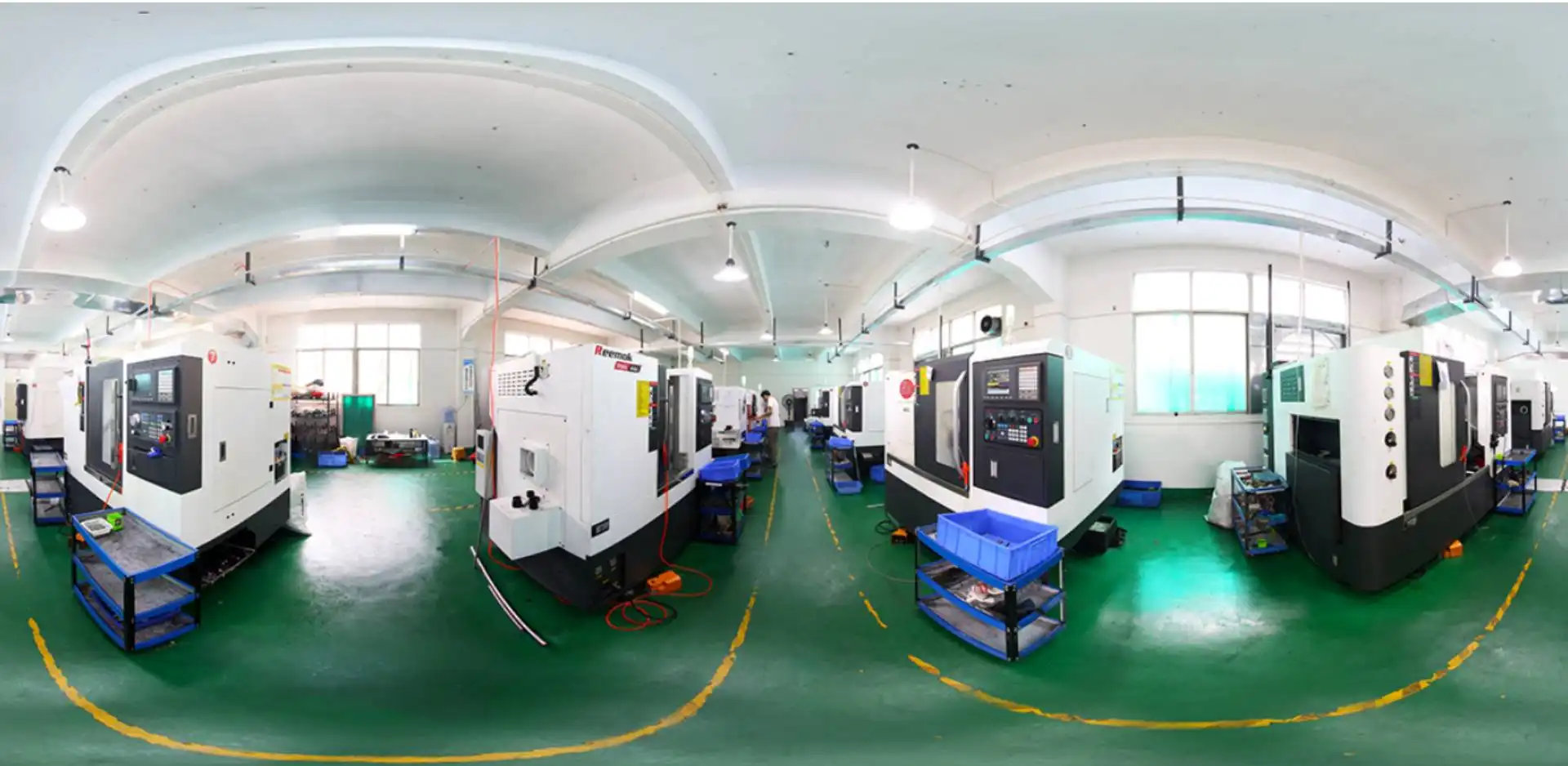
Advanced CNC machines, in-house measurement labs, and well-documented quality control systems are all signs of a skilled metal shaft part maker. Site trips or virtual walks of factories show how clean the equipment is, how well it is being used, and how skilled the operators are. Supplier quality agreements (SQAs) spell out what is expected in terms of surface finish, material approvals, inspection reports, and size limits. Ask for sample parts and check arriving goods to make sure that what the seller says matches what they give. References from current customers in related businesses can help you figure out how quick, problem-solving-savvy, and likely to be a good long-term partner someone is.
Custom OEM/ODM Manufacturing
Standard catalogue shafts cannot always satisfy the requirements of many applications that demand custom designs for metal shaft parts. Custom OEM and ODM manufacturing services enable procurement teams to specify exact dimensions, material grades, heat treatment conditions, and surface finishes tailored to their specific operational needs. Using CNC machining for rapid prototyping accelerates design validation by allowing engineers to test fit, form, and function before committing to production tooling. Flexible order quantities accommodate both pilot runs and high‑volume scale‑up, reducing inventory risk and capital investment. Collaborative engineering support optimises designs for manufacturability, balancing precision requirements against cost constraints.
Integrating Quality Assurance and Compliance
Getting ISO 9001:2015 approval shows that you are systematically committed to controlling processes, making improvements all the time, and making sure customers are happy. RoHS compliance makes sure that dangerous materials are not used in the production process, which meets the rules in Europe, North America, and Asia. Each package comes with material test records (MTRs) and certificates of conformance (CoCs), which make it possible to track back to raw material heats and production lots. Dimensional inspection reports made by CMMs and optical comparators show that the measurements match the plan specs, which is concrete proof of accuracy. These quality assurance techniques help build trust and lower the chance that parts that don't meet standards will cause problems in the supply chain.
Conclusion
To make sure that metal shaft parts are made correctly, you need to look at the whole process, including material science, modern manufacturing technologies, strict checking processes, and long-term partnerships with suppliers. Understanding the technical details of tolerance analysis, heat treatment, CNC machining, and surface finishing helps purchasing managers find parts that work reliably in a wide range of demanding situations, such as in robotics, vehicles, medical devices, aerospace, AI systems, home appliances, and automation. Working with ISO 9001:2015 and RoHS-compliant makers who keep their tools in good shape and hire skilled workers makes sure that every shaft meets the highest standards. By following the guidelines and suggestions in this guide, you'll be able to easily handle the tricky parts of buying precise tools and improve how things work in your company.
FAQ
What material grade is best for corrosion-resistant shafts in medical applications?
Type 316 stainless steel is the preferred choice for medical devices due to its superior resistance to chloride-induced pitting and biocompatibility. Its molybdenum content enhances corrosion resistance in saline and acidic environments, making it ideal for surgical instruments and implantable components. Type 304 is acceptable for less demanding medical applications where cost reduction is prioritised over maximum corrosion resistance.
How does heat treatment affect dimensional stability in metal shaft parts?
Heat treatment processes such as annealing, quenching, and tempering alter the microstructure of stainless steel, influencing hardness, strength, and residual stress. Proper stress-relief annealing after rough machining stabilises dimensions before finish operations, preventing warping and ensuring tolerances remain within ±0.01mm. Controlled cooling rates and tempering cycles minimise distortion, enabling consistent dimensional accuracy across production batches.
What quality inspections are essential during production?
In-process inspections using coordinate measuring machines (CMMs), micrometres, and optical comparators verify diameter, concentricity, surface roughness, and straightness. Statistical process control (SPC) monitors trends and triggers corrective actions before defects occur. Final inspections include material test reports, dimensional conformance certificates, and surface finish validation to ensure each shaft meets specification requirements and regulatory compliance standards.
Partner with Junsion for Precision Metal Shaft Part Manufacturing
At Dongguan Junsion Hardware Co., Ltd., we specialise in producing customised precision metal shaft parts that meet the most demanding accuracy requirements across automation equipment, vehicle components, medical instruments, aerospace systems, AI-intelligent devices, home appliances, and robotics. Established in 2019, our 1,600-square-meter facility in Dalingshan, Dongguan, houses 32 advanced CNC machines capable of turning, five-axis machining, and stamping operations that achieve tolerances of ±0.01mm and surface roughness levels of Ra0.8μm or better.
We work with 316, 304, 303, and 410 stainless steel, applying precision finishing techniques including polishing, painting, anodising, sandblasting, plating, and electrophoresis to deliver components that combine durability with aesthetic excellence. Our ISO 9001:2015 certified quality management system and RoHS compliance ensure every metal shaft part supplier relationship is built on transparency, traceability, and trust. With fast response times, dimensional accuracy checks using advanced measurement tools, and load capacity testing, we serve procurement managers and product developers in over 20 countries who demand efficient, durable, and tailored hardware solutions.
Contact our expert team today to explore custom solutions, request detailed quotes, and discover how Junsion can become your trusted metal shaft part manufacturer. Contact our engineering team at Lock@junsion.com.cn to discuss customised brass lathe screw solutions that reduce wear, extend maintenance intervals, and enhance operational reliability across electronics, communications, consumer goods, and logistics applications worldwide.
References
1. American Society of Mechanical Engineers (ASME). ASME Y14.5-2018: Dimensioning and Tolerancing. New York: ASME Press, 2018.
2. International Organisation for Standardisation (ISO). ISO 286-1:2010 Geometrical Product Specifications (GPS) – ISO Code System for Tolerances on Linear Sizes. Geneva: ISO, 2010.
3. Davis, J.R., ed. Stainless Steels: ASM Speciality Handbook. Materials Park, OH: ASM International, 1994.
4. Kalpakjian, Serope, and Steven R. Schmid. Manufacturing Engineering and Technology. 7th ed. Upper Saddle River, NJ: Pearson, 2014.
5. Boothroyd, Geoffrey, Peter Dewhurst, and Winston A. Knight. Product Design for Manufacture and Assembly. 3rd ed. Boca Raton, FL: CRC Press, 2010.
6. Groover, Mikell P. Fundamentals of Modern Manufacturing: Materials, Processes, and Systems. 6th ed. Hoboken, NJ: John Wiley & Sons, 2016.