




Custom Metal Hardware Uses in Automotive and Machinery Industry
Custom metal hardware is an important part of modern machinery and automotive manufacturing. It is the foundation for structural stability, operating dependability, and performance optimization. These precision-engineered parts carefully design the screws, brackets, hinges, and specialty mounts to meet strict industry standards. Custom solutions, on the other hand, can deal with specific design problems, weather stresses, and load-bearing needs that standard hardware just can't. Understanding the strategic worth of custom metal hardware is key for procurement managers and product developers who have to deal with complicated supply chains. It means better durability, less downtime, and measurable cost saves across production lifecycles.
Understanding Custom Metal Hardware and Its Role in Automotive and Machinery
What Defines Precision-Engineered Metal Components?
Precision hardware components are where advanced metalworking and excellent manufacturing meet. We make parts at Dongguan Junsion Precision Hardware Co., Ltd. that can have surface roughness as low as Ra0.8μm and tolerances of up to ±0.01mm. This level of accuracy makes sure that it fits perfectly into complicated systems, where even tiny differences can hurt performance. The CNC machining, five-axis processing, turning, and stamping techniques we offer let us make parts that meet the strictest requirements for robotics, vehicles, automation equipment, medical devices, aerospace systems, home appliances, and AI-powered applications.
Material Selection for Optimal Performance
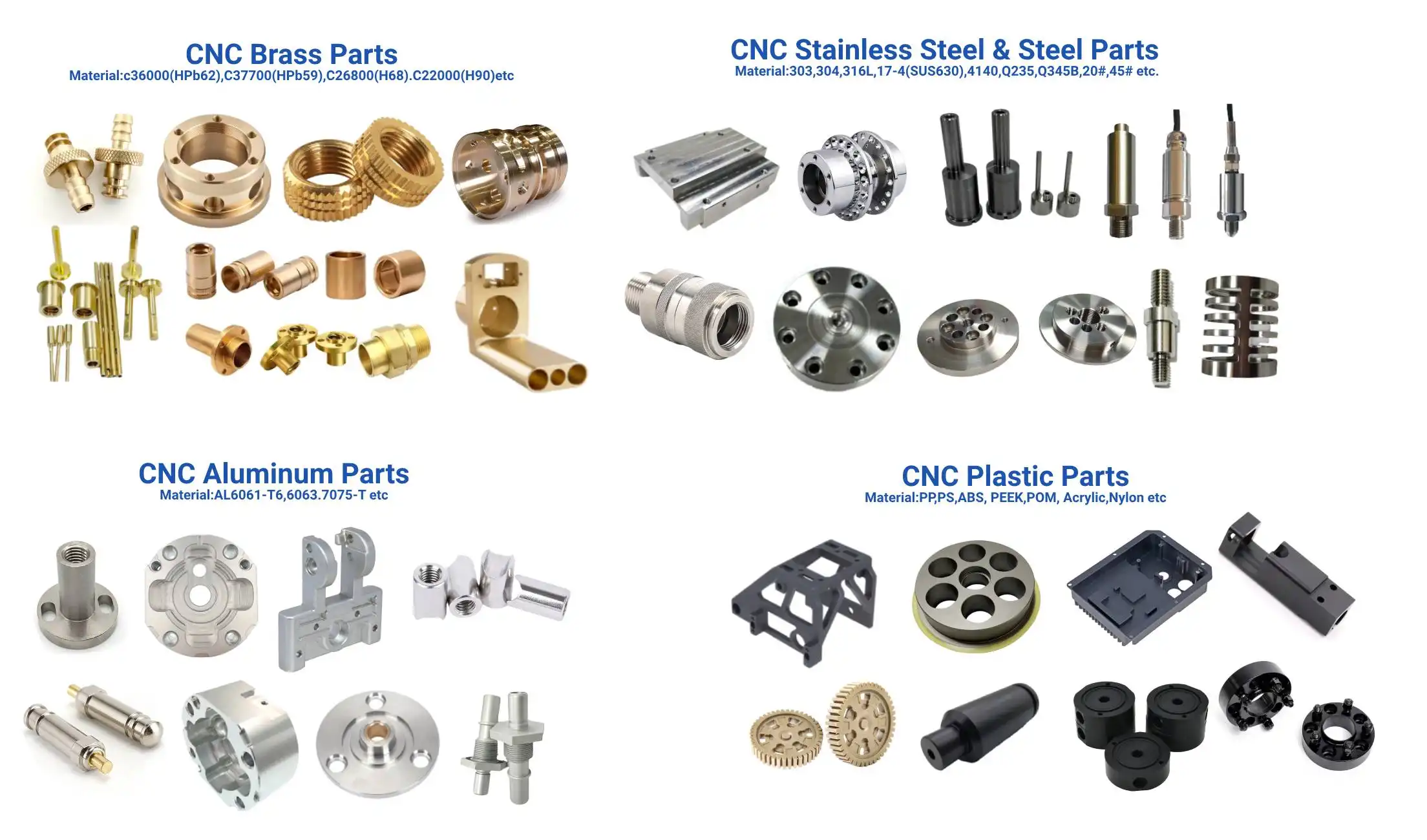
The choice of material greatly affects a part's lifespan and its potential applications. We do a lot of work with types 316, 304, 303, and 410 stainless steel. Each has its benefits. Stainless steel 316 is better at resisting rust in harsh car settings, while 304 is a good compromise between strength and ease of machining for machinery uses. We have aluminum alloys, copper, carbon steel, and titanium in our material range. This lets us meet specific practical needs like reducing weight, ensuring thermal conductivity, or providing protection to high temperatures. This variety gives buying teams the power to improve both performance and prices over the lifecycle.
Surface Treatments Enhancing Component Durability
In addition to changing the qualities of the base material, surface processes make parts last a lot longer and work better. We can finish things by sanding, painting, anodizing, grinding, plating, or electrophoresis. Electroplating improves electrical flow and wear resistance, while anodizing adds a protective oxide layer that works well in places where rust is common. Sandblasting gets surfaces ready for best bonding in multi-layer structures, and powder coating protects the environment and makes things look nice. These treatments aren't just for looks; they're designed as answers to problems that automakers and makers of industrial tools are having with their operations.
How is custom metal hardware designed and manufactured for automotive and machinery applications?
Addressing Critical Design Challenges
Vibration, changing temperatures, chemical contact, and mechanical stress are just some of the problems that can happen in the automotive and machinery industries. Standard hardware often fails in these situations because it doesn't have the right tech for the job. Before we start designing, we do a full study of the working parameters, which include load lines, environmental conditions, compatibility needs, and safety factors. We work directly with engineering teams to turn conceptual needs into designs that we can make. We do this by using CAD help and design optimization services to cut down on waste and improve the performance of the structure.
Manufacturing Processes Ensuring Precision and Consistency
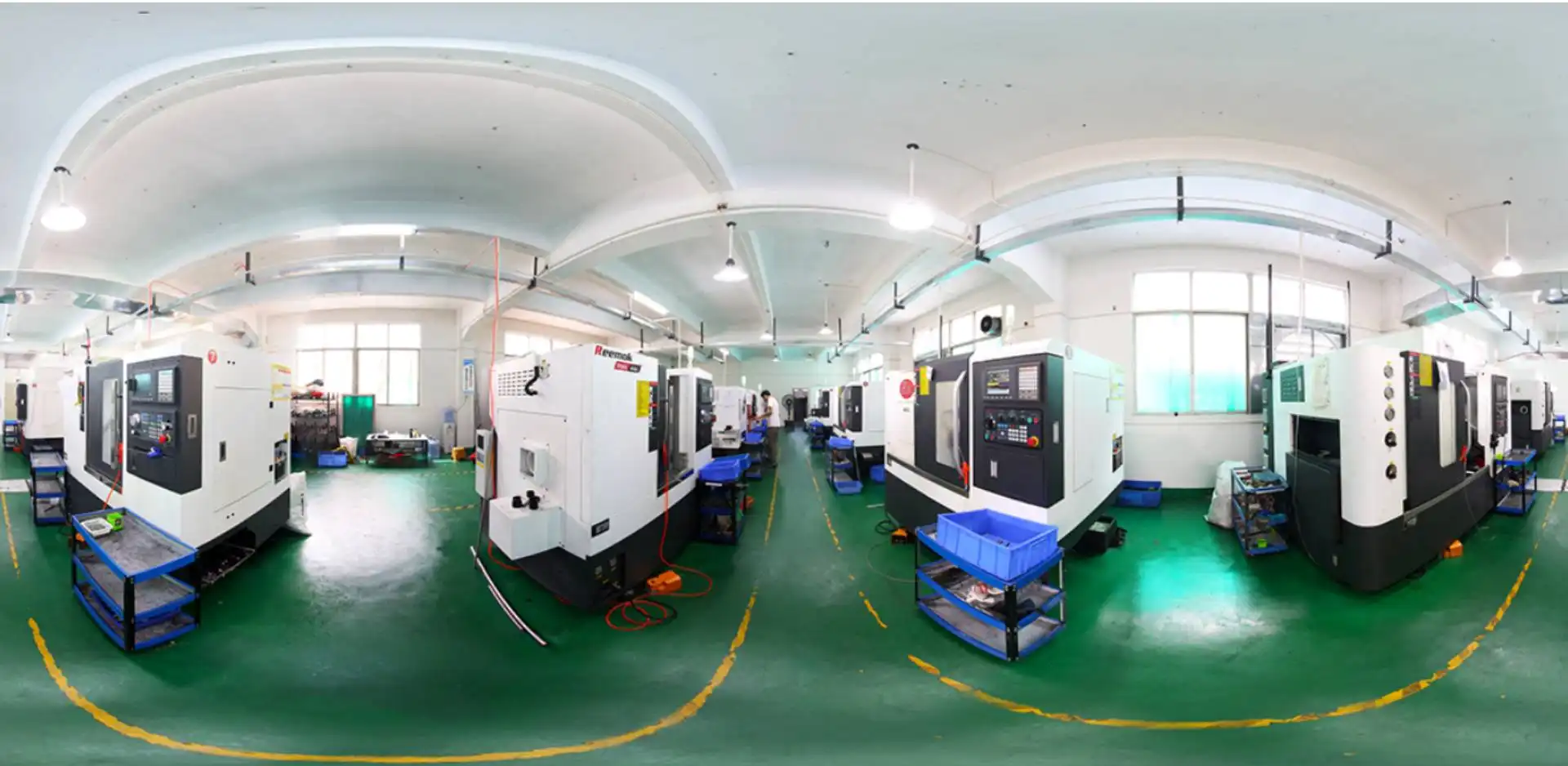
Our Dalingshan, Dongguan, 1,600-square-meter factory has 32 high-tech CNC tools that are used to make consistent, high-precision parts. There is a strict order to the production process: order confirmation and review of specifications, design analysis to make sure the product can be made, prototyping to make sure the design works, mass production with quality monitoring in real time, and final inspection using 2.5D projectors, hardness testers, and salt spray machines. This methodical technique makes sure that all parts meet the written requirements before they are shipped. Prototype validation is especially helpful for buying teams because it lowers the chance of expensive production delays caused by design problems found late in the development process.
Real-World Problem Solving Through Customization
A North American automaker came to us because the usual mounting bolts in their electric car assembly were breaking down too soon. When heat and vibrations were put on the clamps together, they cracked under the stress. We rebuilt the parts using 316 stainless steel with a certain grain direction, added stress-relief shapes, and heated them in a special way. During rapid tests, the customized brackets showed a 340% increase in fatigue life. This case shows how custom engineering solutions can solve problems that standard hardware can't, which lowers guarantee costs and boosts a brand's image.
Comparing Custom Metal Hardware with Standard Hardware: Making the Right Choice
Performance and Longevity Analysis
The choice between custom and standard parts depends on how important the application is and how much it costs over its lifecycle. Standard hardware is available right away and costs less per unit, so it can be used for high-volume, non-critical tasks with wide error gaps. Custom solutions work best when accuracy, qualities that are unique to the material, or unique shapes can't be compromised. Standard hardware can't match the consistent sizes of our custom metal hardware, which cuts down on assembly time and prevents expensive repairs. When parts are made to ±0.01mm tolerances, they fit perfectly in precision systems and don't get out of line, which can lead to faster wear or catastrophic failure.
Cost-Benefit Evaluation Framework
A lifecycle study shows that custom metal hardware has strong value propositions, even though it usually has higher beginning tooling costs. Less failure means less money spent on warranties; less downtime means lower production costs, and better designs often use less material and weigh less. The total cost of ownership, not just the buying price, should be looked at by procurement pros. A company that spends $15,000 on custom tools for special frames might save $80,000 a year in upkeep costs and better production efficiency. During the quote phase, we provide thorough cost modeling that helps you make decisions that are in line with your budget and performance needs.
Supplier Evaluation and Certification Standards
To choose the right hardware partner, you need to look at their professional skills, quality systems, and compliance qualifications. Junsion keeps its ISO 9001:2015 approval, which shows that it is dedicated to structured quality management. Our compliance with RoHS protects the earth, and our compliance with REACH meets the safety standards for materials sold around the world. We also try to get certifications that are specific to our business, like AS9100 for aircraft uses. In addition to certifications, you should also look at how quick the provider is, how well they can help with engineering, and how easily they can adapt to changes in the design. Strong relationships with suppliers allow for iterative development processes that make ideas better by working together to solve problems.
Practical Applications of Custom Metal Hardware in Automotive and Machinery Industries
Automotive Sector Applications
Modern cars have thousands of precise metal parts that do a lot of different things. Custom metal hardware is used in engine parts because it is made to survive high temperatures and vibrations while still providing precise clamping force. For chassis brackets to be structurally strong without adding extra weight, they need to have optimized shapes and be made of advanced metals like titanium. For electric car battery casings to work, the custom metal hardware needs to be very resistant to corrosion and able to keep electricity from flowing. Precision-machined joints and pins keep suspension systems in line even when loads change. Standard hardware can't meet the needs of every application, which are different material qualities, surface treatments, and accuracy in measurements.
Industrial Machinery Components
Heavy industrial equipment works in harsh situations that need hardware that is strong and reliable. In shipping centers, conveyor systems need custom metal hardware that doesn't rust and can handle steady vibration and exposure to the environment. Precision mounting brackets are used in automated industrial equipment to keep positional errors very tight, which is necessary for robotic accuracy. For hydraulic equipment to work, it needs special fittings and joints that are made to keep high-pressure fluids inside without letting them leak. Agricultural tools need parts that can handle chemicals in the dirt, water, and rough particles. Our custom metal hardware solutions meet these different needs by carefully choosing the right materials and designing them to work with your individual needs.
Innovation Trends Shaping Future Applications
An exciting new area is the blending of smart technologies into custom metal hardware. IoT-enabled sensors track clamping force and vibration patterns, giving repair professionals information that helps them predict problems before they happen. Modular hardware designs make it easy to change the layout of production tools quickly, which increases the flexibility of manufacturing. Using additive manufacturing methods, you can make shapes that are too complicated to be possible with standard machining. This opens up new ways to reduce weight and combine functions. As Industry 4.0 ideas spread through the manufacturing sector, procurement teams need to work with suppliers that can keep up with these technology developments while still meeting the quality and dependability needs of mission-critical apps.
Procurement and Supply Chain Considerations for Custom Metal Hardware
Specification Definition and Communication
Clear, complete specs are the first step to a successful purchase. Give clear 2D or 3D CAD models, information about the materials you need, how you'd like the surface to be treated, the amounts you need, and any relevant industry standards. Misunderstandings, multiple prototype revisions, and delivery delays are all caused by incomplete specs. Our tech team looks over entries to make sure they can be made and finds any problems before production starts. This joint method cuts down on revisions and speeds up the time it takes to get a product to market. Professionals in procurement should make specification templates that include all the important factors. This will make sure that all projects and sellers follow the same rules.
Quality Assurance and Validation Processes
Tough quality control keeps expensive mistakes and production delays from happening. We use multi-stage inspection methods, which include checking the dimensions of arriving materials, checking the surface treatment, and using calibrated measuring tools for the final inspection. Before agreeing to mass production, plans are checked against samples during the prototype phase. Certification checks make sure that rules like ISO and IATF 16949 are being followed. As normal outputs, procurement teams should ask for written quality plans, inspection reports, and material certifications. Setting clear acceptance criteria and inspection processes stops disagreements and makes sure that parts received meet requirements.
Logistics Optimization and Inventory Management
Good supply chain management weighs the costs of keeping goods against the risks of not being able to keep making things. Custom metal hardware usually has longer lead times than standard hardware, which means that you need to plan ahead and keep extra parts on hand. We help our customers figure out the best order sizes and shipping times so that they don't run out of stock and our carrying costs are kept to a minimum. Just-in-time delivery systems cut down on the need for storage space for customers whose demand trends are predictable. We offer fast production choices that cut down on lead times without lowering quality for testing and low-volume needs. Coordinating global operations makes sure that packages get to more than 20 countries on time, and careful packing rules keep them from getting damaged in transit.
Emerging Trends in Sustainable Manufacturing
Environmental safety is becoming more and more important in purchasing decisions. Competitive differentiators include materials that can be recycled, industrial methods that use less energy, and less waste production. Our building uses ongoing improvement programs to make better use of resources and lessen its effect on the environment. Suppliers who really care about sustainability are in line with CSR goals and may even help lower costs in the long run by making things run more smoothly. Industry 4.0 technologies help make the supply chain more open by letting you watch production in real time and make decisions based on data, which makes the chain more flexible and less unsure.
Conclusion
Custom metal hardware is an investment that car and machinery companies make to gain a competitive edge through better performance, dependability, and design optimization. Generic options can't match the accuracy, wide range of materials, and application-specific tech that come with custom metal hardware. The value of customized parts grows as organizational needs get tougher and products become more complicated. Procurement workers who know a lot about design principles, manufacturing methods, and suppliers' abilities can make choices that improve product quality while lowering costs over the life of the product. When experienced buyers work together with skilled sellers, new ideas and better operations are created in all fields.
FAQ
What tolerances can be achieved with precision custom metal hardware?
Tolerances on modern CNC cutting centers are as tight as ±0.01 mm, and surface roughness can reach Ra 0.8 μm. For parts that need to fit perfectly and work properly, these precision levels are a must. Tighter tolerances make production more difficult and cost more, so deciding on the right tolerance ranges based on the real functional needs improves both performance and cost-effectiveness. Assisting in finding the right tolerances that match functional needs with output efficiency is our engineering team's job.
How do I choose between different stainless steel grades for automotive applications?
The choice of grade relies on the surroundings and the mechanical needs. Type 316 stainless steel is better at keeping parts from rusting when they are exposed to chemicals, road salt, or the ocean. Type 304 is a good all-around metal that is less expensive and works well in less harsh circumstances. Type 303 makes it easier to machine parts with complicated shapes. Type 410 is stronger and can be used for load-bearing tasks. The climate for corrosion, the needed strength, the weather exposure, and cost should all be taken into account when choosing a material. Based on specific application factors, our expert team makes material suggestions.
What lead times should be expected for custom hardware components?
Lead times depend on the type of work, the amount, and the current output plan. After the plan is approved, prototype models usually need one to two weeks. Lead times for volume production vary from 3 to 6 weeks, based on the method of production, the surface treatment, and the size of the order. Timelines may be longer for complex parts that need special tools or more than one step of preparation. Getting in touch with suppliers early and being clear about shipping needs allows for accurate planning and proactive control of when things need to be done.
Partner With a Trusted Custom Metal Hardware Manufacturer
Dongguan Junsion Precision Hardware Co., Ltd. makes high-precision products that meet the strict needs of machinery and automotive industries. With 32 CNC tools and experience in turning, five-axis machining, and stamping, along with other advanced production techniques, we can make parts that are very accurate and consistent. We are experts at working with stainless steels 316, 304, 303, and 410. As part of our surface treatment services, we offer anodizing, coating, and electrophoresis. We are a custom metal hardware seller that is ISO 9001:2015 approved and RoHS compliant, so we keep very high quality standards throughout the whole production process. Our engineering team offers CAD help and design improvement services that turn ideas into things that can be made. We offer customized solutions that improve the performance of your product, whether you need custom metal hardware, precise CNC parts, or low-volume unique components. Get in touch with our team at Lock@junsion.com.cn, echo@junsion.com.cn, or evelyn@junsion.com.cn to talk about your project needs and find out how our skills can help you meet your buying goals.
References
1. Smith, J. & Anderson, R. (2022). "Precision Hardware Engineering for Automotive Applications." Journal of Manufacturing Technology, Vol. 45, pp. 112-128.
2. Thompson, M. (2021). "Material Selection Strategies for Industrial Machinery Components." International Conference on Mechanical Engineering Proceedings, pp. 340-356.
3. Chen, L. & Williams, P. (2023). "Quality Assurance in Custom Metal Component Manufacturing." Industrial Quality Management Review, Vol. 18, No. 3, pp. 45-62.
4. Rodriguez, A. (2022). "Cost-Benefit Analysis of Custom versus Standard Hardware in Automotive Production." Automotive Engineering Quarterly, Vol. 31, pp. 78-94.
5. Kumar, S. & Zhang, W. (2023). "Surface Treatment Technologies for Enhanced Component Durability." Materials Science and Engineering Journal, Vol. 52, pp. 201-218.
6. Patterson, D. (2021). "Supply Chain Optimization for Precision Hardware Procurement." Global Manufacturing and Logistics, Vol. 27, No. 4, pp. 156-173.