




Metal Solenoid Valve Types and Selection Guide Explained
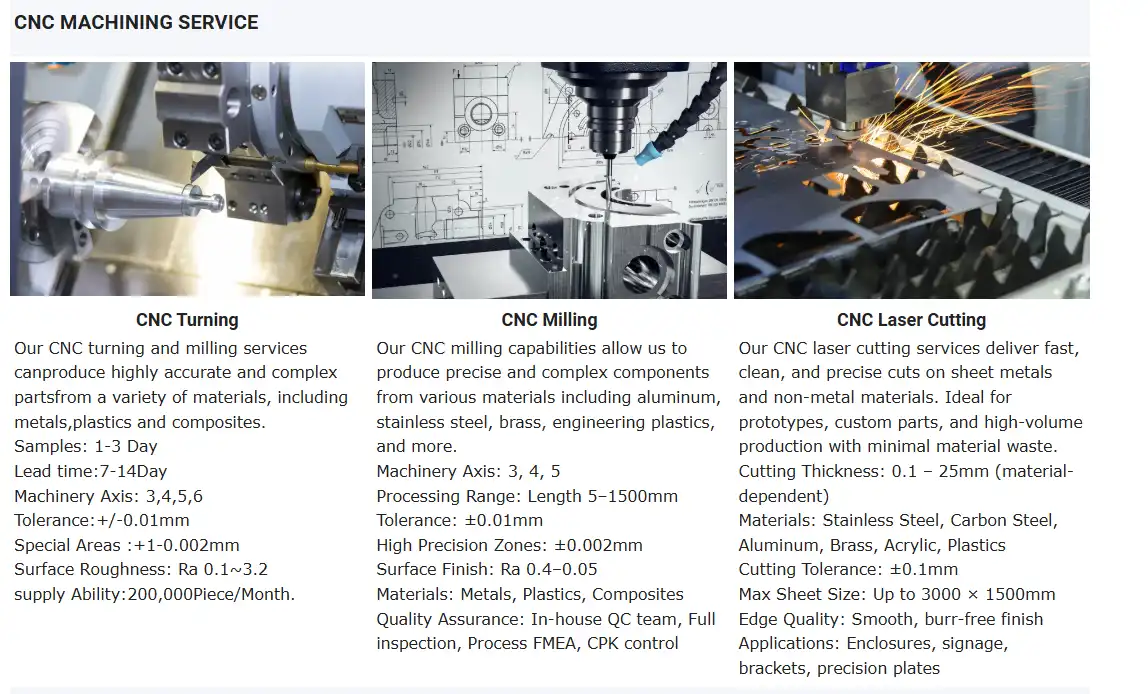
For successful buying, you need to understand metal solenoid valve technology when choosing fluid control parts for automation equipment, medical devices, or flight uses. The electromagnetic field powers these devices, which control fluid flow through precise mechanical movement. They last longer and work better than plastic options. Modern manufacturing requires tolerances of up to ±0.01mm, so choosing the right type of valve has a direct effect on how reliable the system is and how efficiently it works.
Understanding Metal Solenoid Valve Fundamentals
What Makes Metal Solenoid Valves Essential?
In fluid control systems, metal solenoid valves turn electrical signals into mechanical action and act as automatic guardians. When turned on, an electromagnetic coil makes a magnetic field that pulls on a plunger or armature, which opens or shuts the valve opening. This simple process works reliably and consistently over millions of rounds, which is why these devices are essential for industrial automation.
Usually, the construction includes a valve body made from grades 316, 304, or 303 stainless steel metals that houses a solenoid coil, return spring, and closing parts. When electricity runs through the coil, magnetic force defeats spring tension, moving internal parts to manage the flow of fluid. The whole system works in milliseconds, which is crucial for automatic processes that need quick responses.
Core Components and Operating Principles
Understanding the internal design helps people who work in buying to judge quality and fit. The valve body has carefully machined flow paths with roughness values of Ra0.8μm or better, which makes sure that the fluid moves smoothly and there is little turbulence. Internal seals, which are usually made of PTFE, Viton, or EPDM, stop leaks and can handle high and low temperatures and chemicals.
The electric coil is what the device is all about. These coils are very good at turning electrical energy into magnetic force. They are protected by housings. Different voltage ranges can work with different power systems, including AC ranges like 110V or 220V and DC ranges from 12V to 24V. By choosing the right voltage specs, you can make sure that they work with existing control systems and get the most out of your energy use.
Why Does Metal Construction Outperform Alternatives?
Building with metal has real benefits over building with plastic or mixed materials. Stainless steel parts can withstand pressures of more than 3000 PSI and keep their shape at temperatures ranging from -40°F to 400°F. When working with strong fluids like hydraulic oils, solvents, or chemical process streams, corrosion protection is very important.
Another important benefit is that it is stable in terms of dimensions. With CNC cutting and five-axis processing, errors are kept to within ±0.01mm, which means that the product will always work the same way. Precision-machined metal solenoid valve surfaces stay exactly the same, unlike plastics that can change shape when under stress or when the temperature changes. This keeps performance from dropping and increases working lifespan.
Types of Metal Solenoid Valves and Their Applications
Direct-Acting Versus Pilot-Operated Designs
Electricity moves the opening of a direct-acting solenoid valve to open or close it directly. This basic design works without regard to line pressure, so it can be used in low-flow situations and in systems with small pressure differences. When room is limited, these small units work great in medical equipment, lab instruments, and consumer electronics.
Pilot-operated valves use the pressure in the line to help the valve work. When the coil is turned on, a small test hole opens. This lets system pressure lift the main valve seal. This design can handle much higher pressures and flow rates while using much less electricity. Industries like oil and gas processing, chemical manufacturing, and car production often choose pilot-operated setups because they are more efficient and can handle more work.
Material Selection: Stainless Steel Grades Explained
The choice of material has a huge effect on how well and how long a valve works. Type 316 stainless steel is very good at resisting rust, especially in chloride-based settings and marine ones. This grade is good for making medicines, preparing food, and working in coastal factories where the risk of pollution needs to be kept to a minimum.
The cost of Type 304 stainless steel is cheaper, but it works well for many things. Its austenitic structure makes it resistant to rust in most industrial settings. This makes it perfect for HVAC systems, water treatment, and general industry uses. Type 303 is easier to work with because it has sulfur added to it, and Type 410 steel has magnetic qualities and is stronger for specific uses.
Industry-Specific Applications and Performance Considerations
Compact, quick-acting valves are used by companies that make automation tools to handle hydraulic and pneumatic cylinders. Surface treatments like electroplating and anodizing make things less likely to wear out and increase the time between repair visits. For use in vehicles, designs need to be able to withstand vibrations and have sealed joints that keep water out.
Biocompatible materials and standards that make sure patients are safe are needed for medical device integration. For aerospace uses, building materials need to be as light as possible without lowering the pressure values or temperature limits. Miniaturized designs that allow fine flow control for gripping devices and actuation systems are useful in the robotics field. For each use case, there are different design factors that need to be thought about, such as the seal materials and pressure levels, which must be carefully specified during purchase.
How to Choose the Right Metal Solenoid Valve for Your Needs?
F-1 Criteria Screening Framework
To choose the right valve, you must first carefully look at the factors that affect the application. Along with environmental factors, the F-1 structure gives priority to fluid properties, flow needs, and functional specs. This organized method quickly gets rid of options that aren't good, leaving only the best ones.
The basic needs are set by the qualities of the fluid. Viscosity changes the way flow behaves and how fast it moves. Chemical makeup affects which seal materials and body design will work together. Material choice and seal requirements are based on the operating temperature ranges. The amount of contamination affects how often and how much filtering is needed.
Critical Performance Parameters
The highest working limits and safety margins are set by the pressure ratings. Valve specs should be 20–30% higher than what the system needs, so they can act as a backup when conditions change quickly. The flow coefficient (Cv) numbers tell engineers how much pressure drops there will be and make sure the system works properly.
Measurements of response time show how quickly valves open after getting electrical messages. For tasks that need exact timing, like packing machines or automatic dispensing, valves must work within 10 to 50 milliseconds. Duty cycle rates tell you whether the device can work continuously or intermittently, which keeps the coil from getting too hot during long periods of use.
Compliance Standards and Certification Requirements
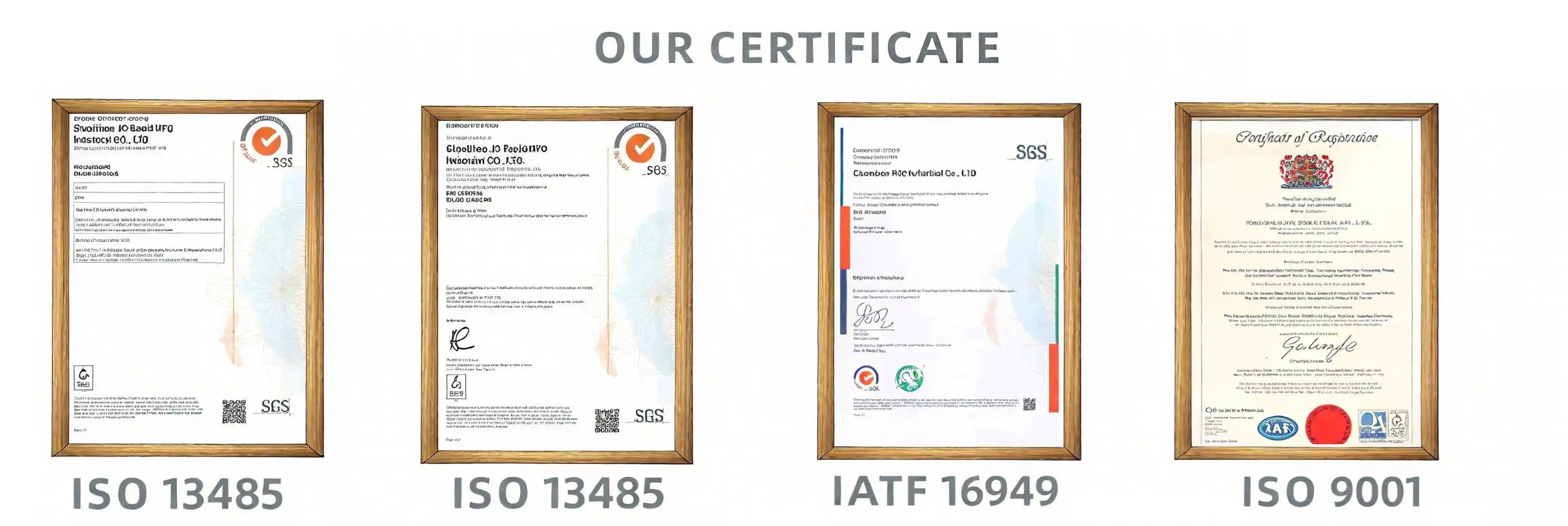
International guidelines make sure that products are safe and of good quality. ISO 9001:2015 certification shows that quality control systems have been in place for a long time in production. RoHS compliance shows care for the earth by limiting the use of dangerous substances. When something has a CE mark on it, it means that it meets European safety and performance standards.
Certifications specific to an industry give you more respect and make sure you're qualified. ATEX approval shows that work can be done safely in dangerous environments. For medical and food-contact uses, FDA compliance becomes a must. For locations in North America, UL listings give you peace of mind, while CSA approval meets the needs of Canada.
Maintenance, Common Problems, and Troubleshooting Tips
Preventive Maintenance Protocols
Regular inspections make valves last longer and stop them from breaking down without warning. Visual checks done once a month find damage, leaks, or rust on the outside. Testing the coil's resistance and shielding every three months makes sure they are still good. Inspections that take apart the machine once a year let you change the seals and clean the inside, which brings it back to its original performance standards.
When investigating, documentation is very helpful. By keeping track of installation times, maintenance tasks, and operating factors, you can use them as a starting point for future comparisons. Keeping track of cycle numbers helps predict how much a part will wear out, so it can be replaced before it fails. Maintenance logs also help with guarantee claims and show that rules were followed during checks.
Common Operational Issues and Solutions
When valves stick, it's usually because of a buildup of dirt or a failing seal. Particulate matter in fluid streams damages sealing surfaces, making it impossible to close all the way. Root reasons can be fixed by adding upstream filtration and following regular cleaning routines. If you replace seals at the recommended times, they won't harden or lose their flexibility.
Overvoltage, too many duty cycles, or not enough heat loss can cause coil failure. Checking the real supply voltage makes sure that it works with the coil's specs. Thermal harm can be avoided by using the right heat sinks and making sure there is enough air flow. Intermittent activity with the right off-cycles lets the system cool down between actions. Leaks happen when seals are worn out, sitting surfaces are broken, or the system is not installed correctly. Compression set or chemical attack can be seen by looking at O-rings and seals. By looking at the connecting surfaces, you can see if there is any scoring or rust that needs to be fixed or replaced. Making sure the right torque specs are followed during reassembly guarantees that there is enough sealing force.
Procurement Guide: Buying Metal Solenoid Valves with Confidence
Evaluating Supplier Capabilities
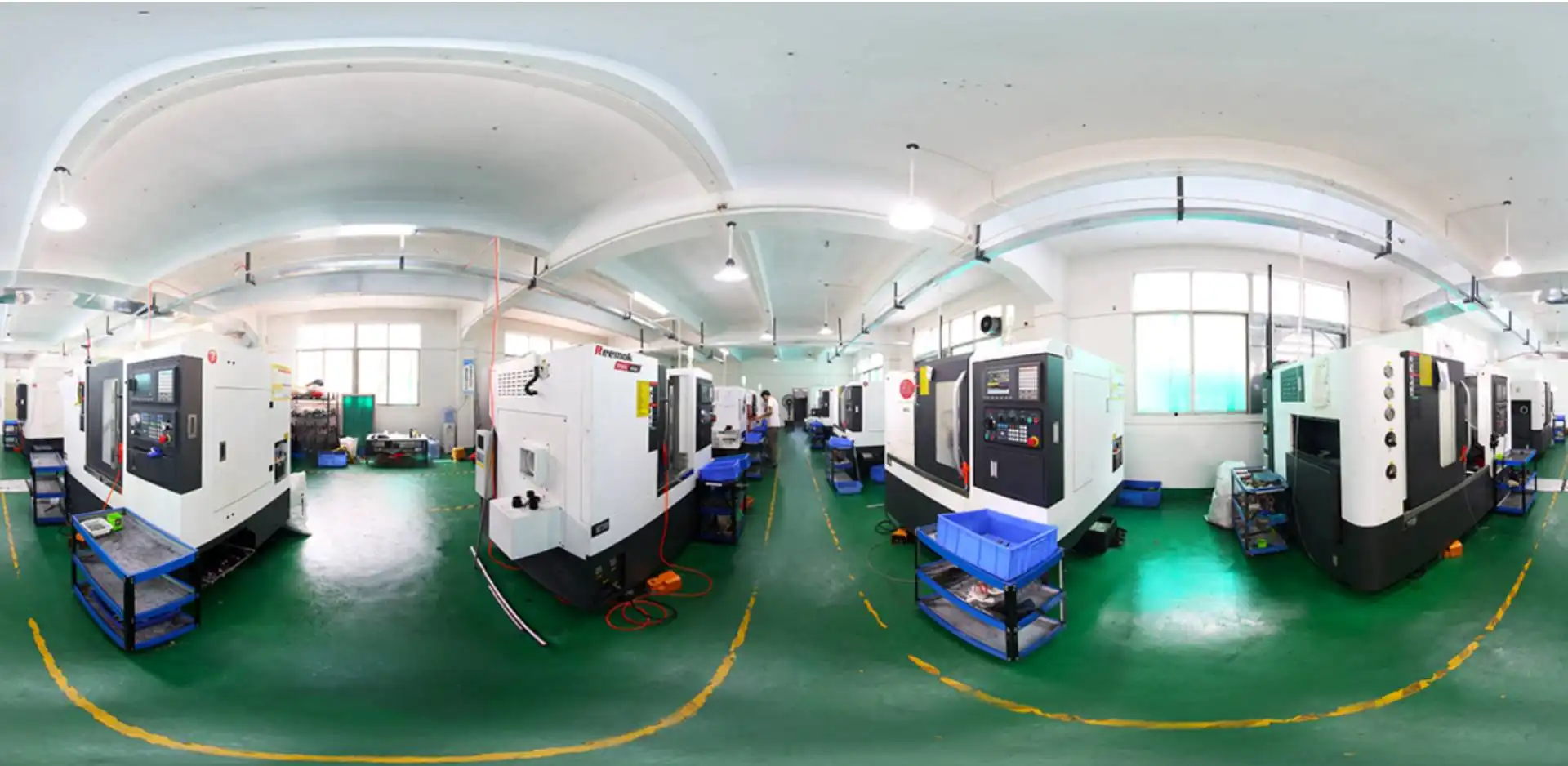
The supplier you choose has a big effect on the quality of the goods and the success of the project. Custom requirements can be met if the manufacturing skills allow it. CNC turning centers and five-axis tools are examples of advanced machining equipment that can make complex shapes with tight limits. Finishing processes like sanding, sandblasting, and plating that can be done in-house speed up output and make quality control better.
Processes for quality checking show dedication to greatness. Quality management systems that are ISO-certified make sure that production standards are always met. Professionalism is shown by written review methods, properly calibrated measuring tools, and statistical process controls. If a supplier is ready to give you material certifications, dimensional records, and performance test data, that shows they are honest and responsible.
Customization Options and OEM Partnerships
Customization skills set sellers apart in markets with lots of competition. Leading makers can read both 2D and 3D CAD files in forms like AutoCAD and SolidWorks. This makes it easier to communicate the exact goals of the design. Getting help from engineers during the development process makes ideas easier to make while still meeting performance standards.
When original plans are not available, reverse engineering services can be used instead. Suppliers who have coordinate measuring machines (CMMs) and 3D scanning technology can make exact copies of parts that already exist. Collaborative design processes speed up the time it takes for new goods to reach the market by turning rough ideas into specs that can be used in production.
Logistics, Lead Times, and Support Services
Knowing when things need to be made helps you plan projects well. Standard items can be sent out within days, but special designs take longer to make. By being clear about wait times during the quotation process, you can avoid scheduling problems and failures. Setting reasonable goals is important for completing a job successfully.
Coverage under a warranty protects you against flaws and early breakdowns. Full guarantees show that the maker trusts the quality of the product. Having access to technical support, such as help with troubleshooting and program engineering, adds value beyond the buy itself. Procurement groups can gain a competitive edge by building long-term relationships based on quick communication and reliable delivery.
Conclusion
To choose the right solenoid valve technology, you have to weigh the scientific requirements, the needs of the application, and the supplier's abilities. Metal solenoid valve building is ideal for harsh industrial settings because it is long-lasting, precise, and performs well. Procurement experts can come up with the best solutions when they know about the different types of valves, the qualities of the materials used, and the selection criteria. Building connections with qualified makers guarantees access to supply lines that work well, the ability to customize products, and technical know-how. Following the right repair procedures will make your tools last longer and save you money on downtime costs.
FAQ
What pressure ratings do metal solenoid valves support?
Pressure limits depend on the design and building. Direct-acting designs can usually handle pressures of up to 300 PSI, while pilot-operated designs can handle pressures of up to 3000 PSI. The stainless steel body and precisely polished seating areas make sure that the valve doesn't leak at any pressure. Setting the right pressure limits stops early crashes during system transients.
How do I select appropriate seal materials?
Seal suitability is affected by the type of fluid and the temperature at which it is used. PTFE covers can stand up to almost all chemicals, but they can only handle temperatures up to 400°F. Viton is very resistant to chemicals and can handle higher temperatures. EPDM can be used with water and steam, but it breaks down when it comes in contact with oil products. Checking chemical compatibility charts makes sure that the right materials are chosen for each job.
Can metal solenoid valves operate in explosive environments?
For placements in dangerous places, valves that are certified by ATEX or IECEx meet the criteria. Explosion-proof housings keep possible sources of burning inside, so the surrounding air can't catch fire. Designs that are intrinsically safe limit the amount of electricity to a level that can't start a fire. Verifying certifications the right way makes sure that safety rules are followed and saves workers.
Partner with a Trusted Metal Solenoid Valve Manufacturer
The main thing that Dongguan Junsion Precision Hardware Co., Ltd. does is make high-performance fluid control parts for robots, automation, medicine, and space travel. Our building is 1,600 square meters and has 32 high-tech CNC tools that can make valve bodies out of 316, 304, 303, and 410 stainless steel with surface finishes of Ra0.8μm and tolerances of ±0.01mm.
Through CNC cutting, turning, five-axis processing, and pressing, we can make any changes you need. Surface treatments like electrophoresis, sanding, anodizing, sandblasting, and anodizing make things more resistant to rust and make them last longer. Our goods meet world standards thanks to our quality management system that is ISO 9001:2015 certified and RoHS compliant.
Get in touch with our engineering team at Lock@junsion.com.cn to discuss your needs for a source of metal solenoid valves and get help with your next project.
References
1. Hydraulic Institute Standards for Solenoid Valve Performance Testing and Qualification (2021 Edition)
2. American Society of Mechanical Engineers, "Material Selection Guidelines for Corrosive Service Applications in Fluid Control Systems" (2020)
3. National Fluid Power Association Technical Paper Series, "Comparative Analysis of Direct-Acting and Pilot-Operated Valve Designs" (2019)
4. International Electrotechnical Commission Standard 60730-2: Automatic Electrical Controls for Solenoid Applications (2018)
5. Industrial Valve Design Reference Manual, Chapter 7: Electromagnetic Actuation Systems and Performance Optimization (2022)
6. Journal of Manufacturing Processes, "Precision Machining Techniques for Aerospace-Grade Valve Components" Volume 45 (2021)