




Electronic Watch Clasp Materials and Design Guide Explained
Precision engineering and useful design come together in an electronic watch clasp in modern wearable technology. Smartwatch and fitness tracker apps can use these specialized parts, which high-tech materials, microelectronics, and safe locking mechanisms make. When choosing a material, it's important to think about how it will work generally and how long it will last. Procurement pros can find parts that meet strict quality standards if they understand how materials, design concepts, and manufacturing standards work together. This complete guide explains the most important things you need to think about when choosing, modifying, and keeping these important pieces of hardware.
Understanding Electronic Watch Clasp Materials and Their Impact on Performance
Material Options for Superior Performance
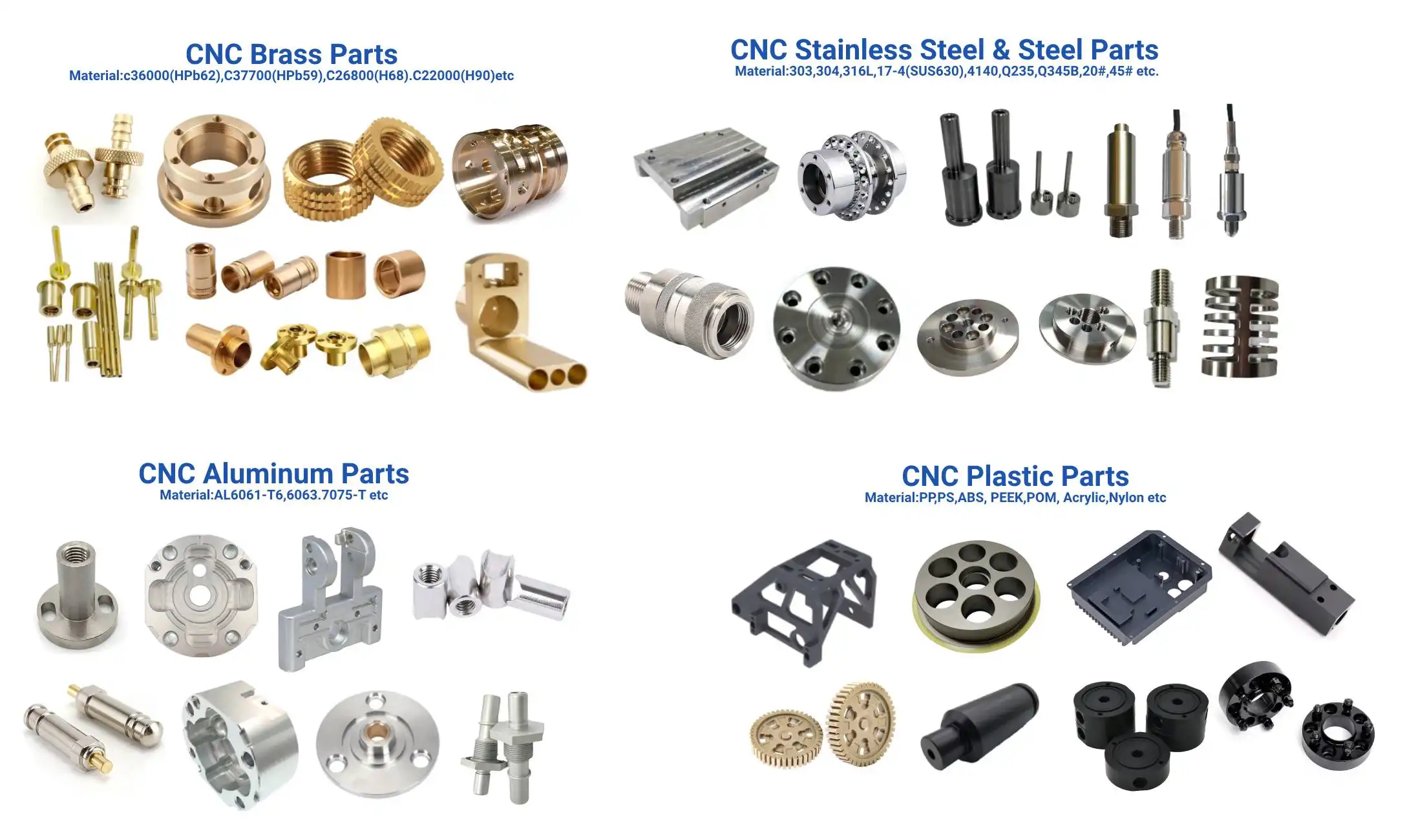
Material selection has a significant impact on the performance features of any electronic watch clasp. At Junsion, we mostly work with stainless steel and aluminum, which we picked on purpose to find a good mix between durability and weight, which is important for wearable tech. The tensile strength of stainless steel is very high, and it doesn't break down easily in the environment. This makes it a good choice for industry and outdoor uses where wetness and temperature changes are common. Luxury device makers also like this material because it gives the watches a high-end look.
Aluminum metals have strong benefits when reducing weight is important without affecting the strength of the structure. The material's natural oxide layer protects against corrosion, but we make these qualities even better by using special anodizing processes. Titanium is pricier, but it is the best material for medical tools and high-performance sports equipment because it is biocompatible and strong for its weight.
Evaluating Material Trade-Offs from a Procurement Perspective
When choosing materials for watch band clasps, procurement managers have to think about many things. Stainless steel is usually the most cost-effective choice for big orders because the quality stays the same from batch to batch. Because aluminum is lighter, it lowers shipping costs, which is especially important for sales from other countries. Material prices are only one part of the total cost of ownership. For example, corrosion resistance affects how long a product lasts and how many guarantee claims are made, and weight affects how comfortable the product is for users and where it is placed.
Our materials are RoHS-compliant, which means they meet international environmental standards. Brands that want to sell their products in controlled markets in North America and Europe must do so. When you buy in bulk, it's important to check the material's licenses and tracking to avoid problems with the supply chain and compliance.
Advanced Composites and Conductive Materials
New hybrid materials have carbon fiber or conductive plastics added to them, which opens up useful new options for smartwatch band closures. These materials make it possible to add charging contacts or health monitors directly to the clasp mechanism, which makes the gadget more useful without making it bigger. We can still work with these specialized materials when unique jobs call for them, but for the most part, we still use traditional metals because they are reliable and cost-effective for most business uses.
Electronic Watch Clasp Design Principles and Mechanisms Explained
Core Mechanism Types and Their Applications
Modern clasps use many different types of mechanisms for different situations. Deployment clasps have spring-loaded hinges that fold firmly around the wrist. This makes them adjustable while still keeping a professional look that is appropriate for work and business settings. The devices we make are made with very tight tolerances so that they can work smoothly for thousands of open-and-close rounds without breaking down.
Neodymium magnets, which are used in magnetic clasps, make them safe and easy to use with one hand. This design works especially well for exercise apps where users need to be able to quickly take it off during changes. Our research team figures out the right magnetic field strength to balance security with ease of release. This way, the lock won't open by accident during active activity, and users won't be frustrated by too much resistance.
Buckle-style clasps that have been improved with electronic features are the most classic style that has been given new features. We put in microswitches or contact points that make functions happen when the clasp is closed. This lets us do things like identify wear, automatically turn on the screen, or pause health tracking.
Design Innovation Enhancing User Experience
Our method for designing watch clasp parts is based on ergonomics. Curved shapes fit easily around the wrist, spreading pressure evenly to keep you from getting sore after long periods of wear. Low-profile designs keep them from catching on clothing or getting in the way of using a keyboard, which is something that business smartwatch users often worry about.
Security features include two sets of locks that keep the doors from opening by mistake. Our designs are put through strength tests to make sure that clasps stay closed even when applied forces that are higher than usual. This is important for industrial settings where losing a device could be dangerous or compromise data security. These engineering validations give buying teams peace of mind about the reliability of the product before they place big orders.
Integration Capabilities for Electronic Components
Modern designs are different from older ones because they can include electrical parts directly in the clasp sections. We precisely cut holes and grooves in the clasp bodies to fit charging contacts. This makes the integration smooth and keeps the clasp's good looks. These electronic connections are kept dry by waterproof seals, which is very important for devices that are meant to be used for swimming or outdoor sports.
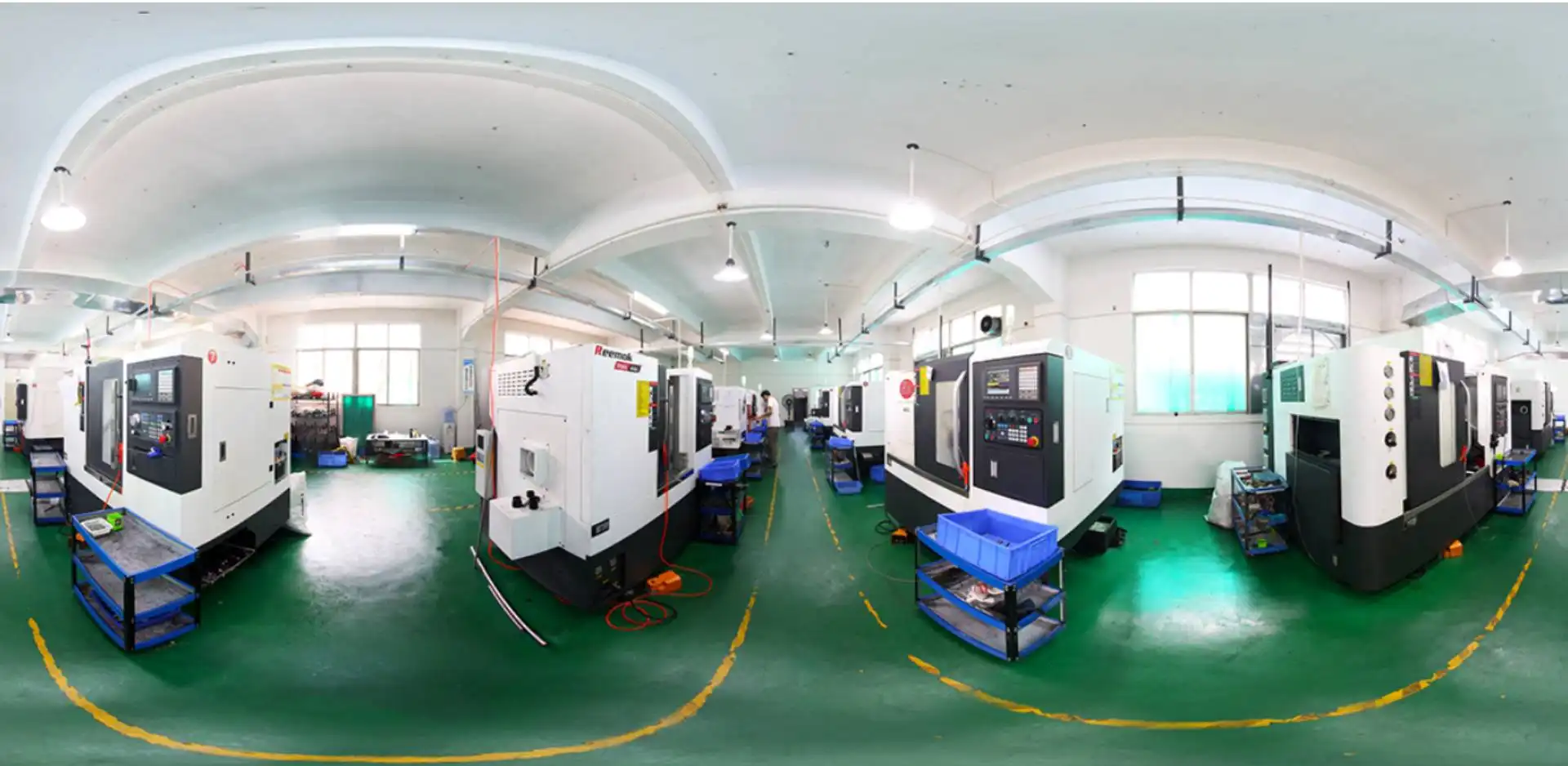
With our CNC machining skills, we can make complicated shapes that are needed for sensor integration or data transfer contacts. Our 2.5D projectors check the dimensions of every clasp to make sure that the electrical contacts line up properly with the matching surfaces on the watch bodies. This accuracy gets rid of connection problems that make users unhappy and lead to warranty claims.
Buying Guide: How to Choose the Best Electronic Watch Clasp for Your Business Needs
Aligning Product Specifications with Application Requirements
Understanding how the clasp will be used in the end is the first step in choosing the right specs. Sports and exercise equipment needs materials that are light and don't rust so they can handle sweat and water. Corporate smartwatches focus on looking sleek and running quietly so they don't get in the way of meetings. For industrial uses, building needs to be tough enough to withstand shocks, chemicals, and high or low temperatures.
For battery-powered clasp devices, it's important to keep track of how much power they use and how often they need to be replaced. We give you full specs that include the amount of power it draws and how long it should last with normal use so you can accurately plan your product. In some situations, energy-gathering methods that don't need batteries at all are better, but they cost more per unit.
Customization and OEM/ODM Capabilities
Our OEM/ODM services meet the specific needs of your product that standard parts can't. Our engineering team uses your technical plans to make designs that are easier to make while still meeting the functional requirements. This way of working together finds problems with production early on, so there aren't any expensive delays during the ramp-up stages.
We offer a range of strap sizes and attachment ways to make sure they work with your current watch designs. Custom laser printing lets you put subtle branding right on the clasp surfaces, which makes the product stand out without the need for extra labels. Anodizing, electroplating, and PVD finishing are some of the surface processes that can be used to change the way something looks and make it more resistant to wear.
Evaluating Supplier Reliability and Support Infrastructure
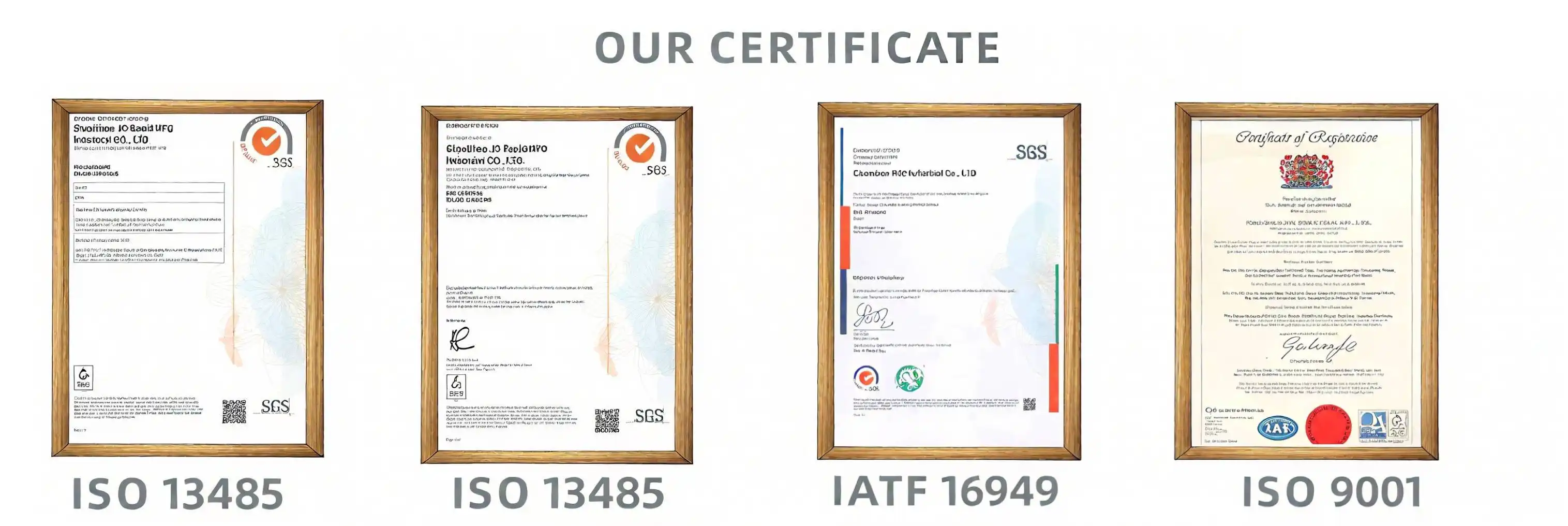
When choosing a supplier, it's not just about how much the parts cost; service quality and the possibility of a long-term relationship are also important. Our ISO 9001:2015 certification shows that we are dedicated to quality control systems that make sure all of our work is uniform from one order to the next. Quick responses, usually within 24 hours for technical questions, help you stay on schedule with your projects without having to wait for suppliers to get back to you.
We keep enough common materials and standard setups in stock to handle small batch sales and quick-turn prototyping. This adaptability comes in handy during the growth stages of a product, when design changes happen often. Transparent order tracking systems let you see the state of production, shipping preparation, and delivery processes in real time, which lowers the risk of buying.
Maintenance, Troubleshooting, and Longevity of Electronic Watch Clasps
Proactive Maintenance Protocols
To make a part last longer, you need to do some simple but regular care. We suggest cleaning it every so often with light detergents to get rid of the oils, dust, and other particles that build up and can get in the way of the system working smoothly. Paying extra attention to the hinge points and closing parts stops buildup that makes them stiff or not close all the way. Isopropyl alcohol cleaning clasps with electrical contacts in a gentle way keeps the connection and stops oxidation.
Managing batteries becomes very important for powered clasp devices. We give you clear information about how long the battery should last under normal conditions of use, so you can change it before it fails unexpectedly. Some designs have low-battery symbols that let users know when the battery is almost dead, which keeps services running smoothly.
Common Issues and Troubleshooting Approaches
When a mechanical part fails, it usually makes the clasp hard to open or close. This is usually because of dirt or worn parts. At contact places, our designs use hardened materials to prevent wear, so they work reliably for a lot longer than the average number of times a device needs to be replaced. When problems happen, we give you thorough troubleshooting guides that list the most likely reasons and how to fix them.
Most sensor mistakes in electronic watch clasps happen because dirty contacts or misaligned contacts cause them. Our precise production cuts down on tolerance variations that could lead to alignment problems, and the right form of the contacts stops corrosion that slows down signal transfer. Our salt spray tests make sure that the rust protection is higher than the industry standard, which lowers the number of failures in the field.
Warranty Considerations and After-Sales Support
Strong guarantee terms show that the maker trusts the quality of the product. We stand behind our parts with full covering that covers both production flaws and material failures. When problems appear, responsive after-sales help fixes them quickly, so they don't get in the way of your production or warranty service. Our expert team offers engineering support, helping to find problems in the field and put corrective measures in place.
Trends and Future Outlook in Electronic Watch Clasp Design and Procurement
Smart Materials and IoT Connectivity
New watch hardware parts are being made possible by the coming together of materials science and communication technologies. Shape-memory metals let clasps change size automatically as the wrist size changes throughout the day. This makes the bracelet more comfortable when the temperature changes or when you're working out. Conductive textiles built into band materials talk to sensors built into clasp parts. This makes tracking easier without adding any extra hardware that can be seen.
When IoT is added to clasps, they go from being just mechanical parts to being active system parts. Health sensors built into clasps check for pulse, body temperature, or electrodermal activity by using the skin touch that comes with wearing a watch. These useful extensions need advanced sealing methods and biocompatible materials, which are easy for our production processes to handle.
Bulk Procurement Strategies and Customization Efficiency
The market is moving in a way that favors providers who can give both standardization and customization. Our way of making things keeps the output of standard setups efficient while also allowing for design changes through flexible CNC programming. This feature lets you make small batches of customized products at a low cost, without the high prices that come with special parts.
Instead of focusing on transaction-based sourcing, procurement pros would be better off building long-term relationships with capable providers. Our team puts time and effort into learning about your product roadmaps and application needs. This way, we can make suggestions as new technologies come out. This joint method cuts down on the time it takes to get new product generations to market and makes sure that all of your products can use the same parts.
Sustainability and Circular Economy Considerations
As brands try to meet customer needs and government rules, environmental sustainability plays a role in their buying choices. Along with standard performance measures, the ability of a material to be recycled becomes a selection factor. Our metal parts are very easy to recycle, and stainless steel keeps its value through well-known recycling routes. We are always looking at ways to make things better so that they use less energy and produce less waste, which helps your company reach its sustainability goals.
Conclusion
Material properties, mechanism functions, customization needs, and supplier skills must all be considered when choosing an electronic watch clasp option. Choosing between stainless steel, aluminum, and specialty metals as building materials has a big effect on how long things last, how much they weigh, and how much they cost. Design mechanisms decide how the user feels and what applications can be used with it, while the quality of production directly impacts how reliable it will be in the long run. Partnerships with suppliers that offer technical support, open design, quick reaction times, and quality systems that can be checked give procurement pros a competitive edge. The changing environment of smart materials and IoT integration opens up chances to make products stand out by designing new parts. By understanding these factors, you can make smart choices about where to get products that work best and don't cost too much.
FAQ
What are the primary material options for watch band clasps?
The most common materials are stainless steel and aluminum, and each has its own benefits. Stainless steel is stronger and more resistant to rust, making it ideal for harsh settings. Aluminum, on the other hand, is lighter and can be treated with anodizing to change its look. Titanium is used in specific situations that need high strength-to-weight ratios and biocompatibility. The choice of material should be based on the needs of the application, taking into account things like exposure, weight, and personal taste.
How does customization affect lead times and pricing?
How customization affects schedules and costs depends on how complicated it is. Changes to surface treatments or easy changes to dimensions usually don't add much time to the wait time, usually only a few days. Changes to complex designs that need new tools or engineering approval add time in a proportional way. During the quote process, our team gives accurate estimates of when things will need to be done, which lets you plan the job in a realistic way. Because of economies of scale, promises to make a lot of them often cover the costs of tailoring.
What quality certifications should procurement managers verify?
Having ISO 9001:2015 approval means that you have set up quality control systems that make sure processes are always the same. Verification of RoHS compliance shows that products meet the safety standards for the environment needed for foreign markets. Testing capabilities of suppliers, such as checking dimensions and rust protection, show dedication to making sure products are safe before they are shipped. To keep track of orders, ask for thorough test results and material certifications.
Partner with Junsion for Premium Electronic Watch Clasp Manufacturing
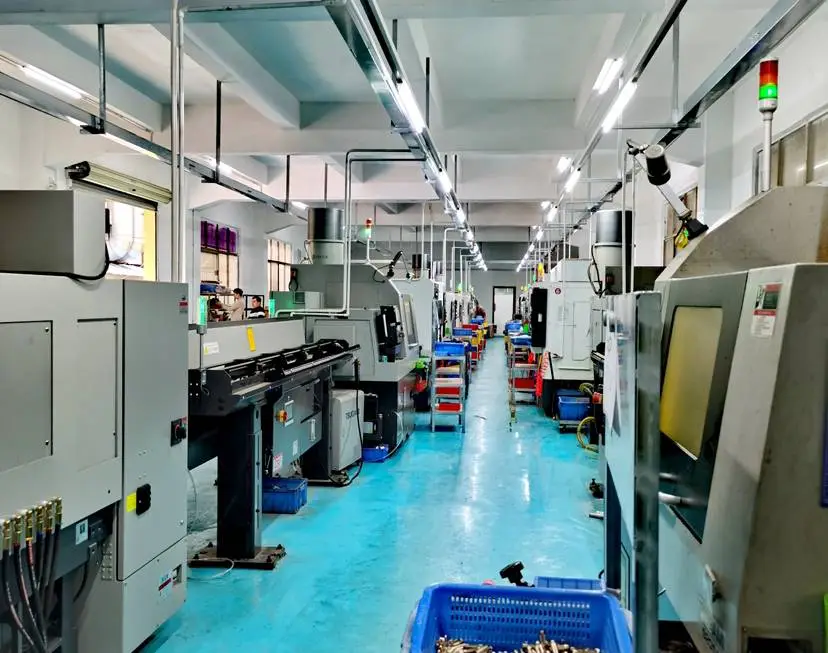
Dongguan Junsion Hardware Co., Ltd. manufactures high-quality electronic watch clasps, custom-made to meet the needs of the communications, electronics, and consumer goods industries. Our 1,600-square-meter building has 32 high-tech CNC tools that make sure that all of our production batches are of the same high quality and accurate dimensions. As a well-known electronic watch clasp provider, we offer full OEM/ODM services, such as design optimization, prototype development, and mass production, with response times that are usually less than 24 hours.
Our methods are ISO 9001:2015 approved, and the materials we use are RoHS-compliant. This makes sure that the parts we make meet international quality and environmental standards. We offer a wide range of customization choices, such as different surface treatments (anodizing, electroplating, and PVD coating) and laser etching for brand recognition. Products that are sent to over 20 countries show that we can meet the needs of a wide range of customers.
To talk your electronic watch clasp needs, get in touch with our staff right away at Lock@junsion.com.cn. We offer thorough expert advice, low prices for large orders, and dependable help after the sale to make sure your procurement goes smoothly.
References
1. Smith, J. and Anderson, P. (2022). Materials Engineering for Wearable Electronics: A Comprehensive Guide. Technical Publishing International.
2. Chen, L. (2023). Precision Hardware Manufacturing Standards and Quality Control. Journal of Manufacturing Excellence, Vol. 45, pp. 112-134.
3. Rodriguez, M. et al. (2021). Corrosion Resistance in Consumer Electronics Components: Testing Methodologies and Standards. Materials Science Quarterly.
4. Williams, R. (2023). Design Principles for Smartwatch Hardware Integration. Wearable Technology Review, Issue 8, pp. 67-89.
5. Thompson, K. and Liu, Y. (2022). Supply Chain Management for Electronics Manufacturing: Best Practices for B2B Procurement. Industrial Engineering Press.
6. Martinez, A. (2024). Emerging Trends in Watchband Hardware and Clasp Mechanisms. International Journal of Precision Engineering, Vol. 12, No. 3, pp. 201-223.