




How Are Nylon Parts Manufactured and Processed?
Precision-engineered Nylon parts are made using cutting-edge methods for making synthetic polymers, such as CNC machining, injection molding, and extrusion. These parts are made with exceptional care, from choosing the materials to polishing the outside, so they last a long time, don't react badly to chemicals, and are the right size. Nylon parts are made to strict industrial standards, ensuring reliable performance in automation equipment, automotive systems, and consumer electronics where strength-to-weight ratio and wear protection are important.
Introduction to Nylon Parts Manufacturing
Nylon parts are now essential in the logistics, computing, automotive, and communications businesses. These materials have wonderful dynamic qualities that metals and plastics can't match. They are made from synthetic polymers that are created from polyamide resins. More and more, purchasing managers and product developers are asking for nylon to be used for custom plastic racks, precision hardware parts, and important systems where performance stability has a direct effect on how efficiently they work.
The quality of how nylon parts are made has a big impact on how long they last and how well they work. At Dongguan Junsion Precision Hardware Co., Ltd., when we design nylon parts, process control starts with choosing the material and goes through all of the cutting and surface treatment steps. OEM clients can choose parts that meet all of their application needs when they know how the manufacturing process affects things like heat resistance, chemical stability, and physical accuracy. This information is very helpful when making custom solutions for electronics enclosures, car parts, or automatic storage systems that need to have tight tolerances and uniform material qualities.
Detailed Overview of Nylon Parts Manufacturing Processes
To make high-performance nylon parts, you have to choose the best production method based on the shape of the part, the amount of material needed, and the performance standards. Each method has its own benefits that skilled makers use to make solutions that are both effective and affordable.
Injection Molding for High-Volume Production
Injection molding is the most common way to make large quantities of nylon parts. To achieve this, nylon pellets (Nylon 6, Nylon 6/6, Nylon 12, or glass-filled versions) are melted, and the liquid polymer is injected into precise molds while the temperature and pressure are managed. This method is particularly effective at making complicated geometries that stay true to size over thousands or millions of rounds. Cycle times for injection molding are usually between 30 and 90 seconds, based on the size of the part and the thickness of the walls. This makes it cost-effective for big production runs. Investing in tools is the main cost factor, but spreading that cost over a large number of units reduces the cost per unit significantly.
CNC Machining for Precision Custom Components
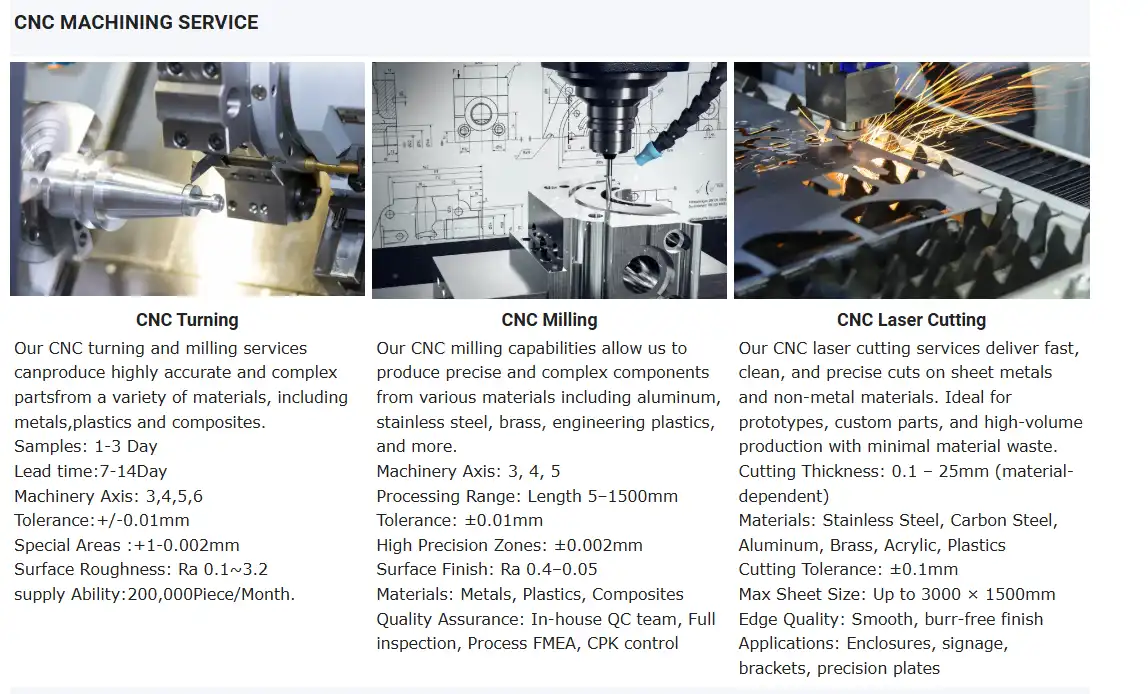
CNC cutting is the most accurate way to make unique nylon parts that need to fit together tightly. We regularly achieve limits of ±0.01 mm and surface roughness values of ≤ Ra 0.8 μm through multi-axis machining processes at our 1,600-square-meter building, which is home to 32 high-tech CNC machines. The process starts with solid nylon stock material, like a bar, sheet, or tube. This is cut, turned, milled, and drilled using a computer. We can make complicated shapes and internal features with five-axis machining, which isn't possible with casting in small to medium quantities. CNC cutting is great for making prototypes because it lets you introduce changes to the design quickly without having to buy new tools.
Extrusion and Casting Methods
By pushing molten polymer through shaped dies, extrusion makes continuous nylon profiles like rods, tubes, and special forms. This method works well for things like guide rails or structural parts that need long pieces with the same cross-section. Pouring liquid nylon polymer into molds, where it polymerizes and hardens, is called casting. This method is useful for making big, thick-walled parts that can't be molded with normal pressures. Cast nylon is easy to work with and can be made into blocks for CNC operations.
Material Selection: Nylon 6 Versus Nylon 66
The choice of material has a big effect on the working factors and the performance of the component. Nylon 6 has a lower freezing point than Nylon 66 (220°C vs. 260°C), which makes it easier to work with and uses less energy. Nylon 66 is better at withstanding heat and being strong, so it is better for use in engine chambers and other high-temperature areas. Glass-filled nylon types have 15–30% glass fiber support, which makes them much stiffer and more stable in terms of size while also preventing them from absorbing water. When sourcing experts understand these differences, they can choose the best materials for a job while keeping costs in mind.
Rapid Prototyping and Custom Molding Solutions
Differentiating great providers from average ones is how quickly they respond to design requirements. Before committing to making production tools, our engineering team works with clients to test ideas using rapid development with CNC machining. We use thorough 2D or 3D CAD plans to make design optimization suggestions that make the product easier to make and cheaper. This consultative method takes into account things like material choice, tolerance standards, and production amount early on in the development process. This shortens lead times and reduces the number of costly design iterations.
Properties and Advantages of Nylon Parts in Industrial Applications
Synthetic polyamides have a great mix of mechanical, heat, and chemical qualities that make them useful in many industrial settings. Knowing these things about materials helps purchasing managers choose materials that will provide the best performance and lowest costs over their entire life cycle.
Exceptional Mechanical Performance
Engineered nylon is stronger than most plastics and can even be as strong as metal in some situations. Tensile strength is between 70 and 85 MPa for grades that aren't filled, and it goes up to 180 MPa when glass is added. This strength is combined with great resistance to pressure and flexibility, so nylon parts can handle shock loads without breaking. It also has great wear resistance—nylon has low friction coefficients (0.2–0.4) and great abrasion resistance, which makes it perfect for gears, bearings, and moving parts that don't need to be oiled.
Thermal and Chemical Stability
Standard types of nylon can withstand temperatures from -40°C to 120°C without losing their mechanical qualities. Specialized formulations can withstand temperatures up to 150°C. This thermal stability makes sure that it will work reliably in situations like under-hood cars and industrial equipment that are subject to high temperatures. Chemical protection includes most oils, fuels, hydraulic fluids, and weak acids and bases. However, strong acids and reactive agents should not be exposed for long periods of time. Nylon is good for electronics housings and connecting parts that need to be dielectrically strong because it doesn't conduct electricity.
Comparative Advantages Over Alternative Materials
Compared to metals, nylon is much lighter—usually 60–80% lighter than steel or aluminum. This makes it easier to handle during assembly and lowers the amount of energy used in mobile uses. Corrosion immunity gets rid of the need for protected coverings and regular upkeep that metal parts need in harsh settings. Common plastics like ABS and polypropylene are not as strong as nylon when it comes to mechanical strength, heat protection, and maintaining their shape. The material is good at absorbing vibrations, which lowers the noise that gets through machinery parts. Based on lifecycle cost analysis, nylon is always the best choice for uses where its unique qualities mean that no other steps or safe treatments are needed.
Cost-Effectiveness Across the Lifecycle
Nylon costs more than regular plastics to make at first, but when you look at the total cost of ownership, you can see that it has big benefits. Parts don't need to be painted or protected against rust, which lowers the cost of finishing. The material's longevity means that it doesn't need to be replaced as often, which saves money on upkeep costs and downtime. Less heavy things are easier to ship and can be made smaller. These things work together to provide economic value that purchasing managers are becoming more aware of when they look at goods as a whole instead of just looking at the price.
Procurement Considerations and Supplier Selection for Nylon Parts
To locate trusted sources for precision nylon parts, you have to look at providers in more ways than just their prices. Decisions about strategic buying affect the quality of the product, the reliability of the supply chain, and the value of long-term partnerships.
Quality Certifications and Compliance Standards
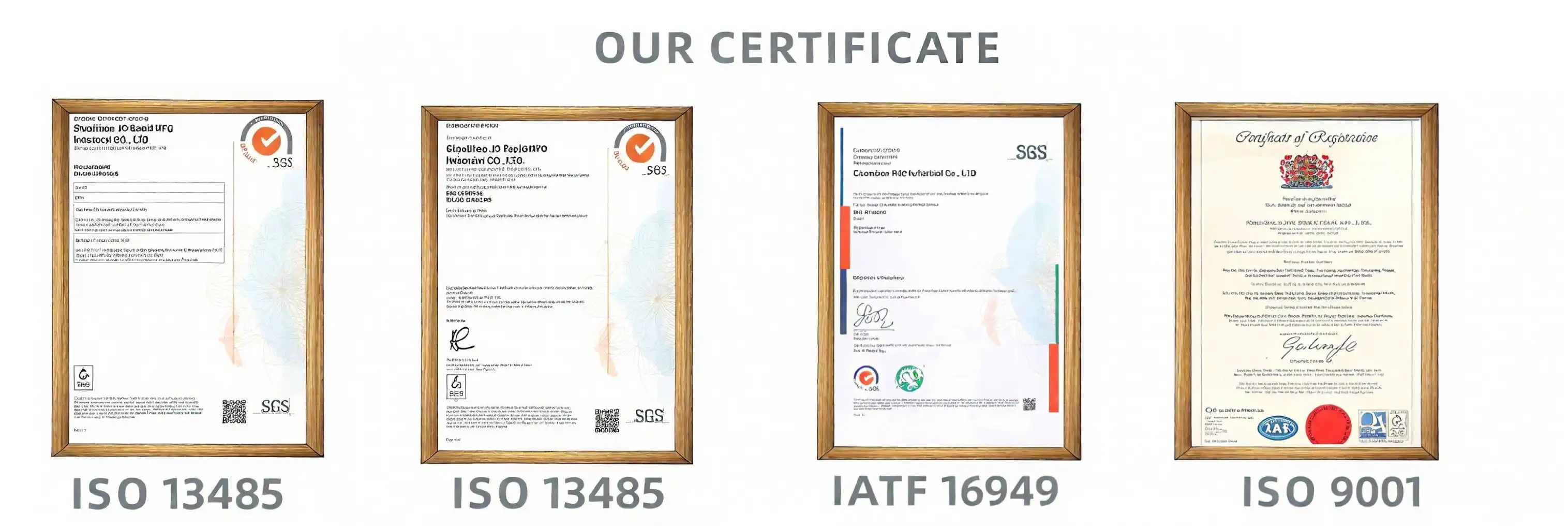
For serious providers, ISO 9001:2015 certification is the minimum level for a quality management system. Documented processes, ongoing improvement routines, and traceability tools that stop quality escapes are all part of this approval. RoHS and REACH compliance makes sure that materials meet safety and environmental rules for goods going into global markets, mainly in the EU and North America. Advanced providers keep measuring tools like 2.5D projectors, coordinate measuring machines, and hardness testers in good working order so that all important measures can be checked 100% of the time. Before agreeing to a relationship, procurement managers can figure out a supplier's ability and risk by asking for proof of certification and learning about their quality infrastructure.
Customization Capabilities and Engineering Support
OEM uses often need parts that are specially made to fit the limitations of the building process and meet performance standards. Suppliers with strong technical support add a lot of value by making suggestions for design improvement, helping with material selection, and analyzing how well the product can be manufactured. Engineering-focused providers can work from CAD files and suggest changes to tolerances or features that lower costs without affecting function. This sets them apart from order takers. With rapid prototyping, you can test your idea before you spend money on production tools. This shortens the time it takes to make something and lowers the risk of failure.
Pricing Structures and Cost Drivers
Knowing how sellers set their prices helps you negotiate better and set more realistic cost goals. The cost of the component is 30–45 percent of the raw material, which changes with the market for nylon resin. How much something costs to make depends on how complicated it is to process—part shape, tolerance standards, and cycle time. For molded parts, the cost of the tools is spread out over the expected numbers, which makes unit prices very volume-dependent. Depending on how complicated the process is, surface treatments add extra costs. When you ask for specific cost breakdowns instead of lump-sum quotes, you can see where your value engineering efforts should be focused. Setting up framework deals with different prices based on promises to buy a certain amount can help you get good rates while still having the freedom to change your supply.
Lead Times and Supply Chain Efficiency
Production lead times are very different depending on how the product is made and how much space the provider has. Prototypes made with CNC machines can be sent out in 7–10 days, but plastic production takes 8–12 weeks because new tools need to be made. Keeping a strategic stockpile of popular nylon grades on hand by suppliers cuts down on delays in getting materials. Logistics times and prices are affected by how close two locations are to each other. This makes U.S. suppliers appealing for uses that need short lead times and easy import processes. But Chinese manufacturers with a lot of experience, like Junsion, offer reasonable prices, well-established logistics networks, and quick contact. They do this by providing reliable service to customers in more than 20 countries around the world.
Supplier Reliability and Relationship Value
Long-term ties with suppliers bring more benefits than just lower transaction costs. When quality is consistent, deliveries are made on time, and expert help is quick to respond, procurement costs and production delays are kept to a minimum. When suppliers spend money to increase their capacity and improve their technology, it shows that they want to help their customers grow. References from current clients in related fields are a great way to find out how well a provider works in the real world. Instead of only looking for business relationships, buying teams should focus on building strategic partnerships. This way, they can deal with supply problems and get priority capacity when demand goes up.
Practical Insights on Using Nylon Parts in Machinery and Automotive
Real-world examples show how well-designed nylon parts can solve practical problems and provide real benefits in terms of performance and cost.
Automotive Industry Applications
More and more, major automakers are using nylon for engine parts, gearbox parts, and electrical systems. In many car platforms, metal casts were changed with nylon intake manifolds, which cut weight by 40% while keeping the structure and dimensions stable through thermal cycles. When compared to older steel designs, timing chain guides made of glass-filled nylon don't wear down as quickly and make less noise in the engine. Molded from nylon 66, these electrical links can handle temperatures and fluids found under the hood of an automobile while still providing reliable insulation and mechanical retention. These uses show that nylon can meet the strict needs of the car industry when strict quality control is used during production.
Industrial Machinery Success Stories
Manufacturers of automated packing machinery switched from bronze bushings to machined nylon bearings. This got rid of the need for lubrication and shortened the time between repair rounds from three times a year to once a year. The change cut servicing costs by 65% and increased service at the same time. As a result, wear strips, guides, and rollers made from cast nylon last three times longer in high-cycle uses than those made from UHMW polyethylene because they are more resistant to wear and tear. The racks and frames on material handling equipment are made of nylon, which is strong and doesn't rust in warehouses where metal parts tend to break down.
Addressing Performance Challenges
When creating with nylon, thermal expansion is an important thing to think about. The material's rate of thermal expansion is higher than that of metals, so units that work in a wide range of temperatures need to have space between them. Moisture absorption changes the stability of dimensions. At balance, nylon 6 can take up to 2.5% moisture, which can be seen as swelling. This habit can be reduced by conditioning the mold after shaping or choosing grades that don't absorb water. Because strong acids and oxidizers break down nylon, chemical compatibility needs to be checked under certain conditions of contact. Surface processes like painting, anodizing, or plating make things look better and protect them from chemicals even more. Suppliers with a lot of experience, like Junsion, help customers with these kinds of decisions by suggesting material types and design changes that improve performance.
Mitigation Strategies for Longevity
The first step in designing nylon parts that work best is choosing the right material for the job. Glass-filled types are good for uses that need the most stiffness and the least amount of heat expansion. Standard grades work well in places where they need to be flexible and strong against pressure. Tolerancing that is done right lets heat expansion and moisture uptake happen without binding. Large radii get rid of load concentrations that cause wear cracks to form. Finishing the surface by polishing, covering, or shaping it meets certain needs for how it looks, how well it resists chemicals, or how much friction it has. These design principles, along with precise making that keeps tolerances close, make sure that nylon parts work well for as long as they're supposed to.
Conclusion
To make precise nylon parts, you need to know a lot about material science, have advanced processing skills, and have strict quality systems in place. Each way of making things has its own benefits that skilled suppliers use to meet the needs of a wide range of applications. These range from high-volume production runs using injection molding to making unique samples with ±0.01mm tolerances using CNC machining. Engineered nylon grades are becoming more popular for use in car systems, automation equipment, electronics housings, and industrial machinery parts because they have a high strength-to-weight ratio, are resistant to chemicals, and last a long time. Instead of just looking at the price at first, strategic procurement means judging providers based on their quality certifications, ability to customize, tech support, and track record of trustworthiness. Real-world examples show that nylon parts that are properly designed and made lower upkeep costs, increase working efficiency in harsh industrial settings, and extend service intervals.
FAQ
What Are Typical Lead Times for Custom Nylon Parts?
Prototypes made with CNC machines usually take 7–10 business days after the plans are accepted. Depending on the complexity and number, machining can deliver large amounts of goods in two to three weeks. When making injection-molded parts that need new tools, the process takes 8–12 weeks for making the tools and another 2–3 weeks for production and finishing. These timelines can be shortened if suppliers keep enough capability and materials on hand.
How Do Nylon Parts Compare to Metal Components in Durability?
Engineered nylon parts are just as durable as aluminum in many situations, but they are better at resisting rust and damping vibrations. Glass-filled types are stiff enough to be like die-cast aluminum, but they are a lot lighter. Nylon is very good at resisting wear in sliding uses, and it often lasts longer than bronze in bearing and bushing work. Metal is still better than cotton when it comes to maximum strength, minimal deformation, or resistance to high or low temperatures.
Can Nylon Parts Be Sourced in Bulk for Large-Scale Industrial Needs?
Through automatic machining units and injection molding, well-known makers keep their capacity up to meet high-volume needs. Commitments to buy in bulk allow for better prices and faster booking. Strategic sellers keep popular types in stock and keep in touch with resin providers to make sure materials are always available. Talking about yearly needs and making basic deals ensures a steady supply for big industrial projects.
Partner with Junsion: Your Trusted Nylon Parts Manufacturer
Dongguan Junsion Precision Hardware Co., Ltd. makes nylon parts that are precisely designed to meet the high standards of electronics, car, and industrial equipment makers around the world. With our 32 high-tech CNC tools and experienced staff, we can make parts to your exact measurements with ±0.01 mm tolerances and Ra 0.8 μm surface finishes in Nylon 6, Nylon 66, Nylon 12, and glass-filled grades. We keep our ISO 9001:2015 certification and follow RoHS rules, and we give a wide range of surface treatments, such as painting, plating, anodizing, and polishing. We've been helping OEM clients in over 20 countries since 2019 with quick responses, low prices, and quality you can count on.
Our engineering team is ready to help procurement managers find a reliable nylon parts provider. They can improve designs, suggest materials, and deliver custom solutions for automation equipment, vehicles, and consumer products. You can get full quotes and talk about your project requirements by emailing Lock@junsion.com.cn, echo@junsion.com.cn, or evelyn@junsion.com.cn.
References
1. McKeen, L.W. (2021). The Effect of Temperature and Other Factors on Plastics and Elastomers (4th ed.). William Andrew Publishing.
2. Rosato, D.V. & Rosato, M.G. (2020). Injection Molding Handbook: The Complete Molding Process (3rd ed.). Springer Science & Business Media.
3. Strong, A.B. (2018). Plastics: Materials and Processing (4th ed.). Pearson Education.
4. Crawford, R.J. & Throne, J.L. (2019). Rotational Molding Technology (2nd ed.). William Andrew Publishing.
5. Bralla, J.G. (2017). Design for Manufacturability Handbook (2nd ed.). McGraw-Hill Professional.
6. Goodship, V. (2019). Practical Guide to Injection Moulding (2nd ed.). Smithers Rapra Technology.