




How to Choose the Right Metal Solenoid Valve for Your System?
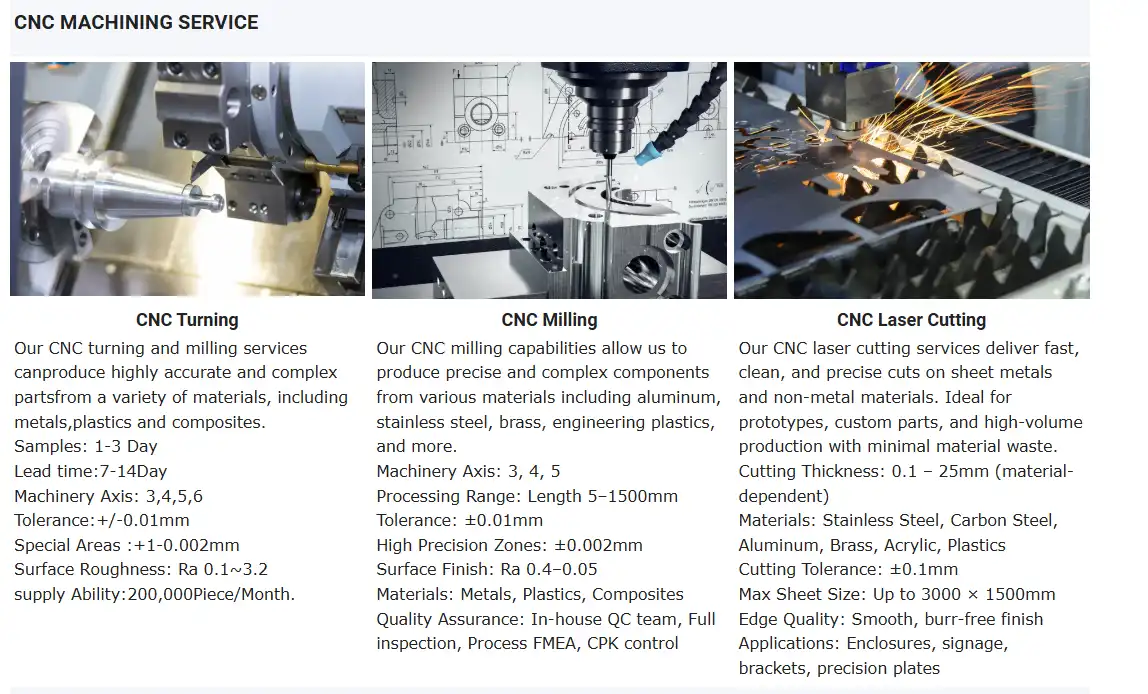
To choose the right metal solenoid valve for your industrial system, you need to carefully consider the pressure needs, the fluid compatibility, the material's sturdiness, and the accuracy requirements. At Junsion Precision Hardware, we make electromagnetic valves that are designed to reliably control fluids in intelligent systems, medical devices, automation equipment, and military uses. We manufacture our CNC-machined valves from 316, 304, 303, and 410 stainless steel, holding them to specs of ±0.01 mm. This means they always work well in harsh settings where regular parts can't provide the accuracy and durability needed.
Introduction
Metal solenoid valves are essential parts of modern industrial systems because they allow for very reliable and efficient automatic fluid control. These electromagnetic devices control the flow of gases and liquids in a wide range of settings, from hospital tools to automated factories. More and more, procurement managers and product creators have to find parts that work right away and will last for a long time. Our guide makes clear the most important selection factors that will help you make smart buying choices that will cut down on downtime and operational expenses.
The biggest brands in the industry set quality standards, but custom OEM solutions often offer better value for unique uses. Knowing the valve's specs, the material's properties, and the supplier's skills gives you the power to make choices that meet your system's needs and your compliance responsibilities. Choosing the right valves has a direct effect on system performance, repair schedules, and the total cost of ownership, whether you're upgrading old infrastructure or planning new production lines.
Understanding Metal Solenoid Valves: Principle and Types
How Do Electromagnetic Valves Work?
When turned on, electromagnetic coils in solenoid valves create magnetic fields that move a plunger or frame to open or close fluid paths. This electromechanical action allows accurate on-off control without any help from a person, making automatic processes possible in many fields. The response time for these valves is usually between 10 and 50 milliseconds, which makes them perfect for uses that need to cycle quickly or shut off in an emergency. The coil turns electrical energy into mechanical motion, and the valve body moves fluid based on what the system needs.
Metal vs. Plastic Construction
In settings with high pressure, high temperature, and chemicals that are harsh, metal valve bodies work much better than plastic ones. Plastic valves can only handle 150 PSI and 180°F, while stainless steel valves can handle pressures up to 3000 PSI and temperatures from -40°F to 400°F. Metal structure also keeps things from breaking down because of UV light, hydraulic shocks, and mechanical stress. Industries that work with burning fluids or in dangerous places need the built-in safety features that metal housings offer. The better physical stability of polished metal parts makes sure that the sealing works the same way over long periods of time.
Valve Configuration Options
2-Way Valves: These can be usually closed or normally open, and they control flow in a single direction. They are ideal for simple on-off uses like water dispensers or pneumatic controls.
3-Way Valves: These valves can change the direction of flow or mix it in several ways. They can direct fluid between two exits or combine flows from multiple sources. They are widely used in process control and heating systems.
Multi-Port Valves: Four-way and five-way designs that handle multiple lines at the same time are useful for complex routing needs. These designs are common in hydraulic systems and automated industrial equipment.
The choice of material has a similar effect on performance qualities. Marine and chemical handling settings are the best places for grade 316 stainless steel because it doesn't rust. Type 304 stainless steel is good for general industrial use because it is both long-lasting and affordable. Brass metals are great for moderate-duty uses because they are easy to machine and conduct heat well. Each material solves a different problem, such as dealing with acidic media or high temperature changes.
Key Criteria for Selecting the Right Metal Solenoid Valve
Evaluating System Pressure and Temperature Parameters
The operating pressure tells us how the valve bodies and closing parts should be built. For systems that go over 1000 PSI, the housings need to be strengthened and have high-quality seals. For low-pressure systems below 150 PSI, cheaper designs can be used. Both the valve body and the electromagnetic coil are affected by changes in temperature. When the temperature outside is above 140°F, special coil insulation is needed to keep the wire from burning out. For cold uses, materials need to be able to stay flexible at temperatures below zero. Always make sure that the valve you choose has a safety cushion of at least 20% above the highest system pressure and temperature to account for changing conditions.
Fluid Compatibility and Flow Rate Considerations
The right valve materials and seal compounds are chosen based on their chemical makeup, density, and particle content. Standard stainless steel bodies and NBR seals work well with water-based fluids, but Viton or PTFE sealing elements are needed for oil-based fluids. Chemicals that eat away at metals require 316 stainless steel with special elastomers. Flow coefficient (Cv) values show how much a valve can hold. If the Cv values are too low, the pressure drops, which makes the system less efficient and uses more energy. Figure out the flow rates that are needed at full demand, and then choose valves with Cv values that keep control power at a reasonable level while minimizing limits.
Coil Specifications and Electrical Requirements
Voltage stability is one of the most important criteria for choosing. Power sources that are 24V DC, 120V AC, or 240V AC are often used for industrial systems. DC coils use less electricity and make less heat, which makes them last longer in continuous-duty situations. AC coils have a stronger activation force, but they draw up to five times as much power when they first start up. Power use directly impacts daily costs. For example, a 10W coil running nonstop for a year uses 87.6 kWh of power, while a 25W unit uses 219 kWh. Most coil systems can handle temperatures between -20°F and 185°F, but some designs can handle even higher or lower temperatures.
Precision Sizing and Installation Best Practices
To avoid turbulence and pressure loss, the size of the port must match the size of the system pipes. If the valves are too small, they can limit flow and starve equipment further downstream, and if they are too big, they might not close properly at low flow rates. The types of connections—threaded NPT, flanged, or compression fittings—should match the infrastructure that is already in place to make installation and upkeep easier. Orientation is important; many valves need to be mounted vertically with the coils facing upward to keep fluid from building up in the electrical parts. Leave enough space above the valve body for the coil to be removed during repair, usually 4-6 inches. Use thread sealants that are suitable with system fluids, and stay away from PTFE tape in oxygen service uses because it can catch fire.
When buying teams know these basic selection criteria, they can choose valves that work reliably and avoid mistakes that cost a lot of money. Junsion's tech team works with clients to figure out what systems they need and suggest the best ways to set them up. Our high-precision production skills guarantee that the custom valve parts we make will meet all of your exact performance and size requirements. They are made using CNC turning and five-axis machining to achieve tolerances of ±0.01 mm and surface roughness ≤ Ra 0.8 μm.
Comparing Metal Solenoid Valves: Making the Best Choice for Industrial Use
Durability and Maintenance Requirements
Metal valve bodies can handle hits and vibrations that would break plastic housings, so they don't need to be replaced as often in tough industrial settings. The stainless steel design stops scaling and fouling, so there are longer periods of time between cleanings. For maintenance purposes, coils need to be replaced every 5–7 years and seals need to be renewed every 2–3 years. With plastic units, on the other hand, valves often need to be replaced completely. Higher initial cost is justified by lower lifetime costs due to the strong construction, especially in important uses where downtime costs a lot of money.
Material Performance: Stainless Steel vs. Aluminum
Grades 304 and 316 of stainless steel are very resistant to corrosion. Grade 316 works better in chloride-rich settings like chemical plants or sites near the coast. Compared to stainless steel, aluminum alloys are about 65% lighter, which is good for mobile equipment and uses in aerospace and robots that need to be light. But aluminum rusts quickly in acidic or basic environments, so it can only be used in neutral pH areas. Even when the pH level changes from 2 to 12, stainless steel stays structurally sound. It can handle harsh cleaning chemicals and process chemicals. Because of changes in cost, aluminum parts are usually 30–40% less expensive than stainless steel parts of the same type. However, lifecycle analysis usually recommends stainless steel for corrosive uses.
Power Consumption and Response Time Analysis
Designs for coils that use less energy cut down on running costs and help the earth. Coils that draw between 5 and 8 watts are good for battery-powered devices and sites that are far away and don't have access to power. Industrial coils that use 15-20W have a balanced actuation power and a reasonable energy usage for continuous-duty uses. Response time, which is the time between turning on the coil and the valve fully opening, changes the accuracy of process control. High-speed valves work in 10 to 15 milliseconds, which is important for fast-cycle tasks like automatic packaging and injection molding. Response times of 25 to 40 milliseconds are standard for HVAC systems and general fluid control where action right away isn't necessary.
These differences in performance help buyers choose valves that are the best value for money and work well in practice. Our factory in Dongguan has 32 high-tech CNC machines spread out over 1,600 square meters. This lets us make unique metal solenoid valves quickly and efficiently. We use special surface processes like electroplating, sanding, polishing, and anodizing to make things less likely to rust and last longer in use. With this wide range of finishing options, we can make sure that the parts we send you are exactly right for your surroundings and your style needs.
Procurement Guide: Where and How to Buy Metal Solenoid Valves?
Identifying Reliable Suppliers and Certification Requirements
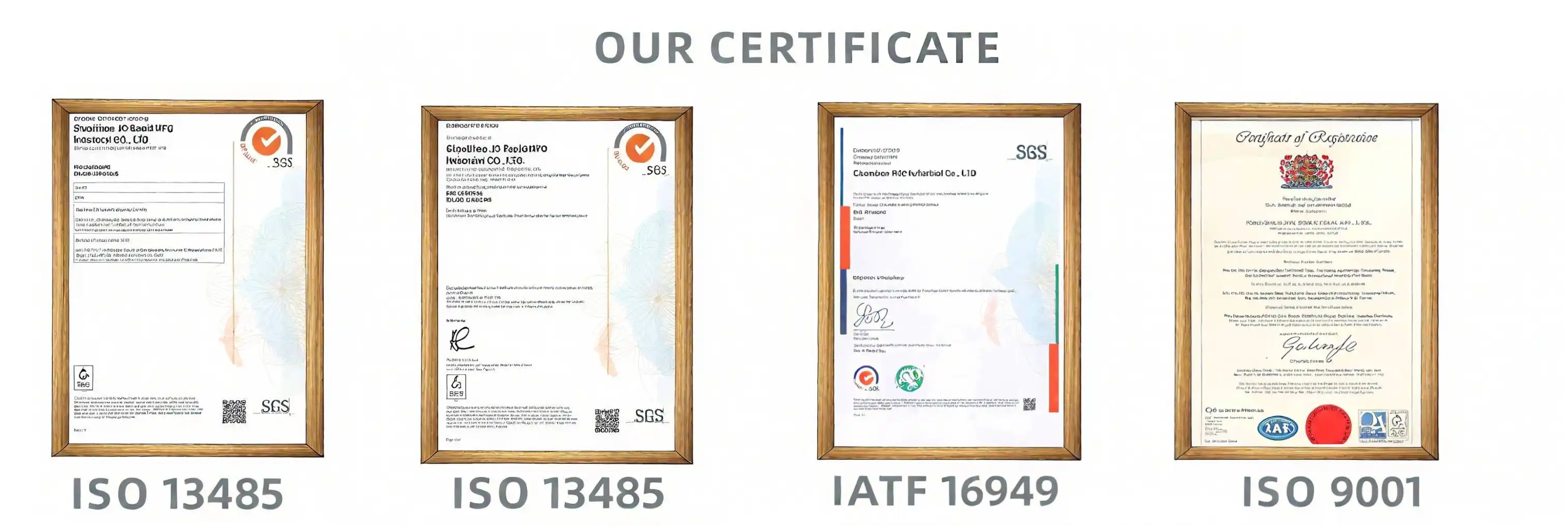
Quality suppliers keep their ISO 9001:2015 certification, which shows that they handle quality in a planned way during the planning, production, and testing stages. RoHS compliance limits dangerous materials like lead and mercury in valve parts to make sure they meet environmental safety standards. When a product has the CE stamp, it means that it meets European standards for health, safety, and environmental protection. This is required for goods to be sold in the EU. When looking at different sources, make sure to check if they can test their products. Reliable companies test for pressure, flow, and cycle life on whole batches of products, not just samples.
Understanding Pricing Variables and Bulk Purchasing Advantages
The unit price is based on the type of material, how hard it is to make, the number of orders, and the licensing standards. In small numbers, simple two-way brass valves can cost between $15 and $30 each. On the other hand, precision-machined stainless steel systems with special coatings can cost between $80 and $200 each. When you buy more than 1000 units, you usually get a volume price that starts at 100 units and goes up to 25–35%. Long-term supply deals lock in good prices and make sure you have enough inventory to meet your production plans without having too much on hand.
Trusted Brand Overview and Supplier Partnerships
Emerson's ASCO was the first company to use solenoid valves, and the company stays ahead by constantly coming up with new ideas for medical and aircraft uses. Parker Hannifin has help networks all over the world and a wide range of products, including hydraulic, pneumatic, and process control valves. With fast shipping and low prices, SMC Corporation is the leader in pneumatic control parts. Burkert is an expert in making fluid control systems that meet strict cleanroom standards for the pharmaceutical and laboratory businesses. Danfoss works on making plans for cooling and HVAC systems that use less energy.
Besides these well-known names, there are also specialized makers like Junsion that offer custom OEM solutions that are perfectly tailored to each application's needs. We are experts at making precise hardware for robots, cars, medical devices, aerospace systems, AI-powered platforms, home products, and automation equipment. We've sent parts to more than 20 countries, building relationships based on quick responses, quality control, and strict adherence to international standards. Our engineering team improves valve designs so they can be made easily. This makes sure that your unique parts can be made quickly without lowering their performance standards.
Maintenance, Troubleshooting, and Best Practices for Longevity
Establishing Effective Maintenance Schedules
Using regular repair plans can make valves last longer and stop them from breaking down without warning. Check valve parts every three months for heavy-duty systems and once a year for moderate-duty ones. As part of the inspection, you should look for external corrosion, make sure that the electrical connections are still tight and dry, listen for strange operating sounds, and keep an eye on the regularity of the response time. Valves and coil housings should be kept clean so that dust doesn't build up and stop heat from escaping. Many failures are caused by contaminated coils getting too hot because airflow is stopped, not by problems with the parts themselves.
How often seals need to be replaced depends on the type of fluid and how often it cycles. Aggressive chemicals speed up the breakdown of elastomers, which means they need to be replaced every 18 to 24 months. If you use neutral fluids in low-cycle situations, the seal may last longer than five years. Keep extra coil parts and seal kits on hand to cut down on downtime during planned repair. By keeping track of maintenance tasks, trends can be found that can help with future purchases and making sure that replacement schedules are best based on real performance data instead of maker suggestions.
Troubleshooting Common Operational Issues
If the valves don't work, use a multimeter to make sure that the electrical source voltage matches the coil's specs. Drops in voltage that are more than 10% below the rated values stop the magnetic field from being generated properly. Check the wires for broken insulation, loose connections, or corroded ends that make the circuit more resistant. If the voltage is right but the valves still won't work, the coil is probably burned out. Check the coil's resistance against the manufacturer's specs, which are usually between 10 and 500 ohms based on the design.
When valves leak during closed cycles, it means that the seal is breaking down or that something is stuck in the sealing surfaces. To keep from spreading more germs, disassembling valves should only be done in clean areas. Check the sealing areas for cutting or pitting that could make the sealing less effective. Instead of trying fixes that only work temporarily, replace both the seals and the metal solenoid valve that are broken. Slow reaction times could mean that orifices are partly clogged or that the return springs are weak. Take the machine apart, clean the inside, and replace any springs that are permanently deformed.
Environmental Factors and Operational Protocols
The installation setting has a big effect on how long a valve lasts. Weatherproof enclosures that keep moisture out while letting heat escape are used to protect outdoor equipment from direct weather contact. If you don't have vibration-dampening mounts that keep parts from being damaged by waves, don't put valves in places where there is a lot of vibration. Ambient temperatures that are even 10-15°F higher than the coil's rate drastically shorten its useful life. To make sure it lasts as long as possible, make sure there is enough air flow or choose high-temperature coil designs for hot places.
Instead of applying full pressure all at once, which puts stress on valve parts, operational routines should include a steady rise in pressure as the system starts up. Use system filtration to get rid of particles that wear out seals and clog orifices too quickly. 10-micron filtration works well for most uses, while 5-micron or smaller filtration is better for sensitive systems. Fluid analysis done on a regular basis can find patterns of contamination before they damage valves. This lets problems be fixed in a way that saves whole systems instead of just repairing valves that have broken.
These maintenance techniques will help you get the most out of your valve purchase and keep it working well. Junsion's design and engineering team makes sure that valve configurations are serviceable by making sure that repair workers can easily get to parts that need to be replaced on a regular basis. Before we ship, we do strict quality checks that include pressure testing, flow verification, and response time validation. This lowers the chance of premature breakdowns and helps you meet your business continuity goals.
Conclusion
When choosing the right electromagnetic valve, you have to weigh the technical specs, material properties, and supplier's skills against your unique operational needs and budget. Valve performance is reliable for the whole time they are supposed to last as long as pressure ratings, temperature limits, fluid compatibility, and electrical features are properly evaluated. When used in difficult situations, metal solenoid valve building is more durable, and choosing the right material between stainless steel grades and aluminum alloys can help with both weight and corrosion resistance. Working with certified suppliers who are dedicated to quality management and quick response times for customer service will set up your purchasing strategy for long-term success in keeping industrial systems running smoothly and reliably.
FAQ
What applications suit metal solenoid valves best?
When longevity and temperature resistance are important, metal electromagnetic valves work best in high-pressure hydraulic systems, steam control, chemical processing, and industrial automation. Applications that use corrosive fluids, cycling a lot, or safety-critical shutdown functions gain a lot from the dependability advantages of metal construction over plastic options.
How does fluid type affect valve selection?
Fluid science decides which body materials and seal compounds are best. Plain 304 stainless steel and NBR seals can handle water and other neutral liquids. Products made from oil need Viton seals. Chemicals that are corrosive need 316 stainless steel and elastomers that are immune to chemicals. Always check to see if the materials are compatible to avoid early failure and safety risks.
What factors influence flow rate capacity?
Flow capacity is based on the valve port width, opening size, and the difference in pressure across the valve. This relationship is measured by the flow coefficient (Cv); higher Cv numbers mean more flow capacity. Choose valves with Cv values that meet the highest system demand while still allowing enough control at the lowest flow rates.
Can these valves handle high-pressure systems?
When properly designed and built, high-quality metal solenoid valves can easily handle pressures above 3000 PSI. Check that the pressure numbers take into account short-term pressure spikes that could be 20–30% higher than normal working pressures. High-quality sealing parts and a reinforced body design make it safe to use in challenging hydraulic and pneumatic systems.
Partner with a Trusted Metal Solenoid Valve Manufacturer
Junsion Precision Hardware makes electromagnetic valves to precise standards that are specifically designed to meet the needs of your system. Our advanced CNC machining lets us make valve parts from 316, 304, 303, and 410 stainless steel with ±0.01mm tolerances. This makes sure that the parts are the right size and work consistently in robotics, medical, aircraft, and intelligent systems applications. We keep our ISO 9001:2015 certification and RoHS compliance up to date, which helps you meet your quality assurance and legal responsibilities. Contact our engineering team at Lock@junsion.com.cn to talk about your needs and get expert advice on the best valve specs. You can also ask for detailed product samples that show how committed we are to making the best precision products.
References
1. Parr, E.A. (2019). Industrial Control Handbook: A Practical Guide to Systems Control Applications. Industrial Press Inc., New York.
2. Stewart, Harry L. (2018). Pneumatics and Hydraulics: A Technician's and Engineer's Guide. McGraw-Hill Education, New York.
3. Skousen, Philip L. (2017). Valve Handbook, Third Edition. McGraw-Hill Education, New York.
4. Zappe, R.W. (2020). Valve Selection Handbook: Engineering Fundamentals for Selecting the Right Valve Design for Every Industrial Flow Application. Elsevier, Amsterdam.
5. Smith, Peter & Zappe, R.W. (2016). Valve and Actuator Technology. CRC Press, Boca Raton.
6. National Fluid Power Association (2021). Industrial Fluid Power Standards: Reference Guide for Valve Selection and Application. NFPA Technical Standards, Milwaukee.