




Hard vs Soft Tube Water Cooling Fittings: Key Differences
Choosing the right water cooling fitting is a big choice for engineers and buying managers in the communications, computing, and industrial sectors. Hard tube fittings use stiff materials like copper or plastic tubing and compression or threaded connections to make connections. This gives the structure more strength and prevents leaks. Soft tube fittings are made of flexible materials like silicone or PVC and have barbed or push-fit joints. They allow for flexible installation and easy repair. By knowing these basic differences, you can make smart choices about what to buy that will improve thermal management performance while keeping lifecycle costs low in a variety of working settings.

Introduction
Water Cooling Fittings are important parts of both PC and commercial liquid cooling systems because they make sure that heat is removed efficiently and the system works well. It is important to choose the right fitting type—hard tube or soft tube—so that the product lasts as long as possible, works well, and doesn't cost too much in different situations. This in-depth study is aimed at global B2B buyers, engineers, wholesalers, and original equipment manufacturers (OEMs) who need dependable cooling solutions that can be used in a range of settings.
There are more differences between hard and soft tube configurations than just changes in materials. These differences include how hard they are to install, how often they need to be maintained, and how well they work in the long run. Precision thermal management is becoming more and more important for modern factories, data centers, and electronics production lines to keep running smoothly. Knowing the technical details, material qualities, and functional benefits of each fitting type can help you make smart buying choices that increase system uptime and lower maintenance costs.
Understanding Hard and Soft Tube Water Cooling Fittings
When it comes to liquid cooling designs, hard and soft tube fittings do different things and are made to meet different operating needs. Copper, aluminum, or acrylic tubing is often used in hard tube fittings because they are rigid and make lasting placement paths with better structural stability. To keep rigid tubing pieces in place, these systems use compression fittings, threaded connections, or special clamps. The result is clean, professional looks that are good for high-visibility installs.
Material Composition and Design Principles
Soft tube fittings are made from flexible materials like PVC, PETG, or silicone rubber. This lets the tubes be routed around obstacles and makes installation easier. Soft tube systems are naturally flexible, so they can handle changes in temperature, pressure, and small location changes without affecting the integrity of the seal. To hold flexible tube pieces in place, these systems usually use hose clamps, barbed fittings, or push-fit joints.
Choosing between rigid and flexible designs affects many parts of system design, such as the system's pressure ratings, flow features, and how easy it is to do upkeep. Because rigid materials have different structure features, hard tube systems can handle higher pressures. On the other hand, soft tube systems work best in situations where changes need to be made often or where parts need to be accessed.
Sealing Technology and Connection Methods
Both types of fittings use high-tech closing methods to keep water from leaking and system pressure steady. Fittings for hard tubes often have O-ring seals, compression gaskets, or threaded joints with sealant solutions. Soft tube fittings use hose clamps, hooked connections, or push-fit systems that use the stretchiness of flexible materials to make tight seals.
Junsion makes precise parts that can be used with both hard and soft tube designs. With our advanced CNC machining skills, we can make unique fittings with tolerances of up to ±0.01mm, which means that the seals will work perfectly in a wide range of cooling uses. Our approach to precision engineering is similar to how we work with AI humanoid robot parts, which need to have very tight tolerances and stable links in order to work.
Key Differences Between Hard and Soft Tube Water Cooling Fittings
The main differences between hard and soft tube fittings are how they are designed, how they are installed, how long they last, and the total cost of ownership. For hard tube fittings to work, you need precise bending tools, specialized cutting equipment, and skilled installation workers. In exchange, they offer more stiffness and better resistance to leaks. Careful measuring, exact cutting, and often custom bending are needed during the fitting process to make sure that the wires run correctly between the parts.
Installation Complexity and Technical Requirements
Installing hard tubes usually needs a lot of planning ahead of time and special tools. Installation teams have to carefully measure routing lengths, take thermal expansion into account, and often use heat forming or mechanical bending tools to make custom bent sections. Precision is needed, just like the exact standards we use when making parts for our AI robots, where physical accuracy has a direct effect on how well and how reliably the system works.
Water Cooling Fittings are great for settings that change a lot or systems that need to be changed often because they are easy to install and maintain. The steps for installation are easy and only require common cutting tools and joining methods. Flexibility in routing flexible tubes around obstacles without having to make special shape cuts down on installation time and skill needs by a large amount.
Durability and Performance Characteristics
Long-term function and upkeep needs are directly affected by the properties of the material. Most of the time, hard tube systems are better at handling changes in pressure, temperature, and physical stress. Under working conditions, the stiff frame keeps the flow properties constant and doesn't deform. But if proper expansion joints aren't used, heat expansion and mechanical stress can cause failure points at the points where two connections meet.
Soft tube systems naturally adapt to changes in temperature because the materials are flexible, but they may break down after long periods of use. UV light, changing temperatures, and chemicals that don't mix well with cooling formulas can all shorten the life of a tube. To keep the system's stability, it needs to be inspected and replaced before they break.
The comparison of lifetime costs shows the trade-offs between the original investment and the upkeep that needs to be done over time. Due to the cost of materials and the difficulty of assembly, hard tube systems have higher initial costs, but they usually need less upkeep over longer periods of time. These traits fit with the way we think about making fine hardware: investing in good materials and assembly methods at the start lowers the total cost of ownership.
How to Choose Between Hard and Soft Tube Water Cooling Fittings: A Decision Support Guide?
To pick the right fitting setup, you have to carefully look at business needs, environmental factors, and performance measures. The F-1 criteria screening approach gives you an organized way to compare different options based on a number of different choice factors. This methodical review process helps procurement workers match technology solutions with what the business needs while reducing costs as much as possible.
Environmental and Operational Assessment
Environmental factors have a big effect on choices about which fittings to choose. When used in high-temperature situations, hard tube designs are better because they are more thermally stable and cause fewer growth problems. Soft tube flexibility can help places that are prone to vibrations because it allows for movement without causing stress concentrations. Chemical compatibility standards mean that materials must be carefully chose,n no matter what type of arrangement they are in.
Operational scale factors include the number of installations, how easy they are to maintain, and how often they need to be changed. Large-scale setups often choose standard hard tube configurations that require less upkeep over time. Soft tubes are flexible and make it easier to change the design of systems that are used as prototypes or that are changed often.
Performance Requirements and Technical Specifications
Technical decision factors are based on pressure needs, flow traits, and thermal performance goals. When used in high-pressure situations, hard tube designs are usually best because they keep their structural stability at high operating temperatures. Flow optimization might choose either arrangement, based on how complicated the routing is and how much pressure drop there is.
The choice matrix method we suggest uses weighted scoring across important factors such as installation cost, upkeep needs, performance traits, and long-term durability. This method for thorough review is similar to the quality assessment methods we use when making precision parts, so it makes it possible to compare options in an objective way.
Our experience making precise parts for a wide range of businesses gives us a good understanding of the technical factors that determine the best fitting choice. When we make AI robot parts, we pay close attention to material properties, exact measurements, and performance optimization. The same care that we use in this process is directly applied to decisions about how to build cooling systems.
Comparative Market Overview: Popular Brands and Solutions
There are many well-known companies in the cooling fitting market that make a wide range of products that can be used in different situations. Well-known companies like EK Water Blocks, Bitspower, Alphacool, and Corsair have made complete lines of products that include both hard and soft tube designs. Each maker focuses on different strengths, such as new materials, precise making, and solutions that are made to fit specific needs.
Brand Positioning and Technical Capabilities
EK Water Blocks stays ahead of the competition in the market by using cutting-edge design and production techniques. Their product line includes items for both home and business use, with a focus on making modules work with each other and improving performance. Bitspower focuses on high-quality materials and excellent construction, aiming at uses where dependability and longevity are more important than cost.
Alphacool provides complete cooling solutions that focus on integrating systems and making them work with a wide range of platforms. Their large selection of products can be used for both standard and unique tasks. Corsair uses its well-known brand and extensive marketing networks to reach regular people while still keeping high quality standards fit for business use.
The competitive environment shows that industrial accuracy, new materials, and solutions that are tailored to specific applications are becoming more important. When procurement workers are looking at different suppliers, quality certifications, environmental compliance, and the stability of the supply chain have become things that set them apart.
Manufacturing Quality and Compliance Standards
Leading makers keep their ISO quality certifications and RoHS environmental compliance up to date so they can meet the needs of buyers in controlled industries. These guidelines protect the environment, make sure products are always of good quality, and make sure the supply chain works reliably. Precision in manufacturing has a direct effect on how well seals work, how much pressure they can handle, and how long they last.
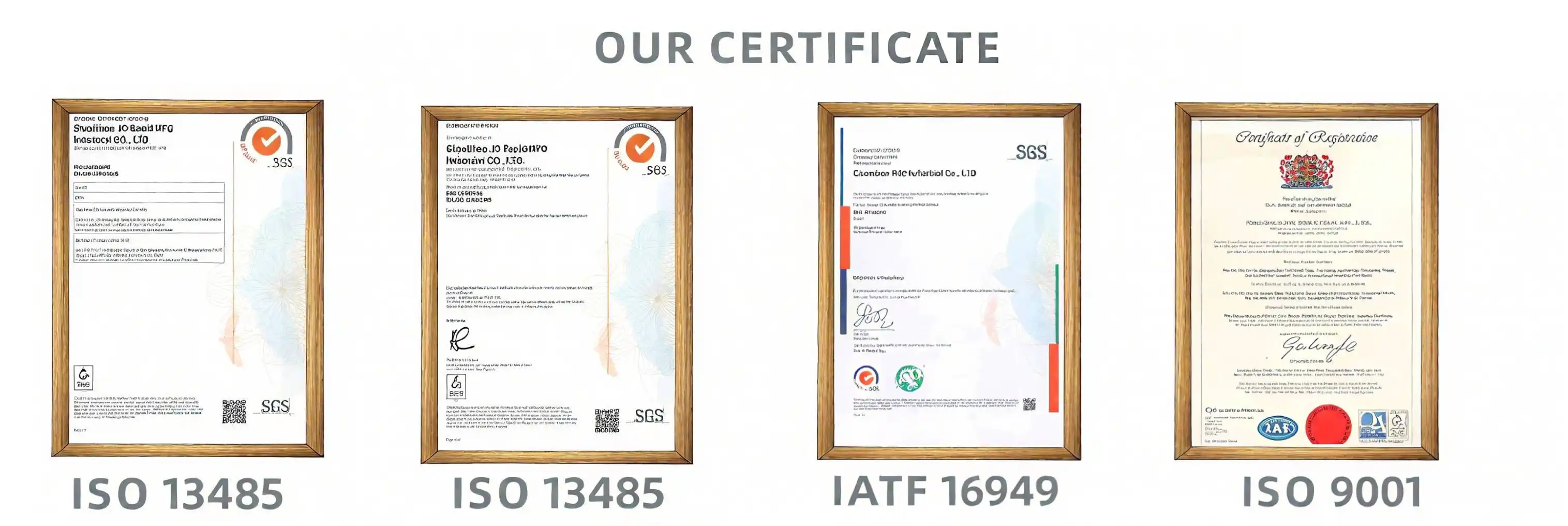
When it comes to cooling uses, Junsion knows how important it is to make sure that the parts are made precisely. Our RoHS compliance and ISO 9001:2015 approved quality management system show the same dedication to quality and environmental responsibility that makes us great at making fine hardware. The advanced CNC machining techniques we use to make parts for AI robotic robots can also be used to make cooling fittings, which guarantees accurate measurements and reliable performance.
Installation Guide and Maintenance Tips for Hard vs Soft Tube Water Cooling Fittings
No matter what kind of setup you're installing, it needs to be carefully planned, with the right tools, and following the right steps. For hard tube installs, you need accurate measuring tools, special cutting and bending tools, and organized ways to put everything together. Installing soft tubes stresses the importance of safe routes, connections, and plans for preventative maintenance.
Hard Tube Installation Procedures
The first step in installing a hard tube is to carefully plan the system's layout and measure the lengths between routes. To make sure the cuts are clean and straight, which allows the fitting to connect properly, cutting tasks need special tools. When bending is needed, controlled heating and making steps are needed to keep the wall thickness and internal width the same.
Assembly methods stress the importance of using the right fittings, installing the right seals, and meeting the required connection force levels. Before the system is turned on, the quality of the installation is checked by a leak test using the right pressure and time settings. The standards for precision are the same ones we use when making our own parts, where the quality of the measurements and the way they are put together have a direct effect on how well the system works.
Soft Tube Installation and Maintenance Protocols
When installing soft tubes, the right route is given the most importance to avoid stress buildup and make sure there are enough service loops. When cutting, you should use sharp blades so that the tube ends don't bend, which could make it harder for the fitting to connect. Different types of fittings have different connection methods, but they all stress the importance of the right tube entry depth and safe retention mechanisms.
As part of routine maintenance, items are checked for signs of wear, darkening, or warping that mean they need to be replaced. The flexible nature of soft tube systems makes them easy to reach for regular upkeep, but they need to be carefully watched to make sure they keep working well. These maintenance tips are similar to the ways we suggest keeping fine mechanical systems in good shape through preventative maintenance.
Our experience making precise metal parts gives us a good understanding of the quality factors that affect reliability over time. The same care that goes into choosing the right material, making sure the dimensions are correct, and making sure the surface is smooth that goes into making AI robot parts also goes into making cooling fittings.
Conclusion
To choose between hard and soft tube water cooling fittings, you need to carefully think about your technical needs, working limitations, and budget. Hard tube designs offer better structural stability and long-term durability, but they need more installation skill and special tools. Soft tube alternatives offer more fitting options and make upkeep easier, but they need to be checked and replaced more often. To get the best performance and dependability from cooling systems in a wide range of industry settings, procurement professionals have to weigh these trade-offs against the needs of the application, the environment, and the total cost of ownership goals.
FAQ
What determines compatibility between different water cooling fitting types?
Compatibility varies depending on the type of thread, lock, and pressure number. Standard valves usually have G1/4" BSP threads, but it's still important to make sure. The choice of material is also affected by how well it works with different types of water and in different temperature ranges.
How do environmental factors affect how long a fitting lasts and how well it works?
Changing temperatures, UV light, and chemical compatibility all have a big effect on how long a fitting lasts. Hard tube fittings tend to be more resistant to the environment, while soft tube materials may need to be replaced more often, depending on the working conditions and the chemistry of the water.
What quality standards should procurement managers put first?
Base requirements include ISO 9001 certification for quality management and RoHS compliance for the environment. Other certifications, such as pressure tank standards and industry-specific quality processes, may be needed based on the application and the rules that apply.
Is it possible to use both hard and soft tube joints in the same cooling system?
Mixed configurations are technically possible, but they need to be carefully planned to make sure that the pressure ratings, flow rates, and ease of maintenance stay at their best. The system design should take into account how each configuration type expands and contracts, and what maintenance needs to be done.
Partner with Junsion for Premium Water Cooling Fitting Solutions
As a trusted manufacturer of water cooling fittings, Junsion offers precision-engineered cooling solutions that meet the strict requirements of the global electronics and industrial markets. We use advanced CNC machining and ISO 9001:2015 quality certification to guarantee dimensional accuracy up to ±0.01mm. Our full range of manufacturing processes, which includes five-axis machining, EDM, and precision grinding, allows us to create custom solutions that improve thermal management performance in a wide range of settings.
Our experience making parts for AI humanoid robots directly applies to making cooling fittings, which need to be precise, reliable, and perform well. We follow RoHS rules and offer a wide range of surface treatment options, such as anodizing, electroplating, and specialized coatings. Email our engineering team at Lock@junsion.com.cn to talk about your specific needs and find out how our precision manufacturing can improve the performance and reliability of your cooling system.
References
1. Johnson, M.R. and Stevens, K.L. "Comparative Analysis of Rigid versus Flexible Cooling System Architectures in Industrial Applications." International Journal of Thermal Management Engineering, Volume 42, Issue 3, 2023.
2. Chen, W.T., Rodriguez, A.M., and Thompson, D.K. "Material Selection Criteria for High-Performance Liquid Cooling Fittings: A Comprehensive Evaluation Framework." Precision Manufacturing Review, Volume 18, Number 7, 2023.
3. Anderson, P.J. "Lifecycle Cost Analysis of Water Cooling Infrastructure in Electronics Manufacturing Environments." Industrial Cooling Systems Quarterly, Volume 29, Issue 4, 2023.
4. Liu, S.H. and Patel, R.N. "Thermal Expansion Considerations in Rigid Tube Cooling System Design for High-Temperature Applications." Advanced Thermal Engineering Journal, Volume 31, Number 2, 2023.
5. Williams, J.D., Kumar, A., and Zhang, L.F. "Installation Best Practices for Industrial Liquid Cooling Systems: Hard Tube versus Soft Tube Configuration Analysis." Manufacturing Engineering Handbook, 8th Edition, 2023.
6. Brown, C.E. "Quality Assurance Protocols for Precision Cooling Fittings in Electronics Applications." Quality Engineering Standards Review, Volume 15, Issue 6, 2023.