




How Do Brass Dowel Pins Improve Assembly Accuracy?
Assembling things is much more accurate when brass dowel pins are used as precise adjustment points. These pins stop completed parts from moving and changing size. These special screws use brass's natural qualities, like being dimensionally stable, resistant to rust, and easy to machine, to keep tight standards and consistent placement in a wide range of industrial settings. The low temperature expansion rate of the material ensures that it works reliably in a range of working conditions, and its long-lasting nature keeps it from breaking down over time, which could affect the accuracy of the assembly.
Understanding Brass Dowel Pins and Their Role in Assembly Accuracy
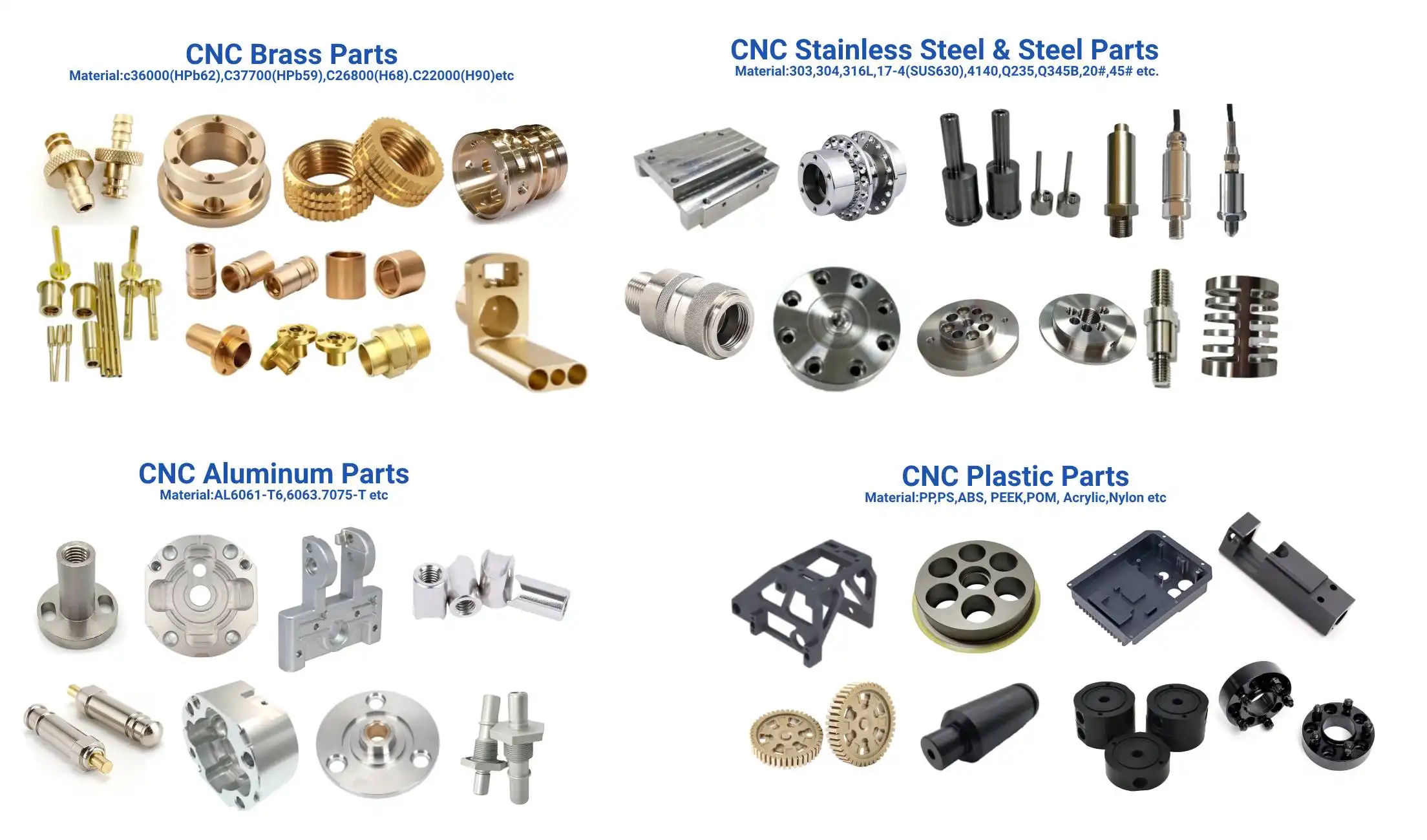
Brass dowel pins represent precision-engineered cylindrical components manufactured from high-quality brass alloys, specifically valued for their exceptional machinability, corrosion resistance, and electrical conductivity. These fundamental material properties position brass as an optimal choice for applications demanding rigorous dimensional control and long-term stability.
Material Properties That Define Performance
Because of how it is made, brass has clear benefits in uses that require precise assembly. Different types of steel don't fight rust as well as brass does, especially in places where chemicals or water are present. This resistance stops changes in dimensions that could make the accuracy of the building less reliable over long periods of time.
Electrical conductivity is another important property that makes brass dowel pins ideal for electronic systems where conductivity paths need to stay clean. The thermal qualities of the material also help keep it stable. For example, brass has known growth properties that keep tolerance needs the same as temperature changes.
Industrial Applications and Versatility
A lot of different businesses use brass dowel pins, such as electronics, automobile, military, furniture making, and precision machinery. In the process of making electronics, these parts make sure that circuit boards and link sections are lined up correctly. For engine parts and transmission systems in cars, where precise alignment has a direct effect on speed and dependability, metal dowel pins are used.
Brass doesn't rust easily, which is especially helpful in marine settings where other materials would break down quickly in saltwater. Brass dowel pins are used in precision machinery to keep moving parts in the right place, and they are also used in furniture making to make sure that high-quality goods have consistent joint alignment.
How Brass Dowel Pins Contribute to Improving Assembly Accuracy
Brass dowel pins function as fixed reference points that prevent movement and misalignment of joined components, serving a critical role in achieving precise assembly alignment. Their effectiveness stems from brass's inherent material properties and the precision manufacturing processes used in their production.
Dimensional Stability Under Operating Conditions
Brass has a low thermal expansion rate, which means that dowel pins stay the same size even when the temperature changes. This stability is very important in places where temperatures change quickly, like car engines or computer parts that get hot while they're working. In contrast to materials that expand more quickly, metal dowel pins stay in place, so they don't gradually drift out of line over time.
Resistance to wear is another important factor in keeping the quality of a system. Brass is very resistant to mechanical wear, but it is still lighter than steel that has been strengthened. Because of this, brass dowel pins can slightly bend to fit matching surfaces while still keeping their structural integrity. This makes setting safe without putting too much stress on the pins.
Real-World Performance Examples
Brass dowel pins work well in high-precision uses, as shown by electronics manufacturing. For electrical links to work and signals to stay strong, circuit board setups need to have all the parts placed exactly where they belong. To keep these important angles during the building process and while they are in use, brass dowel pins are used as reference points.
Applications in precision machinery show how brass dowel pins lower the number of repairs needed and raise the quality of the finished product as a whole. For manufacturing equipment to keep operating within its limits, parts must be placed exactly where they need to be. Misalignment-related problems happen much less often in these systems because they have metal dowel pins built in. This improves production speed and lowers the need for upkeep.
Tolerance Maintenance and Quality Assurance
Brass dowel pins are great at keeping tight tolerances even when operating conditions change. Because the material is stable, the quality of the original building will last as long as the result does. This consistency is especially useful in situations where parts are taken apart and put back together again and again, because the dowel pins continue to give accurate placement references.
Choosing the Right Brass Dowel Pins for Your Assembly Needs
Selecting optimal brass dowel pins requires a comprehensive evaluation of materials, dimensions, and tolerances to match specific application requirements. This selection process directly impacts assembly outcomes and long-term performance reliability.
Material Comparison and Selection Criteria
When compared to other dowel pin materials, brass has clear benefits. While steel dowel pins are stronger, they don't fight rust and can cause problems when paired with metals that aren't the same. Alternatives made of stainless steel don't rust, but they are much more expensive and are harder to work with.
Plastic dowel pins don't rust, but they aren't as stable or strong as brass options when it comes to load-bearing capacity and size. The conductivity of copper is very high, but it is not strong enough for use in difficult situations. When it comes to accurate building, brass dowel pins have the best mix of qualities.
Dimensional Specifications and Tolerance Requirements
Knowing about size charts and accuracy grades helps you make accurate specifications that have a direct effect on how the assembly turns out. Standard tolerance grades include h6, h7, and h8. Tighter tolerances offer better pointing accuracy but cost more. The correct tolerance levels are chosen based on the assembly's accurate needs and the production skills of the parts that fit together.
Junsion's production skills allow for unique sizes with accuracy of ±0.01mm and surface roughness of ≤ Ra0.8μm. These requirements are stricter than normal business limits, which makes them more accurate for important uses. The company's advanced CNC, EDM, turning, and five-axis machining skills make sure that all of their output batches are the same size and shape.
Installation Techniques and Best Practices
Installing brass dowel pins correctly will get the most out of them and make sure they work at their best. For proper alignment, you need the right tools and a methodical way to install them that doesn't damage the pins or the parts that they fit together with. To get the best hold without too much stress, press-fit fittings need to take into account the features of the material and the temperature.
Steps should be included in the installation process to make sure that everything is seated and aligned correctly. Precision measuring is used in measurement methods to make sure that dowel pins are placed exactly where they are supposed to be. These steps of testing are especially important when the correctness of the assembly has a direct effect on the performance or safety of the result.
Procurement Strategies for High-Quality Brass Dowel Pins
Effective procurement strategies for brass dowel pins focus on supplier evaluation, quality certifications, and supply chain optimization to secure components meeting stringent industrial standards. These strategies ensure consistent quality while optimizing cost and delivery performance.
Supplier Evaluation and Quality Assurance
To figure out how trustworthy a provider is, you need to look at their production skills, quality control systems, and certification compliance. RoHS compliance makes sure that safety standards for the environment are met, and ISO 9001:2015 approval shows that quality management methods have been formed. Suppliers should show that their measurements are always correct by using statistical process control and checking their measurements on a regular basis.
Junsion has many types of quality certifications, such as ISO 9001:2015 quality management systems and RoHS compliance for safety around the environment. Regular testing of materials, group reviews, and checks for physical accuracy using high-tech measuring tools are all part of the company's quality control processes. These organized methods make sure that Brass Dowel Pins always meet the standards that have been set.
Inventory Management and Supply Chain Optimization
Understanding how prices work and the benefits of buying in bulk can help you get the most out of your shopping budgets while still making sure you have enough supplies. When you buy more, you usually get a deal, but buying plans have to weigh the cost savings against the costs of keeping stockpiles and the risk of items going out of style. Customization lets providers offer solutions that are made to fit specific needs and may be a better deal than normal store items.
When the buying and engineering teams work together early on, they can make sure that the specs match the needs of the design and the quality assurance goals. This teamwork keeps specifications from having to be changed during production, which would be expensive, and lowers the chance of mistakes happening during assembly because the wrong parts were chosen.
Cost-Benefit Analysis and ROI Considerations
When using strategic buying methods, the total cost of ownership is taken into account instead of just the purchase price. Even though high-quality metal dowel pins cost more, they save money in the long run because they require less work, make assembly faster, and make products more reliable. These gains later on usually make up for the higher costs at the start by making operations run more smoothly.
Eliminating mistakes in production and the need for repair is a big way to save money. Brass Dowel Pins that stay in the right place cut down on production flaws and guarantee claims, which helps businesses make more money and keeps customers happy.
Troubleshooting and Best Practices for Maintaining Assembly Accuracy
Maintaining assembly accuracy with brass dowel pins requires proactive management of common issues and implementation of preventive maintenance practices. Understanding potential failure modes enables early detection and correction before accuracy degradation occurs.
Common Installation and Performance Issues
The most common reason why dowel pins don't work right is that they are the wrong size. When pins are too big, they put too much stress on the parts they're connecting, which could lead to cracks or distortion. Pins that are too small don't provide an accurate setting and may move around during operation.
If you're not careful during installation, you could cause binding conditions that stop the seat from sitting properly and lower the accuracy of the setting. To avoid damage or binding, installation methods must make sure that the parts are lined up perpendicularly and are put in slowly. Over time, efficiency can also be affected by things in the environment, like pollution or rust.
Preventive Maintenance and Inspection Protocols
Dowel pins last longer and stay in place more accurately when they are inspected regularly, paying attention to signs of wear, rust, and changes in size. A visual check can find surface rust or damage to the mechanics that could make the system less effective. Using precise measuring tools to check the dimensions ensures that the wear hasn't gone beyond what is accepted.
Using the right lubrication methods for the job can lower the rate of wear and stop rust from starting. To deal with weather exposure, marine and vehicle uses may need special protective coats or regular repair.
Environmental Considerations and Performance Optimization
Marine, automobile, and technology uses have harsh working conditions that need specific methods to keep them running at their best. Changing temperatures, vibrations, and chemical contact can speed up wear or change the size of parts in ways that make positioning less accurate.
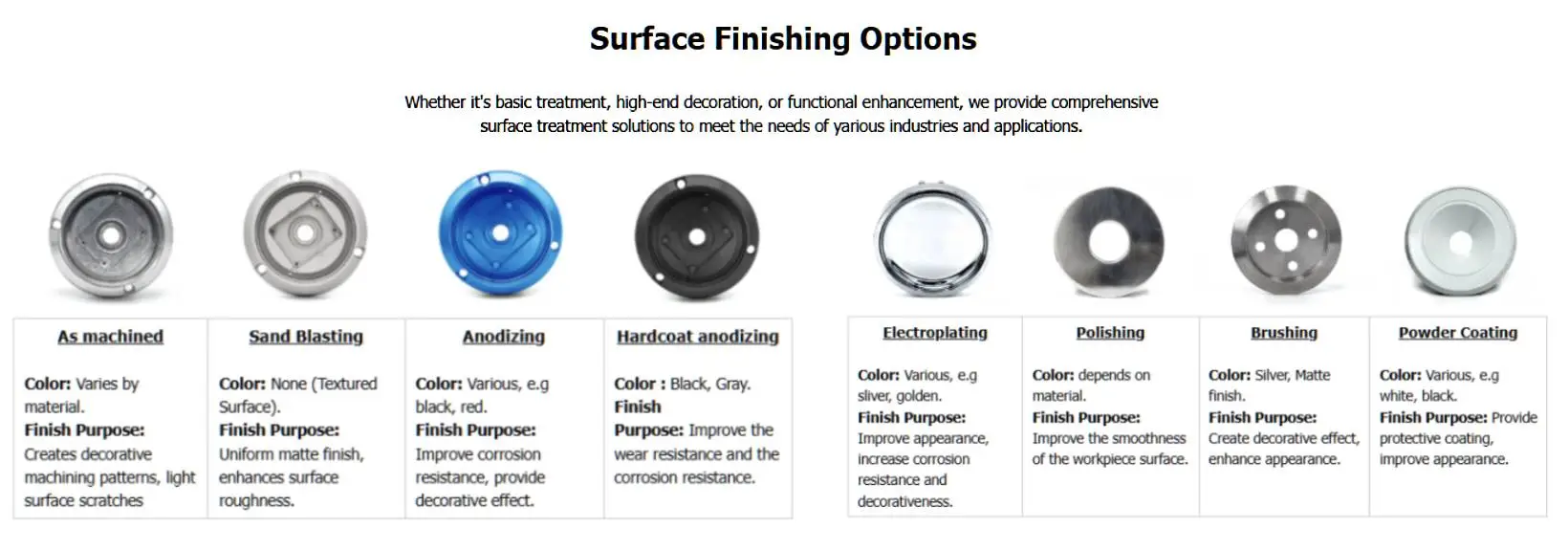
Junsion's surface treatment options, which include plating, polishing, anodizing, and special coatings, make products safer for harsh settings. These processes make the parts last longer while keeping the precise measurements needed for precision builds.
Conclusion
Brass Dowel Pins are very accurate when it comes to assembly because they have a unique mix of mechanical qualities, rust resistance, and stable dimensions. In many different types of industries, from electronics and cars to military and precision machinery, these precise parts are used as reliable reference points to keep alignments accurate. When you choose the right brass and install it correctly, you can make big changes to the quality of your assembly while also lowering the amount of work that needs to be done and the costs of running your business.
FAQ
What makes brass dowel pins superior to steel alternatives for assembly accuracy?
Brass dowel pins offer superior corrosion resistance compared to steel alternatives, preventing dimensional changes that could compromise assembly accuracy over time. The material's lower thermal expansion coefficient maintains positioning stability across temperature variations, while excellent machinability enables tighter manufacturing tolerances.
How do I determine the correct size and tolerance for my application?
Selecting an appropriate size and tolerance requires evaluation of mating component tolerances and assembly accuracy requirements. Tighter tolerances, such as h6, provide enhanced positioning accuracy but require compatible manufacturing capabilities in mating parts. Junsion's engineering team can assist with tolerance selection based on specific application requirements.
Can brass dowel pins withstand high-temperature environments?
Brass dowel pins perform reliably in moderate temperature applications but may require evaluation for extreme temperature conditions. The material's thermal properties remain stable within typical industrial temperature ranges, making them suitable for automotive and electronic applications where moderate heating occurs.
Partner with Junsion for Precision Brass Dowel Pin Solutions
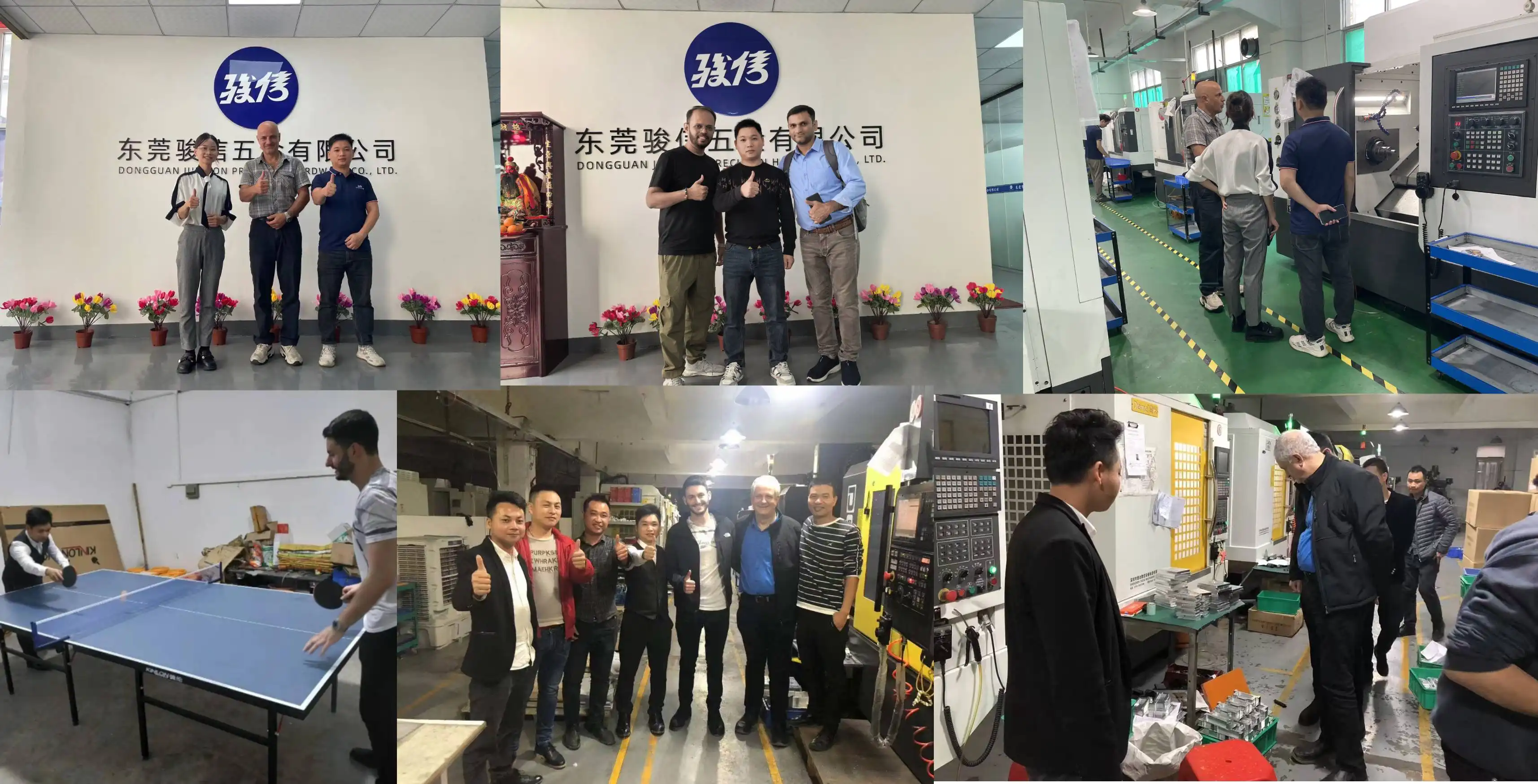
Junsion combines advanced manufacturing capabilities with comprehensive quality assurance to deliver Brass Dowel Pins that meet the most demanding accuracy requirements. Our ISO 9001:2015 certified facility utilizes CNC, EDM, turning, and five-axis machining to achieve tolerances of ± 0.01mm with surface roughness ≤ Ra0.8μm. Whether you need standard dimensions or customized solutions for automation equipment, medical devices, aerospace applications, or AI intelligent systems, our experienced team provides rapid response and reliable delivery. Contact us at Lock@junsion.com.cn to discuss your brass dowel pins supplier requirements and discover how our precision components can enhance your assembly accuracy.
References
1." Precision Fasteners in Manufacturing: Material Selection and Performance Analysis" - Journal of Manufacturing Engineering, 2023
2." Brass Alloys for Precision Components: Properties and Applications" - Materials Science and Technology Review, 2022
3." Assembly Accuracy in Electronics Manufacturing: Component Selection Strategies" - IEEE Manufacturing Technology, 2023
4." Dowel Pin Performance in Automotive Applications: A Comparative Study" - Automotive Engineering International, 2022
5." Corrosion Resistance of Brass Components in Marine Environments" - Marine Technology Journal, 2023
6." Thermal Stability and Dimensional Control in Precision Assemblies" - Precision Engineering Quarterly, 2022