




Looking for Reliable CNC Processing Parts Manufacturer?
Procurement managers have to find providers that can offer accuracy, quality, and stability when they are looking for a trusted CNC processing parts maker. Making CNC Processing Parts takes cutting-edge technology, a lot of skill, and strict quality control systems. The right maker should be able to do a lot of different things, such as multi-axis cutting, tight accuracy control, and a wide range of material choices. We at Dongguan Junsion Precision Hardware Co., Ltd. know what these needs are and have built our name on providing high-quality precision hardware parts that meet the strict requirements of the transportation, communications, consumer goods, and electronics industries around the world.
Understanding CNC Processing Parts: Essentials for B2B Buyers
Precision cutting is an important part of modern industry. Computer-controlled systems make it possible to make very complex parts very accurately. Procurement workers who need to make smart choices about where to get things need to understand the basic features of these manufacturing processes.
Core Machining Technologies and Methods
CNC machining is a group of different manufacturing methods that use computers to move cutting tools and other machines. Milling and turning are the main ways. Milling uses moving tools to remove material and make complex shapes, and turning shapes cylinders on spinning workpieces. Drilling operations make exact holes and gaps, while grinding operations get better surface finishes and more accurate measurements.
Modern CNC machines have consistency levels that make sure the quality of each production run is the same. Because they can keep limits as small as ±0.01mm, these tools can be used for tasks that need to be very precise. Because these steps are managed by computers, mistakes made by people can't happen, and complicated shapes can be made that would be hard to make by hand.
Material Selection and Properties
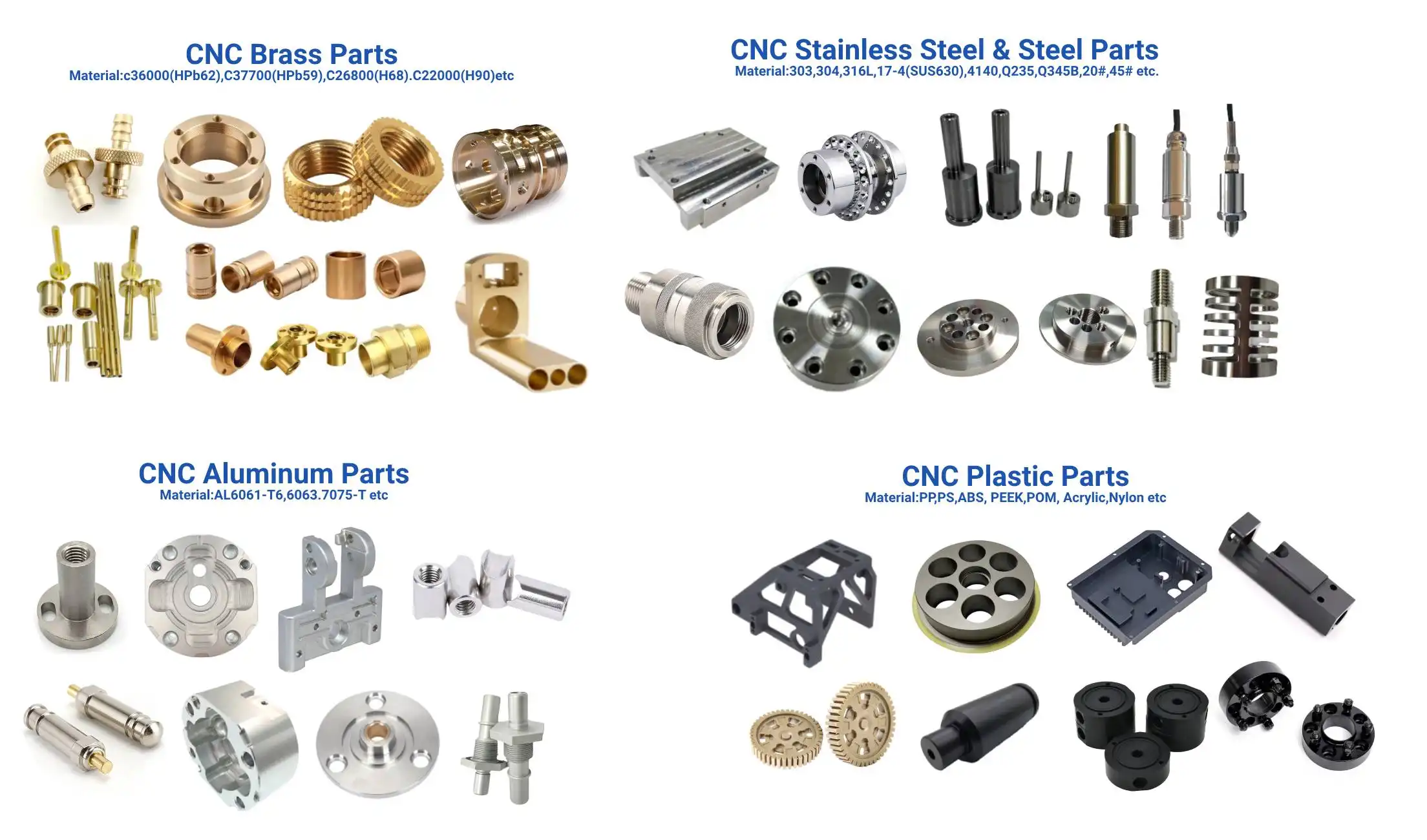
The choice of material has a big effect on how well and how long made parts last. Because they are strong for their weight and don't rust, aluminum alloys are often used in aircraft and automobile applications. Stainless steel is stronger and more resistant to chemicals than other metals, making it ideal for harsh industrial settings. In high-temperature situations where weight reduction is still important, titanium performs very well.
Engineering plastics and alloys, along with metals, give designers more options. To get the best results, these materials often need special cutting tools and settings. Knowing the qualities of a material helps users make the right choices based on cost, technical needs, and weather conditions.
Industry Standards and Tolerance Requirements
Standards for manufacturing, like ISO 9001, and approvals specific to the industry, like RoHS compliance, make sure that parts meet quality and environmental standards. These standards protect buyers from getting low-quality goods by setting rules for quality management systems, tracking materials, and process control.
Tolerance standards tell you what kinds of differences in size are okay in finished parts. The right choice of tolerances strikes a balance between the needs of function and the costs of production. Tolerances that are too tight can make production take longer and cost more without actually improving performance. Tolerances that are too loose, on the other hand, can make usefulness and assembly compatibility worse.
Comparing Manufacturing Methods for CNC Processing Parts
The choice of manufacturing method has a direct effect on the quality, cost, and wait time of the product. When procurement teams know the pros and cons of each method, they can make smart buying choices that meet the needs of the project and the company's goals.
CNC Machining versus Injection Molding
CNC cutting is great for making parts with complicated shapes and tight tolerances in small to medium quantities. This method of making things takes away stuff from solid stock, making sure that the mechanical qualities and surface finish are very good. CNC systems are great for testing and unique uses because they are flexible enough to let you change the design without having to buy new tools.
Injection molding is good for making a lot of plastic parts at once, but it costs a lot to buy the tools needed for it. This method is cheap for making a lot of them, but it's not very flexible when it comes to design changes, and it can't get the exact measurements that precision cutting can. The only materials that can be used are flexible and thermoset plastics.
CNC Machining compared to 3D Printing
Rapid development and internal shapes that are too complicated to machine are made possible by additive production technologies like 3D printing. However, CNC processing parts production usually produces parts with better mechanical strength and surface finish quality than printed parts. Layer bonding in 3D printed parts can leave weak spots that make the structure less strong when it's under stress.
Because they are made from uniform stock material, CNC-cut parts have stable material qualities throughout their structure. For safety-critical uses in the aircraft, medical, and automobile industries, where a broken part could have bad results, this trait is very important.
Manual Machining Limitations
With traditional hand cutting, the results depend on the skill and knowledge of the person doing the work. For simple, low-volume parts, human methods might be cheaper, but they aren't as fast, accurate, or consistent as computer-controlled systems. Inconsistencies in quality and refusal rates are caused by human tiredness and differences in method.
Most modern CNC systems work nonstop with little oversight, so the quality stays the same over long production runs. Automated tool changes and the ability to measure while the process is going on increase output even more while lowering the need for workers.
How to Choose the Right CNC Processing Parts Manufacturer for Your Business
To find the right industrial partner, you need to carefully look at their professional skills, quality processes, and business practices. When you find the right source, they become an extension of your business and help you make great products.
Technical Capabilities Assessment
When you look at cutting skills, you have to look at things like machine specs, tool choices, and measurement methods. Modern makers use multi-axis machining centers that can make complicated shapes in just one setting. This cuts down on the time needed for handling and improves precision. Tool management systems keep the quality of the surface finish high and make sure that the cutting conditions are perfect. They also extend the life of the tools.
A manufacturer's ability to meet standards for physical accuracy and surface finish is directly affected by its quality testing tools. Coordinate measuring tools (CMMs), optical comparators, and surface roughness tests can all be used to check the quality of a part in a scientific way. Traceability to national standards is made possible by regularly calibrating measuring tools.
Certifications and Quality Management Systems
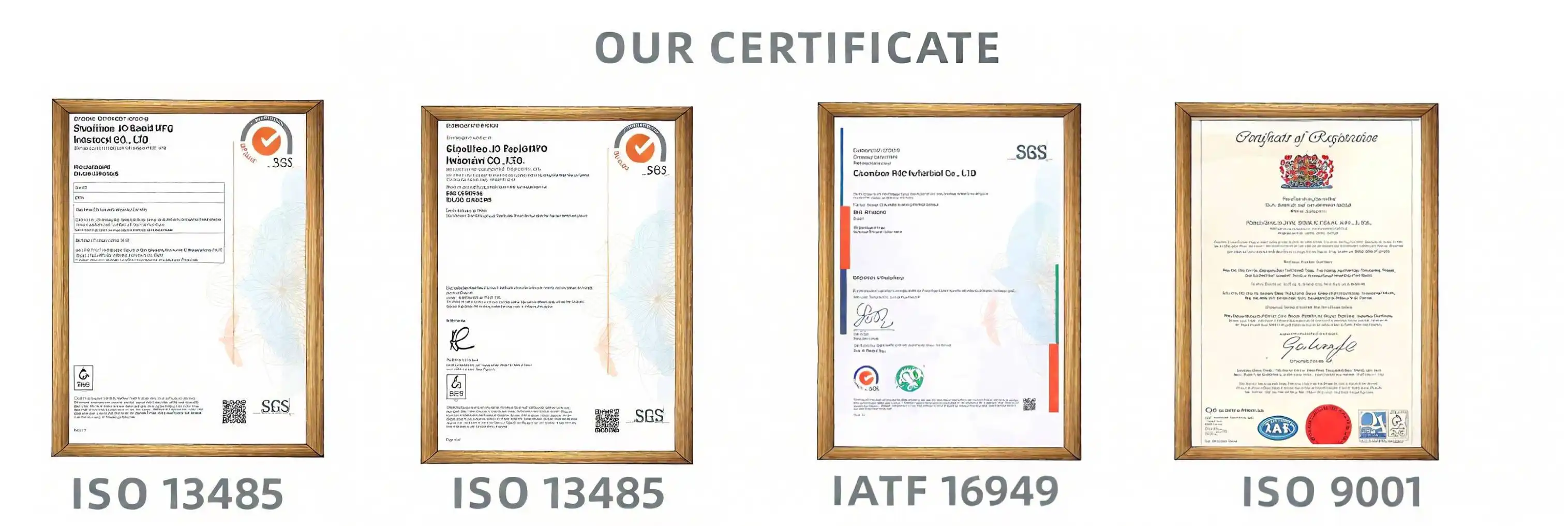
Getting ISO 9001:2015 approval shows that a company cares about quality management concepts like putting the customer first, improving processes, and making decisions based on facts. To keep this license, there must be regular checks and activities for ongoing growth. These activities help customers by improving the quality of the products and how well they are delivered.
Certifications that are specific to an industry, like RoHS approval, make sure that goods follow safety and environmental rules. As regulations get tighter, these certificates become more and more important for global supply lines. Customers are less likely to have problems with safety when manufacturers keep their certifications up to date.
Experience and Industry Knowledge
Manufacturing knowledge in certain businesses can help you understand application needs, choose the right materials, and make the best designs. Suppliers who have worked with aircraft know how important it is to be able to track materials and keep records of the whole process. Automotive providers know that they need to be able to use statistical process control and supply goods just in time.
Junsion has worked with clients in the transportation, communications, consumer goods, and technology industries, so we know how to meet a wide range of application needs. Our goods are sold in more than 20 countries, which shows that we can meet quality and shipping standards around the world.
Advantages of Partnering with a Trusted CNC Processing Parts Supplier
Establishing strategic partnerships with reliable suppliers creates competitive advantages that extend beyond simple cost savings. These relationships contribute to product development acceleration, quality improvement, and supply chain optimization.
Quality Enhancement Through Process Optimization
Suppliers with a lot of experience in CNC processing parts bring technical knowledge that makes it easier to build and make products. Their understanding of the qualities of materials, the settings for cutting, and surface processes helps improve the performance of parts while lowering the costs of making them. Design for manufacturability (DFM) reviews find problems before they happen in production, which saves money by avoiding delays and redesigns.
The quality of the parts is always the same across production runs thanks to strict quality control procedures. Statistical process control methods keep an eye on important dimensions and surface finish factors, which allows process changes to be found early on. This proactive method keeps customers from getting faulty parts while still meeting tight tolerance standards.
Cost Efficiency and Competitive Pricing
Suppliers that have been around for a while can offer low prices without lowering the standard of their goods. Customers save money because of their quick processes, well-designed tools, and shorter setup times. When you can make a lot of something, you can get savings on the price while still keeping the same quality standards.
Buyers can better understand cost patterns and find ways to save money when the quote process is clear. Value engineering services look at different design options that use less material or take less time to machine without affecting how well the product works. Costs are often cut by a large amount when people work together.
Supply Chain Reliability and Responsive Service
Reliable wait times make it easier to plan production and keep track of supplies. Established sellers keep enough extra capacity on hand to handle rush orders and keep their shipping promises. Their connections in the supply chain make sure that materials are always available, even when the market is short.
Quickly solving problems and answering technical questions is what responsive customer service does. Dedicated project management makes sure that everyone can talk to each other clearly during the whole manufacturing process. Technical help and guarantee coverage are examples of after-sales care that save customers' interests.
Practical Tips for CNC Processing Part Design and Procurement
Optimizing component design and procurement practices significantly impacts manufacturing costs, quality, and delivery times. Understanding key design principles and procurement strategies helps buyers achieve better outcomes while building stronger supplier relationships.
Design for Manufacturability Principles
Understanding the limits and possibilities of cutting is the first step to effective design improvement. Tool movement is lessened, and surface finish quality is better when deep pockets with high aspect ratios are avoided. When cutting, sharp internal corners take longer and cost more than radiused features that can be made quickly with standard tools.
Access to tools is an important planning factor that affects the cost and ease of production. Features that need long, thin tools make vibrations worse and lower the quality of the surface finish. Adding features that can be used with standard tools cuts costs and raises quality.
Tolerance Management Strategy
Intelligent tolerance definition strikes a balance between the needs of function and the costs of production. Tight tolerances are needed for critical measurements that affect performance or assembly, but standard production tolerances can be used for non-critical features. This careful method keeps costs low while still making sure the product works.
Knowing how tolerance stack-up effects work can help keep assembly problems from happening due to too many accumulated measurement differences. Geometric dimensioning and tolerancing (GD&T) done correctly makes the design purpose clear and gives manufacturers options. Teaching buying teams GD&T principles makes it easier to talk to sellers and cuts down on misunderstandings.
Material Selection Optimization
The choice of material has a big effect on how well a CNC Processing Part works and how much it costs to make. For uses that aren't very important, aluminum metals are very easy to work with and saves weight. Stainless steel is strong and doesn't rust, making it ideal for harsh settings. Titanium performs very well in situations where weight reduction and resistance to rust are important.
Here are the most important things to think about when optimizing materials:
• Mechanical Properties: The tensile strength, yield strength, and wear resistance must meet the needs of the product while also taking safety and weather conditions into account.
• Machinability Rating: Materials with better ratings make it easier to cut and wear down tools more quickly, which lowers production costs and speeds up wait times.
• Cost and Availability: Standard metals and sizes tend to be cheaper and have shorter wait times than rare materials or non-standard shapes and sizes.
• Surface Treatment Compatibility: The surface treatment choices, like anodizing for aluminum or electroplating for steel, depend on the material choice.
These important factors have a direct effect on both performance and the cost of manufacturing, so making the right choice is vital for the project to succeed.
Procurement Process Optimization
Clear blueprint development that gets rid of uncertainty and cuts down on seller questions is the first step in effective buying. Misunderstandings are less likely to happen when models are complete and have the right measurements and tolerances. To make sure that suppliers understand, material specs should use industry standards instead of private names.
Conclusion
To find a trustworthy CNC parts maker, you need to carefully look at their technical skills, quality systems, and how they run their business. Knowing how things are made, how to make designs work better, and the best ways to buy things helps you make smart choices about where to buy things that will help your project succeed. The right production partner gives you more than just parts; they also give you knowledge, dependability, and support that help you stay ahead of the competition.
Dongguan Junsion Precision Hardware Co., Ltd. gives businesses all over the world great results by combining cutting-edge manufacturing technology with service that is focused on the customer. Our wide range of skills, quality licenses, and track record of success in many different industries show that we are dedicated to providing the best precision manufacturing services.
FAQ
Common questions about CNC machining procurement help buyers make informed decisions while avoiding potential pitfalls. Understanding these issues enables more effective supplier communication and project planning.
What factors affect lead times for CNC-machined parts?
Lead times depend on several variables, including order complexity, material availability, and production scheduling. Complex parts requiring multiple setups or specialized tooling need additional time for programming and setup optimization. Material procurement can add significant time, especially for exotic alloys or non-standard sizes.
Quality requirements also influence lead times. Parts requiring extensive inspection or special certifications need additional processing time. Clear communication of requirements during quotation prevents delays and ensures proper planning.
How can I get accurate quotes for custom CNC parts?
Accurate quotations require complete technical information, including detailed drawings, material specifications, and quality requirements. Three-dimensional CAD models help suppliers understand complex geometries and identify potential manufacturing challenges. Surface finish requirements and tolerance specifications significantly impact pricing and should be clearly specified.
Delivery requirements influence manufacturing planning and may affect pricing. Standard lead times typically provide the best value, while expedited delivery may require premium pricing or alternative manufacturing approaches.
Do CNC manufacturers offer prototyping services?
Most precision machining suppliers provide prototyping services to validate designs before full-scale production. Prototype development allows design verification and performance testing while identifying potential manufacturing issues. This approach reduces risks and optimizes designs for production efficiency.
Rapid prototyping capabilities enable accelerated development cycles that support time-to-market objectives. Single-piece or small-batch production validates designs while minimizing investment risks. Successful prototypes transition smoothly to production with established processes and quality parameters.
Partner with Junsion for Your CNC Processing Part Manufacturing Needs
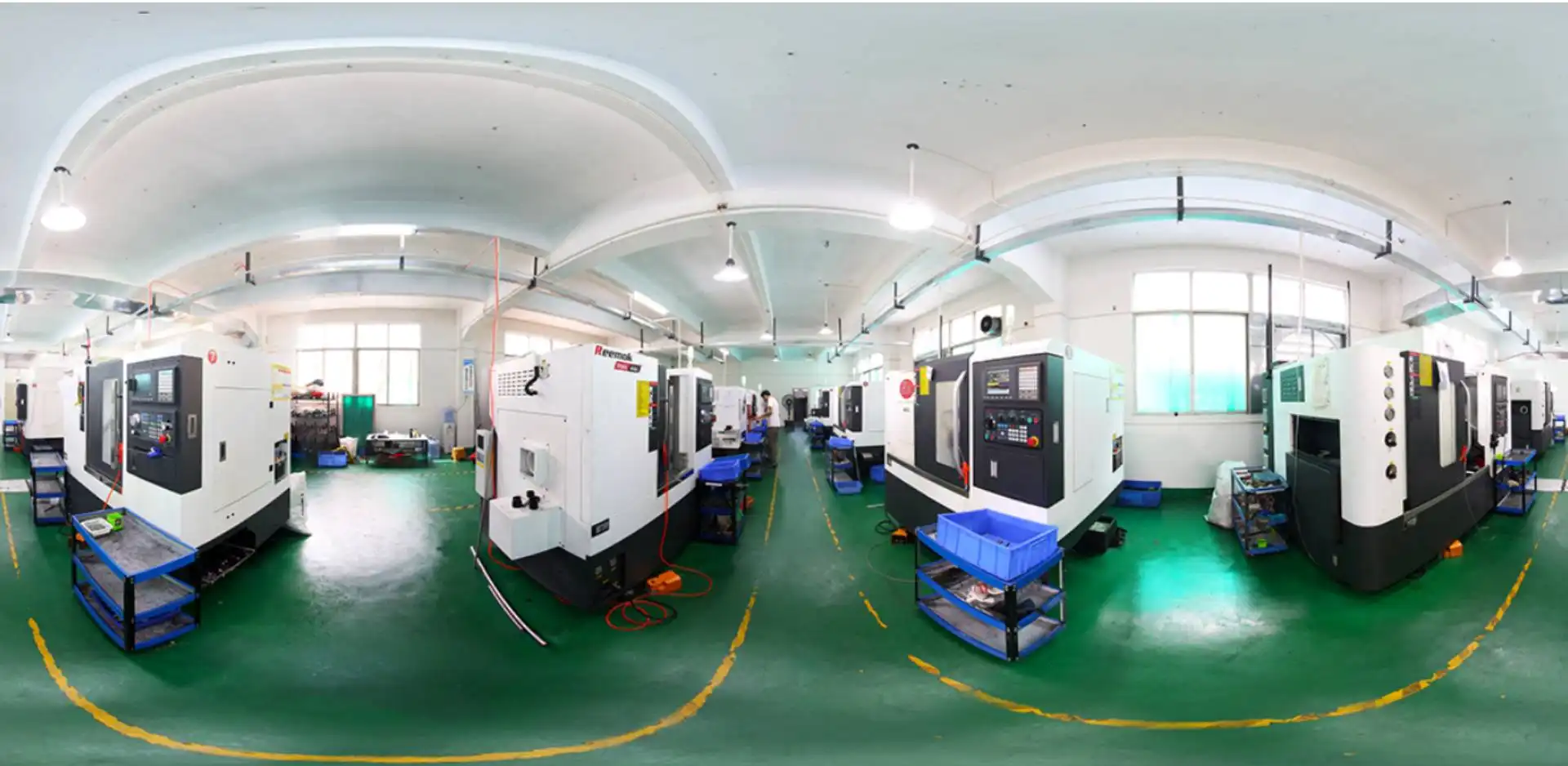
Dongguan Junsion Precision Hardware Co., Ltd. stands ready to become your trusted CNC Processing Part supplier, delivering exceptional precision and reliability for your most demanding applications. Our state-of-the-art facility houses 32 advanced CNC machines operated by skilled technicians who understand the critical requirements of electronics, communications, consumer goods, and logistics industries. With tolerances achievable to ±0.01mm and comprehensive surface treatment capabilities, including anodizing, electroplating, and sandblasting, we provide complete manufacturing solutions from prototyping to full-scale production.
Our ISO 9001:2015 certified quality management system and RoHS compliance ensure that every component meets international standards, while our responsive customer service team provides the fast communication and support that global businesses require. Contact our team today at Lock@junsion.com.cn to discuss your CNC Processing Part manufacturing requirements and discover how our precision capabilities can enhance your product development and production success.
References
1. Smith, J.R., et al. "Advanced CNC Machining Technologies for Precision Manufacturing." Journal of Manufacturing Science and Engineering, vol. 145, no. 3, 2023, pp. 45-62.
2. Chen, L.M. "Quality Management Systems in Precision Machining: ISO Standards and Best Practices." International Manufacturing Review, vol. 28, no. 7, 2023, pp. 112-128.
3. Rodriguez, A.P., and Williams, K.J. "Material Selection Guide for CNC Machined Components in Industrial Applications." Materials Engineering Quarterly, vol. 41, no. 2, 2023, pp. 78-94.
4. Thompson, R.H. "Design for Manufacturability in CNC Machining: Tolerance Optimization and Cost Reduction Strategies." Manufacturing Technology Today, vol. 15, no. 4, 2023, pp. 201-218.
5. Lee, S.K., et al. "Supply Chain Management in Precision Manufacturing: Supplier Selection and Partnership Development." Industrial Engineering Review, vol. 32, no. 6, 2023, pp. 156-172.
6. Mitchell, D.A. "Surface Treatment Technologies for Precision Machined Components: Performance and Application Guide." Surface Engineering Journal, vol. 19, no. 8, 2023, pp. 89-105.