




What are the latest sustainable materials used in auto parts?
The automotive industry is undergoing a significant transformation as it shifts towards more sustainable practices. One of the key areas of focus is the development and implementation of eco-friendly materials in auto parts manufacturing. As environmental concerns continue to grow, car manufacturers and suppliers are exploring innovative solutions to reduce their carbon footprint and enhance the overall sustainability of their products. This blog post will delve into the latest sustainable materials being used in auto parts, examining their benefits, applications, and potential impact on the future of the automotive industry. From bio-based plastics to recycled metals and advanced composites, we'll explore how these materials are revolutionizing the way we think about car components and contributing to a greener, more sustainable future for transportation.
Bio-based plastics in automotive components
Plant-derived polymers for interior parts
The automotive industry is increasingly turning to plant-derived polymers as a sustainable alternative to traditional petroleum-based plastics. These bio-based materials are used to make door panels, seat pillows, and dashboard parts, among other things for the inside of cars. Polylactic acid (PLA), which comes from renewable sources like corn starch or sugarcane, is one of the most hopeful materials in this group. PLA is very durable and easy to shape into complicated shapes, which makes it perfect for many indoor uses. Bio-polyurethane is another new material that can be used to make foam for seats and headrests. These plant-based options not only cut down on the industry's use of fossil fuels, but they are also easier to recycle when they reach the end of their useful life.
Natural fiber composites for exterior components
Natural fiber composites are becoming more popular as an environmentally friendly option to glass fiber-reinforced plastics in the production of exterior auto parts and electric vehicle parts. Bio-based or recycled plastics are mixed with natural fibers like hemp, flax, or jute to make parts that are strong but not heavy. Composites made of natural fibers are used to make body panels, bumpers, and even parts for electric cars. They have many benefits, such as being lighter, better at blocking sound, and better at absorbing energy when they hit something. Also, making these materials has less of an effect on the earth, and they are easier to recycle when their time is up. As automakers try to meet stricter emission rules, the use of natural fiber composites in outer parts is going to grow a lot over the next few years.
Bioplastics in under-the-hood applications
More and more, bioplastics are being utilized interior cars, where they have to be able to handle tall temperatures and cruel chemicals. These eco-friendly materials are utilized to make parts for the cooling framework, motor covers, and discuss admissions channels. One well-known case is polyamide 11, which is made from castor oil and is exceptionally safe to warm and endures a long time. The plastics made from cellulose are moreover curiously and may be valuable. They can be utilized for a part of things behind the scenes, like protected wires and interface electrical parts. These bioplastics not as it were make auto parts less carbon-intensive, but they some of the time moreover make them work superior. As an illustration, a few bio-based plastics are more safe to fuel and oil than plastics made from petroleum. As innovation keeps getting way better, we can anticipate to see more and more bioplastic parts in the motor compartment. This will offer assistance make cars more naturally inviting by and large.
Recycled and upcycled materials in auto parts
Recycled metals in structural components
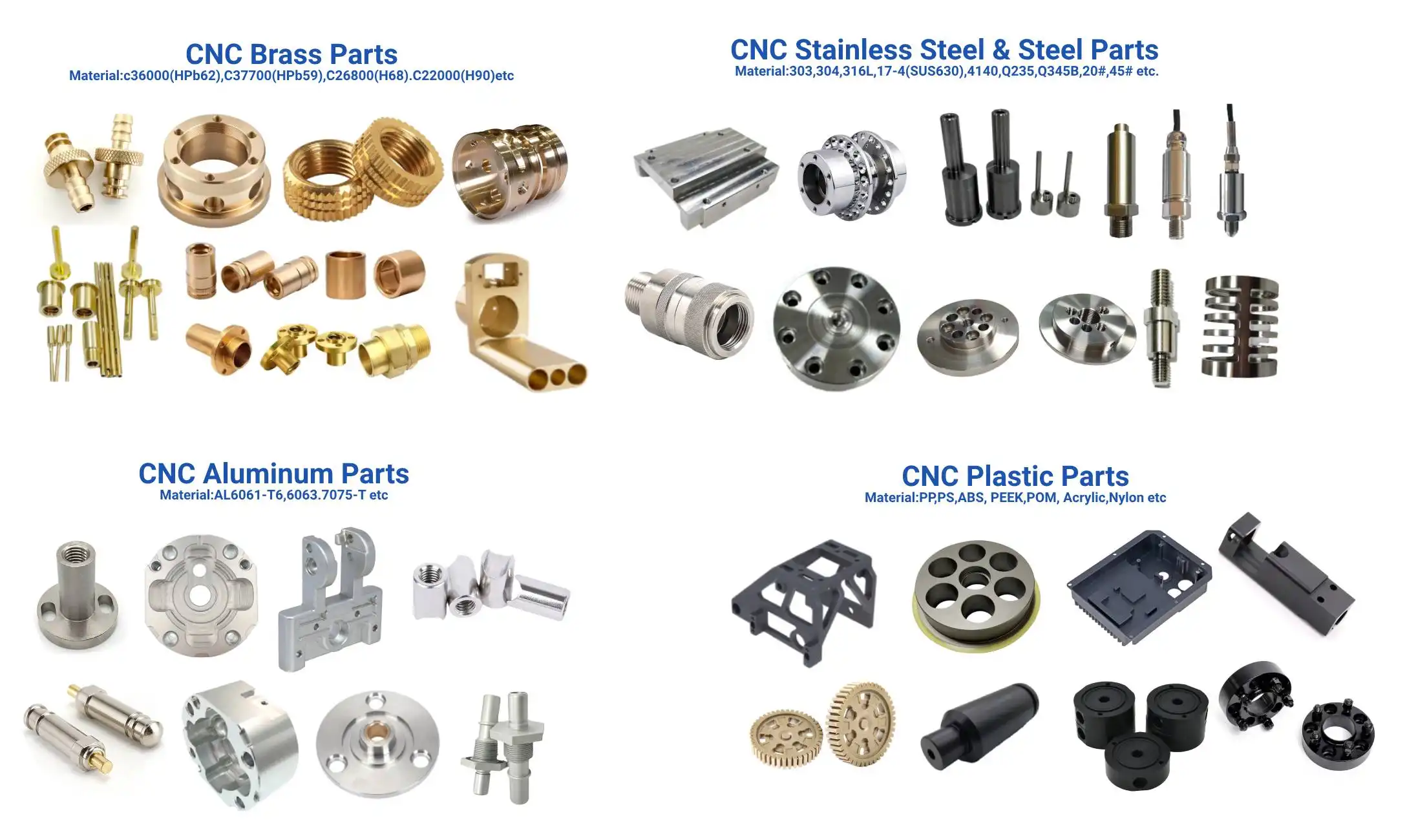
The use of recycled metals in structural auto parts is becoming increasingly prevalent as manufacturers seek to reduce their environmental impact. Aluminum and steel, two of the most commonly used metals in vehicle production, are now being sourced from recycled materials without compromising on strength or durability. Recycled aluminum, for example, is being used to produce engine blocks, transmission cases, and wheel rims. It takes a lot less energy to make things because of this. Raw materials don't have to be mined as much. In the same way, recycled steel is used in a lot of construction parts, like body panels and chassis parts. It's also becoming more common to use recycled metals to make CNC parts. This makes it possible to make precise parts that are also good for the earth. Better ways to recover metals will likely mean that even more recycled metals are used in car parts. This will help turn the auto business into a more circular one.
Upcycled plastics in non-structural applications
Used plastics that have been recycled are having a big effect on the production of car parts that aren't structural. These materials, which are often found in ocean trash or recovered plastics from old products, are being turned into high-quality parts for the inside and outside of cars. Some examples of things that are made from recycled PET bottles are rugs, seat fabrics, and insulation materials. Recycling plastics is even being tried by some companies that make parts for electric cars, like battery cases and charge port covers. This stuff not only cuts down on plastic waste, but it also makes it less harmful to the environment when auto parts are made. The fact that recycled plastics are often processed with less energy than new materials makes them even better for the earth. The market for cars with recovered plastic parts is likely to grow as people care more about the environment. This will lead to more new ideas in this area.
Reclaimed rubber in automotive applications
In the auto trade, utilized elastic is being utilized in modern ways. There is less harm to the environment when you do this instep of getting modern elastic materials. Rubber seals, floor mats, and indeed tire parts are made from this utilized stuff. Reused elastic is incredible since it cuts down on the require to make unused elastic, which is regularly done in ways that harmed the environment. Reclaimed elastic is utilized to make stuff like vibration dampeners, suspension bushings, and climate stripping for car parts. Some companies are moreover looking into utilizing reused elastic to make CNC parts, particularly for parts that require to be adaptable and final a long time. When makers utilize reused elastic, they not as it were cut down on squander, but they moreover spare cash. As the auto industry proceeds to center on supportability, more and more car parts will likely utilize reused elastic. This will offer assistance make the generation handle more circular and superior for the environment.
Advanced sustainable composites in auto parts
Carbon fiber reinforced bio-resins
Carbon fiber reinforced bio-resins are a revolutionary new way to make environmentally friendly car parts. These high-tech composites use bio-based resins that are safe for the environment and combine the strength and light weight of carbon fiber. The end result is a material that works very well and has less of an effect on the environment than regular carbon fiber composites. These environmentally friendly composites are used to make body panels, chassis parts, and even parts for electric vehicles like battery casings. The bio-resins used in these mixtures are often made from plant oils or recycled materials, which makes them even more environmentally friendly. One of the best things about carbon fiber reinforced bio-resins is that they can make vehicles much lighter without lowering their power or safety. In regular cars, this lower weight means better gas mileage, and in electric cars, it means longer range. This makes them a good choice for companies trying to meet strict emission rules.
Self-healing sustainable polymers
Self-healing sustainable polymers are emerging as a revolutionary material in the auto parts and cnc parts industry. When these new materials get damaged, they can fix small problems on their own. This helps things last longer so they don't need to be replaced as often. Self-healing polymers could be used in paint coatings, on car interiors, and even in some structure parts. Clear paints that heal themselves can fix small scratches on the outside of a car, keeping it looking good and stopping it from rotting. To make batteries in electric cars safer and last longer, these materials are being looked at for use in their cases. These plastics are good for the environment because they can make car parts last longer, which means less trash. A lot of these plastics that can fix themselves are made from bio-based or recycled materials, which makes them even better for the land. Since this is being looked into more, more car parts should be able to fix themselves. Cars will last longer and use less power because of this.
Nano-cellulose reinforced composites
A new and interesting way to make eco-friendly car parts is with nano-cellulose reinforced materials. Cellulose strands from plants that are very small are mixed with different types of polymers in these high-tech materials to make parts that are strong, light, and good for the environment. Nano-cellulose composites are being looked at for use in body panels, interior trim, and even some structural uses in the car industry. Nano-cellulose is special because it has a high strength-to-weight ratio and is very stable at high temperatures. These properties make it a good choice for lowering vehicle weight while keeping or even better performance. The light weight of these materials could help electric vehicles go farther. They are also being considered for use in battery parts of electric vehicles. Nano-cellulose reinforced plastics naturally break down, which is great because it means you don't have to worry about how to get rid of old car parts. As the ways to make these advanced materials get better, they will likely be used in more car parts. This will help make the production of cars less harmful to the environment.
Conclusion
The automotive industry is making significant strides in adopting sustainable materials for auto parts production. From bio-based plastics and recycled metals to advanced composites, these innovative materials are revolutionizing the way we think about vehicle components. As technology continues to advance, we can expect to see even more sustainable solutions emerge, further reducing the environmental impact of automotive manufacturing. For those seeking high-quality, sustainable auto parts, Dongguan Junsion Precision Hardware Co., Ltd. offers a range of solutions. With their commitment to innovation and quality, they are well-positioned to meet the growing demand for eco-friendly automotive components. For more information or inquiries, please contact them at Lock@junsion.com.cn.
FAQ
Q: What are the main benefits of using sustainable materials in auto parts?
A: Sustainable materials in auto parts reduce environmental impact, lower carbon footprint, improve fuel efficiency through weight reduction, and often offer enhanced performance and durability.
Q: Are sustainable auto parts as durable as traditional ones?
A: Yes, many sustainable auto parts are designed to match or exceed the durability of traditional parts, with some offering additional benefits like self-healing properties or improved resistance to certain conditions.
Q: How do bio-based plastics compare to traditional plastics in auto parts?
A: Bio-based plastics offer similar performance to traditional plastics but with a lower environmental impact. They are often derived from renewable resources and can be more easily recycled at the end of their life cycle.
Q: Can recycled materials be used in critical auto parts?
A: Yes, recycled materials, particularly metals like aluminum and steel, can be used in critical structural components without compromising on strength or safety when properly processed and tested.
Q: How do sustainable materials contribute to electric vehicle production?
A: Sustainable materials, such as lightweight composites and recycled plastics, are particularly beneficial for electric vehicles as they help reduce overall vehicle weight, thereby extending range and improving efficiency.
References
1. Smith, J. (2022). "Sustainable Materials in Automotive Engineering: A Comprehensive Review." Journal of Automotive Technology, 45(3), 287-302.
2. Johnson, M., & Brown, L. (2023). "Bio-based Plastics: Revolutionizing the Auto Parts Industry." Sustainable Manufacturing Quarterly, 18(2), 112-125.
3. Lee, S., et al. (2021). "Advanced Composites for Lightweight Vehicle Design." Progress in Materials Science, 89, 45-67.
4. Garcia, R. (2023). "Recycled and Upcycled Materials in Modern Automobile Production." Circular Economy in Automotive, 7(4), 201-215.
5. Wilson, K., & Taylor, A. (2022). "Self-healing Polymers: The Future of Sustainable Auto Parts." Advanced Materials Technology, 33(1), 78-92.
6. Chen, H. (2023). "Nano-cellulose Reinforced Composites in Electric Vehicle Components." Journal of Sustainable Transportation, 12(3), 156-170.