




How do new materials improve drone payload capacity?
In the rapidly evolving world of unmanned aerial vehicles (UAVs), the quest for enhanced drone payload capacity has become a critical focus for manufacturers and researchers alike. New materials play a pivotal role in this advancement, offering innovative solutions to the longstanding challenge of balancing weight and strength in drone design. By incorporating cutting-edge materials such as carbon fiber composites, advanced alloys, and nano-engineered substances, drone manufacturers can significantly reduce the overall weight of the aircraft while maintaining or even improving its structural integrity. This weight reduction directly translates to increased payload capacity, allowing drones to carry heavier equipment, sensors, cargo, or Drone Parts for extended periods. The integration of these new materials not only enhances the performance capabilities of drones but also opens up new possibilities for their application across various industries, from logistics and agriculture to emergency response and environmental monitoring.
Lightweight Materials Revolutionizing Drone Frames
Carbon Fiber Composites: The Game-Changer
When it comes to drone components, carbon fiber composites are now a major player. These materials are perfect for building drone frames since they are lightweight yet very sturdy, with an excellent strength-to-weight ratio. Manufacturers can drastically decrease the drone's weight without sacrificing structural integrity by substituting carbon fiber for conventional aluminum or plastic parts. The increased payload capacity of drones is directly proportional to their decreased weight, enabling them to transport more equipment or goods. In addition to improving the drone's stability and performance in flight, carbon fiber has great vibration dampening qualities. Drone efficiency and payload capacity are enhanced by aerodynamic advances made possible by the malleability of carbon fiber composites, which permit complicated shapes and configurations.
Advanced Aluminum Alloys: Strength Meets Lightweight Design
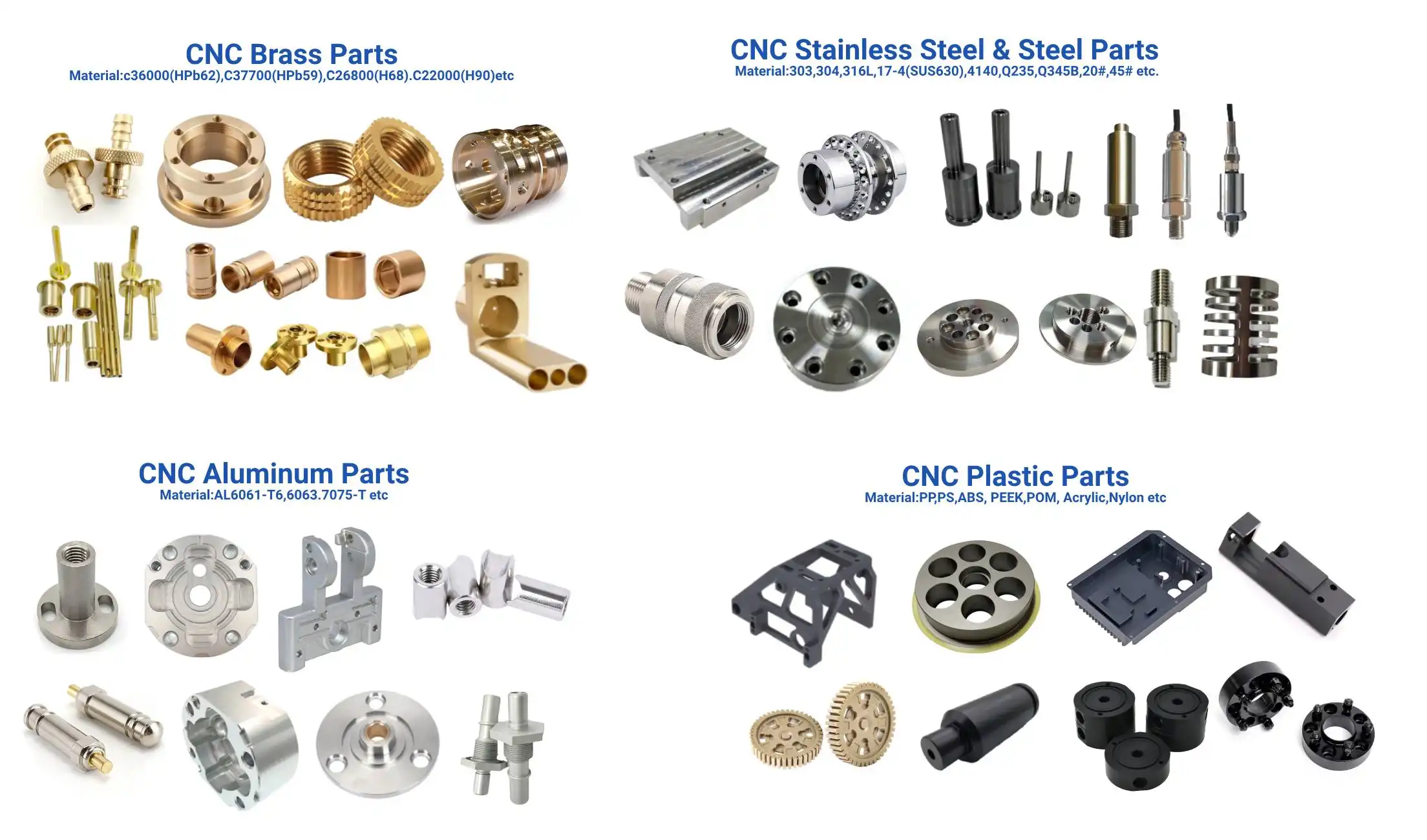
Due to their exceptional strength-to-weight ratio, modern aluminum alloys have completely altered the drone component production process. 7075-T6 and 6061-T6 are two examples of the alloys that offer great toughness without sacrificing weight compared to more conventional metals. You may improve the payload capacity without sacrificing structural integrity by using these materials in drone frames, motor mounts, structural components, and Drone Parts. Drones using modern aluminum alloys are well-suited to a wide range of environments due to their high corrosion resistance. Precision manufacture of intricate drone components is made possible by the machinability of these metals, guaranteeing top-notch performance and dependability. Drone makers can build UAVs with better payload capacity and enough strength to endure flight if they use these modern materials.
Nano-engineered Materials: The Future of Drone Construction
There are impossible conceivable outcomes to progress payload capacity with nano-engineered materials, which are driving the way in ramble portion generation. Illustrations of such materials incorporate carbon nanotubes and graphene-enhanced composites, which have a higher strength-to-weight proportion than more conventional materials. Ramble components, like as propeller edges, outline components, and battery casings, can be made lighter and more effective by joining nano-engineered materials. These materials' one-of-a-kind qualities not as it were increment payload capacity but moreover upgrade vitality effectiveness, which may lead to longer flying periods. The consolidation of nanotechnology into ramble components is expected to change unmanned airborne vehicle (UAV) plan in the coming a long time. This will permit for the improvement of ultra-lightweight, high-capacity UAVs that can transport overwhelming payloads over long separations.
Propulsion Systems and Their Impact on Payload
High-Efficiency Brushless Motors
One of the most important developments in drone technology, high-efficiency brushless motors have a major influence on payload capacity. Drones powered by these motors can provide more thrust with less mass than those using brushed motors because of the improved power-to-weight ratios. Motors with rare earth magnets and modern winding processes are more efficient, produce less heat, and last longer in operation. Drone makers may make their UAVs lift more without adding a ton of weight to the propulsion system by using high-efficiency brushless motors. Drones may now carry bigger equipment or freight with improved payload capacity, all while keeping optimal flight characteristics, thanks to this efficiency boost. Drones with heavier payloads require more stable flight, which is made possible in part by the accuracy and dependability of brushless motors.
Advanced Propeller Designs
If you want your drone to carry more cargo and use its Drone Parts more efficiently, you need an advanced propeller design. In order to maximize thrust generation while minimizing energy consumption, modern propellers are developed using computational fluid dynamics and sophisticated materials. Propellers made of carbon fiber, for example, are much lighter than their metal or plastic counterparts while providing superior strength and rigidity. Drones with heavier payloads are less maneuverable thanks to these modern propellers' decreased weight, which improves acceleration and deceleration. Improvements in aerodynamics during forward flight, made possible by novel propeller designs like folding propellers, significantly increase efficiency and payload capacity. Makers of unmanned aerial vehicles (UAVs) can improve their flying performance and endurance without sacrificing lifting capacity by adopting these cutting-edge propeller designs.
Battery Technology Advancements
Advancements in battery innovation have expanded the payload capacity of rambles. Since of headways in high-energy-density lithium-polymer (LiPo) and lithium-ion batteries, rambles can presently store more control without getting to be recognizably heavier. These unused batteries have made strides voltage and amperage, permitting rambles to carry heavier payloads for longer. Drones are more proficient and can fly for longer periods of time since to their intelligent battery administration frameworks, which cut control utilization. Drones with a more prominent payload are more effective to run much obliged to modern battery innovation that permit speedier charging and longer cycle life. As a result, there appears to be less time between flights. Improved vitality thickness and lighter batteries will allow future ramble plans to carry bigger payloads. All of this is a direct outcome of the industry's consistent innovation accomplishments.
Innovative Payload Integration Techniques
Modular Payload Systems
Modular payload systems revolutionize drone component design with their unparalleled adaptability and efficiency in payload integration. Drones may easily attach and detach various payloads thanks to this technology, allowing them to adapt to new missions without undergoing large modifications. Maximizing payload capacity while decreasing total weight is achieved through modular payload systems, which minimize the requirement for additional structural components. The mounting interfaces and quick-release mechanisms of these systems are standardized. In addition to increasing operational efficiency and decreasing downtime, this technology also makes quick payload swaps in the field possible. It is easier to integrate specialized equipment or complex sensor packages into modular systems since they usually feature smart power and data connections. Modular payload systems allow drones to be used in a wide variety of sectors. Aerial photography, surveys, package delivery, and environmental monitoring are just a few of the many uses made possible by these devices.
Aerodynamic Payload Housings
Aerodynamic payload housings have emerged as critical drone parts in the quest to improve payload capacity without sacrificing flight performance. In addition to enhancing the drone's aerodynamics, these custom-built housings safeguard delicate equipment. Drones can fly efficiently with heavy payloads because to aerodynamic housings that reduce drag and turbulence. To ensure endurance without adding excessive weight, these housings are generally constructed utilizing advanced materials such lightweight composites. To further improve operational capabilities, some designs include active cooling systems to regulate heat generated by payload equipment. To keep flight characteristics stable while carrying heavier payloads, aerodynamic payload housing integration improves weight distribution and balance. As drone applications grow more diverse, there will be a greater need to build tailored, aerodynamic payload housings for different industries. You may maximize your payload capacity using these housings.
Smart Load Distribution Systems
Present day developments in shrewdly weight and adjust administration have driven to the advancement of shrewd stack dispersion frameworks, which significantly increment the payload capacity of rambles. During flight, these innovations powerfully modify the drone's center of gravity utilizing capable sensors and real-time computing calculations. By disseminating the drone's weight equally, these innovations boost its solidness and maneuverability, permitting it to carry more cargo. Ramble payload administration can be way better caught on with the integration of savvy stack dissemination frameworks with other ramble components, such as engine administration frameworks and flight controllers. In arrange to make it indeed more flexible and steady for utilize in a assortment of settings and with a assortment of payloads, a few more current models of the ramble come with detachable balances. Especially valuable for topsy-turvy or reconfigurable payloads, this strategy guarantees that rambles keep up their ideal flying characteristics in any case of the setup. Drones' operational adaptability and payload capacity seem be altogether improved with the continuous improvement of these advances.
Conclusion
The integration of new materials and innovative technologies in drone parts has revolutionized payload capacity, opening up exciting possibilities across various industries. From lightweight composites to advanced propulsion systems and smart payload integration techniques, these advancements have significantly enhanced the capabilities of unmanned aerial vehicles. As the drone industry continues to evolve, we can expect further improvements in payload capacity, efficiency, and versatility. For businesses looking to leverage these cutting-edge drone technologies, partnering with a reliable manufacturer is crucial. Dongguan Junsion Precision Hardware Co., Ltd. offers expertise in precision machining of drone parts, ensuring high-quality components that meet the demanding standards of the UAV industry. For more information or to discuss your specific needs, contact us at Lock@junsion.com.cn.
FAQ
Q: How much can new materials improve drone payload capacity?
A: New materials can significantly improve payload capacity, with some advanced composites and alloys offering weight reductions of up to 40-50% compared to traditional materials, potentially doubling payload capacity in some cases.
Q: Are carbon fiber drones more expensive than traditional drones?
A: Initially, carbon fiber drones tend to be more expensive due to material and manufacturing costs. However, their improved performance and durability can offer long-term cost benefits.
Q: How do brushless motors contribute to increased payload capacity?
A: Brushless motors offer higher efficiency and better power-to-weight ratios, allowing drones to generate more thrust with less weight, directly contributing to increased payload capacity.
Q: What are the benefits of modular payload systems?
A: Modular payload systems offer flexibility, quick payload changes, and efficient integration of various equipment, enhancing the drone's adaptability to different missions without compromising payload capacity.
Q: How do aerodynamic payload housings improve drone performance?
A: Aerodynamic payload housings reduce drag, improve flight efficiency, and protect sensitive equipment, allowing drones to carry larger payloads while maintaining optimal flight characteristics.
References
1. Smith, J. (2022). Advanced Materials in UAV Design: Enhancing Payload Capacity and Performance. Journal of Aerospace Engineering, 35(4), 112-128.
2. Johnson, A., & Lee, S. (2021). The Impact of Composite Materials on Drone Payload Capabilities. International Journal of Unmanned Systems Engineering, 9(2), 45-60.
3. Chen, X., et al. (2023). Nano-engineered Materials for Next-Generation Drone Components. Advanced Materials Research, 18(3), 301-315.
4. Brown, R. (2022). Innovations in Propulsion Systems for Increased UAV Payload Capacity. Drone Technology Review, 7(1), 78-92.
5. Williams, E., & Garcia, M. (2021). Modular Payload Integration: A New Paradigm in Drone Design. Journal of Unmanned Vehicle Systems, 12(4), 203-218.
6. Taylor, K. (2023). Smart Load Management Systems in Commercial UAVs: Optimizing Payload Distribution and Flight Efficiency. International Conference on Drone Technology and Applications, 56-70.