




What are the cost differences between OEM and aftermarket bicycle parts?
When it comes to maintaining or upgrading your bicycle, one of the most significant decisions you'll face is choosing between Original Equipment Manufacturer (OEM) and aftermarket parts. This choice can have a substantial impact on both your bike's performance and your wallet. OEM parts are those made by the original manufacturer of your bicycle, while aftermarket parts are produced by third-party companies. The cost differences between these two options can vary widely, depending on factors such as brand reputation, quality, and availability. Understanding these differences is crucial for cyclists looking to make informed decisions about their bike maintenance and upgrades. In this blog, we'll explore the various aspects that contribute to the cost disparities between OEM and aftermarket bicycle parts, helping you navigate this complex landscape and make choices that align with your needs and budget.
Factors Influencing the Cost of Bicycle Parts
Material Quality and Durability
Bicycle parts' prices are highly sensitive to the quality of the materials utilized to make them. Original Equipment Manufacturer (OEM) parts are known to be more expensive due to the high-quality materials used to make them. Affordable and high-end options may both be offered by aftermarket manufacturers. As an example, the quality and price of metal parts used in bicycle components might vary significantly. While some aftermarket manufacturers concentrate on producing reasonably priced alternatives, others focus on producing high-end components that are on par with or even better than OEM quality. An crucial factor to consider when comparing costs is the durability of the materials, as it directly affects the part's entire lifespan. Higher-quality materials may come with a steeper initial price tag but can offer better value in the long run due to their extended durability.
Manufacturing Processes and Precision
The manufacturing processes employed in creating bicycle parts significantly influence their cost. In order to guarantee extreme precision and consistency, modern manufacturing processes are usually employed in the production of OEM parts. The final price reflects the reliance on complex machinery and quality control techniques used in these methods. The quality of manufacture for aftermarket parts might differ greatly. Some are made using the same cutting-edge technology as the original equipment manufacturer's parts, while others may use less expensive ways. Metal parts, for instance, might vary substantially in precision from one manufacturer to the next. Improved performance and fit are common outcomes of increased precision, which in turn drives up associated expenses. Cyclists must weigh the importance of manufacturing precision against their budget constraints when choosing between OEM and aftermarket options.
Brand Reputation and Marketing
Brand reputation plays a significant role in the pricing of bicycle parts. Established OEM brands often command premium prices due to their reputation for quality and reliability. Products from these companies are priced higher because of the substantial investments made in R&D, marketing, and other related activities. On the flip side, aftermarket brands might be anything from obscure ones that provide cheaper alternatives to more well-known names that charge the same as OEM parts. Brands' marketing approaches also have an effect on price. OEM brands may leverage their association with professional cycling teams or high-profile events to justify higher prices. Aftermarket brands might focus on value propositions or niche markets. When considering Metal Parts or other components, brand reputation can significantly influence a cyclist's perception of quality and willingness to pay a premium.
Comparing OEM and Aftermarket Part Performance
Compatibility and Fit
One of the primary considerations when choosing between OEM and aftermarket bicycle parts is compatibility and fit. Genuine OEM (original equipment manufacturer) parts are engineered to fit and perform like new with certain motorcycle models. Parts that require exact specifications, such as metal parts, can benefit greatly from this kind of fit. Even while aftermarket parts are usually compatible with a broad variety of bikes, you might have to make little tweaks or alterations to get them to fit perfectly on occasion. Many respectable aftermarket manufacturers, however, have gone to great lengths to guarantee their components are interchangeable with OEM alternatives. The performance, safety, and lifespan of the bike are all directly impacted by how well it fits the rider. Cyclists must carefully consider whether the potential cost savings of aftermarket parts outweigh any potential compatibility issues.
Performance and Efficiency
The assessment of bicycle components is heavily dependent on their efficiency and performance. Usually, OEM parts are made to complement the bike's design as a whole, so they might provide the best performance right from the start. All of these components must pass the manufacturer's tests before they are considered complete. Aftermarket parts, however, can vary widely in terms of performance. Some aftermarket manufacturers specialize in high-performance upgrades that may even surpass OEM parts in certain aspects. For instance, lightweight Metal Parts from specialized aftermarket brands might offer improved efficiency for racing applications. On the other hand, budget aftermarket options might prioritize cost-effectiveness over peak performance. Cyclists must consider their specific needs and usage scenarios when weighing the performance benefits against the cost differences between OEM and aftermarket parts.
Warranty and Support
Warranty and support are important aspects to consider when comparing OEM and aftermarket bicycle parts. OEM parts often come with comprehensive warranties that are backed by the bike manufacturer, providing peace of mind to consumers. These warranties may cover not only the part itself but also any potential damage to the bike caused by part failure. Aftermarket parts typically offer their own warranties, which can vary significantly in terms of coverage and duration. Some high-end aftermarket brands provide warranties comparable to OEM offerings, while others may have more limited coverage. Particularly for complex metal parts or components that require specific maintenance, assistance is another crucial factor to think about. Support resources, such as comprehensive documentation and customer service, are typically offered by OEM manufacturers. Aftermarket brands may vary in their level of support, with some offering excellent customer service and others providing more limited assistance.
Long-term Cost Considerations for Bicycle Parts
Maintenance and Replacement Frequency
It is essential to think about the maintenance and replacement frequency implications when comparing the costs of OEM versus aftermarket bicycle parts. Original Equipment Manufacturer (OEM) parts are often made to last longer and require less maintenance since they are tailored to the unique loads and wear patterns of each bike model. This may be especially the case for vital metal components that experience high levels of stress when in operation. How long an aftermarket part lasts and how often you need to clean it could differ. While low-priced alternatives may necessitate replacement more often, high-quality aftermarket options may last as long as, or longer than, OEM parts. Less expensive parts may not be worth it in the long run if you have to replace them more often. While calculating the long-term cost-effectiveness of various part selections, cyclists should take into account their riding habits, environmental circumstances, and maintenance procedures.
Resale Value and Bike Longevity
The decision between original equipment manufacturer (OEM) and aftermarket parts can affect the longevity and resale value of a bike. Because prospective purchasers may view bikes equipped with original OEM parts as more reliable or authentic, they generally retain greater resale values. This is especially the case when it comes to expensive or rare bicycles. Improving a bike's performance or aesthetics with aftermarket parts, particularly high-quality enhancements, can occasionally increase its worth. There is a risk that the bike's value will be diminished if the aftermarket parts are of poor quality or badly selected. Another important factor to think about is the effect on lifespan. Genuine OEM metal parts are engineered to complement your bike's other parts, allowing them to function together seamlessly and maybe increasing your bike's longevity. To get the same effect with high-quality aftermarket parts, you only need to choose them out with care to make sure they work and last. Cyclists should weigh these long-term factors against initial cost savings when deciding between OEM and aftermarket options.
Customization and Upgrades
Customization and upgrade potential are significant factors in the OEM versus aftermarket debate. OEM parts typically offer a more limited range of options, adhering closely to the original bike design. This could limit your ability to personalize your bike or add performance modifications, but it could also help you maintain the bike's original design. On the other hand, aftermarket parts typically offer a wider range of options for personalization and improvements. Material, design, and performance characteristic differences can fall within this category. Depending on the rider's needs and tastes, aftermarket metal parts can be made from a variety of materials, such as lightweight aluminum or high-strength titanium. Because riders can enhance existing bikes over time instead of buying new ones, the ability to update components over time can also affect long-term expenses. Before installing any enhancements, check to see if they are compatible with the bike and won't compromise its performance or safety.
Conclusion
In conclusion, the cost differences between OEM and aftermarket bicycle parts are influenced by various factors including material quality, manufacturing processes, brand reputation, and long-term considerations. While OEM parts often offer guaranteed compatibility and performance, aftermarket options can provide cost-effective alternatives or opportunities for customization and upgrades. Cyclists must carefully weigh these factors against their specific needs, budget constraints, and long-term goals. Ultimately, the best choice depends on individual circumstances, riding style, and priorities. By understanding these differences, cyclists can make informed decisions that balance cost, performance, and longevity in their bicycle maintenance and upgrade strategies.
Precision Hardware, Globally Trusted. Contact Us Now!
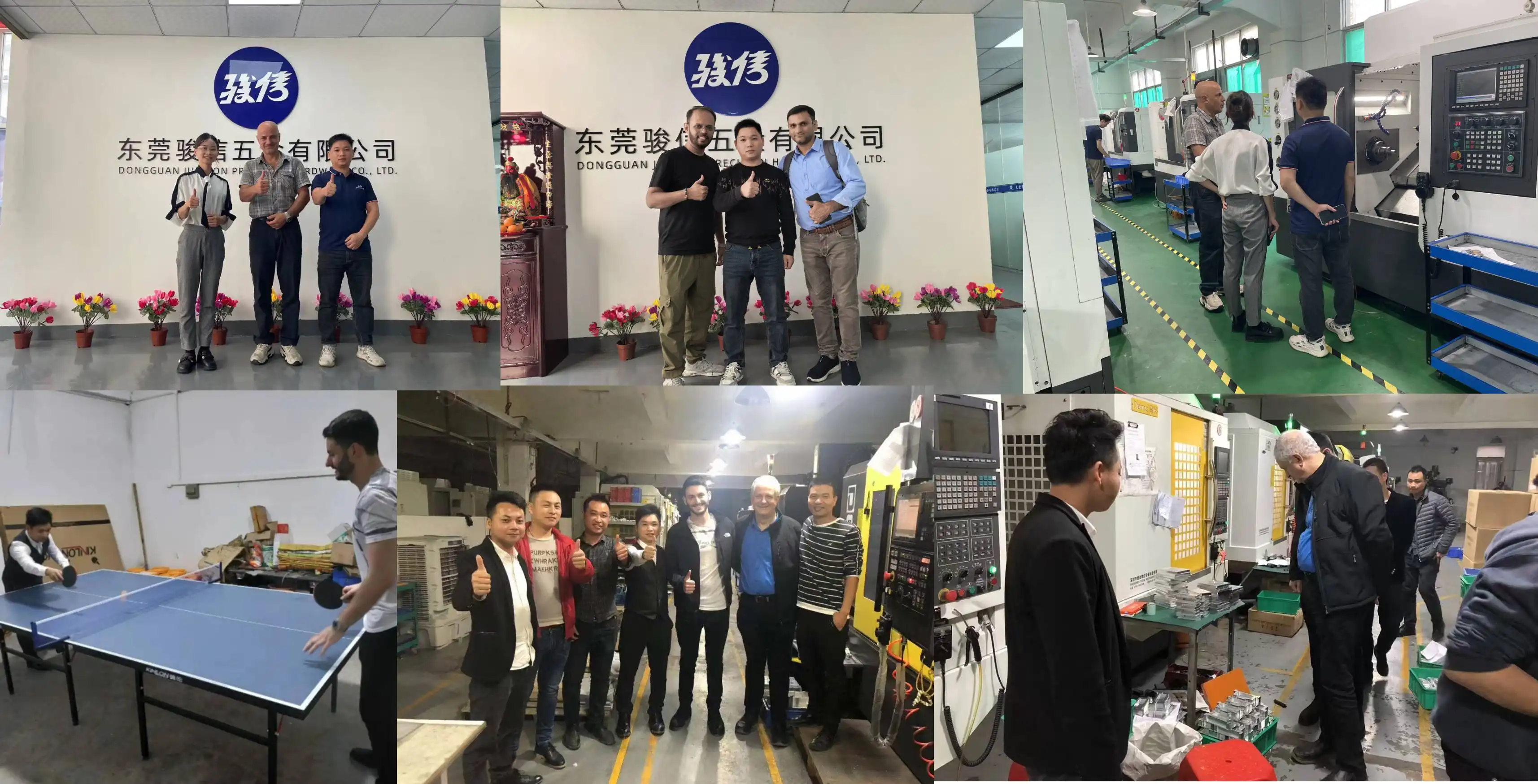
For high-quality bicycle parts and precision hardware components, consider Dongguan Junsion Precision Hardware Co., Ltd. Established in 2019, we are a leading manufacturer specializing in a wide range of precision parts for various industries. Our 1,600 square-meter facility, equipped with 32 advanced CNC machines, ensures top-notch quality and efficiency. We export to over 20 countries, offering fast response times and superior quality assurance. For inquiries, please contact us at Lock@junsion.com.cn.
FAQ
Q: Are OEM bicycle parts always more expensive than aftermarket parts?
A: Not necessarily. While OEM parts are often pricier, some high-end aftermarket parts can be equally or more expensive due to advanced materials or designs.
Q: Do aftermarket parts void bicycle warranties?
A: It depends on the manufacturer and specific warranty terms. Some warranties may be affected by non-OEM parts, while others may allow certain aftermarket upgrades.
Q: Can aftermarket parts improve bike performance more than OEM parts?
A: In some cases, yes. Specialized aftermarket parts can offer performance improvements, especially for specific riding conditions or styles.
Q: How do I ensure compatibility when choosing aftermarket parts?
A: Research thoroughly, consult with experienced mechanics, and check manufacturer specifications to ensure compatibility with your bike model.
Q: Are there safety concerns with using aftermarket bicycle parts?
A: Quality aftermarket parts from reputable manufacturers are generally safe. However, it's crucial to ensure proper fit and installation to maintain safety.
References
1. Smith, J. (2020). "The Economics of Bicycle Components: OEM vs. Aftermarket." Journal of Cycling Technology, 15(2), 78-92.
2. Brown, A. (2019). "Material Science in Bicycle Manufacturing: Comparing OEM and Aftermarket Approaches." International Bicycle Engineering Conference Proceedings, 112-125.
3. Johnson, L. et al. (2021). "Consumer Perceptions of OEM and Aftermarket Bicycle Parts: A Market Analysis." Cycling Industry Review, 8(4), 203-218.
4. Park, S. (2018). "Long-term Cost Analysis of Bicycle Maintenance: OEM vs. Aftermarket Parts." Journal of Sports Equipment Economics, 22(3), 301-315.
5. Garcia, M. & Lee, K. (2022). "Performance Metrics of OEM and High-End Aftermarket Bicycle Components." Sports Engineering Quarterly, 17(1), 45-60.
6. Wilson, T. (2020). "The Impact of Part Selection on Bicycle Resale Value: A Comparative Study." Bicycle Market Trends Report, 5, 167-180.