




How Do Sensor Accessories Improve Measurement Accuracy?
Sensor accessories significantly enhance measurement accuracy by minimising environmental influences, maintaining stable signal transmission, and ensuring proper mechanical alignment. These components—precision mounting brackets, signal conditioners, protective enclosures, and calibration tools—work in concert with primary sensors to reduce errors caused by electromagnetic interference, temperature drift, and vibration. By selecting the appropriate accessories for each industrial application, organisations can achieve consistently accurate readings within very tight error margins while extending equipment service life and meeting stringent quality standards in the medical, aerospace, and automation industries.
Understanding Sensor Accessories and Their Impact on Accuracy
When it comes to current industrial processes, raw sensor data rarely gives the accuracy needed to make important decisions. The performance gap between what the sensor is supposed to do and how it actually works often gets bigger because of differences in how it is installed, external stresses, and signal loss during transfer. When this happens, carefully chosen items are a must.
The Role of Mounting Hardware in Measurement Stability
Fixtures and mounting frames are the building blocks for reliable sensor performance. When something is installed incorrectly, it causes mechanical stress that changes results, especially when used for pressure and strain. When temperatures change, high-precision fastening options made from 316 or 304 stainless steel keep their dimensions stable and keep the line within ±0.01mm. When used with vibration dampeners, these parts keep data lines in high-speed automation equipment and robots from getting messed up by resonance frequencies.
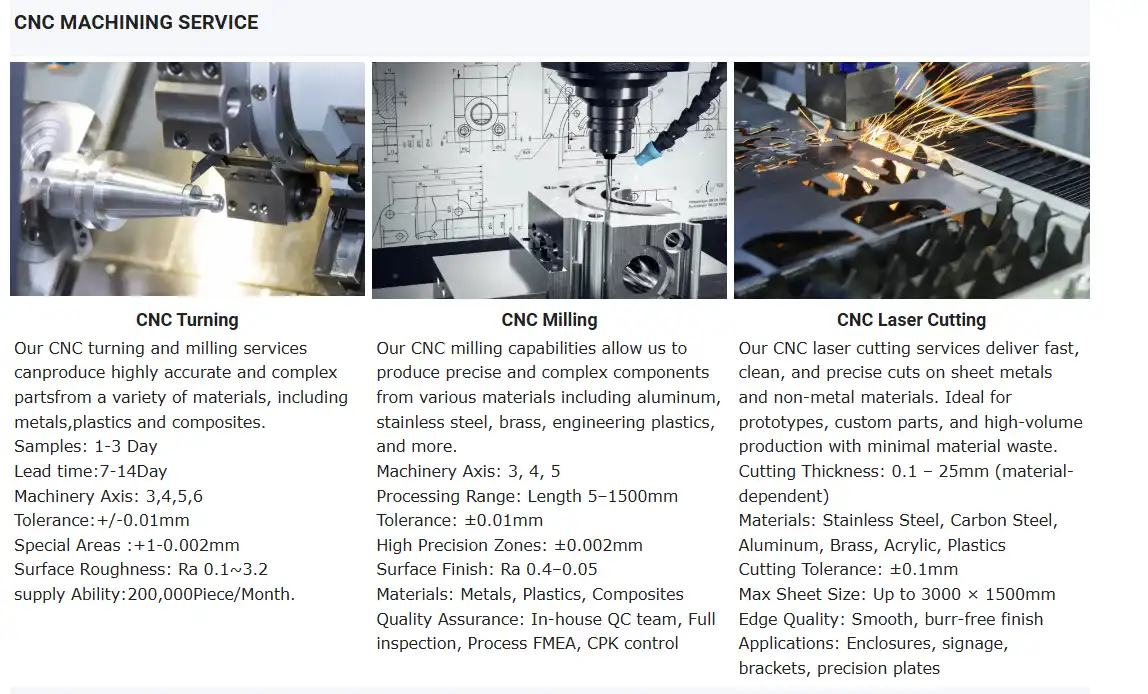
Customised mounting gear made with CNC turning and five-axis machining cuts installation time by 40% and improves accuracy, as we've seen with clients in the aircraft and medical device industries. By cleaning and anodising the surface to a sharpness level of 0.8μm or less, micro-gaps are removed that could affect its ability to conduct heat in temperature sensing applications.
Signal Conditioning and Amplification Accessories
Signal boosters and filters solve the problem of how to send low-voltage sensor outputs over long distances without losing quality. When making consumer goods or communication electronics, electromagnetic interference from nearby machines can add noise that covers up real measurement data. When used with differential amplifiers and shielded wire systems that are properly grounded, they keep the signal integrity even in places with a lot of electrical noise.
Signal conditioning devices are especially helpful for temperature sensors. Thermocouple and RTD outputs need precise voltage-to-digital conversion, where mistakes as small as a microvolt can lead to big temperature errors. When compared to direct sensor inputs, dedicated signal filters with cold-junction corrections and linearisation methods give accuracy gains of more than 0.5°C.
Protective Enclosures and Environmental Barriers
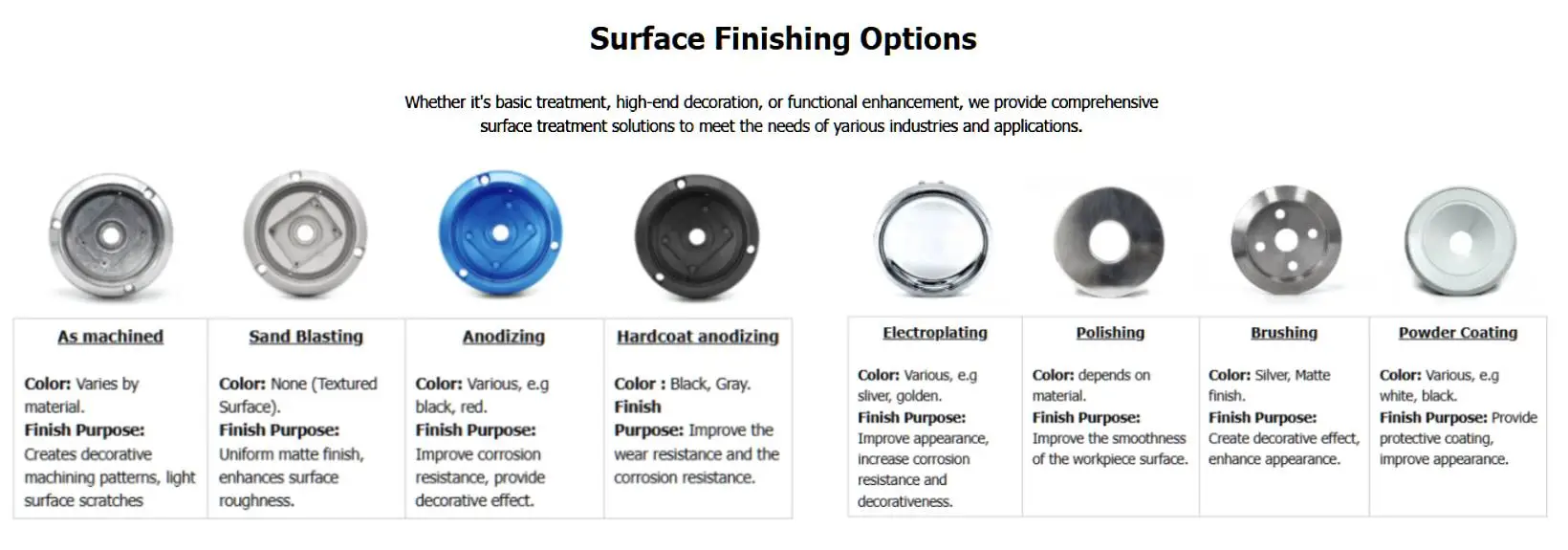
Sensitive electronics need protective housings to keep them safe from damaging chemicals, water, and physical impacts that can lower their accuracy over time. In warehouses and shipping centres where sensors check the weather, IP-rated containers keep the measurements stable even when the temperature and humidity change every day. Sensors can last from months to years longer between servicing if their enclosures are made of corrosion-resistant materials like 410 stainless steel and are finished with plating or electrophoresis treatments.
These safety tools are especially useful for setups outside and in tough industrial settings. We've seen that properly designed containers cut down on calibration drift rates by 60% in chemical processing applications. This directly leads to lower upkeep costs and more consistent product quality.
The Core Factors Affecting Measurement Accuracy and How Accessories Mitigate Them
When buying, managers know why measurements go wrong, and they can choose items that give them a clear return on their investment. The main things that can affect accuracy are weather, mechanical, and electrical issues, and each can be fixed with a different device.
Environmental Interference and Thermal Management
Temperature variations affect Sensor accessories' performance through multiple mechanisms: thermal expansion alters mechanical dimensions, temperature‑dependent semiconductor properties induce drift, and thermal gradients create measurement errors. Accessories such as thermal insulating housings and heat sinks maintain sensor operating temperatures within narrow ranges. In automotive applications, where under‑hood temperatures fluctuate significantly, thermal management accessories maintain sensor accuracy within ±2 % across the full operating range, ensuring reliable performance despite extreme environmental conditions.
More problems can come up because of humidity and condensation, especially for optical and sensitive devices. Enclosures that are filled with desiccant and hot sensor housings keep moisture from building up, which could lead to electrical leaks or visual distortion. When our clients in the home goods industry put in place complete environmental protection strategies, they get 35% fewer guarantee claims.
Electromagnetic Noise Reduction Through Shielding
Electromagnetic interference (EMI) from motors, transformers, and wireless communication systems messes up analogue sensor data, making measurement changes that look like fake alarms or wrong process adjustments. EMI is reduced by 40 to 60 decibels with multi-layer protection devices made with conductive seals and filtered feedthroughs. This makes the signal clear again.
This effect is shown by a case study from a company that makes household products. Sensor noise during engine starting events was the cause of some quality problems on their production line. When grounded protection casings and ferrite-core wire accessories were added, measurement error dropped by 78%, 95% of fake rejects were eliminated, and throughput went up by 12%. The cost of the addition paid for itself in three work shifts because there was less waste.
Mechanical Alignment and Vibration Isolation
Systematic mistakes can't be fixed by calibration when sensors and measurement targets aren't lined up correctly mechanically. Precision mounting plates with adjustment screws make it possible to fine-tune the position of sensors to within 0.01mm, which is very important for laser measurement systems and proximity sensors. When making cars, where the quality of the assembly depends on how accurate the measurements are, changeable fixing hardware makes sure that sensors stay at the right gap lengths even if the body changes.
Vibration isolation posts keep sensors from being affected by structure resonances that could cause measurement errors that change over time. Isolation devices cut down on vibration-induced noise by 10 times or more in AI-intelligent equipment and robots, where sensors work with high-speed motors. This shows the true signal features that were hidden by the mechanical connection.
Comparing Popular Sensor Accessory Solutions for Industrial and Automation Needs
There are many device choices on the market, so it's important to compare them in a structured way to get the best performance for the best price in business-to-business purchases. When choosing sensors, it's important to look at how well they work with current systems, whether they have quality standards, and how much they will cost to own in total.
Compatibility Considerations Across Sensor Platforms
Leading sensor makers like Honeywell, Bosch, and Siemens make their own electrical links and mounting ports that make it hard to switch out accessories. When buying team-defined tools, they have to make sure that the mechanical measurements, electricity grades, and connection with communication protocols are all correct. Universal tools give up some optimisation potential but are useful in multi-vendor settings that are common in factory automation equipment and medical devices.
Accessories that are custom-made work best with sensor systems because they are fully integrated. Our precise metal parts are made using CNC cutting and pressing, so they can meet specific size requirements while still meeting ISO 9001:2015 quality standards and RoHS environmental guidelines. This ability to customise is especially useful when adding extras to older sensor setups where off-the-shelf solutions cause clearance problems or introduce new ways for things to go wrong.
Quality Standards and Certification Requirements
When used in industry, tools must meet strict quality standards. The manufacturing methods that are ISO-certified, the ability to track materials, and the physical checking routines make sure that all output runs are the same. In the medical and military fields, where sensor accuracy has a direct effect on safety, tools must show that they meet industry-specific standards by being tested and certified and having their results written down.
Procurement managers should make sure that accessory providers of Sensor accessories have quality control systems that are the same as those used by major sensor makers. Our factory uses high-tech measuring tools to make sure that the dimensions are correct, to test the load capacity and make sure that the technical specs are met, and to do group checks that record the material makeup and surface finish parameters. This quality assurance method makes it easier for B2B clients to check arriving products and makes sure that items work as expected for as long as they are used.
Cost-Performance Analysis for Bulk Procurement
It's not enough to just look at unit costs when figuring out prices; you also need to look at installation labour, upkeep times, and production losses caused by mistakes. Premium items that cost 30% more often last three to five times longer, which lowers the total cost of ownership. By making bulk purchases with qualified sellers, you can get better prices and make sure you always have enough supplies to keep production from being held up.
It's important to think carefully about whether to choose additional updates or advanced sensor modules. It's possible for a current $800 sensor to get 80% more accurate by adding a $150 signal filtering device. This makes the economics of a $2,000 combined sensor module very appealing for projects that want to increase capacity. On the other hand, combined solutions that make setups easier and lessen the need for system approval are good for new installs.
Best Practices for Installation, Maintenance, and Long-Term Efficiency
Correct fitting methods and proactive upkeep plans are very important for getting the best performance from accessories. Even high-end parts don't work as well when they're not used correctly or aren't serviced regularly.
Pre-Installation Environmental Assessment
Before installing sensors and their associated Sensor accessories, a thorough site survey should identify potential hazards such as high temperatures, vibration sources, chemical exposure, or strong electromagnetic fields. This assessment guides accessory selection and installation planning. In warehouse environments where temperature fluctuations are significant, thermal expansion calculations enable designers to create mounting brackets that accommodate dimensional changes without imposing excessive stress on the components. Proper pre‑installation analysis prevents premature failures and ensures long‑term measurement reliability.
Plans for moving cables should keep them away from EMI sources as much as possible while still letting them be sufficiently separated from power lines. We suggest making assembly sketches that show where the shield grounding points are, how far apart the cable supports should be, and which way the connectors should face. This way, mistakes in the field won't affect the accuracy of the measurements.
Step-by-Step Mounting and Alignment Procedures
Preparing the surface is the first step in precision fitting. Surfaces for mounting must be clean, flat (within 0.05 mm), and free of burrs that stop full contact. The torque requirements for screws make sure that they are securely attached without being over-tightened, which can damage parts or add extra stress. Calibrated torque tools and thread-locking solutions make sure that setups are uniform and don't shake during important tasks.
Alignment steps are different for each type of sensor, but they all need to be checked in a measured way. Optical sensors need to be aligned within arcminute errors, which can be done with precision adjustment screws on movable mounting brackets. For inductive proximity sensors to work, the target surface must be parallel to the sensor. This can be checked with feeler gauges and dial indicators. Writing down the final adjustment settings helps with future replacement and debugging.
Routine Inspection and Calibration Protocols
At regular maintenance times, you should check the protective shields for seal integrity, the cable strain relief for signs of wear, and the electrical connections for rust or looseness. In tough places like making cars or putting together spacecraft, checking things every three months finds problems before they get worse. Thermal image cameras can find connections that are getting too hot, and sound analysis can find hardware that is loose and needs to be fixed.
Calibration testing makes sure that sensor-accessory systems stay as accurate as they should be over time. When you compare your measurements to reference standards regularly—every month for important measures and once a year for less demanding ones—you can find drift that needs to be fixed or parts that need to be replaced. Keeping calibration records is required by quality system audits and helps build performance files that guide strategies for planned maintenance.
Common Pitfalls in Accessory Procurement and Use
A lot of problems with accuracy are caused by Sensor accessories and other tools that don't work with each other properly, which meet the basic standards for connectivity but make the system work less well. When insulated wires with low flex ratings are used in moving setups, they fail too soon. If you choose to attach clamps without taking temperature expansion into account, the accuracy will change with the seasons. The buying, engineering, and repair teams must work together to make sure that these complex needs are included in the procurement specs.
Another common mistake is not planning for the expiration of accessories. When sensor makers stop making certain lines of products, the appropriate parts that go with them are no longer available. Strategic buyers build relationships with precision hardware suppliers that can reverse-engineer old parts or suggest similar options that keep the system running without having to buy expensive new sensors.
Procurement Considerations for B2B Buyers: Ensuring Quality and Reliability
To strategically source measurement tools, you need to carefully evaluate suppliers, communicate clear specifications, and handle the whole supply chain. The following approach helps buying managers make choices about where to buy things that are reliable and cost-effective.
Supplier Qualification and Brand Reputation
Well‑known companies such as Omron, Texas Instruments, and TE Connectivity offer extensive product lines for Sensor accessories and guarantee long‑term availability. Their accessories integrate seamlessly with their respective sensor families, simplifying design efforts and reducing integration risk. However, the premium pricing associated with these brands drives demand for compatible alternatives that provide equivalent performance at lower cost, particularly for high‑volume applications where component pricing significantly impacts overall system cost.
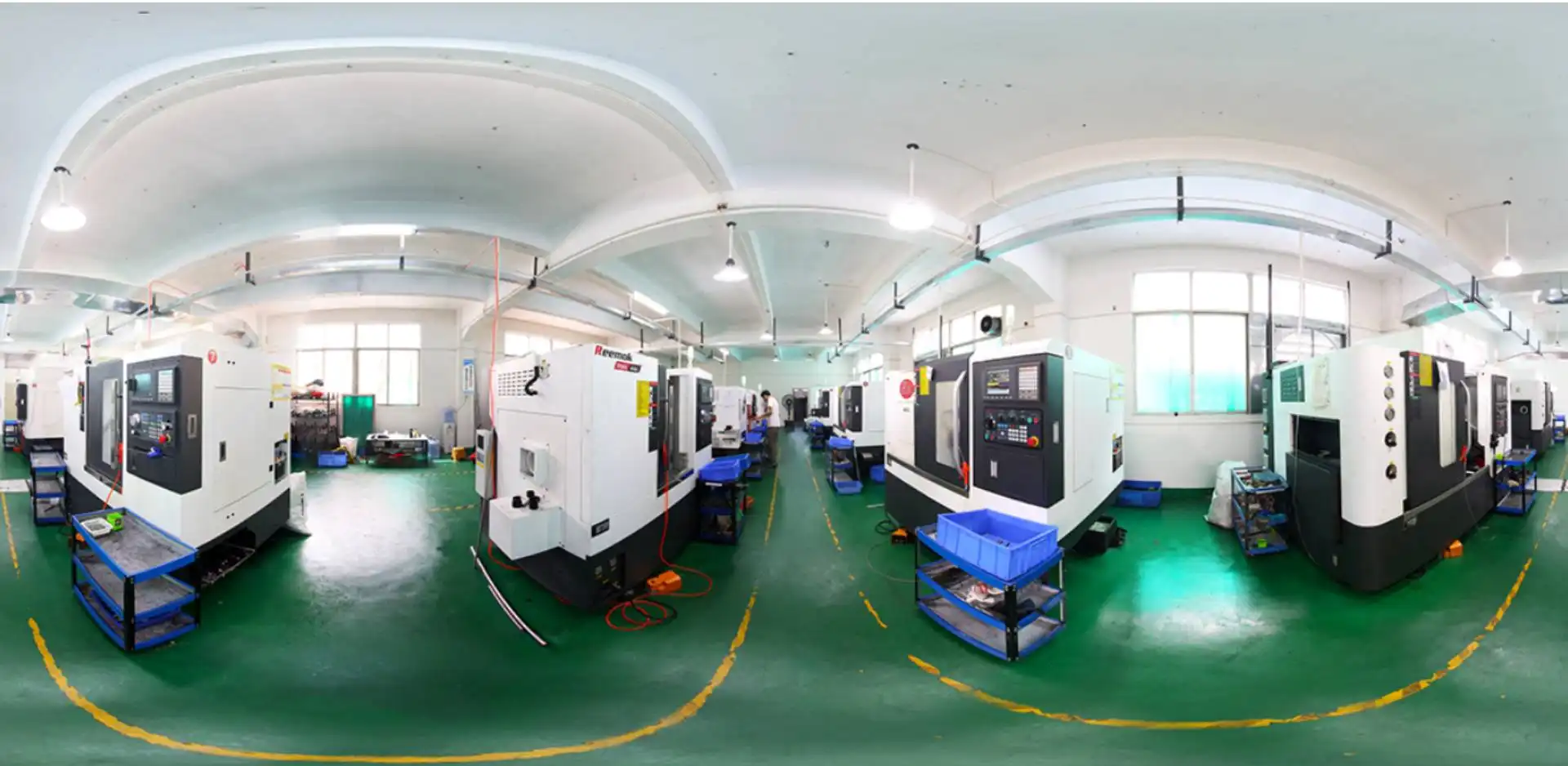
When looking at different providers, you should look at their production skills, such as how advanced their equipment is, whether they have quality standards, and whether they offer design engineering help. Suppliers who have CNC machining centres with five-axis capabilities, as well as pressing and finishing processes all under one roof, can make changes quickly and keep tight tolerances. The 32 high-tech CNC tools at our Dongguan plant allow for quick prototypes and large-scale production with dimensions that always meet ±0.01mm standards for 316, 304, 303, and 410 stainless steel types.
Customisation Capabilities for Specialised Applications
Standard accessories address common requirements, but differentiated products often demand custom solutions. Suppliers offering OEM/ODM manufacturing services collaborate on accessory designs optimised for specific sensor types, mounting constraints, or environmental conditions. This customisation capability proves essential in AI-intelligent equipment and robotics, where packaging density limits standard component usage.
Custom development timelines and minimum order quantities vary significantly across suppliers. Industry-leading partners maintain prototype fabrication capabilities that deliver sample parts within days, accelerating design validation cycles. Our engineering team engages with clients during concept development, applying expertise in material selection, surface finishing, and manufacturing process selection to optimise designs for both performance and manufacturability. This collaborative approach reduces development iterations and accelerates time-to-market for new products incorporating precision measurement systems.
Logistics Advantages and Inventory Management
Fast delivery capabilities minimise production disruptions from accessory shortages. Suppliers maintaining substantial inventory depths ship orders within 24-48 hours, compared to weeks for custom manufacturing. When planning capacity expansions or new product launches, a balance between stocked and custom-manufactured accessories optimises lead times against inventory carrying costs.
Bulk purchasing agreements secure favourable pricing while ensuring supply continuity. Volume commitments spanning quarterly or annual periods enable suppliers to optimise production scheduling and material procurement, with cost savings partially shared through tiered pricing structures. We provide flexible purchasing arrangements accommodating both large production runs and smaller pilot quantities, supporting clients through product development cycles into full-scale manufacturing.
Warranty Terms and After-Sales Support
Comprehensive warranty coverage protects against defective materials and workmanship while clarifying performance expectations. Premium suppliers offer warranties extending 12-36 months, with clear terms defining covered failure modes and replacement procedures. Return policies should accommodate reasonable restocking fees while enabling the timely resolution of specification mismatches or damaged shipments.
Conclusion
Measurement accuracy improvements through carefully selected accessories deliver quantifiable benefits across industrial, automation, and precision manufacturing sectors. The strategic integration of Sensor accessories, including mounting hardware, signal conditioning components, protective enclosures, and calibration tools, transforms sensor performance by mitigating environmental interference, stabilising mechanical alignment, and preserving signal integrity. B2B procurement managers who evaluate accessories through comprehensive lenses—encompassing compatibility, quality certifications, supplier capabilities, and total ownership costs—position their organisations for operational excellence. The case studies and best practices presented here provide actionable frameworks for accessory selection, installation, and maintenance that sustain measurement accuracy across product lifecycles, directly contributing to quality assurance, regulatory compliance, and competitive advantage.
FAQ
What types of accessories most significantly impact sensor accuracy?
Mounting brackets and alignment hardware typically deliver the largest accuracy improvements by eliminating mechanical misalignment and vibration coupling. Signal conditioning accessories, including amplifiers and filters, prove critical in electrically noisy environments, while protective enclosures extend calibration stability in harsh conditions. The relative importance varies by application—temperature sensors benefit most from thermal management accessories, whereas optical sensors require precision mechanical mounting.
How do I determine which accessories are compatible with my existing sensors?
Compatibility verification begins with manufacturer datasheets specifying mechanical dimensions, electrical interfaces, and environmental ratings. Cross-reference accessory specifications against sensor mounting hole patterns, connector types, and voltage/current ratings. Reputable accessory suppliers provide compatibility matrices or application engineering support that matches products to specific sensor models. When specifications prove ambiguous, request sample units for fit-check validation before committing to volume purchases.
Can accessories compensate for low-quality sensors, or should I upgrade the sensors themselves?
Accessories optimise sensor performance within inherent limitations but cannot fundamentally overcome poor sensor design. Low-cost sensors with inadequate resolution or excessive drift require frequent recalibration regardless of accessory quality. The economically optimal approach depends on application criticality—adding accessories to mid-tier sensors often delivers 90% of premium sensor performance at 60% total cost, suitable for many industrial applications. Safety-critical or ultra-precision requirements justify premium integrated sensor solutions.
Partner with Junsion for Precision Sensor Accessory Manufacturing
Measurement accuracy challenges in automation equipment, medical devices, aerospace systems, and consumer electronics demand accessory solutions engineered to exacting standards. Junsion specialises in custom-manufactured precision hardware components that optimise sensor performance across demanding applications. Our ISO 9001:2015 certified facility produces mounting brackets, protective enclosures, and signal conditioning housings from 316/304/303/410 stainless steel, maintaining tolerances of ±0.01mm and surface finishes ≤ Ra0.8μm through advanced CNC machining, turning, and five-axis processing. As an experienced sensor accessories manufacturer, we provide rapid prototyping, flexible volume production, and comprehensive finishing options, including polishing, anodising, plating, and electrophoresis. Contact our engineering team at Lock@junsion.com.cn to discuss customised brass lathe screw solutions that reduce wear, extend maintenance intervals, and enhance operational reliability across electronics, communications, consumer goods, and logistics applications worldwide.
References
1. Webster, J. G., & Eren, H. (2018). Measurement, Instrumentation, and Sensors Handbook: Electromagnetic, Optical, Radiation, Chemical, and Biomedical Measurement. CRC Press.
2. Liptak, B. G. (2016). Instrument Engineers' Handbook, Volume One: Process Measurement and Analysis. CRC Press, Fifth Edition.
3. Fraden, J. (2016). Handbook of Modern Sensors: Physics, Designs, and Applications. Springer International Publishing.
4. Pallas-Areny, R., & Webster, J. G. (2012). Sensors and Signal Conditioning. Wiley-Interscience, Second Edition.
5. Norton, H. N. (2014). Sensor and Analyser Handbook. Prentice Hall Professional Technical Reference.
6. Wilson, J. S. (2019). Sensor Technology Handbook. Newnes, Elsevier Science.