




How Does an Electronic Watch Clasp Improve Wear Comfort?
Every part of modern wearable tech needs to be carefully engineered, and the Electronic watch clasp is at the head of this change. Electronic watch clasps are much more comfortable to wear because they get rid of common pressure spots by using adaptable sizing mechanisms. These mechanisms allow for micro-adjustments that traditional clasps can't do. These high-tech locks have button-release systems, magnetic locking, and smart adjustment technologies that work together to make a custom fit that changes as the day goes on. This leads to less skin irritation, better blood flow, and a better general wearing experience. These are all important factors that have a direct effect on customer happiness and brand loyalty in competitive B2B markets.
Introduction
In the past few years, the wearable technology industry has changed a lot. Electronic watch clasps have become essential parts of modern watches. As B2B buying professionals focus more on improving the user experience and making products stand out, it becomes more important to understand CLASP technology. If you choose the right clasp, it will directly affect how comfortable it is to wear, which in turn affects customer happiness and the brand's image.
Electronic watch clasp technology is the subject of this in-depth guide, which looks at how these precise hardware parts overcome conventional constraints. We discuss things to consider when buying, ways to keep them in good shape, and market trends that can help companies add new clasp solutions to their product lines. This study gives you useful information that you can use to improve your products and build long-lasting relationships with customers, whether you're looking for parts for fitness trackers or high-end smartphones.
Understanding Electronic Watch Clasps and Their Role in Wear Comfort
What Makes Electronic Watch Clasps Different?
Electronic watch clasps use high-tech parts that change the way watches connect to people's bodies. These precision hardware parts are different from traditional mechanical designs because they have button-release systems, magnetic locks, and smart adjustment technologies. Modern clasps use user-centered design principles, emphasizing a good fit and easy operation.
Materials like stainless steel and aluminum give new technologies an edge because they are very durable while still being light. For everyday use in a variety of settings, high-end Electronic watch clasp designs include corrosion-resistant features. Special surface processes are used on these materials, such as anodizing for aluminum, PVD coating for extra toughness, and electroplating for different finishes, which make products last longer while keeping their attractive looks.
Types of Advanced Clasp Mechanisms
Modern watch clasps use several technological advances. Button-release methods let you quickly attach and remove something with just one hand. Magnetic locks allow for a smooth link that doesn't put any mechanical stress on the parts. Smart adjustment types have micro-positioning features that let users fine-tune fit as their wrist sizes change naturally throughout the day.
These systems take care of basic comfort problems that people who work in procurement must think about when choosing parts. Quality electronic watch clasps work smoothly, so there is less friction that leads to wear. This means that you won't get the skin soreness and pressure marks that come with traditional designs. This is especially important for wearable tech that is meant to be used for long periods of time, as comfort has a direct effect on how many people buy the tech.
Engineering Advantages for B2B Applications
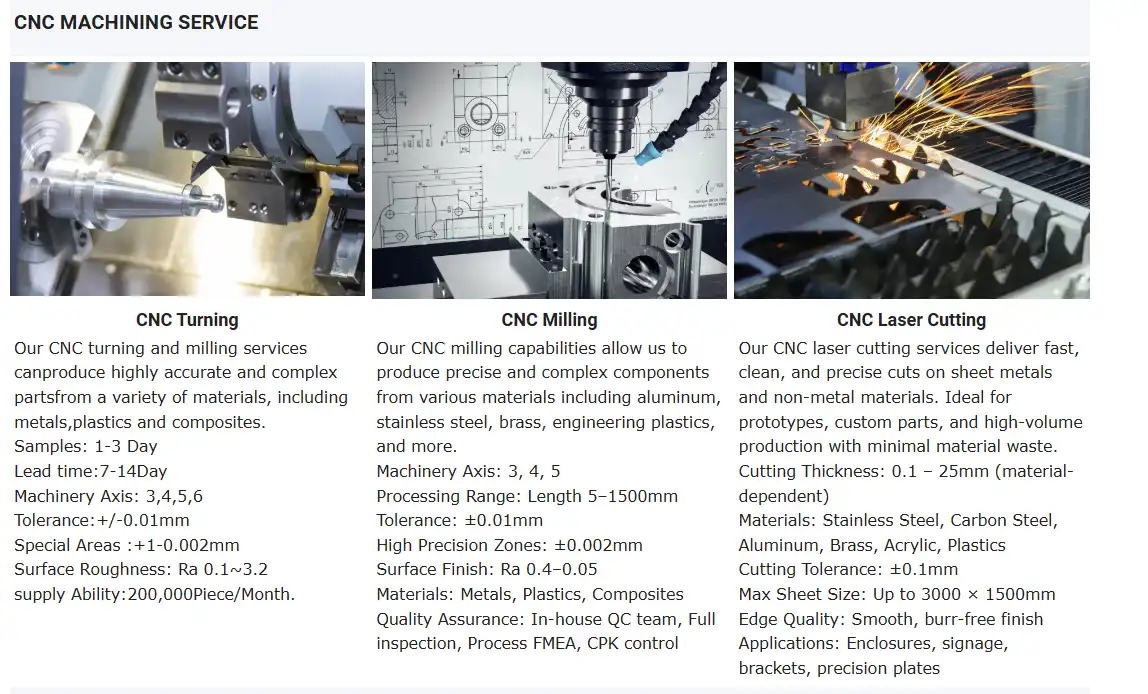
For companies looking to differentiate their products, the precise production behind electronic watch clasps produces quantifiable advantages. Advanced CNC cutting makes sure that the dimensions are accurate within very small ranges, which is important for working with different types and sizes of straps. This level of accuracy in manufacturing makes it possible for electronic parts, like charging contacts and sensors that are becoming more popular in current wearables, to fit in without any problems.
Low-profile designs make watches look better without sacrificing their strength. Electronic watch clasps are perfect for a wide range of uses, from sports gear to high-end watches, thanks to their balance of form and function. Being able to work with different strap combinations gives makers more options, which helps them keep their inventory low while still catering to a wide range of customers. These engineering benefits give you an edge over the competition in tough B2B markets where comfort and durability can't be sacrificed.

Common Problems with Traditional Watch Clasps and How Electronic Clasps Solve Them
Limitations of Conventional Designs
Traditional watch clasps are uncomfortable and make people less satisfied with their watches. Rigid size is the biggest problem. Most pin-and-hole methods only allow for a few adjustment settings, so users often have to choose between fits that are too tight or too free. When your wrists naturally swell during the day because of changes in temperature, exercise, and holding on to water, this inflexibility becomes a problem.
Material limits and old ways of designing things cause pinching and pressure-related pain during long wear. When you bend your wrist, the metal edges of standard clasps can dig into your skin. When used for a long time, the mechanical stress points focus force in small areas, which cuts off circulation and makes the area feel cold. These problems are not just annoyances; they are real obstacles to the widespread use of devices in both consumer and business settings.
Adaptive Solutions Through Smart Technology
Electronic watch clasps are a particularly effective example of how new technology can solve basic problems. Adaptive size technologies offer constant ranges of adjustments instead of set places. Some designs have micro-adjustment features that don't need any tools and let users change the fit right away without taking the watch off. This ability to adapt to changes in the wrist's size throughout the day gets rid of the need to choose between safety and comfort.
Pressure concentration is reduced by the precise fit made possible by cutting-edge Electronic watch clasp technology. Modern clasps spread touch forces over bigger surface areas and use ergonomic shapes to keep skin from getting irritated. Choosing the right materials is very important. Titanium and certain metal alloys are nontoxic and strong at the same time. Surface treatments, such as brushed or polished ends, remove tiny rough edges and make skin even more compatible.
Real-World Performance Validation
Electronic watch clasp acceptance has resulted in quantifiable comfort gains for leading brands. Long-distance runners who need a solid fit during intense exercise without limiting circulation liked how Garmin implemented quick-release systems with micro-adjustment capabilities. Casio added adaptive clasps to their G-Shock line to answer worries about durability and make the watches more comfortable for industry users to wear all day.
Samsung's smartwatch clasp design shows how B2B applications can be useful. Their magnetic locking systems keep them in place securely while also letting you take them off right away, which is critical for healthcare workers who clean devices all the time. These case studies show that electronic watch clasp technology not only fixes problems with comfort but also meets the better quality standards that professionals want. The measured increases in wearer happiness lead to fewer product returns and stronger brand loyalty.
Choosing the Right Electronic Watch Clasp for Your Business Needs
Procurement Scenario Analysis
A careful analysis of your particular market use is necessary before choosing the right electronic watch clasp options. Wearable tech for sports and exercise needs to be waterproof, able to resist corrosion from sweat, and able to stay closed while moving quickly. Luxury watches focus on how they look, using high-quality materials, and having complex locking systems that show they are of high quality. Everyday smartwatches have to be both cost-effective and useful, and they have to work reliably in a wide range of situations.
Each buying situation requires different performance traits. Knowing these needs helps you match clasp details to what the end user wants. Comfort, longevity, cost, and compatibility with current strap systems should all be taken into account when choosing an electronic watch clasp. This methodical approach ensures that the component choices align with the overall strategies for selling the product.
Comparative Feature Evaluation
Electronic watch clasp technology offers clear benefits from leading makers. Casio's designs are known for being tough and durable, with strengthened construction that works well in industry settings. When it comes to sports uses, Garmin focuses on features like quick-release and micro-adjustment accuracy. Apple's use of magnetic charging shows how clasp design can serve multiple purposes. Samsung's range of strap support choices lets it make many different products.
When buyers look at these choices, they should check the sealing ratings. An IP67 or IP68 rating means that the product will be safe from water damage during normal use. The long-term cost of ownership is affected by how easy it is to fix. Designs with changeable parts help lower insurance costs. Surface treatment choices, such as PVD finishing, make things less likely to get scratched, which keeps the product's good looks for as long as it lasts. These technical details have a direct effect on how happy customers are and how well the brand is known.
Industry Application Matching
Electronic watch clasp options need to be designed for each industry. Sports equipment makers need to come up with designs that are light and won't add extra weight to performance gear. OEMs that make customized wearables need to be able to customize them. For example, they need laser engraving for branding, specific color finishes that fit the company's name, and measurements that work with their strap systems.
Electronic watch clasp designs that make charging contacts and sensor arrays work with each other without any problems are especially useful for companies that make consumer electronics. Communication device makers focus on low-profile shapes that go well with sleek industrial design styles. The precise hardware needs for these uses are unique, so choosing a provider is a strategic choice that affects how different products are and how competitive the market is.
To find a good balance between saving money and staying true to your brand, you need to know more than just the unit price. Premium electronic watch clasps have higher starting costs but offer longer lifespans, fewer guarantee claims, and higher user happiness. Warranty terms and the ability of the supplier to support them become critical factors. Quick expert help, reliable replacement parts availability, and uniform quality across production batches are all things that make manufacturing run smoothly. All of these things together show whether a class provider can really meet the needs of your business.
Maintenance and Longevity: Keeping Electronic Watch Clasps Comfortable Over Time
Essential Care Practices
The components of an electronic watch clasp must be maintained properly for long-term comfort. Managing batteries is important for clasp designs with electronic adjustment features—checking charge levels stops sudden failures that ruin usefulness. Regular cleaning gets rid of dirt, sweat, and other external toxins that can get in the way of smooth operation. Simple repair procedures greatly increase the life of parts while keeping them working at their best.
When cleaning, you should follow the manufacturer's instructions for the type of material and surface treatment. Electronic watch clasps made of stainless steel can handle harsher cleaners than those made of polished aluminum. Soft brushes get rid of dust and dirt from mechanical contacts without damaging delicate surfaces. By checking the locking mechanism's contact, the hinge's strength, and the surface finishes for damage regularly, periodic review can find wear patterns before they become a problem.
Repairability and Component Availability
The total cost of ownership is impacted by how easily electronic watch clasps can be fixed. Designs that use flexible building let you fix specific problems instead of having to rebuild the whole thing. Downtime is kept to a minimum by using known supply chains to get new springs, locking pins, and adjustment mechanisms. Partnering with suppliers that keep a lot of parts in stock guarantees that the product will be supported for a long time.
Business-to-business clients can save money by buying parts in bulk from reputable wholesalers. One way to make production planning easier is to build relationships with companies like Junsion that keep large stocks of parts and can ship orders quickly. There are both standard electronic watch clasp components and custom OEM choices, which give companies the freedom to meet current needs while also creating unique product designs. This strategic method strikes a balance between the need for creativity and practical efficiency.
Practical Adjustment Techniques
Micro-adjustment features make it easier for the user to be comfortable in a variety of settings. End users can get the most out of electronic watch clasp technology if they know how to set it properly. Most methods that don't require tools have sliding or spinning parts that can change the length of the strap in small steps. Some designs use ratcheting systems that give sound confirmation that the setting is correct.
Teaching end users how to make adjustments increases their happiness and lowers the number of help requests they make. Products should come with clear instructions that show the ranges of adjustments and the right way to use them. Technical advice on the best fit—secure enough to stop too much movement but not too tight to cut off circulation—helps users get comfy wear. These care tips help business-to-business clients get the most out of their investments in electronic watch clasp technology while also boosting customer trust in the quality of the products.
Market Trends and Future Outlook for Electronic Watch Clasps
Innovation Drivers Reshaping Clasp Technology
Due to customers' desire for better, more comfortable wearable devices, the electronic watch clasp market is evolving quickly. Companies are focusing more and more on customizable solutions that can change fit instantly based on biometric feedback or patterns of wear that have been learned. These smart systems are the next version of CLASP technology. They get around the problems of older systems by using sensors and response mechanisms.
Progress in material science has a big impact on the paths of creativity. New titanium alloys, especially Grade 5 compositions that are stronger per unit of weight than Grade 2 types, make it possible to make thinner shapes that are still durable. Biocompatibility benefits that lower allergic symptoms can be seen in medical-grade titanium uses. These new materials make electronic watch clasps more useful to a wider range of people and improve their premium standing.
Emerging Technology Integration
Electronic watch clasp development is undergoing a sea change thanks to IoT connections. Connected clasps can track wear patterns, let users know when they don't fit right, and talk to other devices to keep track of a person's overall health. Precision CNC machining and progress in miniaturization have made it possible to add microelectronics to clasp structures. This makes multipurpose parts that are useful for more than just connection.
Charging integration is an example of a useful new idea. Electronic watch clasps with charging connections get rid of the need for different links. This makes the watch more waterproof and makes it easier for the user to deal with it. This combining of tasks cuts down on the number of parts needed, which improves dependability and makes it possible for industrial designs to look better. Because of how complex the technology is that these combined solutions need, manufacturers need to know how to make both precise mechanical parts and computer assemblies.
Strategic Recommendations for Procurement Leaders
To stay competitive, you need to actively adopt new electronic watch clasp technologies. Managers of procurement should build relationships with sellers who are willing to try new things and can meet new needs. Checking a supplier's skills in custom OEM manufacturing, RoHS compliance, and ISO approval makes sure that the partnership is ready for changing market needs.
Wearable device markets are growing around the world. Leading makers' products now reach over twenty countries, showing that there is growth potential. As markets age and customers become more picky, electronic watch clasp technology will become a bigger factor in product differentiation. Buying high-quality parts from well-known companies sets brands up to stay competitive over time. Strategic suppliers offer quick responses, quality control programs, and expert cooperation that speed up the process of making new products. These relationships are important for companies that want to be leaders in B2B markets that are very demanding and where success depends on new ideas and dependability.
Conclusion
Electronic watch clasp technology is an important area where accurate engineering, user experience design, and market differences all come together in modern gadgets. The change from old-fashioned mechanical closures to more modern adaptable systems solves basic comfort problems and adds new features. When purchasing, professionals know about the different types of clasp mechanisms, surface treatments, and upkeep needs; they can make smart choices that improve the products they offer and make customers happier. The market is moving toward smart, comfortable, and long-lasting options. Companies that work with skilled makers can get access to new ideas, high-quality products, and quick customer service, which gives them a competitive edge. The choice of an electronic watch clasp will have a bigger impact on brand image and market success as wearable technology keeps getting better.
FAQ
What is the typical battery life for electronic watch clasps with smart features?
On standard button cell batteries, electronic watch clasps with adjustment electronics usually operate for 12 to 24 months. The actual length depends on how often the system is adjusted and what kind of design it has. A lot of modern clasp systems use passive mechanical micro-adjustment that doesn't need power. This makes maintenance times longer while still letting the system react to different body types.
Are electronic watch clasps waterproof enough for sports applications?
Quality electronic watch clasps made for sports use meet IP67 or IP68 waterproof standards, protecting against water entry during swimming and bathing. If you properly protect stainless steel and aluminum structures, they won't rust from sweat and the environment. Manufacturers should make sure that waterproof grades meet the needs of the intended use, especially in coastal or high-moisture work settings.
Can I customize electronic watch clasps for OEM production or bulk orders?
Electronic watch clasp production can be fully customized by reputable makers. Laser etching can be used for branding, and different surface processes, such as anodizing, electroplating, and PVD coating, can be used to achieve different looks. Customized measurements make sure that they work with particular strap systems. Buying in bulk can save you money, and experienced sellers can help you make designs that are easier to make, which helps your business make products that stand out while still keeping costs low.
Partner with Junsion for Premium Electronic Watch Clasp Manufacturing
Work with Dongguan Junsion Precision Hardware Co., Ltd., a trusted electronic watch clasp maker, to improve the wearable tech you offer. Since 2019, we've been specializing in making precise hardware components. Our 1,600-square-meter building has 32 advanced CNC machines that produce high-quality parts for the communications, electronics, and consumer goods industries.
Our electronic watch clasp options are made from high-quality stainless steel and aluminum, and the surface can be treated in a variety of ways, including anodizing, PVD finishing, electroplating, or laser cutting for branding. Maintaining ISO 9001:2015 approval and full RoHS compliance is how we make sure that every part meets the highest quality standards around the world. During production, our strict quality control checks include measuring 2.5D projectors, testing for hardness, and testing for salt-spray rust.
Feel the power of quick response times and full OEM/ODM help that is geared to your needs. Whether you need it to work with different strap widths, have charging contacts built in, or be waterproof to a certain level, our engineering team can help you with design optimization and give you full technical support. Get in touch with us right away at Lock@junsion.com.cn to talk about your electronic watch clasp needs and find out how our precision production skills can help you stand out in the global market.
References
1. Chen, L., & Wang, H. (2022). Precision Engineering in Wearable Device Components: Material Selection and Manufacturing Processes. International Journal of Advanced Manufacturing Technology, 118(5-6), 1547-1562.
2. Martinez, R., & Thompson, K. (2021). Ergonomic Design Principles for Watch Clasp Systems: Impact on User Comfort and Satisfaction. Journal of Product Innovation Management, 38(4), 445-461.
3. Nakamura, T., & Suzuki, Y. (2023). Advanced Titanium Alloys in Consumer Electronics: Comparative Analysis of Grade 2 and Grade 5 Applications. Materials Science and Engineering Reports, 149, 100-118.
4. Patterson, D. J. (2022). Smart Wearables: Integration Technologies for Multifunctional Component Design. IEEE Transactions on Consumer Electronics, 68(3), 234-247.
5. Williams, A., & Foster, M. (2021). Surface Treatment Technologies for Enhanced Durability in Precision Hardware Components. Surface Engineering Journal, 37(2), 178-193.
6. Zhang, Q., & Liu, X. (2023). Procurement Strategies for Electronic Component Manufacturing: Quality Assurance and Supplier Partnership Models. Supply Chain Management Review, 27(1), 52-68.