




Why Are Nylon Parts Popular in Engineering and Machinery?
Because they offer an unrivaled mix of mechanical strength, chemical resistance, and cost-effectiveness, nylon parts have become indispensable in the building and machinery industries. These manufactured polymer parts don't wear down easily, don't cause as much friction, and can handle rough conditions that would quickly damage metals or other plastics. Nylon is a versatile material that is used in everything from car parts to automation equipment. Its flexibility solves important performance issues while lowering costs and increasing service intervals. This versatility makes it a top choice for procurement managers and product creators around the world.
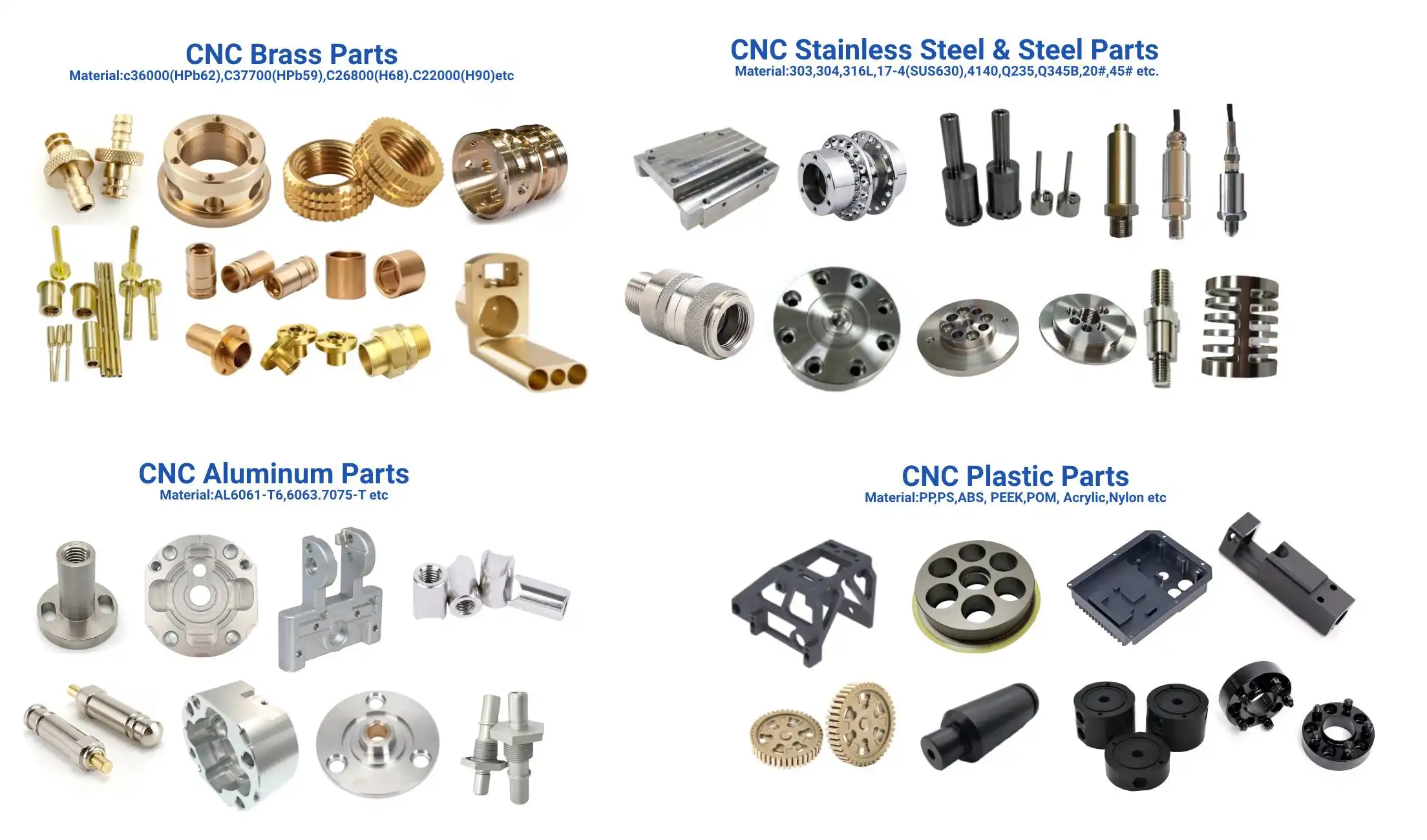
Understanding Nylon Components and Their Engineering Advantages
What Makes These Polymer Components Ideal for Industrial Applications?
Polymers made for engineering use have changed how makers create parts. These plastic materials are very tough and keep their shape even when they are under a lot of mechanical stress. They also weigh a lot less than metal options. Their chemical makeup makes them naturally lubricious, so moving parts don't have to be coated with anything else. This ability to lubricate itself increases the life of parts and reduces downtime in high-cycle situations.
We've seen directly how these traits solve real production problems here at Dongguan Junsion Precision Hardware Co., Ltd. Electrical shielding in nylon parts keeps sensitive systems from short-circuiting, which is very important to our clients in the electronics and communications industries. Due to its dimensional steadiness across temperature changes, the material works well in a wide range of settings, from refrigeration units to engine areas.
Core Physical and Chemical Properties
Polyamide materials have special properties that come from their chemical chains:
- Strength-to-weight ratio: Components last as long as metal ones but are only 15-20% as dense as steel, which makes the whole piece of equipment lighter.
- Wear resistance: The hardness of the surface stops damage from friction when it slides against something or moves over and over again.
- Chemical stability: Parts that are resistant to oils, fuels, and most industrial agents stay safe in dirty places.
- Thermal performance: It can work in temperatures ranging from -40°C to 120°C, so it can be used in a variety of climates.
- Impact absorption: Materials that are flexible under quick loads don't break easily like stiff materials often do.
When you put these qualities together, you get parts that work better than regular materials in demanding machinery uses. Precision CNC machining and five-axis processing are some of the things that Junsion can make. We can get limits of ±0.01 mm and surface roughness ≤ Ra 0.8 μm. This level of accuracy ensures that parts fit together perfectly in systems where dimensional accuracy has a direct effect on performance.
Real-World Applications Across Industries
Many of these parts find use in automotive equipment. Nylon can reduce vibrations and prevent gasoline products, which makes it useful for gear mechanisms, bearing cages, and fuel system parts. In consumer electronics, precisely made housings keep sensitive circuits safe and meet strict weight requirements. For rack systems and material handling parts used in logistics and storage, we need strengthened versions that can last through repeated filling cycles.
Our production center works with companies that make automation tools and need custom-engineered solutions. We recently made custom housings for a company that makes communications equipment. The housings were made of nylon 6/6 base material and had custom surface treatments that blocked electromagnetic waves and prevented rusting.
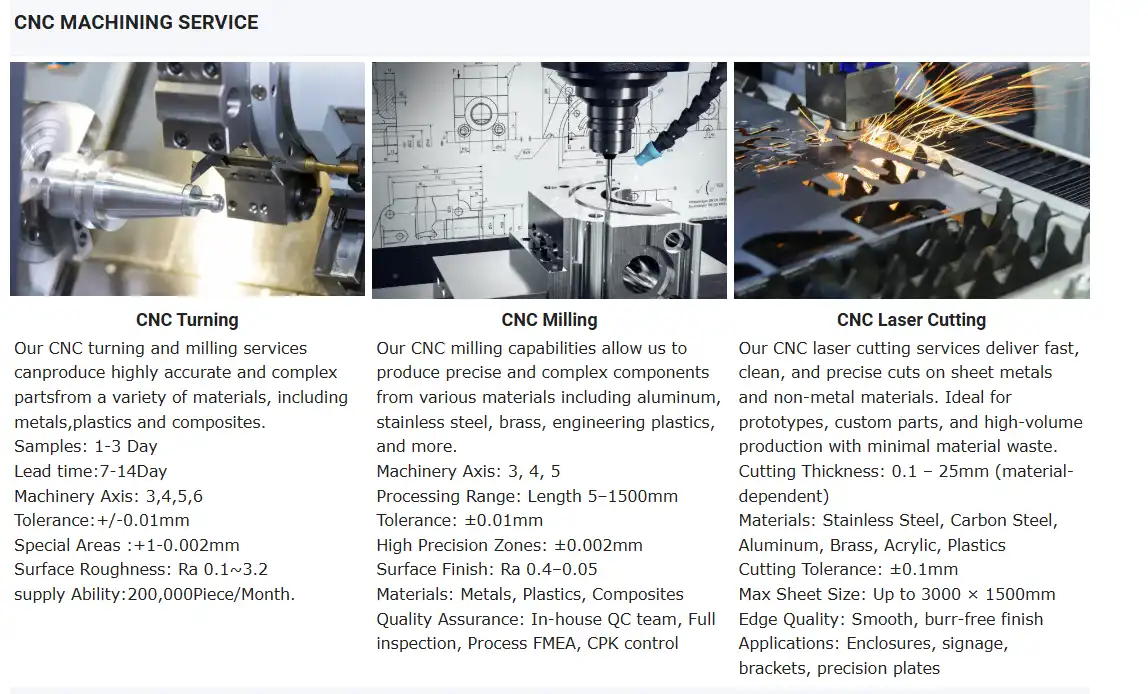
Exploring Manufacturing Processes and Component Varieties
Injection Molding, Extrusion, and Precision Machining
Different ways of making things work better for different parts. Injection molding makes complicated shapes with walls that are all the same thickness, which makes it perfect for making a lot of the same parts. Continuous shapes like bars, tubes, and sheets are made by extrusion, which are then machined into finished parts. Precision CNC machining can achieve the most precise specifications and the most detailed features. It is especially useful for making prototypes and small custom orders.
We have 32 high-tech CNC machines in our 1,600-square-meter building in Dalingshan, Dongguan. These machines can turn, mill, and work multiple axes. This variety of tools lets us choose the best ways to make things based on each client's needs, balancing speed and accuracy.
Material Grades and Specialty Variants
There are different types of polyamide, each with its own unique properties. Nylon 6 is very tough and easy to work with, and it's also reasonably priced. Nylon 6/6 has higher melting points and better stability in terms of its shape when it's loaded. Nylon parts 12 is better at resisting chemicals and staying dry in wet conditions. When compared to empty grades, glass-filled versions have 30–50% higher stiffness and heat deflection temperatures because they contain fiber support.
Specialty formulas meet the needs of certain industries. Compounds that are "food-grade" meet FDA rules for direct food contact. For long periods of time, high-temperature versions can handle temperatures above 150°C. Conductive grades have metal or carbon fillers that help get rid of static electricity in electronics making. Our research team helps clients choose the right materials based on the setting in which they will be used, the level of stress they will be under, and government rules.
Quality Assurance in Manufacturing
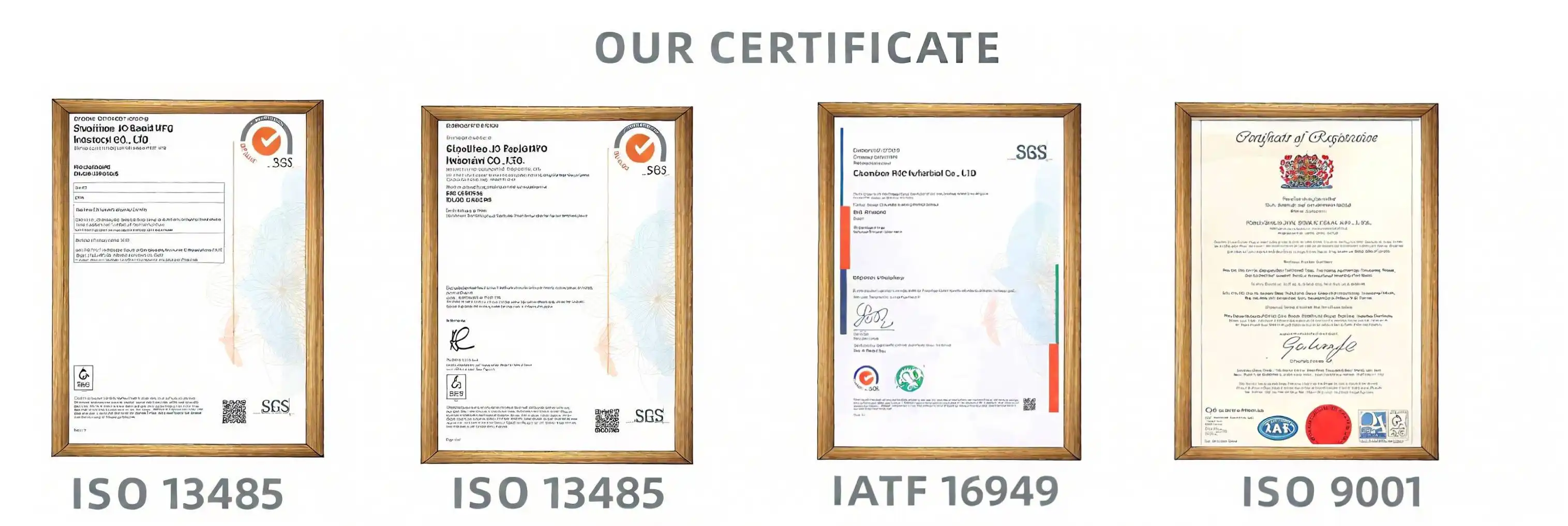
Our quality control system is based on ISO 9001:2015 approval. Material checks are done on every production run before the cutting starts. In-process quality control (IPQC) checks the accuracy of the dimensions while the product is being made. We use precision measuring tools and 2.5D projectors to check the tolerances on important measurements and do a full review when the specs call for it.
RoHS and REACH compliance make sure that our parts meet the safety standards for the environment needed to be sold in Europe and North America. Material tracking systems keep records of each batch, which lets people act quickly if problems arise in the field. This paperwork helps our clients with their own quality checks and meeting legal requirements.
Comparing Material Alternatives for Component Selection
Performance Differences Between Polymers and Metals
Metal parts are stronger and can withstand high temperatures, but they also have a lot of problems. Steel parts make things heavier, which makes mobile tools use more energy. Corrosion needs coverings to protect it, which cost more and break down over time. When you machine metals, you make more trash and have to cut more slowly, which makes wait times longer.
Polymer options get rid of the problem of rust while cutting the weight of parts by 80–85%. Noise and sound dampening make the operator more comfortable and extend the life of bearings in assemblies next to each other. Drive systems use less power when the friction rate is low. The cost of the material per part is usually 40–60% less than the cost of metal parts with the same shape. This is especially true for parts with complicated shapes that would need to be machined more than once in steel or aluminum.
Nylon Versus Other Engineering Plastics
When choosing a material, there are trade-offs in a number of performance areas. PVC is less expensive and resistant to chemicals, but it is not strong enough for load-bearing uses. Polyethylene is very good at keeping out water, but it creeps when loaded for a long time. Rubber materials are flexible, but they break down when they come in contact with oils and UV light. Teflon has the lowest coefficient of friction, but it needs support systems because it is not very strong.
Polyamide materials are good at a lot of things because their mechanical, thermal, and chemical qualities are all matched. When strengthened with glass fibers, these parts become stiffer, almost as stiff as metal, while still being much more resistant to impact. They are perfect for precision tools in robotic equipment because they are rigid and absorb shock well at the same time.
Application-Specific Material Selection
Buyers should make sure that the qualities of the materials they buy match the situations they will be used in. Places with high temperatures need grades that are heat-stabilized or versions that are strengthened with glass. Chemical exposure means checking certain chemicals against lists of materials that are compatible. Dynamic loading means that the grades don't need to be strengthened and can receive impact energy. Fiber reinforcement that makes things as stiff as possible is useful for static structural uses.
Our scientific team gives advice on choosing materials based on many years of experience making things. As a result of supplying parts for a wide range of uses, from cryogenic storage systems to heated car sections, we have a good understanding of how different types work in harsh situations.
Procurement Strategies for B2B Buyers
Evaluating Manufacturer Capabilities
Quoted prices should not be the only thing that goes into sourcing choices. How well providers can meet your number needs depends on how much they can produce. Tolerances and surface treatments that can be achieved depend on how sophisticated the equipment is. Shipping prices and wait times are affected by where the goods are located. Getting a certification proves that quality methods and rules are being followed.
When looking at possible partners, you should think about how well they can handle your process. Can they handle the limits you need? Do they do extra work like surface treatments themselves or hire trusted outsiders to do it? What kind of checking tools make sure that the measurements are correct? Advanced measuring tools, such as hardness testers and coordinate measuring machines, are kept up to date at our plant. These tools make sure that parts meet specific standards before they are shipped.
Understanding MOQs, Pricing, and Lead Times
Different ways of making things have different minimum order amounts. Small batches can't be made with injection molding because the cost of the tools has to be spread out over a lot of production runs. Precision CNC machining can be used for both prototypes and small production runs because it doesn't require expensive tools. Knowing about these factors helps buyers put together orders that work well.
When you buy in bulk instead of a small quantity, you can save 15 to 30 percent because the setup costs are spread out over a bigger quantity. Lead times depend on how the product is made, how busy the shop is right now, and how much material is available. Standard grades are shipped within days of receiving an order, but special formulas may need two to three weeks to be made. We keep our customers informed about realistic arrival times, which helps them plan their production without any surprises.
Building Reliable Supply Chains
Relationships with suppliers should go beyond just buying things. Revisions that cost a lot of money are avoided by getting technical help during the planning phase. When unexpected problems happen, production plans are kept up by quickly responding to urgent needs. Quality uniformity gets rid of the need for arriving inspections and lowers the number of assemblies that are rejected.
When people call, our customer service team answers within hours, not days. Engineering help includes suggestions for design improvements that make it easier to make and cheaper at the same time. We've built long-term relationships with clients in over 20 countries by putting their success ahead of our own.
Maintenance Strategies and Component Longevity
Extending Service Life Through Proper Care
To make a part last as long as possible, you need to know how the material works. These polymers can stand up to a lot of chemicals, but strong oxidizers and concentrated acids break them down. Inspections done on a regular basis find wear patterns before they lead to a catastrophic failure. Using gentle soaps to clean gets rid of dirt and grime without hurting surfaces.
Metals have different lubrication needs. The naturally lubricating nature of the material usually gets rid of the need for grease or oil, but suitable lubricants may be helpful in some situations. Do not use petroleum-based items with grades that are not strengthened because they can make you swell. When extra grease is needed, silicone or synthetic oils work better with the system.
Factors Affecting Component Life Span
Operating temperature has a big effect on how long something lasts. Oxidation speeds up aging when something is exposed to high temperatures for a long time. Unreinforced grades break down in UV light, so installs that are shielded or UV-stabilized formulas for outdoor use are recommended. Mechanical stress clusters cause cracks to spread, which is why it's important to build with large fillet edges and stay away from sharp corners.
The effects of chemical contact build up over time. Most industry fluids don't affect these materials, but long-term soaking changes their size. When choosing grades for highly harsh settings, application engineers should look at compatibility data.
Return on Investment Analysis
Using polymer components clearly saves money. Mobile equipment uses less energy when it's lighter. For example, a vehicle maker said that changing metal brackets with stronger ones improved fuel economy by 3%. Better wear resistance leads to longer maintenance times, which saves money on labor and keeps production running as smoothly as possible. After moving from metal gears to precision-machined options, a client of automation equipment saw a 40% drop in unplanned downtime.
The total cost of ownership is directly related to how long a part lasts. Initial purchase prices may be the same as or slightly higher than those of commodity metals, but avoiding replacements due to corrosion and lowering the regularity of upkeep saves a lot of money over the life of the product. These cost savings are especially important to our clients in the logistics and storage industries when they build big rack systems.
Conclusion
Polyamide components are widely used in engineering and machinery because they can solve difficult performance problems while also cutting costs. These materials are as strong as metal but much lighter. They don't break down easily in chemicals or the environment, and they let you make shapes that would not be possible with standard materials. Thanks to improvements in manufacturing, we can now make nylon parts to precise standards that were only possible with metal cutting before. As businesses focus on being more eco-friendly and efficient, these flexible plastics keep finding new uses in robotics, transportation, electronics, and consumer goods.
FAQ
What industries benefit most from using these polymer components?
These materials are used a lot in the logistics, technology, consumer goods, aircraft, automotive, and industrial machinery industries. Their mix of mechanical strength, chemical resistance, and light weight makes them useful in a wide range of industries, from reducing vibrations in cars to protecting electronics from damage.
How do glass-filled variants differ from standard grades?
Reinforcing with glass fibers makes the material stiffer, lowers the temperature at which it deforms, and keeps its shape when it's under load. These better qualities make them good for structural uses that need more stiffness, but reinforced grades aren't as good at impact protection or surface finish quality as unfilled materials.
Can these components replace metal parts in high-stress applications?
In a lot of load-bearing situations, strengthened grades that are stiffer than aluminum but better at resisting impact work well. For each replacement situation, the suitability is determined by a thorough engineering study of the stress profiles, working temperatures, and weather exposure.
What surface treatments improve component performance?
Anodizing makes something more resistant to rust, painting gives it custom colors and UV protection, polishing makes it smooth and low-friction, and special treatments like electroplating make it carry electricity for grounding uses. The choice of treatment relies on both functional needs and personal tastes for how things look.
Partner with Junsion for Precision-Engineered Components
Dongguan Junsion Precision Hardware Co., Ltd. is ready to be your reliable source for nylon parts. They use advanced CNC technology and strict quality control to make sure they give parts that exactly match your needs. Our ISO 9001:2015-certified factory makes custom-sized parts with ±0.01mm accuracy for the automation equipment, car, and home gadget businesses around the world. We offer full surface treatments, such as sanding, painting, and custom finishes. Our services are compliant with RoHS standards, and we respond quickly. Email our engineering team at Lock@junsion.com.cn to talk about your project needs and get professional advice on choosing materials.
References
1. McKeen, Laurence W. The Effect of Creep and Other Time-Related Factors on Plastics and Elastomers. William Andrew Publishing, 2015.
2. Brydson, John A. Plastics Materials: Seventh Edition. Butterworth-Heinemann, 1999.
3. Throne, James L. Technology of Thermoforming. Hanser Gardner Publications, 1996.
4. Rosato, Dominick V., and Marlene G. Rosato. Injection Molding Handbook: Third Edition. Springer Science & Business Media, 2000.
5. Crawford, R. J., and Martin P. Kearns. Practical Guide to Rotational Moulding: Second Edition. Smithers Rapra Technology, 2012.
6. Strong, A. Brent. Plastics: Materials and Processing: Third Edition. Pearson Prentice Hall, 2006.