




What Makes Nylon Parts Strong and Durable for Industrial Use?
Because of their excellent mechanical properties and ability to withstand harsh circumstances, nylon parts have become essential in modern industry settings. Their strength comes from the way polyamide molecules are structured, which makes strong polymer chains that can handle a lot of stress. These made parts are exceptionally and flexible and don't break down easily when exposed to chemicals, heat, or wear. Different types, like Nylon 6, Nylon 6/6, and glass-filled versions, have different levels of durability that work best in certain situations. This is why they are popular choices in electronics, automation equipment, cars, and home products.
Understanding the Strength and Durability of Nylon Parts
The Molecular Foundation of Nylon's Strength
This is because nylon parts are made of polyamide molecules, which give them excellent function. These long-chain polymers connect molecules with hydrogen bonds, making a solid structure with high tensile strength and impact resistance. Because of this, nylon can absorb shock and spread stress evenly, which keeps it from breaking completely when it's loaded. Because it can bend without permanently changing shape, the material is better than many hard plastics in situations where it needs to be stressed over and over again.
Comparing Different Nylon Grades for Industrial Applications
Choosing the right material has a big effect on how well a part works in an industry setting. Nylon 6 is great for precision-engineered parts that need to be made with tight tolerances because it is easy to machine and doesn't absorb water as quickly. Because it is more resistant to heat and has higher mechanical strength, Nylon 6/6 is particularly well-suited for high-temperature uses in cars and consumer gadgets. Glass-filled nylon versions make the material stiffer and more stable in its shape, which lowers its heat expansion. As an example, Junsion makes parts from all of these grades with unique sizes and specs as close as ±0.01mm, making sure that they work perfectly for your specific needs.
Heat and Chemical Resistance in Demanding Environments
In industrial settings, parts are often exposed to high temperatures and chemicals. Depending on the grade, nylon can stay structurally sound at temperatures up to 150°C. This temperature stability keeps machines from deforming when friction makes heat. The substance can also stand up to oils, greases, solvents, and a lot of industrial chemicals. This makes it last longer in storage systems, manufacturing equipment, and transportation. We can make complicated shapes that make the most of these natural material benefits thanks to our five-axis and precision CNC machining tools.
Comparing Nylon Parts to Other Materials for Industrial Use
Weight Reduction Without Compromising Performance
When purchasing managers look at different material choices, weight has a direct effect on how well the whole system works. Even though metal parts are strong, they add extra weight to units that aren't needed. This makes automated systems and cars use more energy. When compared to steel, engineered plastics have 85% less mass while still being strong enough for most industrial uses. This edge in weight means lower shipping costs, faster installation, and better energy economy when moving assemblies. Because they are so strong for how light they are, these parts are very useful in robots and material handling equipment.
Cost-Effectiveness Across the Supply Chain
In addition to the cost of the materials, the total cost of ownership must also take into account the time it takes to machine the parts, treat the surfaces, and do regular upkeep. Unlike metals, which need a lot of finishing steps, nylon parts usually only need a little surface cleaning. We offer different finishes, such as polishing, painting, and specific processes that make things look better and work better. The self-lubricating features of the material decrease friction, so in many cases, external lubrication devices are not needed. These things work together to lower both the original cost of buying something and the long-term cost of keeping it in good shape.
Corrosion Resistance for Extended Service Life
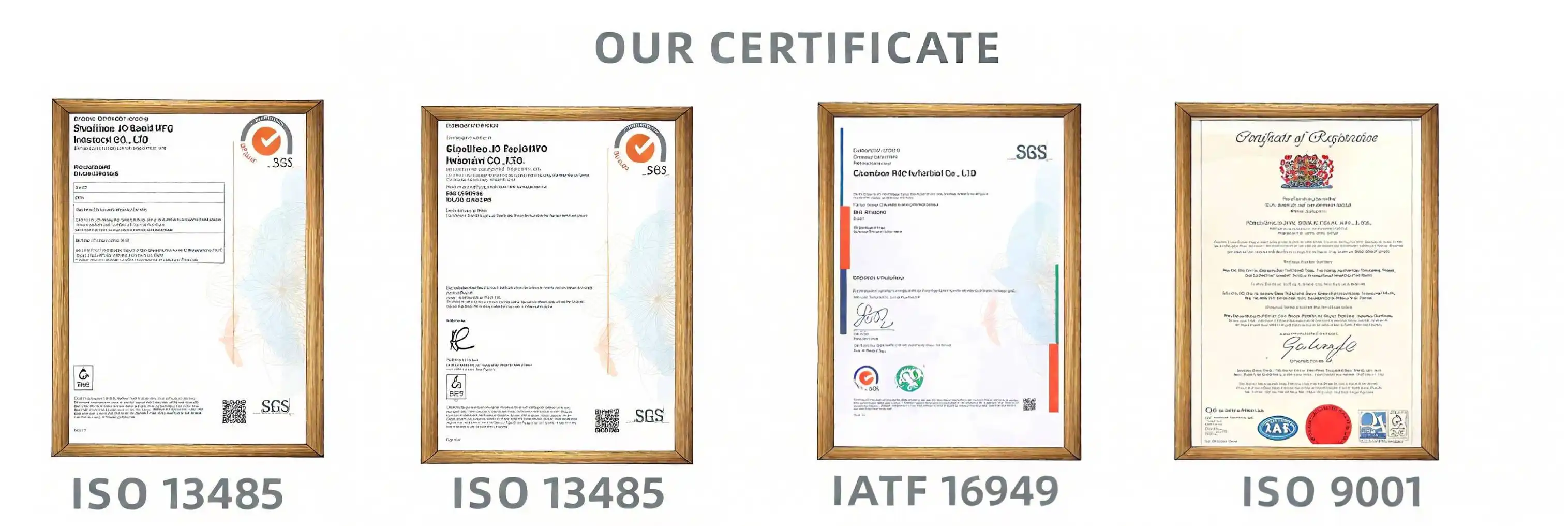
In humid places and places where metal is exposed to chemicals, rust is a big problem that needs serious upkeep. When you use engineered polymer components, you don't have to worry about this at all because they keep their shape and dynamic qualities over time. This resistance to rust is especially useful in storage and transportation systems that can't always control the environment. Our ISO 9001:2015-certified manufacturing methods promise consistent quality, and RoHS compliance makes sure that all of our products are safe for the environment.
How Nylon Parts Are Made and Their Impact on Durability?
Precision Manufacturing Techniques
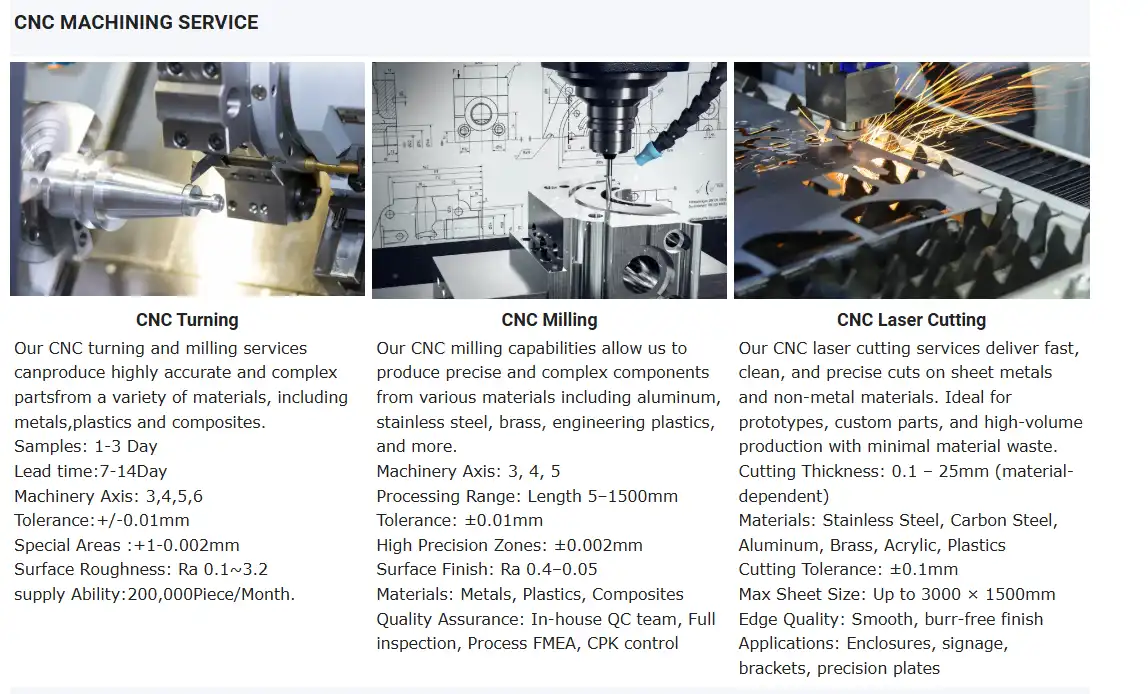
The production method has a big effect on the quality and performance of the nylon parts. Our Dongguan plant has 32 high-tech CNC tools that can make surfaces with roughness levels of Ra0.8μm or better. CNC turning, five-axis cutting, and precision milling can accurately make complicated shapes over and over again. With these advanced production skills, we can make parts for automation equipment, cars, and consumer electronics that meet the strictest size standards.
Which manufacturing method to use relies on the complexity of the part, the amount that needs to be made, and the tolerance standards. These are the main methods we use:
- CNC Machining: Gives you better shape and finish for low to medium-production, making it perfect for making unique metal parts
- Injection Molding: Allows for large-scale output that is very repeatable and cost-effective for standard designs
- Five-Axis Machining: This type of machining can handle complicated shapes that need to be approached from different angles and is great for a wide range of commercial uses
- Precision Turning: Makes cylinder-shaped parts with very tight tolerances, often used for bearing surfaces and bushings
These production skills directly meet the needs of purchasing managers who are looking for dependable providers who can regularly deliver precision parts. During the planning process, our engineering team works with clients to make sure that the product can be made easily while still meeting performance standards.
Quality Control and Material Additives
For quality that doesn't change, strict checking procedures must be used throughout production. Our in-process quality control (IPQC) finds problems before they happen to finished parts. Advanced testing tools, like 2.5D projectors and hardness tests, make sure that measurements are correct and that the material has the right qualities. Every important measurement is inspected one hundred percent of the time to make sure that every part meets the tolerances that were set. Glass-filled versions have reinforcing strands that make them much stiffer and less likely to expand when heated or cooled. This makes them last longer in high-stress situations.
Surface Treatment Options for Enhanced Performance
Even though nylon has benefits on its own, surface processes can make it work even better in certain situations. Polishing makes surfaces smooth, which makes them easier to slide on. Painting lets you use unique colors to make your brand stand out and adds extra UV protection. Specialized processes, such as grinding, change the surface's roughness to make it stick better to other parts. With these finishing choices, procurement workers can choose parts that are perfectly matched to the needs of their applications.
Practical Applications and Benefits of Nylon Parts in Industry
Machinery Components and Wear Resistance
Parts of industrial machines are constantly being stressed, worn down, and hit. Gears made from designed plastics work quietly and don't wear out after many contact cycles. The low friction rate of the material cuts down on the amount of energy needed for power transfer. These materials can be used to make bushings and bearings that don't need greasing systems. This means that less upkeep is needed. When fasteners are vibrated, they don't lose their clamping force, which keeps the unit in robotic equipment solid.
Environmental Factors Affecting Service Life
Operating factors have a big effect on how long a component lasts. Some polymer formulations can break down when exposed to ultraviolet light, but UV-stabilized grades lessen this effect. Different types of nylon absorb water in different ways. For example, Nylon 6 takes about 8–10% of its weight in water when it's fully soaked, but Nylon 12 only absorbs 1–2%. To keep the right gaps, this change in size caused by moisture must be taken into account during planning. Switching between hot and cold temperatures can cause stress, so choosing the right material is important for outdoor uses or equipment that works in a lot of different temperatures.
Maintenance Practices for Maximum Longevity
With proper care, parts last longer and don't break down when they're least expected. Visual checks done on a regular basis find wear patterns, cracks, or damage to the surface before they become useful problems. Cleaning gets rid of contaminants that could speed up wear and tear or stop a machine from working properly. Verification of dimensions during routine maintenance finds wear that happens over time, allowing replacement before it affects production. Recording inspection results creates a standard for estimating future repair needs, which improves the management of replacement parts inventory.
Procurement Insights: Choosing and Sourcing Strong, Durable Nylon Parts
Evaluating Supplier Reliability and Certifications
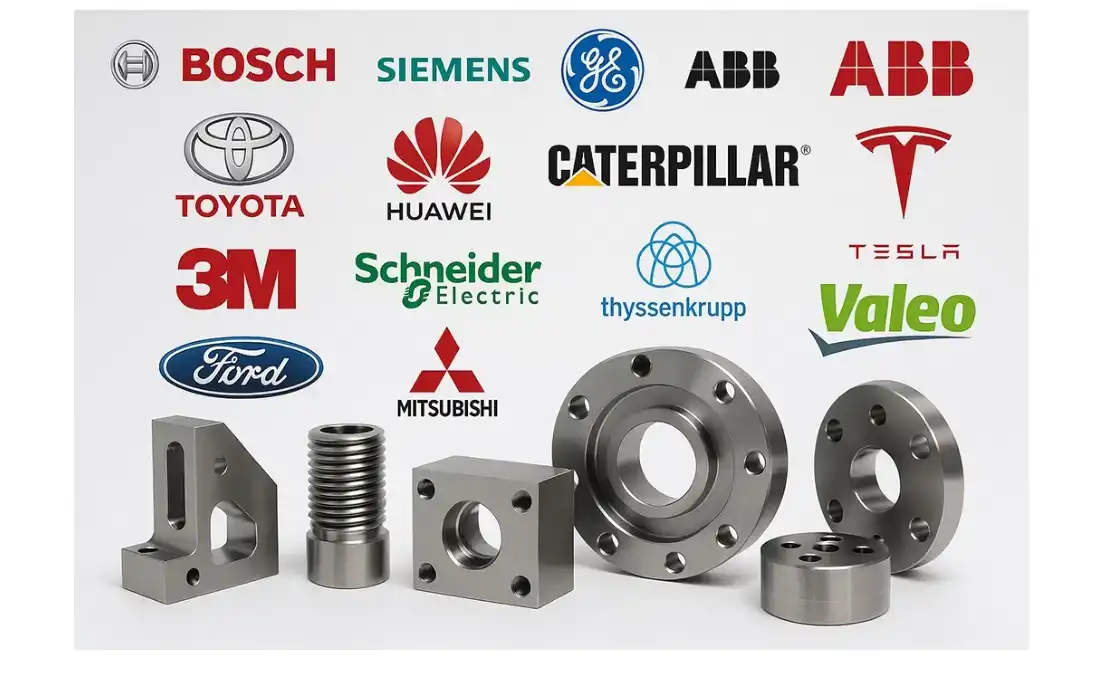
Choosing the right industrial partner has a direct effect on the quality of the product and the security of the supply chain. Established sellers with a history of doing a good job reduce the risk of buying things. Getting certified to ISO 9001:2015 shows that you are committed to using consistent quality management methods. RoHS and REACH compliance makes sure that materials follow environmental rules, which is very important for uses in tech and consumer goods. Lead times and logistics prices are affected by location, so using local suppliers for jobs that need to be done quickly is a good idea.
Cost Optimization Through Strategic Sourcing
Being able to see prices clearly lets you make accurate budget predictions and compare prices from different sources. When you buy in bulk, the unit cost is often lower, but you have to include the cost of keeping the goods in your total purchase costs. Custom order freedom lets you meet specific needs without having to pay a lot for tools. At Junsion, we work closely with buying teams to make sure that the amount of goods we need is balanced with the cost of each unit. Because we can respond quickly, we can quickly turn around both test and production orders.
Building Strong Supplier Partnerships
Having long-term ties with industry partners is better than doing business with them just once. Results are more reliable when suppliers know your exact needs and quality standards. With collaborative design help, parts are made easier to make, which cuts costs while keeping performance high. Having access to engineering experts helps developers solve technology problems as they work on their products. Our team gives you advice on how to improve your designs and how to choose the right materials, so your parts meet both useful needs and price limits.
Conclusion
Nylon parts are very strong and last a long time because of their special molecular structure, wide range of grade choices, and modern production methods. There is better performance with these designed parts compared to metals and other plastics because they are less likely to rust, lighter, and cheaper. Precision manufacturing techniques, such as CNC cutting and the ability to work on five axes, guarantee consistent quality and close tolerances. Reliability in harsh industrial settings has been shown through practical uses in machinery parts, robotic equipment, and vehicles. Strategic buying choices that take into account seller certifications, quality control, and the freedom of partnerships improve the performance of both parts and the efficiency of the supply chain.
FAQ
What tolerance levels can be achieved with precision-machined nylon components?
CNC machines today can machine nylon parts with tolerances of ±0.01mm, which meets the strictest standards for industry uses. If the surface roughness is at least Ra 0.8 μm, it will work smoothly in uses that need to avoid friction. For these levels of accuracy, you need high-tech tools, skilled workers, and strict quality control measures all the way through the production process.
How do different nylon grades compare for high-temperature applications?
Nylon 6/6 is better at withstanding heat than nylon 6, and it keeps its mechanical qualities at temperatures close to 150°C. Glass-filled versions are more stable in terms of size when temperatures change. When choosing a material, you should think about both the ongoing temperature and the highest temperature that it will be exposed to. Our engineering team can help you choose the right grade based on your individual thermal needs and the area where the material will be used.
What surface treatments are recommended for nylon components in outdoor applications?
When mixed with protective coatings, UV-stabilized material types make things last longer outside. Painting adds more UV protection and lets you use unique colors for branding. Specialized processes can change the qualities of the surface to make it more resistant to weather. Environmental exposure assessment during planning makes sure that the right materials and finishes are chosen.
Partner with Junsion for Precision-Engineered Nylon Components
Junsion has all the solutions that purchasing managers looking for solid relationships with nylon parts suppliers need. Our Dongguan plant is 1,600 square meters and has 32 high-tech CNC tools that can make parts to your exact specifications with ±0.01 mm tolerances and a Ra 0.8 μm surface finish. We use Nylon 6, Nylon 6/6, Nylon 12, and glass-filled versions to make high-quality parts for automation equipment, cars, and home products. RoHS compliance and ISO 9001:2015 certification make sure that the quality is always up to world norms. Get in touch with our technical team at Lock@junsion.com.cn to talk about your needs and get expert advice on choosing materials, improving designs, and planning production.
References
1. Kohan, M.I. (2020). "Nylon Plastics Handbook: Engineering Properties and Industrial Applications." Industrial Materials Research Press.
2. Crawford, R.J. & Throne, J.L. (2018). "Plastics Engineering: Material Properties and Manufacturing Processes." Manufacturing Technology Publications.
3. Harper, C.A. (2019). "Handbook of Plastics Technologies: Performance Characteristics of Engineering Polymers. "Materials Science Institute.
4. Chanda, M. & Roy, S.K. (2021). "Industrial Polymers: Specialty Products and Applications in Manufacturing." Technical Engineering Publishers.
5. Osswald, T.A. & Menges, G. (2020). "Materials Science of Polymers for Engineers: Mechanical Properties and Applications." Polymer Processing Research Foundation.
6. Kutz, M. (2019). "Applied Plastics Engineering Handbook: Processing, Materials, and Industrial Applications." Advanced Manufacturing Press.