




How Does Shaft Sleeve Reduce Shaft Wear and Damage?
Shaft sleeves act as buffers to protect spinning shafts from abrasion, corrosion, and stress. The precision-engineered parts act as a protective layer between the shaft and outside forces, soaking up wear that would otherwise damage the main shaft. The sleeve's material qualities and surface treatments make an interface with low friction that spreads loads widely and stops stress from building up in one place. This safety feature increases the life of machinery, lowers the number of repair visits, and cuts down on unexpected downtime. These are all very important benefits for procurement managers who are looking for low-cost ways to keep operations running in tough industrial settings.
Introduction
A lot of different kinds of industrial tools depend on spinning shafts to move and send power. Still, these important parts are always at risk from things like friction, toxic conditions, and mechanical stress, all of which lower performance and dependability over time. We know that broken equipment means lost production time, emergency fixes, and rising running costs. These are the kinds of worries that keep procurement managers and engineers on the edge of their seats when choosing parts.
Protective covers have become an important way to keep machines running smoothly and extend the life of shafts. These cylinder-shaped parts fit perfectly over shafts to stop harmful forces before they reach the main structural element. The smart use of protection shields solves a basic engineering problem: how to keep equipment reliable without having to replace shafts often or pay a lot to fix up.
This detailed guide looks at how these protective parts stop damage and wear, giving buying workers and product creators the technical information they need to make smart choices about where to source materials. We'll talk about how to choose the right materials, how to build them, how to install them correctly, and how to judge a supplier. All of this will help you get the most out of your tools while keeping your maintenance costs low. The information in this article helps people make smart choices about what to buy, which improves the continuity of output in the logistics, technology, and communications businesses.
Understanding Shaft Sleeves and Shaft Wear
What Are Shaft Sleeves and Their Primary Functions?
Shaft sleeves are cylinder-shaped parts that are carefully made to fit over moving or still shafts in industrial machinery. This group of parts acts as a barrier between the shaft's surface and outside factors that wear it down. The cover protects the shaft from mechanical stress, chemical attack, and rough touch that would otherwise damage it. By making a protected shield that can be replaced, these parts let maintenance teams fix equipment without having to buy new, expensive primary shafts. A basic rule of engineering says that it is cheaper to replace a sacrificial part than to fix or replace important parts of machinery. The functional design takes this into account.
Primary Causes of Shaft Deterioration
Machinery shafts are damaged in a number of ways that shorten their useful life. Friction from spinning contact loses heat and material at the surfaces of bearings, making clearances bigger over time and lowering accuracy. When metal surfaces are exposed to corrosive environments, like those with water, acids, or alkaline solutions, chemical processes happen that make the surfaces pit and weaken. Over time, fatigue cracks will spread through the shaft material because of the mechanical forces caused by cyclic loads. In working conditions, abrasive particles work like grinding chemicals to slowly remove surface material. All of these types of damage happen faster when the cleaning isn't done right, which makes situations where damage happens quickly. Knowing these ways that things can go wrong helps buying pros choose the right safety options for the working conditions.
Types of Shaft Sleeves and Material Characteristics
For different industrial uses, different cover materials are needed that are best for those uses and situations. Heavy-duty metal sleeves made from stainless steel types don't rust and can hold a lot of weight, so they can be used in pump uses and naval settings. Bronze metals are better at holding things because they are naturally lubricious, which lowers friction in moving parts. When the right surface treatments are applied to aluminum sleeves, they work well while being light and resistant to corrosion. Engineering plastics have special benefits, such as being resistant to chemicals, stable in shape, and lighter than metal options.
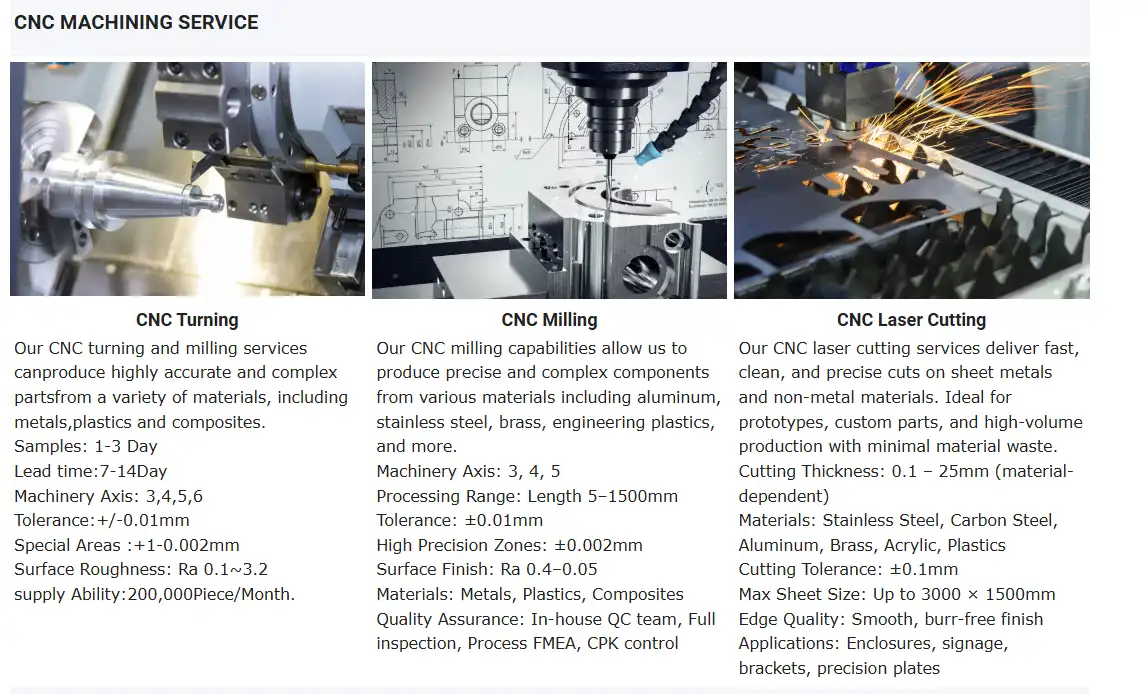
Today's high-tech production lets us make cuffs that fit perfectly, with tolerances of up to ±0.01 mm and surface roughness levels of Ra 0.8 μm or better. These specs make sure that the parts fit and work perfectly in a wide range of demanding situations, such as automation equipment, automobile systems, medical devices, aerospace parts, and robots. The choice of material is based on things like the working temperature range, the load, the chemical exposure, and the speed of spinning. CNC cutting, turning, and milling are some of the most advanced ways to make parts that meet very specific size requirements. Surface processes like painting, anodizing, QPQ, and wire drawing improve performance even more so that it fits the needs of the application.
How Shaft Sleeves Reduce Wear and Damage? Mechanisms and Benefits?
Sacrificial Protection and Corrosion Resistance
Putting a replacement part between the shaft and harmful external factors is the basic way the protection works. Because of this, the shaft sleeve takes on chemical attack, abrasive wear, and mechanical damage that would have happened to the main shaft otherwise. Protective barriers made from materials that don't rust form a chemical barrier that keeps acids, water, and other things that can rust from getting to the shaft surface below.
The properties of the material are very important to this defense plan. In harsh conditions, stainless steel types don't rust or react with chemicals. Chemicals like acids, oils, and industrial fluids don't damage engineering plastics very well. Anodizing and other surface processes make hard oxide layers that protect against rust even more. If the protective part wears out over time, it's a simple maintenance task to change it instead of a more complicated shaft repair. This method cuts down on lifetime costs by a large amount while keeping machine reliability.
Load Distribution and Reduced Metal-to-Metal Contact
Protective parts make it easier for mechanical loads to move through spinning systems. These parts spread contact loads over a bigger area by making the interface between bearing surfaces and shafts very precisely designed. Spreading out the load lowers the highest points of stress that can lead to localized wear and material fatigue. Getting rid of direct metal-to-metal touch between different types of materials stops galvanic rust and stops adhesive wear.
When the right materials are used for the sleeves, they make good tribological conditions. Some materials naturally lower their friction coefficients, which means they produce less heat and wear out less quickly. Modern CNC machines can make very precise measurements, which makes sure that loads are spread out evenly and there are no stress collection spots. Tolerance levels of ±0.01mm allow for the best gaps that combine the load capacity with the need for thermal expansion. This precise engineering makes bearings last longer and lowers vibrations that speed up the wear and tear on parts.
Shock Absorption, Vibration Damping, and Maintenance Advantages
In addition to basic safety, designed sleeves have damping properties that lower the dynamic loads that are sent to shafts. When materials have the right amount of elasticity, they can absorb shock loads from sudden hits or changes in function. This effect of padding stops stress spikes that cause wear cracks in shaft materials. Vibration damping lowers rhythmic forces that cause things to break down early, especially in fast-moving machines.
When you service your equipment, you can see how using safe shields helps with maintenance. When compared to fixing a shaft, replacing an old sleeve doesn't require as much downtime. Maintenance teams can quickly get equipment back to working order without having to use special tools or take it apart in large pieces. This lowers the average time it takes to fix something and keeps production running as smoothly as possible. Cost analysis always shows that replacing protected parts costs less than refurbishing shafts while keeping the same level of performance. Because of these benefits, buying managers who look at the total cost of ownership rather than just the prices of the parts at first are interested in protection barriers.
Selecting the Right Shaft Sleeve: Materials and Design Considerations
Material Selection: Metals versus Engineering Plastics
To choose between metal and plastic for a shaft sleeve, you need to carefully think about the conditions of use and the performance needs. Stainless steel, bronze, and aluminum alloys are all great metals for high-load uses where keeping the shape under stress is very important. These materials can handle high temperatures and have strong resistance to wear in rough conditions. Stainless steel types are better at resisting corrosion in chemical processes and marine environments. Bronze alloys have great bearing qualities and can lubricate themselves, which means they don't need as much upkeep.
In some situations, engineering plastics are clearly better than other materials. These materials can't be damaged by fluids and acids that are strong enough to eat away at metal parts. There are big benefits to reducing weight in aircraft and portable tools. When different metals are put together, galvanic rusting can't happen because of the electrical insulation qualities. Manufacturing freedom lets you make complicated shapes and features that are combined, which is hard to do with metal machining. Our company, Dongguan Junsion Precision Hardware Co., Ltd., makes precise plastic sleeves with unique sizes that meet tolerances of ±0.01 mm and surface roughness values of Ra 0.8 μm. With our CNC cutting, turning, and milling, we can make parts that are exactly what you need. The surface finishes can be painted, anodized, QPQ, or wire drawn to fit the needs of the application.
Application-Specific Considerations and Design Factors
To choose the right component, you need to make sure that the qualities of the material match the needs of the process. Temperature ranges that are used have a big effect on the materials that are chosen because thermal expansion factors change gaps and interference fits. For uses at high temperatures, materials need to keep their shape and mechanical features even when the temperature changes. Load capacity determines the needed wall width and the strength of the material.
When using pumps or being in a place with strong fluids, chemical interaction is very important. Corrosion protection needs to take into account certain chemicals that are present in the working environment. Rotational speed affects the choice of material because mechanical heating happens at high speeds, which some materials can handle better than others. The choice of installation method affects the details of the design. For example, some pieces need to be pressed into place, while others can be put together using thermal expansion techniques.
Procurement criteria go beyond technical specs and include things like how reliable the seller is and how well they can serve you. Lead time response affects how production schedules are made and how much material is needed. Customization lets you make solutions that fit the needs of a specific application. Quality licenses, such as ISO 9001:2015 and RoHS compliance, make sure that industrial standards are always met and that the company is environmentally responsible. Cost considerations must weigh the original prices of components against their term value, which includes how often they need to be maintained and how reliable they are in the long run.
Installation and Maintenance of Shaft Sleeves to Maximize Performance
Step-by-Step Installation Guidelines
The best performance and life of a component depend on how it is installed correctly. The first step is to clean both the shaft's surface and the shaft sleeve's interior bore very well to get rid of any dirt or debris that could lead to an uneven fit or the start of rust. A visual check of the surface finds any harm that could weaken the assembly. Dimensional verification makes sure that the measures of the shaft and sleeve are within the limits set by the standard.
Installation ways are different depending on the needs of the design. Press-fit systems need to be put together with controlled force so that the interference is just right without hurting the parts. When installing something, hydraulic tools evenly distribute the force. In thermal expansion methods, the sleeve is heated to make its inside diameter bigger. This makes it easier to place over the shaft, and when it cools, an interference fit is formed that is secure. Misaligned stresses that speed up wear can be avoided by making sure the fitting is done correctly.
Some common installation mistakes are not properly preparing the surface, using too much force during installation, which can damage parts, and not aligning them correctly, which can lead to uneven load distribution. These problems can be avoided by using the right software tools. During building, special supports keep things lined up. Controlled heating equipment makes sure that the material expands evenly without getting too hot, which could change its features. Overtightening can damage holding hardware, so make sure you follow the manufacturer's torque recommendations for all of it.
Routine Maintenance and Inspection Practices
Setting up regular check plans lets you find early signs of wear before they cause a component to fail. Damage to the surface, the start of rust, and strange wear patterns can all be seen with the naked eye. Changes in clearance that show wear is getting worse can be tracked by measures of dimensions. Vibration tracking finds dynamic imbalances that point to worn-out parts.
Maintenance techniques greatly increase the life of protection components. When you lubricate according to the manufacturer's instructions, you stop rust and reduce friction and wear. The right lubricant is chosen based on the working temperature and chemical interaction needs. Protection against corrosion, such as protective layers and weather controls, slows down damage in harsh conditions. Controlling contamination by closing well stops gritty particles from getting in.
Procedures for troubleshooting help maintenance teams find and fix new problems fast. Noise or sound patterns that aren't normal can mean that there are alignment issues or advanced wear that needs to be fixed. Increasing temperatures can mean that grease is breaking down or there is too much friction. If you act quickly on these warning signs, you can stop fails that damage many parts at once. Keeping records of what you find during inspections and maintenance tasks helps you forecast maintenance plans that find the best time to replace things. These practices keep repair costs low and device availability high by reducing unplanned downtime.
Buying Guide and Trusted Suppliers for Shaft Sleeves
Supplier Evaluation Criteria
Choosing the right manufacturing partner has a big effect on the quality of the parts, the dependability of shipping, and the long-term support. Quality standards are concrete proof of the ability to make things and keep an eye on the whole process. Getting ISO 9001:2015 approval shows that you are dedicated to using consistent quality management systems. RoHS compliance makes sure that companies are responsible with the climate and follow the rules, which is important for global markets. Technical skill is shown by the ability to test materials and the use of dimensional checking tools.
Reliability in lead times affects production schedules and the cost of keeping supplies on hand. Suppliers who have good supply chain management and enough output capacity always keep their delivery promises. Customization lets you make solutions that fit the needs of a specific application. Engineering support helps make sure that the design of a part works best in a certain set of situations. Long-term friendships, not just transactions, are formed through after-sales service that includes technology help and warranty support.
Procurement Options and Quality Standards
Established producers have a track record of success and a lot of knowledge with a wide range of applications. Companies like SKF, TIMKEN, and Parker have been making bearings and seals for a long time and can use that experience to help create safe components. Their wide range of products covers a wide range of industrial uses with standard solutions that get better over time and have been proven to work reliably in the field.
Different ways of buying things depend on how much you need and how you want it to be customized. When you buy uniform parts in large quantities, buying them in bulk can save you money. Custom production meets particular needs, such as those that have to do with specific sizes, materials, and performance traits. Pricing systems take into account the cost of materials, the difficulty of production, and the number of orders. Instead of just looking at the original purchase price, total cost analysis looks at how long parts last, how often they need to be maintained, and how reliably they work.
Dongguan Junsion Precision Hardware Co., Ltd. is a shaft sleeve expert in making precision-engineered safety parts for automation equipment, cars, hospitals, spacecraft, home products, robots, motorcycles, and artificial intelligence systems. Our new building, which is 1,600 square meters and located in Dalingshan, Dongguan, opened in 2019. It has 32 high-tech CNC machines that can produce parts with precise tolerances of ±0.01 mm and surface roughness values of up to Ra 0.8 μm. We use CNC machining, turning, and milling to make covers to your exact specifications out of industrial plastics. Different surface treatments, such as painting, anodizing, QPQ, and wire drawing, make the function better for different uses. Our dedication to quick reaction and quality control is backed by ISO 9001:2015 certification and RoHS compliance. We serve customers in over 20 countries around the world. A meeting with an engineer can help you choose the best materials and make designs that meet your practical needs.
Conclusion
Shaft sleeves provide real worth by extending the life of machines and lowering the costs of running them. These carefully made parts act as protective shields, stopping wear, corrosion, and mechanical stress that could damage more expensive main shafts. Choose the right materials, make sure the design is optimized, put them correctly, and do regular upkeep to get the most protection for the least amount of money over the life of the structure. Partnering with makers that offer technical support, customization options, and quality certifications that guarantee consistent performance gives procurement pros a competitive edge. Strategically choosing parts based on working conditions, load requirements, and environmental factors improves the dependability and servicing efficiency of tools used in a wide range of industries.
FAQ
How often should shaft sleeves be inspected and replaced?
How often you inspect relies on how the machine is used and how hard the job is. In places with a lot of stress or rust, shaft sleeves should be looked at once a month to see if there is damage to the surface, changes in size, or corrosion. Moderate-duty uses usually need to be inspected every three months. When structural wear goes beyond the design tolerances, damage can be seen, or performance starts to decline, it's time to replace the part. Monitoring vibrations and keeping an eye on temperatures are early danger signs. Setting up standard data lets you do trend analysis that tells you when to replace something before it breaks.
Can shaft sleeves withstand chemically aggressive environments?
Chemical protection depends on the choice of material. Engineering plastics work really well in places where metals rust quickly, like places with strong acids, solvents, and alkaline solutions. Certain types of plastic don't react well with certain chemical families, so compatibility checks are needed. Stainless steel types can handle a wide range of corrosive conditions, while bronze metals are better suited to certain chemical situations. Surface processes make materials more resistant to rust beyond what the base material already has. Checking material match charts and doing tests that are specific to the application makes sure that the right choice is made.
What distinguishes shaft sleeves from shaft liners?
Different businesses use different terms, but there are practical differences. "Protective sleeves" usually refers to parts that can be taken off and put on shafts to protect them from wear and rust. Liners are usually used to talk about parts that stay in place inside housings or bores and that shafts turn against, acting more like bearing surfaces. The difference between replaceable external protection and internal bearing surfaces is made clear by the design purpose and fitting method. The application setting selects the right words and parts to use.
Partner with Junsion for Precision Shaft Sleeve Solutions
To get the most out of your equipment and keep upkeep costs low, you need to get precision-engineered protective parts from a reputable shaft sleeve maker. Advanced CNC cutting, turning, and milling are used by Dongguan Junsion Precision Hardware Co., Ltd. to make unique solutions with surface roughness of Ra0.8μm and tolerances of ±0.01mm. In the automation, automobile, medical, aircraft, and robot industries, our engineering plastics don't rust or wear down easily and perform well in tough situations. We help buying managers and product creators find efficient, long-lasting solutions by being ISO 9001:2015 certified, RoHS compliant, and able to respond quickly. You can email our expert team at Lock@junsion.com.cn, echo@junsion.com.cn, or evelyn@junsion.com.cn to get advice and quotes that are made just for you.
References
1. Budynas, R.G. and Nisbett, J.K. (2020). Shigley's Mechanical Engineering Design, 11th Edition. McGraw-Hill Education, New York.
2. Hutchings, I.M., and Shipway, P. (2017). Tribology: Friction and Wear of Engineering Materials, 2nd Edition. Butterworth-Heinemann, Oxford.
3. American Society of Mechanical Engineers (2019). ASME Standards for Shaft Design and Protection Components in Rotating Equipment. ASME Press, New York.
4. Khonsari, M.M. and Booser, E.R. (2017). Applied Tribology: Bearing Design and Lubrication, 3rd Edition. John Wiley & Sons, Hoboken.
5. Society of Tribologists and Lubrication Engineers (2018). Technical Guidelines for Shaft Protection Systems in Industrial Machinery. STLE Publications, Park Ridge.
6. Neale, M.J. (2020). The Tribology Handbook, 4th Edition. Elsevier Butterworth-Heinemann, Amsterdam.