




How Does a Metal Solenoid Valve Control Fluid Flow Precisely?
Through electromagnetic actuation, which turns electrical data into mechanical movement, a metal solenoid valve exactly controls the flow of fluid. A magnetic field is created when electricity flows through the solenoid coil. This field moves a plunger up or down, which opens or closes the valve hole. Metal solenoid valves are necessary for demanding industrial applications that require precise fluid regulation in water, gas, oil, and chemical systems because of their electromagnetic mechanism, which allows quick, accurate reaction times and little leakage.
Understanding the Working Principle of Metal Solenoid Valves
Learn how metal solenoid valves work by reading this article. The basic design of metal solenoid valves in fluid systems is where their accuracy starts. In the middle of every metal solenoid valve is an electric coil that is wound around an armature or pusher that can move. This arrangement, which may seem simple, provides these parts with remarkable control capabilities, making them essential in automation, chemical processing, and industrial applications.
Core Components and Electromagnetic Mechanism
The valve body is home to several important parts that work together. The electrical messages are sent to the solenoid coil, which turns them into magnetic force. The magnetic field pulls the ferromagnetic plunger toward the center of the coil when it is turned on. This opens or closes the valve path automatically. The counterforce comes from a return spring, which moves the plunger back to its original position when the power is turned off. The valve seat and seal make sure that the valve shuts off tightly, which stops leaks. This combination of electronics and mechanics makes it possible for accurate, repeatable action cycle after cycle.
Metal Versus Plastic Construction
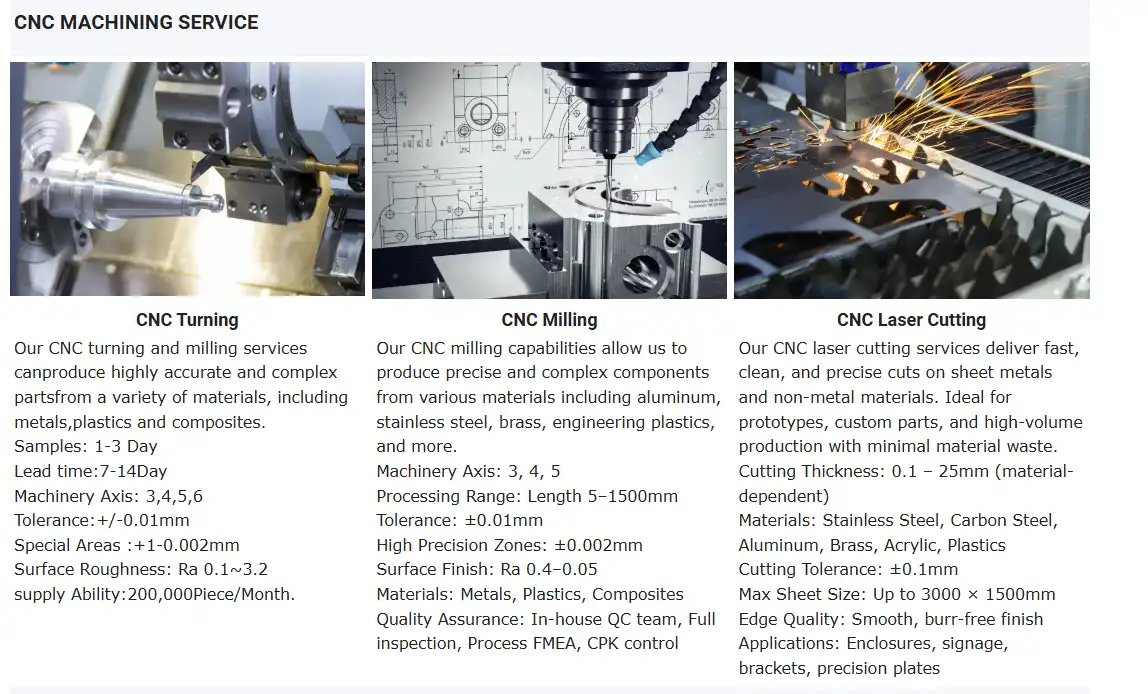
The main difference between metal and plastic valve types is how long they last. Metal solenoid valves made of types 316, 304, 303, or 410 stainless steel can resist corrosive media, high pressure, and extreme temperatures that would damage polymer housings. Building with metal is more stable when there are changes in temperature and pressure. We at Dongguan Junsion Precision Hardware Co., Ltd. use modern CNC turning and five-axis cutting to make valve parts with tolerances of ±0.01 mm and surface roughness of ≤ Ra0.8 μm. These exact specs make sure that the sealing is always the same and that the equipment lasts longer in robots, automation, medical devices, and aerospace systems.
Direct-Acting and Pilot-Operated Designs
The industrial world is mostly made up of two operating configurations. Direct-acting valves use the magnetic power of the solenoid to open or close the orifice directly. They have quick reaction times that make them particularly effective for low-flow situations. Because the movement of the plunger directly controls the flow of media, these valves are perfect for systems that need to cycle quickly. With pilot-operated valves, system pressure helps move the valve, which lets smaller solenoid coils handle bigger flow paths. When the solenoid is turned on, a small starter opening is created. This action makes a difference in pressure that lifts the main diaphragm or piston. This design works well with higher pressures and flow rates, but it responds somewhat more slowly than direct-acting designs.
Technical Parameters Affecting Precision
Operational precision depends on many different requirements that all work together. The amount of electromagnetic power is based on the coil voltage. Common values are 12V DC, 24V DC, 110V AC, and 220V AC. Response time, which is the time between sending a signal and the valve fully opening, can be anywhere from 10 to 100 milliseconds, based on the design. The pressure number tells you the highest working pressure that the valve can safely handle, from zero pressure to 5000 psi or more. Temperature tolerance tells you the temperature range where materials and seals will keep their qualities, which is critical for uses that need to work in harsh conditions. The material used directly affects chemical compatibility. For example, 316 stainless steel resists acids, chlorides, and acidic fluids better than brass or aluminum.

Applications and Advantages of Metal Solenoid Valves in Fluid Control
In industrial settings, parts need to be able to resist harsh circumstances while still working correctly. When dependability is critical, electromechanical valves made from metal alloys are the best choice.
Industrial Use Cases in Demanding Environments
In oil and gas activities, these valves control the flow of oil and gas through pipelines, the pressure at the wellhead, and emergency shutdown systems. Because crude oil, natural gas, and produced water are all acidic, materials like 316 stainless steel are needed that can handle sulfur stress cracking and chloride attack. Metal solenoid valves are used in chemical processing plants to handle batch operations, dose reactants, and separate process steps. Aggressive chemicals, like acids, bases, and liquids, need valve bodies and covers that are made to work with certain media. These valves are used in water treatment plants to control chlorination, backwash filtering, and handle distribution. They need to be consistently actuated so that process interruptions don't affect the quality of the water.
Superior Material Properties
For the most part, metal structure has these benefits:
Corrosion Resistance: Some types of stainless steel leave behind inactive layers of chromium oxide that keep chemicals and rust from damaging the steel. This feature keeps the valves in good shape when they are exposed to chemicals, seawater, and industrial wastewater that would damage less durable materials. Our precise machining methods keep this protective layer in place while getting the tight limits needed for leak-free function.
Pressure and Temperature Capability: Metal valves can handle temperatures from -196°F to 400°F and pressures of over 3000 psi, which is much higher than what plastic valves can do. This toughness makes it useful in places where maintaining structure integrity under stress is very important, like steam systems, hydraulic circuits, and high-pressure gas distribution.
Extended Service Life: Metal valves that are properly defined can work efficiently for millions of cycles. Durable body materials, precisely polished sealing surfaces with roughness values ≤ Ra0.8μm, and the right seal materials all work together to reduce wear and increase the time between maintenance visits. Because it lasts longer, the total cost of ownership goes down because it needs to be replaced less often and has less downtime.
These benefits directly address the problems that purchasing managers face when they need to choose parts for important fluid control uses. An initial investment in good metal valves pays off because they work reliably and need little upkeep over the product's lifetime.
Real-World Performance Examples
Recently, a global company that makes electronics added our custom valves made of metal to their automatic soldering equipment. For the job, careful control of the flow of coolant was needed to keep temperatures stable during high-speed production. The maker achieved temperature stability within ±2°C by using valves with ±0.01mm tolerance and response times less than 20 milliseconds. This cut defect rates by 18% while increasing output. The valve bodies were treated with electroplating, which made them more resistant to rust from flux leftovers and cleaning agents.
Comparison & Selection: Choosing the Right Metal Solenoid Valve for Precise Fluid Control
Picking the Correct Metal Solenoid Valve for Accurate Fluid Control: A Comparison and Selection. When making choices about purchases, you have to weigh the technical needs against the budget limits and operational goals. Figuring out the best options is possible when you know how differences in design affect efficiency.
Material Selection: Stainless Steel Versus Brass
Stainless steel is stronger and less likely to rust than brass, so it is better for use in systems with harsh media and high pressure. Grade 316 stainless steel has molybdenum in it, which makes it more resistant to pitting and crevice rust in chloride conditions. This makes it perfect for use in marine and seaside settings. Grade 304 is a cheaper version of grade 304 that has great general corrosion protection and can be used in freshwater and many chemical uses. Brass valves work well with harmless fluids like air, neutral water, and light oils, and they don't cost much. Brass can lose its zinc when it comes into contact with some waters, but stainless metals don't do that, so they will last for a long time.
Coil Voltage and Electrical Considerations
Matching the voltage of the coil to the power sources that are available makes installation easier and control less complicated. When it comes to continuous-duty uses, DC coils are better because they respond faster and produce less heat than AC coils. AC coils can handle changes in power better and usually cost less, making them a good choice for intermittent job cycles. Power needs range from 3 to 40 watts depending on the type of coil used. This can affect energy costs in systems with many switches. In dangerous places where flammable vapors may be present, explosion-proof grades are needed. This means that special coil enclosures must meet ATEX or similar standards.
Pressure Ratings and Flow Characteristics
The valve's pressure number must be higher than the system's highest pressure, which includes short-term pressure spikes. Undersizing increases the chance of a break or leak, while oversizing too much raises costs without being necessary. The flow coefficient (Cv) tells us how much flow there is at a certain pressure drop, which lets us do correct size calculations. A valve that doesn't have enough Cv causes too much pressure drop, which wastes energy and could lead to cavitation. Manufacturers like ASCO, Parker, SMC, and Burkert offer detailed flow data. However, unique designs might need to be tested to make sure they work properly. During production at Junsion, we do strict quality control checks for pressure, flow, and response time to make sure that every metal solenoid valve meets the requirements before it is sent out.

Maintenance, Troubleshooting, and Procurement Tips for Metal Solenoid Valves
How to Check for Problems, Maintain, and Buy Metal Solenoid Valves. To keep accurate fluid control, you need to do regular upkeep and make smart buying choices. When you know about common problems and the best ways to buy things, you can keep operations running smoothly.
Scheduled Maintenance Procedures
Regular inspection intervals prevent minor issues from escalating into failures. Cleaning the inside of a valve gets rid of built-up dirt that can stop flow or stop the valve from closing all the way. To protect precisely machined sealed areas, disassembly should be done according to the manufacturer's instructions. By checking seals for stiffening, breaking, or erosion, you can tell which parts are almost done with their useful life. It is cheaper to replace seals during planned shutdowns than to make emergency fixes during unexpected downtime. Testing reaction time and leaking rates makes sure that performance stays within the limits that were set. Keeping track of the past of maintenance helps figure out when to change parts and how reliable they are.
Common Troubleshooting Scenarios
When valves won't open, it's usually because the coils are burned out, the wiring is bad, or there is a technical problem. Using a multimeter to check the coil's resistance proves that the electricity is still flowing, and measuring the voltage at the coil makes sure that the control signal is getting through. Debris, rust, or imbalance can cause mechanical binding, which means the parts need to be taken apart and cleaned. If valves don't close all the way, it could mean that the seals are old, the seats are broken, or there isn't enough return spring force. If there is too much leaking, the seal needs to be replaced and the sitting areas need to be checked for scoring or pitting. Our stamping and CNC cutting methods make parts that are accurate in their dimensions and stay that way for the life of the valve.
Procurement Considerations for B2B Buyers
When evaluating possible providers, you need to look at their professional skills, quality systems, and support infrastructure. Getting ISO 9001:2015 approval shows that you care about quality management, and RoHS compliance shows that you care about the environment. These are standards that we uphold at Junsion. Lead times for normal catalog items and unique designs are very different, running from days to weeks. Volume discounts are good for bigger sales, but they have to be weighed against the cost of keeping supplies. Customization options let Metal solenoid valves be made to fit specific needs, but they usually add to wait times and may cost more for tooling. Reliable shipping keeps parts safe while they're in transit. This is especially important for precision-machined items that are easily damaged by impact. Long-term happiness and operating continuity are affected by after-sales support, which includes expert advice, guarantee coverage, and the availability of replacement parts.

Conclusion
In conclusion. Modern industry processes can meet the needs of global markets for accuracy, dependability, and efficiency by controlling the flow of fluids precisely with metal solenoid valve technology. Procurement managers and product writers can come up with the best solutions when they understand the working principles, application needs, and selection criteria. Metal construction is strong and reliable, making it perfect for tough conditions in the transport, communications, consumer goods, and electronics industries. If you keep these parts in good shape and make smart buying choices, they will last for years and years and support important operations.
FAQ
What pressure rating should I specify for my application?
Choose a pressure number that is at least 20% higher than the maximum system pressure to account for short-term spikes. Water hammer effects may happen in dynamic systems with fast valve action, so they need an extra safety cushion. Manufacturers usually give pressure versus temperature graphs, and scores tend to go down as temperatures rise.
How do direct-acting and pilot-operated valves differ in operation?
How are direct-acting and pilot-operated metal solenoid valves different in how they work? Direct-acting designs only use electromagnetic force to move the valve system. This gives them a quick reaction that makes them good for precise control. In pilot-operated setups, a small pilot valve moves the main valve element when system pressure is applied. This lets smaller solenoid coils control bigger flow passages.
Which brands offer superior warranty and technical support?
Manufacturers with a long history, like ASCO, Parker, SMC, and Burkert, offer detailed technical documents, helpful customer service, and warranties that last for one to three years. Specialized providers like Junsion can customize products and offer technical support for OEM uses that need custom solutions.
Partner with Junsion for Custom Metal Solenoid Valve Solutions
Work with Junsion to get custom solutions for metal solenoid valves. Dongguan Junsion Precision Hardware Co., Ltd. is ready to help you with your fluid control needs by making parts that are precisely designed and meet the highest standards. Our 1600-square-meter building has 32 high-tech CNC tools that can make special valve parts out of 316, 304, 303, and 410 stainless steel with an accuracy of ±0.01 mm. To get the best performance for your purpose, we offer a wide range of surface processes, such as sanding, anodizing, sandblasting, plating, and electrophoresis. Our engineering team works with you from the idea stage all the way through production, whether you need standard settings or unique OEM/ODM designs for medical devices, consumer goods, automation equipment, or aerospace systems. As a company that makes metal solenoid valves, we dedicate ourselves to quick response, quality assurance, and compliance with ISO 9001:2015 and RoHS. We provide reliable solutions that meet strict requirements. You can email us at Lock@junsion.com.cn, echo@junsion.com.cn, or evelyn@junsion.com.cn to talk about your needs and get a personalized price.
References
1. Esposito, A. (2013). Fluid Power with Applications (7th ed.). Pearson Education Limited.
Stewart, H. L., & Storer, J. M. (2015). Pneumatic and Hydraulic Systems: Control in Engineering. McGraw-Hill Professional Publishing.
2. Parr, A. (2011). Hydraulics and Pneumatics: A Technician's and Engineer's Guide (3rd ed.). Butterworth-Heinemann.
3. Majumdar, S. R. (2017). Industrial Instrumentation: Principles and Design. Tata McGraw-Hill Education.
4. ISO 4401:2018. Hydraulic Fluid Power — Four-port Directional Control Valves — Mounting Surface. International Organization for Standardization.
5. Hedges, C. S. (2016). Industrial Fluid Power Volume 2: Systems and Controls (5th ed.). Womack Educational Publications.