




How Do Tungsten Carbide Inserts Improve Cutting Performance?
Tungsten carbide inserts change the way things are machined because they have high strength, low wear, and high thermal stability that other tools can't match. These cutting tools are made of tungsten carbide bits and a cobalt glue. These tungsten carbide inserts are very hard, almost as hard as diamonds on the Mohs scale. This wonderful quality directly leads to longer tool life, steady accuracy in measurements, and better surface finishes in tough industrial settings. If procurement managers are looking for reliable, low-cost manufacturing solutions, they need to know how these pieces improve cutting performance to keep their production efficiency competitive.
Understanding Tungsten Carbide Inserts and Their Cutting Advantages
Composition and Material Science Behind Superior Performance
The makeup of the material is what makes a cutting tool exceptional. Tungsten carbide inserts are made up of tungsten and carbon atoms arranged in a very dense solid structure. It is usually bound with cobalt in amounts ranging from 6% to 12% by weight. When combined, they form a material that is about twice as stiff as steel and more chemically resistant than most metals. The cobalt binder gives the material the toughness it needs to keep from breaking easily during interrupted cuts or difficult grinding circumstances.
We make cutting tools at Dongguan Junsion Precision Hardware Co., Ltd. with tolerances as small as ±0.01mm, which means they are always accurate and consistent. Our advanced CNC and EDM processing methods let us make precision-ground cutting edges that stay sharp over long production runs. This directly meets the needs of industries like electronics, communications, and aircraft that must have exact measurements.
Key Performance Characteristics That Drive Efficiency
Knowing the main benefits helps procurement pros make smart choices about where to source things. Here are the main performance advantages that make these cutting tools better than others:
Exceptional Hardness and Wear Resistance: The material keeps its cutting edge even when it's under a lot of heat and pressure (8.5 to 9 on the Mohs scale). This means that the tools don't need to be replaced very frequently and can work with sharpened steels, titanium alloys, and rough materials.
Thermal Stability for High-Speed Operations: Carbide cutting tools don't soften above 600°C like high-speed steel does. They also keep their shape at temperatures above 1000°C. This feature lets the cutting go faster, which cuts down on cycle times and boosts output in industrial settings.
Superior Toughness Compared to Ceramics: Ceramic cutting tools are very hard, but they don't have the impact resistance needed for cuts that need to be stopped. Carbide materials provide the best mix because they can handle both continuous and interrupted cutting processes.
All of these benefits cut down on downtime, improve the quality of the surface finish, and lower the cost of making each piece. Manufacturers who use these tools say they are 30–50% more productive than traditional tools, and the tools last three to five times longer than HSS options. Such changes have a direct effect on the company's bottom line, which turns material choice into a strategic purchasing decision rather than just a technical requirement.
Core Factors That Influence Cutting Performance with Tungsten Carbide Inserts
Insert Geometry and Design Considerations
Tungsten carbide inserts: the shape of a cutting tool has a big impact on how chips form, how heat moves, and how smooth the surface is. Cutting angles, strength, and the number of useful edges depend on the shape of the insert, which can be a triangle, a square, a round, or a diamond. Chipbreakers built into the insert face control the flow of chips, stopping long, stringy chips that can damage parts or get tangled up in machinery.
Rake angles affect cutting forces and heat production. Positive rake angles make it easier to cut soft materials because they lower the cutting power but weaken the cutting edge. Negative rake angles make the edge stronger for rougher materials and cuts that aren't straight, but they need more powerful equipment. Clearance angles keep the insert and part from rubbing against each other, which is important for keeping the dimensions correct.
Material Grades and Coating Technologies
Not every carbide cutting tool works the same way. Manufacturers divide inserts into grades based on the cobalt level and grain size, with each grade being best for a certain type of material. When polishing hard materials, fine-grain carbides with less cobalt are better because they are harder, while coarse-grain carbides with more cobalt are better because they are tougher for roughing cuts in flexible materials.
Our ability to treat the surface of tools at Junsion makes them work better and last longer. We have improved our coating options to address specific problems that arise during machining:
PVD Coating: Physical Vapor Deposition puts on thin, durable layers like TiN or TiAlN at lower temperatures. This keeps the sharpness of the edges while making them more resistant to wear and friction. In metal and non-ferrous grinding, this coating makes tools last 200 to 300 percent longer.
CVD Coating: Chemical Vapor Deposition (CVD) coatings are stronger and more regular, and they stick well and don't change color. CVD layers like TiCN offer better protection against crater wear at high temperatures and work especially well for machining steel.
AlTiN Coating: Aluminum-titanium nitride is very resistant to weathering and keeps its protective qualities at temperatures above 800°C. This makes it perfect for cutting aircraft metals and hardened steels at high speeds, which creates a lot of heat.
Cutting Parameters and Their Optimization
To get the best results, you need to make sure that the cutting settings are right for the material and the insert. How fast you cut, in square feet per minute, has a direct effect on how much heat you make and how quickly your tools wear out. Higher speeds make things more productive, but they also wear things out faster because of heat stress. The chip width and surface finish are controlled by the feed rate. Higher feed rates remove material more quickly, but the surfaces are rougher. Cutting forces and shaking are affected by the depth of the cut. For deeper cuts, the insert shapes need to be more stable.
Finding the right balance between these factors takes experience and trial and error. Conservative parameter selection doesn't make the most of the tool's powers, while aggressive choices cause it to fail too soon. Junsion's engineering team offers consulting services to help customers find the best cutting conditions for their unique needs. This way, customers can get the most out of their tool investments.
How to Select the Right Tungsten Carbide Insert for Your Cutting Application?
Material-Specific Selection Criteria
How to choose the best tungsten carbide inserts for your cutting needs: the grade and shape of the insert must match the properties of the workpiece material. When it comes to general-purpose types, carbon steels and low-alloy steels with balanced hardness and stiffness work well in machines. Stainless steels make more heat and strengthen quickly after being worked on, so they need tougher types with good chipbreakers. Cast iron makes rough chips that need grades that don't wear down easily. On the other hand, aluminum and other non-ferrous materials need sharp, positive-rake plugs to keep edges from building up.
The shape of the part has a big effect on the choice of fix. Simple turning processes on round stock make it possible to make inexpensive insert shapes with more than one useful edge. For complex threading or profiling, you need specific shapes that fit the details of the workpiece. For large-scale production, investing in application-specific tools makes sense, but for pilot work, you need solutions that can be used for a variety of tasks.
Comparative Analysis with Alternative Cutting Materials
Knowing how carbide materials stack up against other options makes their value offer clearer. At first, high-speed steel tools are cheaper, but they wear out quickly at speeds above 100 surface feet per minute, so they need to be replaced often, which stops output. Ceramic cutting tools are great for finishing tough materials quickly, but they break easily when cuts are stopped or when they are handled incorrectly.
Carbide cutting tools are the best in terms of performance. They are hard enough to be ceramic, but tough enough to be much better than both HSS and ceramic options. Because of this balance, they are the first choice for 70–80% of cutting jobs in all industrial sectors. The higher cost at first—usually three to five times the price of HSS—is justified by longer tool life and higher efficiency, which lowers the cost per piece by forty to sixty percent.
Supplier Evaluation and Quality Assurance
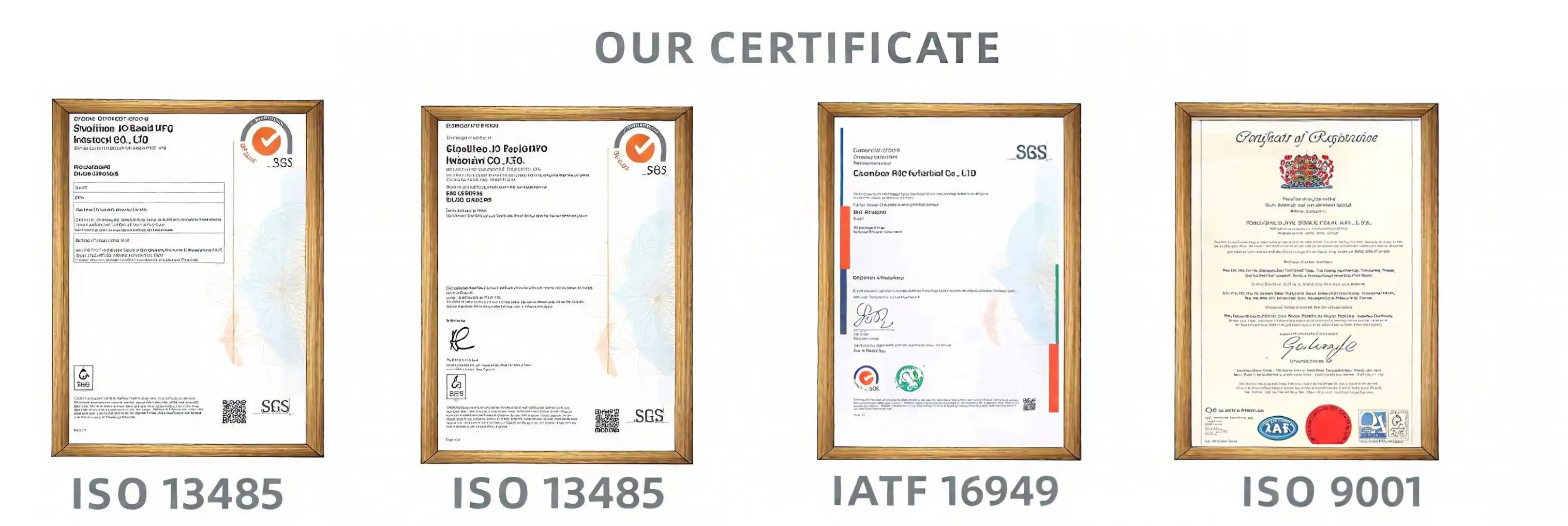
Sourcing choices affect how reliable the output is and how well costs are managed. Reputable makers keep the standard of their products high by strictly controlling the production process and certifying the materials they use. Our ISO 9001:2015-certified quality control system and RoHS compliance at Junsion make sure that our products meet all worldwide standards. Advanced measuring tools check the accuracy of the dimensions, and regular tests of the materials and batch reviews make sure that the quality is the same from one production run to the next.
Buyers should judge providers by how well they can help with technology issues, how reliable their deliveries are, and how much they can customize their products. Manufacturers who offer application engineering help add value to their products beyond the physical ones. They do this by helping customers choose the best tools and set the best cutting settings. In the metallurgy, automobile, and aircraft industries, where normal catalog items often don't meet performance needs, our one-stop custom solutions are the only way to go.
Practical Tips for Using Tungsten Carbide Inserts to Maximize Cutting Performance
Proper Handling and Installation Procedures
Tungsten carbide inserts: practical advice for best cutting results. To get the most out of a tool's life, it must be handled and mounted correctly. Even though carbide materials are very hard, they are also weak and easily broken by contact. When you drop inserts on hard surfaces, they can form tiny cracks that spread during cutting and cause the inserts to fail before they should. Keep inserts in their safe package until you're ready to use them, and be careful when you're installing them.
When you put an insert securely, it can't move, which could damage both the tool and the workpiece. Remove any chips or dirt from the inner pocket and seat by cleaning them well. Tighten clamping screws to the manufacturer's recommended level. Tightening them too much can damage inserts, while loosening them too little lets them move. Shim fits correctly to get the right height and rake angles, which makes sure that the cutting forces and chip flow are at their best.
Inspection Routines and Wear Monitoring
Using systematic inspection methods stops major breakdowns and gets the most out of tool life. Before each setup, use magnification to look at the cutting edges and find any chips or damage that could affect the quality of the item. While the chips are being made, keep an eye on their shape and color. Chips that are burned or discolored mean that the parameters need to be changed because of too much heat.
Instead of using random time intervals to decide when to change tools, use wear that can be measured. Most processes can handle 0.015 to 0.020 inches of wear before they need to be replaced, so the flank wear width is the most accurate measure. It is less obvious, but crater wear on the rake face can weaken the insert. This is something that should be watched for during longer production runs. Our precise production makes sure that the material qualities and edge geometry stay the same. This lets us predict how wear will progress and plan for tool life.
Cost-Benefit Analysis of Refurbishing Versus Replacement
Many carbide cutting tools with mechanical or brazed retention can be restored by regrinding, which could make them last 50 to 100 percent longer. Look at the economics of refurbishing based on how hard it is and how much it costs. For simple turning inserts with low unit costs, it's usually cheaper to replace than to regrind. On the other hand, expensive form tools or custom shapes make repair more cost-effective.
Good regrinding services keep the shape of the edge and add new coats, which restores performance close to that of new inserts. But each regrind cycle takes away material, and the plug will finally wear out. Keep track of the past of cleaning to find the best time to replace, taking into account both the benefits of longer use and the risks of diminishing returns from smaller cutting edges.
Procurement Insights: How to Source High-Quality Tungsten Carbide Inserts Efficiently
Supplier Qualification and Partnership Development
How to quickly find high-quality tungsten carbide inserts, according to procurement insights. There's more to strategic buying than just comparing prices. Check to see if possible providers are reliable in terms of quality, professional know-how, on-time delivery, and financial health. Ask for approvals of the materials and proof of their ability to do the job, making sure they meet industry standards. When you can, go to factories and look at how the equipment works and how quality control is done.
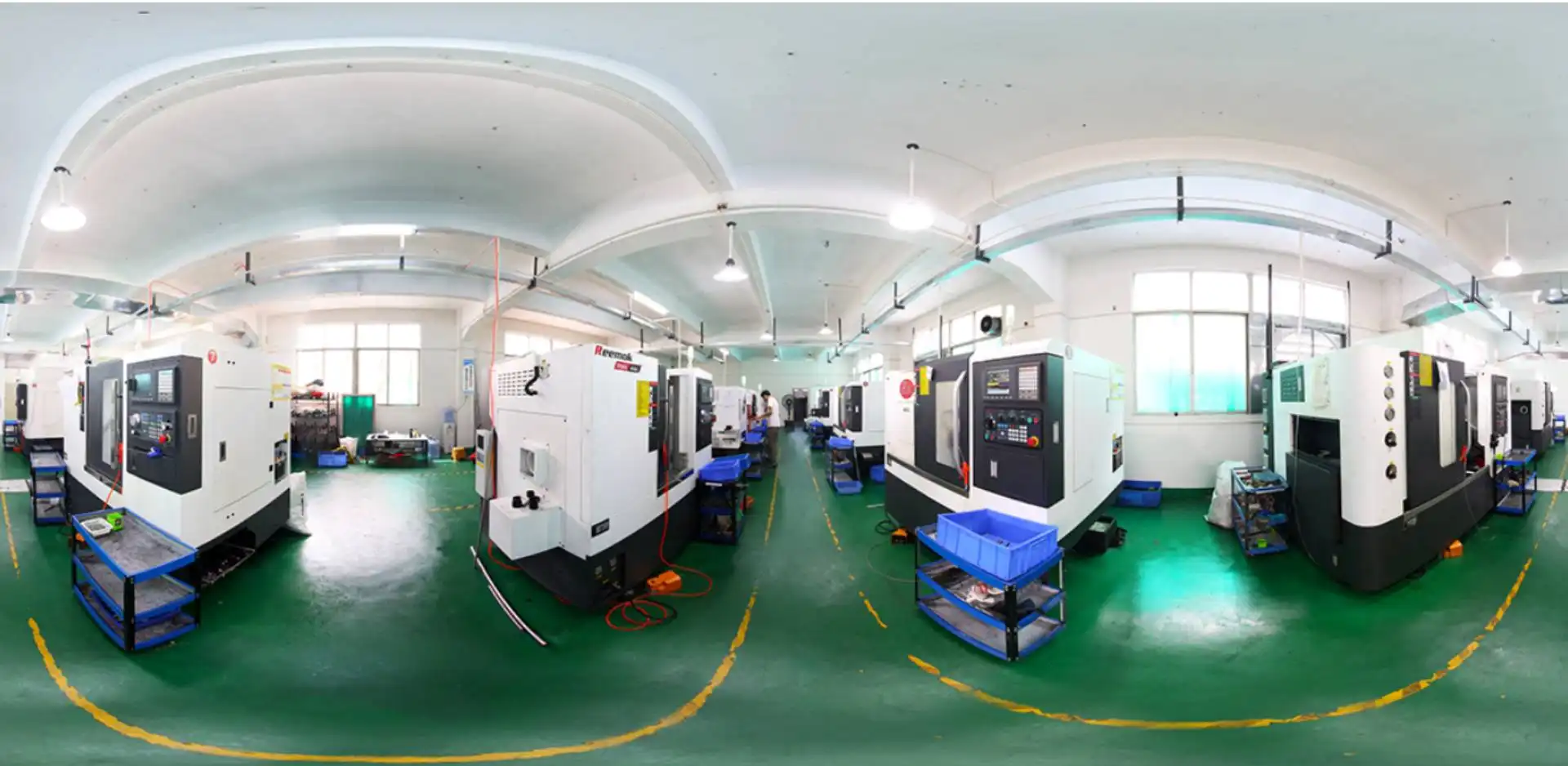
Building long-term relationships with qualified providers gives you security and support for efforts to keep getting better. Collaborations allow for help with customization, tools for managing supplies, and lower prices. Junsion works with clients in the logistics, communications, consumer goods, and electronics industries. Our 1,600-square-meter facility and 32 modern CNC tools help us guarantee quality and respond quickly to customer needs.
Pricing Models and Volume Negotiation Strategies
Knowing how costs are structured helps you negotiate more effectively. Thirty to forty percent of the cost of a finished insert goes to the carbide material. The rest goes to cutting, finishing, and quality control. Manufacturers offer savings for buying in bulk because it costs less to set up and process more items at once. Buying more of the same thing from more than one place or line of products can help you get better prices.
Think about the total cost of ownership instead of just the price per unit. It's often better to buy slightly more expensive inserts from reputable sources because the quality is more uniform and there is less waste and machine downtime. Our custom size options and range of ±0.01mm with roughness ≤ Ra 0.8 μm make sure that parts work as expected, avoiding expensive quality problems that make it look like cheaper options are saving you money.
Inventory Management and Supply Security
Keeping the right amount of tools on hand balances the costs of bringing them against the risk of running out. Set up min-max systems for standard things so that they are immediately restocked when they run out of a certain amount. For custom or specialized inserts that take longer to make, keep more safety stock on hand or make plans with sellers for consignment.
Diversify where you get important things to lessen the impact of supply chain breakdowns. While main providers offer consistency, skilled secondary sources make sure that business keeps going even when there are shortages or quality problems. Our experience exporting to more than 20 countries shows that we can deliver on time and have a strong supply chain, which is something that procurement workers who run global operations value.
Conclusion
Tungsten carbide inserts make machining much more efficient because they are very hard, stable at high temperatures, and resistant to wear. This makes tools last much longer and the quality of the item better. Procurement workers can get the most out of their tooling purchases for specific uses by understanding the makeup, shape, coatings, and the right selection criteria. Consistent quality and on-time delivery are ensured by strategic buying from qualified providers like Junsion, which has ISO certification, advanced manufacturing capabilities, and technical knowledge. Manufacturers get the most out of their tooling investments and keep production costs low in demanding fields like aircraft and consumer electronics by following the right handling and repair procedures.
FAQ
What distinguishes tungsten carbide inserts from regular carbide inserts?
The words "tungsten carbide inserts" and "carbide inserts" are often used equally. "Carbide" is a quick way to describe the material. All carbide cutting inserts are mostly made up of tungsten carbide, but different types have different particle sizes, cobalt contents, and other elements like titanium or tantalum that change their qualities for different uses.
Can these inserts machine all metal types effectively?
Carbide cutting tools work well with most metals, but for best results, the grade should be matched to the properties of the material. With the right choice of inserts, carbon steels, alloys, stainless steels, and cast iron all work well in machines. For best results, you may need to use special tools for very soft materials like pure copper or very hard pottery.
How frequently should inserts be inspected during production?
How often you inspect relies on how much you're making and how important it is. For high-volume processes, checks should be done every 50 to 100 pieces at first, and then the gaps should be widened as wear patterns become more predictable. Important parts for aircraft or medicine may need to be checked more often to make sure they stay the right size throughout the life of the tool.
Partner with Junsion for Premium Tungsten Carbide Insert Solutions
Work with Junsion to get the best tungsten carbide insert solutions. Junsion can help you with your precise cutting needs by making tungsten carbide inserts that are of the highest quality and meet the strictest requirements. Because we are experts in CNC, EDM, turning, and five-axis machining, we can make solutions that are exactly what you need for automation equipment, vehicles, medical devices, aircraft, and robots. We offer a wide range of surface treatments, such as polishing, anodizing, and special finishes that make things work better and last longer.
As a reliable provider of tungsten carbide plugs, we use cutting-edge production methods and strict quality control that meet ISO 9001:2015 and RoHS requirements. Our engineering team can help you choose the best inserts and set the best cutting settings for your unique needs, so you can get the most out of your money and time. Get in touch with our experts at Lock@junsion.com.cn, echo@junsion.com.cn, or evelyn@junsion.com.cn to talk about how our customized tool solutions can help your manufacturing processes. We offer quick responses and reasonable prices.
References
1. Shaw, M.C. "Metal Cutting Principles." Oxford Series on Advanced Manufacturing, 2nd Edition, Oxford University Press, 2005.
2. Trent, E.M. and Wright, P.K. "Metal Cutting, 4th Edition." Butterworth-Heinemann, 2000.
3. Stephenson, D.A. and Agapiou, J.S. "Metal Cutting Theory and Practice, 3rd Edition." CRC Press, 2016.
4. Sandvik Coromant. "Modern Metal Cutting: A Practical Handbook." AB Sandvik Coromant Technical Editorial Department, 1994.
5. Kalpakjian, S. and Schmid, S.R. "Manufacturing Engineering and Technology, 7th Edition." Pearson Education, 2014.
6. Astakhov, V.P. "Tribology of Metal Cutting. " Elsevier Series on Tribology and Interface Engineering, 2006.