




How to Choose a Reliable CNC Semiconductor Parts Supplier?
To
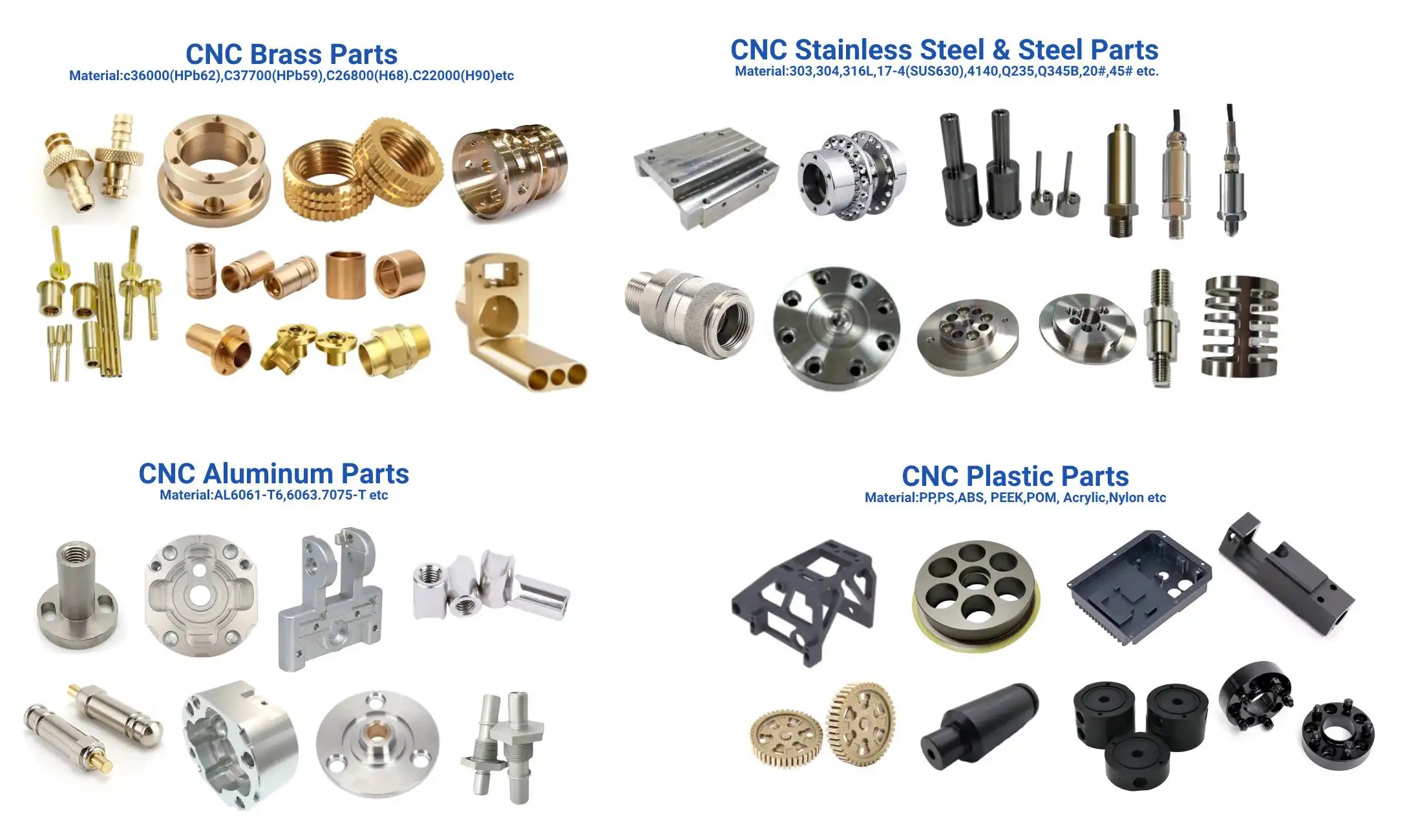
find a reliable source for CNC semiconductor parts, you need to find a balance between technical accuracy, quality control, and the dependability of the supply chain. To make high-quality semiconductors, you need parts made with tolerances as small as ±0.01mm, materials that don't get dirty easily, and surface processes that make them work better in harsh circumstances. Procurement managers have to judge providers based on things like ISO 9001 and RoHS compliance, as well as their ability to machine parts, knowledge of materials, and speed of response. The best partner not only provides well-designed parts but also keeps production downtime to a minimum and encourages long-term innovation through OEM/ODM teamwork and flexible manufacturing.
Understanding the Core Challenges in Sourcing CNC Semiconductor Parts
Finding precisely made parts for use in semiconductors can be hard for several reasons, which can throw off production plans and cause costs to rise. Knowing about these problems helps buying teams build strong relationships with their suppliers.
The High Stakes of Precision and Quality Variability
Tolerances in semiconductor manufacturing are so small that even small changes can lead to huge drops in yield. CNC semiconductor parts have to be very accurate in their measurements, usually within ±0.005mm to ±0.01mm. Precision in cutting can vary because of changes in how the equipment is calibrated, how skilled the operators are, and how quality control is done. A single broken chip handling part can infect whole batches, which can cost hundreds of thousands of dollars in lost revenue. It's hard for procurement workers to find sources whose process controls always offer the accuracy that's needed across production runs.
Supply Chain Disruptions and Material Traceability
Geopolitical conflicts, lack of materials, and problems with transport often mess up the global supply lines for semiconductors. Getting things from sources that don't have clear material tracking methods is hard for procurement teams. To make sure that production settings are free of contamination, high-purity aluminium metals, titanium surfaces, and speciality plastics like PEEK need approved source documents. Without strict material testing methods, components may add flaws that hurt the performance of electronic devices. To keep production going, it's important to build relationships with suppliers that can provide proof of where materials come from and handle wait times reliably.
Communication Gaps and Technical Alignment
Buyers and sellers often need to work together on engineering for complex CNC chip parts. Misunderstandings are expensive to fix when there are communication problems about technical specs, surface treatment needs, and quality checking procedures. During the whole process of making a product, providers need to be able to communicate clearly, provide specific technical documents, and offer expert help. Suppliers who know how semiconductors are made and can suggest the best ways to machine, choose materials, and treat the surface of components are very useful for more than just making the parts.
Key Decision Criteria to Evaluate CNC Semiconductor Parts Suppliers
When looking at possible providers, you need to carefully consider their technical, operational, and financial aspects. The following factors can help you make smart choices about where to source things.
Certification Standards and Quality Management Systems
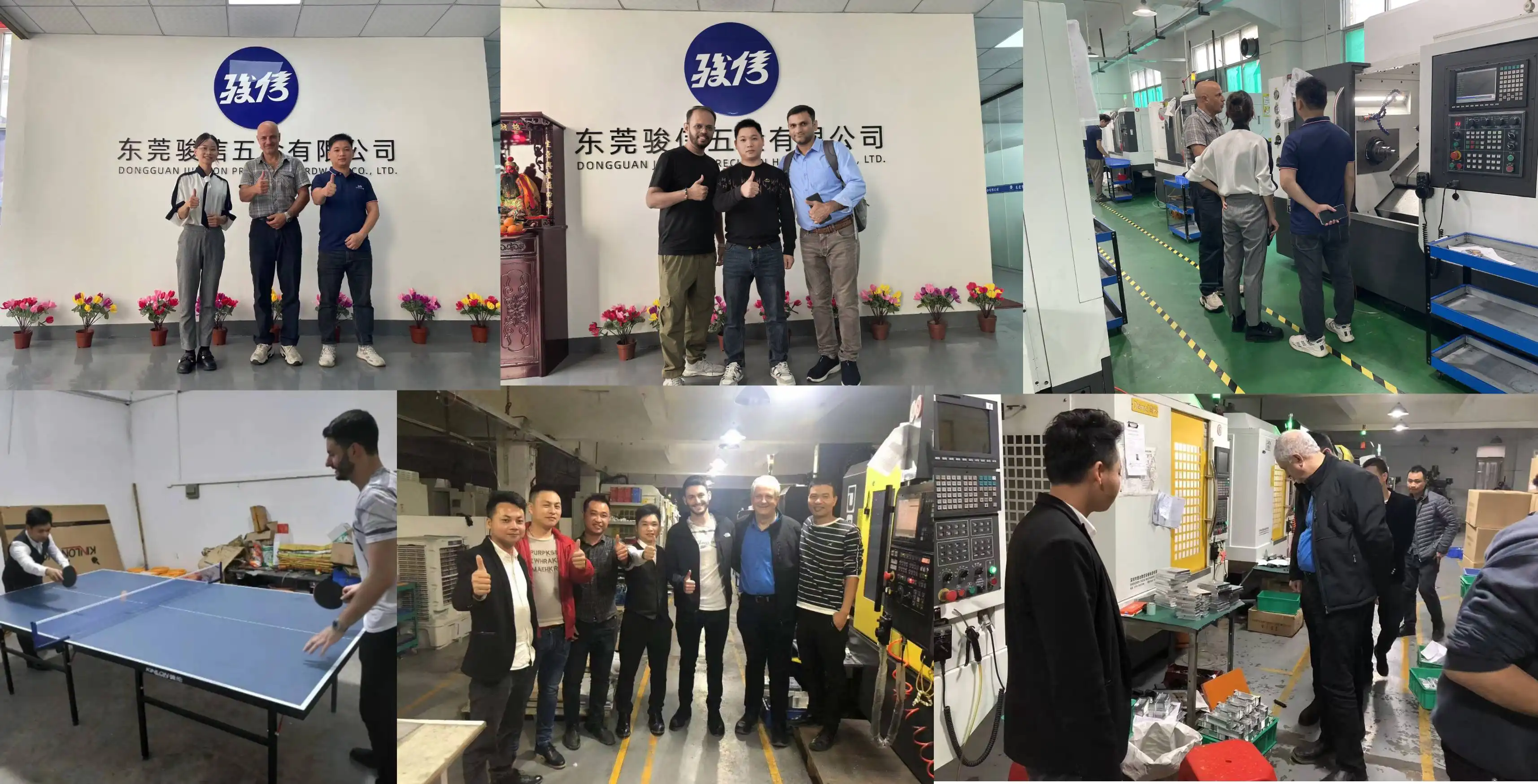
Reliable providers keep their certifications up to date, which shows they are committed to high excellence. ISO 9001:2015 approval means that quality management systems have been in place for a while, and there are written steps for making improvements all the time. SEMI guidelines for semiconductor equipment parts make sure that providers know how to keep parts clean, stop pollution, and follow industry-specific testing procedures. RoHS compliance makes sure that products meet safety standards for the environment. This is especially important for businesses that sell to controlled markets. We make sure that our CNC semiconductor parts meet international quality standards at Dongguan Junsion Precision Hardware Co., Ltd. by keeping our ISO 9001:2015 certification and following strict RoHS rules. Teams in charge of buying things should check that certificates are valid, look over audit records, and see how sellers use quality management in their daily work.
Advanced Machining Capabilities and Equipment
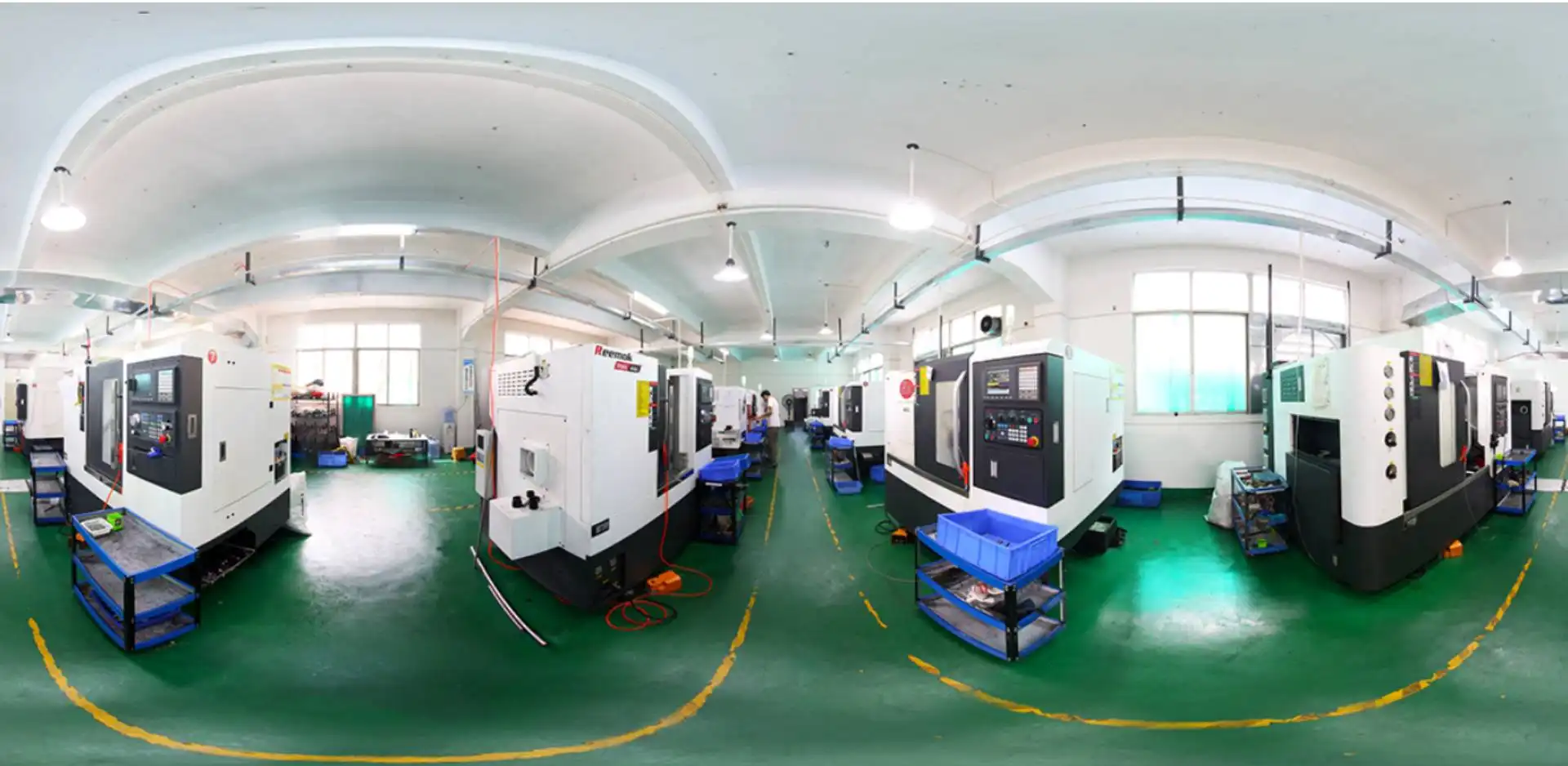
The complexity of a supplier's machine equipment has a direct effect on the quality of the parts they make and how quickly they can make them. Modern CNC milling centres with multiple axes can make the complicated shapes needed for parts of cutting tools and vacuum chambers. Precision turning processes make test socket parts that are very accurate and must be perfectly centred. Since we started in 2019, Junsion has bought 32 high-tech CNC tools to put in our 1,600-square-meter building in Dalingshan, Dongguan. We can get limits of up to ±0.01mm with our tools, which meet the high standards needed for chip uses. Suppliers should show that they keep up with changing industry needs by investing in technology changes and maintaining equipment according to set plans and records.
Material Expertise and Surface Treatment Capabilities
Specialised materials with certain chemical, electrical, and heat qualities are needed for semiconductor parts. High-purity aluminium metals, such as 6061-T6 and 7075, are great for making heat sink parts because they are easy to machine and don't rust. Grades 316L and 304 of stainless steel are the strongest for building uses. Titanium metals are very strong for how light they are, which makes them ideal for important pressure chamber parts. High-performance plastics like PEEK and POM make it possible for chip handling systems to be free of contamination.
In addition to choosing the right material, surface processes also make a big difference in how well a component works. At Junsion, our engineering team offers a number of advanced surface processes that are made to fit unique needs. Anodising makes the surface of aluminium parts that are exposed to harsh chemicals harder and more resistant to rust. Electroless nickel plating covers complicated shapes evenly with a layer, which is important for test socket housings with lots of small parts. In cleanrooms, passivation makes stainless steel more resistant to rust. Plasma spray treatment makes surfaces that are resistant to wear and heat for high-temperature uses. Chemical etching creates micro-textures that can be managed to make things stick better or slide less. Suppliers who can do all kinds of surface treatments get rid of the need for multiple suppliers, which speeds up supply lines and lowers wait times.
Cost Efficiency Balanced with Lead Time Management
Prices that are competitive must be in line with work plans that are reasonable and meet deadlines. Costs that are mentioned should be compared to industry standards, and secret costs that come from poor quality or late supplies should also be taken into account. Value delivery can be seen through clear price systems that break down the costs of materials, machine processes, surface treatments, and quality checks. Lead time promises should take into account how complicated the part is, how many are being ordered, and how much can be made at the moment. At Junsion, we're proud of how quickly we respond. Usually, we can give you a price within 24 hours, and our production wait times are about the same as the rest of the business. Suppliers who offer adaptable timing and quick production are a great way to protect yourself against sudden changes in demand.
Responsive Customer Support and Technical Collaboration
Exceptional suppliers function as strategic partners rather than transactional vendors. Responsive customer support begins with technical consultation during the design phase, where suppliers recommend optimal materials, machining approaches, and cost-reduction strategies. Throughout production, proactive communication regarding order status, potential delays, and quality checkpoints builds trust and enables contingency planning.
How to Match Supplier Offerings with Your Procurement Needs
Strategic supplier selection requires aligning vendor capabilities with specific organisational requirements and long-term business objectives.
Defining Your Component Requirements
Clear specification development is the foundation of strong supplier relationships for CNC Semiconductor parts. Procurement teams should thoroughly document dimensional tolerances, material grades, surface finish requirements, test criteria, and packaging requirements. Distinguishing between standard catalogue components and custom‑engineered parts helps identify the appropriate supplier types. Standard semiconductor handling components that conform to established specifications are well‑served by suppliers who maintain common‑part inventory. Custom etching tool components, requiring specialised surface treatments and geometries, demand manufacturers with strong engineering capabilities and production flexibility. Volume forecasts also influence whether fully integrated machining providers or specialised suppliers offer the best value.
Evaluating Supplier Integration and Specialization
Fully integrated providers that offer full services from getting the materials to finishing the product and checking for quality make it easy to get everything from one place. This merging makes it easier to coordinate, speeds up communication, and often makes it easier to predict wait times. As a full-service solution provider, Junsion's combined centre handles precise cutting, a variety of surface treatment options, and strict quality control. This method works especially well for buying teams that have to manage large portfolios of complicated semiconductor components that need to make sure that quality standards are the same for all part types. For narrow uses, specialised workers who are great at certain tasks, like ultra-precision cutting or making unusual materials, can work with larger supplier networks.
Leveraging Certifications and References
Third-party licenses are objective proof of a supplier's skills, while customer references give useful information about how well the business is running. Professionals in procurement should ask for proof of certification, look over the certification's scope and validity times, and know exactly what processes the certification covers. Referrals from customers in related businesses that face similar technical problems show how well providers do in the real world. Performance information can be found by asking about on-time delivery rates, failure rates, how quickly problems are fixed, and how flexible the company is when plan changes need to be made. Junsion exports precise hardware parts to over 20 countries, showing that we can meet a wide range of foreign needs. We work with global original equipment makers (OEMs) and contract producers in the transportation, communications, consumer goods, and electronics industries.
Case Studies: Successful Procurement from Reliable CNC Semiconductor Parts Suppliers
Real-world examples illustrate how strategic supplier selection translates into measurable business benefits across different procurement scenarios.
Semiconductor OEM Reduces Defect Rates Through Quality Partnership
A leading semiconductor equipment manufacturer experienced recurring failures with CNC Semiconductor parts used in vacuum chambers, resulting in costly production stoppages. Their previous supplier lacked robust process controls and material traceability systems. After implementing a rigorous supplier evaluation process focused on quality management certifications and inspection protocols, they partnered with a certified machining specialist who maintained ISO 9001‑registered systems and provided specific material certifications. The new supplier performed comprehensive dimensional inspections using coordinate measuring machines and delivered full traceability documentation. Within six months, defect rates dropped by 87 %, production line downtime decreased by 62 %, and warranty claims fell substantially. This case demonstrates that prioritising quality management capabilities over lowest‑cost sourcing leads to a lower total cost of ownership for CNC semiconductor components.
Distributor Optimizes Inventory Management with Reliable Lead Times
A wholesaler of semiconductor components that worked with many original equipment manufacturers (OEMs) had trouble with uncertain lead times caused by disorganised supplier networks. Due to unpredictable supply times, there was too much backup stock, which slowed down production and raised the cost of storing. The wholesaler combined orders from fewer sources, showing that they could deliver on time and make the production schedule clear. Their main machine partner gave them weekly reports on production, made sure they had extra capacity in case of pressing orders, and set up vendor-managed inventory systems for high-volume parts. These changes lowered the average cost of keeping goods by 34%, raised the rate of order fulfilment to 96%, and let the dealer offer end customers competitive delivery promises. Reliable providers who are good at managing the supply chain build competitive benefits that go beyond the quality of the parts.
Innovation Acceleration Through Collaborative Engineering
A company that makes tools for testing semiconductors needed custom test socket parts with unique shapes and finishes. Traditional sellers only sold parts from catalogues or said that unique designs would be too expensive and take too long to make. Working with a machine expert who offers engineering teamwork services changed how they developed new products. The supplier's engineering team suggested using different materials that would cut costs by 28% while still meeting performance standards. They also suggested changes to the design that would make it easier to make and offered fast development services that let testing happen in stages. Working together cut down on development times by 40% and led to patent-worthy ideas that neither party would have come up with on their own. When suppliers engage in technical know-how and work together with customers, they build value that goes far beyond providing basic manufacturing services.
Summary and Practical Tips for Choosing Your CNC Semiconductor Parts Supplier
To find the best source for precision-machined semiconductor parts, you need to balance a number of factors within an organised review framework.
The best ways to buy things focus on quality management systems that are checked by ISO 9001 and other industry-specific standards, rather than getting the lowest price at first. Advanced cutting tools like multi-axis CNC machines, a wide range of material knowledge from aluminium metals to high-performance plastics, and surface treatment options designed specifically for semiconductor uses are what set capable sellers apart from cheap vendors. Long-term relationships that can adapt to changing technology needs are supported by clear communication, recorded lead time performance, and the ability for engineers to work together.
Facility audits to check the state of equipment and process controls, reference checks with customers who have used similar products before, and test orders to confirm quality claims should all be part of a practical supplier review. Misunderstandings can be avoided by making clear quality agreements that spell out checking methods, acceptance standards, and corrective action procedures. Data-driven source management is possible with regular performance reviews that keep track of measures like on-time delivery rates, failure rates, and response. As technology for making semiconductors improves, the supply chain will remain strong by building smart partnerships with providers who believe in constant improvement and spend in building up capabilities.
Conclusion
Choosing a reliable supplier for precision-machined semiconductor components fundamentally impacts production efficiency, product quality, and competitive positioning. The evaluation process demands rigorous assessment of quality certifications, machining capabilities, material expertise, and communication effectiveness. Strategic procurement teams recognise that superior suppliers deliver value extending beyond component fabrication through engineering collaboration, supply chain transparency, and continuous improvement partnerships. At Dongguan Junsion Precision Hardware Co., Ltd., we combine ISO 9001-certified quality management, advanced CNC machining infrastructure, comprehensive material and surface treatment capabilities, and responsive customer support to serve as a trusted partner for global semiconductor industry professionals seeking precision, reliability, and innovation.
FAQ
What certifications should a reputable CNC semiconductor parts supplier maintain?
Essential certifications include ISO 9001:2015, demonstrating established quality management systems with documented procedures and continuous improvement processes. SEMI standards specific to semiconductor manufacturing equipment ensure suppliers understand contamination control and cleanliness requirements critical in semiconductor environments. RoHS compliance verifies materials meet environmental safety standards, particularly important for global market access. Additional certifications like AS9100 for aerospace applications or IATF 16949 for automotive sectors may apply depending on end-use markets.
How do CNC machining capabilities compare with other fabrication methods for semiconductor components?
CNC machining excels at producing complex geometries with tight tolerances typically ranging from ±0.005mm to ±0.01mm across diverse materials, including aluminium alloys, stainless steel, titanium, and engineering plastics. This versatility makes CNC ideal for custom semiconductor tooling components, fixtures, and housings. EDM (Electrical Discharge Machining) offers advantages for extremely hard materials and intricate internal features, but generally operates at slower speeds. Selection depends on specific material properties, geometric complexity, tolerance requirements, and production volumes.
What lead times should procurement teams expect for custom CNC semiconductor parts?
Typical lead times range from two to six weeks depending on component complexity, material availability, required surface treatments, and current supplier capacity utilisation. Simple turned components with standard materials and finishes may deliver within two weeks. Complex multi-axis milled parts requiring exotic materials, specialised coatings, and extensive quality documentation extend toward six weeks or longer. Suppliers maintaining safety stock of common materials and offering expedited production services provide valuable flexibility for urgent requirements.
Partner with Junsion for Superior CNC Semiconductor Parts Manufacturing
Semiconductor manufacturing demands precision, reliability, and responsive partnership. Junsion delivers all three through our ISO 9001:2015-certified facility equipped with 32 advanced CNC machines producing components with tolerances to ±0.01mm. Our comprehensive offerings include wafer handling components, etching tool parts, test socket assemblies, heat sink components, and vacuum chamber parts across materials from high-purity aluminium alloys to titanium and high-performance plastics. We provide complete surface treatment capabilities, including anodising, electroless nickel plating, passivation, plasma spray coating, and chemical etching. As a trusted CNC semiconductor parts supplier serving global OEMs across 20+ countries since 2019, we combine technical expertise with fast response times and quality assurance. Contact our engineering team at Lock@junsion.com.cn to discuss your precision hardware requirements and discover how Junsion's manufacturing capabilities can strengthen your semiconductor supply chain.
References
1. Smith, J.R. & Chen, L. (2022). Precision Machining for Semiconductor Manufacturing Equipment: Quality Standards and Best Practices. International Journal of Advanced Manufacturing Technology, 118(3), 1247-1265.
2. Anderson, M.K. (2021). Strategic Sourcing in Semiconductor Supply Chains: Risk Management and Supplier Evaluation Frameworks. Supply Chain Management Review, 25(4), 34-42.
3. Williams, D.T., Park, S.H., & Kumar, R. (2023). Material Selection and Surface Treatment for Semiconductor Processing Equipment Components. Materials Science and Engineering: A, 867, 144-158.
4. Thompson, E.W. (2022). Quality Management Systems in Precision Manufacturing: ISO 9001 Implementation for Semiconductor Component Suppliers. Quality Engineering Journal, 34(2), 189-203.
5. Lee, H.J. & Martinez, C.R. (2021). CNC Machining Technologies for Ultra-Precision Semiconductor Tooling: Capabilities and Limitations. Precision Engineering, 72, 456-471.
6. Roberts, A.L., Zhang, W., & O'Connor, P.M. (2023). Supply Chain Resilience in Semiconductor Manufacturing: Supplier Relationship Management Strategies. Journal of Operations Management, 69(1), 78-94.