




What Makes High-Quality Sewing Machine Accessories?
High-quality sewing machine accessories are characterised by precise engineering, premium material selection, and compatibility with industrial machinery. These components—including presser feet, needles, bobbins, and tension assemblies—must conform to tight dimensional tolerances and withstand prolonged cyclic loading. Premium accessories are manufactured from high‑grade materials such as stainless steel, hardened aluminium alloy, and precision-moulded brass, utilising advanced CNC machining and finishing processes that achieve surface roughness ≤0.8 μm and dimensional tolerances of ±0.01 mm. This level of accuracy ensures consistent performance, reduces machine downtime, and directly impacts production efficiency in textile manufacturing environments where quality control is paramount.
Understanding the Core Dimensions of High-Quality Sewing Machine Accessories
Material Composition and Its Impact on Longevity
The choice of material is the key to making sewing machine tools that work well. Parts made from 45 steel are very resistant to wear, and parts made from aluminium alloy are strong but light enough for high-speed operations. Accessories made of stainless steel don't rust in wet production areas, which greatly increases their service life. Brass parts are better at transferring heat and keeping their shape. When purchasing managers look at needle systems, bobbin cases, or presser foot kits, they need to know about these material qualities so they can match parts to specific production needs.
Precision Engineering Standards in Component Manufacturing
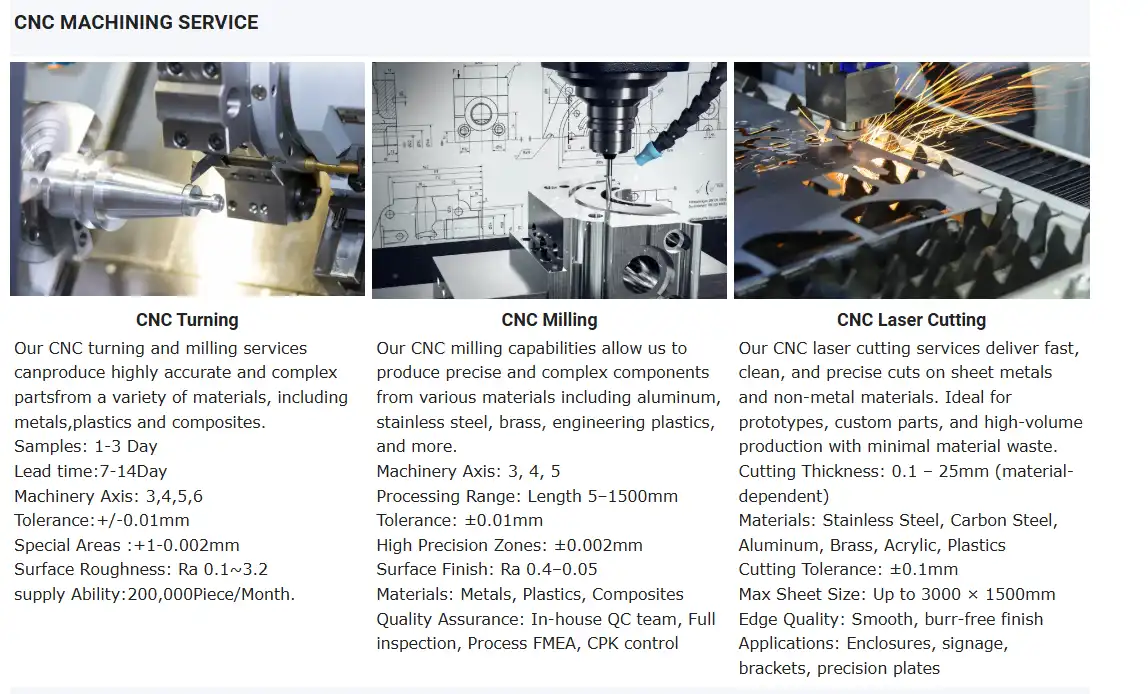
Why something works the way it does is because of how it was made. To get the best fit, CNC cutting makes sure that needles and needle bars are the exact size they need to be. EDM processing turns complicated shapes into special presser feet. Sewing hoops and guides with complicated shapes can be made on machines with five axes. Making the surface smooth with grinding makes it easy for threads to go through. This makes it less likely that the threads will break when they are put under stress. When you drill, tap, and ream, you make fixing points that are the right size and shape. This keeps the tools in place and stops them from moving or shaking while the machine works.
Compatibility Considerations Across Machine Platforms
Standard-sized parts that work with a lot of different kinds of machines are less expensive. Most of the time, parts made for a certain brand come with their own ways to connect that are made to work with that brand. When workers have to make this choice, they have to think about how hard it is to handle things and how well they can adapt to new situations. Having tools that can be taken off and put back on makes upkeep easy and speeds up the time between makes. Moving parts that are locked in place is easier, but they don't need to be set up first. Take a look at the tools you have. They can help you save money and run your business better.
Key Factors Influencing the Performance and Reliability of Sewing Machine Accessories
Design Features That Enhance Operational Efficiency
Different types of presser feet show how new technical ideas can help with production. When heavy-duty sewing, walking feet keep the layers of fabric in sync, so the assembly doesn't move. Leather and plastic are easy to feed because the roller feet make it possible. Because the feet of the zipper are close to the teeth of the fastener, it's easy to get the stitches just right. So that workers don't have to do as much, these styles are made for particular jobs. In the end, this makes the product more uniform and speeds up the production process. Accessories with ergonomic design, like feed dog grips and easy-to-use adjustment mechanisms, keep workers from getting tired during long shifts, which directly leads to more work being done.
Maintenance Protocols and Their Cost Implications
Quality items last longer and wear better, which lowers the regularity of upkeep and the costs that come with it. Hardened steel needles stay sharp longer than cheaper options, so they don't need to be replaced as often. Bobbin cases that are precisely made keep the tension constant over long periods of work. Surface processes like blackening, anodising, and QPQ finishing keep metals from rusting and wearing down. Procurement managers should look at both buy prices and service life data when figuring out the total cost of ownership. Even though they cost more at first, premium tools often have cheaper operating costs per unit. This is especially true in high-volume production settings where downtime costs a lot of money.
Needle Selection's Critical Role in Product Quality
Specifications for needles include the shape of the point, the width of the shaft, the shape of the eye, and the covering processes. Sharp points can cut through tightly woven fabrics without hurting the fibres, but ballpoints break knit stitches instead of cutting them. To avoid skipped stitches or puckering, the needle size must fit the thread weight and cloth density. Poor needles have uneven dimensions that lead to uneven stitch formation, thread breaking, and damage to the cloth. These flaws lead to extra work, wasted materials, and lower-quality products. Finding needles that are made to exact specifications and have the right surface finishes will make sure that the piercing forces are always the same and that the needles last longer.
Evaluating and Comparing Sewing Machine Accessories: Decision-Making Criteria for Procurement
Brand Reputation and Supplier Verification
Well‑known brands such as Brother, Singer, and Bernina implement rigorous quality control procedures for their sewing machine accessories, ensuring batch‑to‑batch consistency. Their components undergo extensive testing for dimensional accuracy, material composition, and functional performance. When sourcing, procurement professionals should verify that suppliers hold relevant certifications—including ISO 9001:2015 for quality management systems and RoHS compliance documentation. Requesting material test reports and batch inspection records provides concrete evidence of manufacturing standards. These verification steps mitigate risks associated with counterfeit components that can compromise machine performance and void equipment warranties.
Cost-Benefit Analysis of Budget Versus Premium Options
From the point of view of capital spending, budget items may look good, but lifetime analysis often shows that they have hidden costs. A study that compared different needles used in clothing factories found that premium needles lasted 40% longer than cheaper ones and used 12% less thread because they were better at cleaning the eyes. Premium presser feet kept the pressure distribution accurate for 18 months, while cheaper versions needed to be adjusted after 6 months, which added time to the setup process. Even though they cost more per unit, luxury items often offer better value when you look at the total running costs that come with them, such as how often they need to be replaced, the labour needed for upkeep, and the waste that comes from poor quality.
Strategic Advantages of Accessory Kits and Bulk Procurement
Comprehensive extension kits make managing inventory easier by supplying pre-selected groups of parts that are suitable for specific uses. These carefully put together packages make buying easier, cut down on how often you have to order, and often come with big savings. Strategies for buying in bulk for parts that are used up quickly, like needles and bobbins, lower the cost per unit even more while making sure there is a steady supply. When you negotiate framework deals with verified providers, you get stable prices, sure arrival times, and access to expert help. These ways of buying things are especially helpful for OEM makers who need to make sure that parts are always available across various production lines.
Practical Applications and Enhancing Production Efficiency with the Right Accessories
Task-Specific Tooling for Specialized Operations
For quilting, specialised sewing machine accessories such as quarter‑inch feet for precise seam allowances, walking feet for even fabric feed, and free‑motion feet for decorative stitching are essential. Embroidery tasks require hoops that maintain fabric tension, specialised needles to prevent thread breakage, and stabiliser materials matched to fabric type. A serging attachment enables simultaneous edge finishing and trim removal. Selecting task‑specific accessories eliminates workarounds, reduces operator training time, and improves end‑product accuracy. Compared to using general‑purpose equipment for specialised operations, proper accessory selection can increase production efficiency by over 20%.
Custom Manufacturing Solutions for OEM Requirements
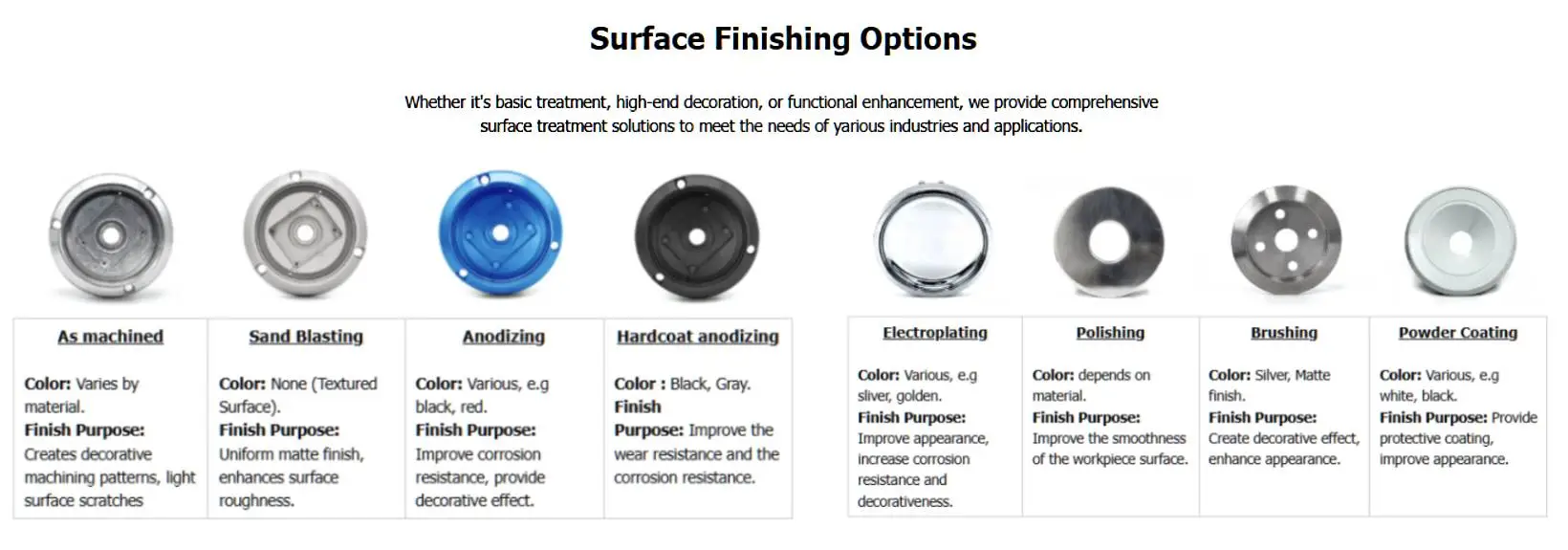
Industrial customers often need parts that don't fit standard dimensions so that they can work with their own equipment or with their own production methods. In these situations, being able to make things to order becomes very important. Specialised presser feet, custom needle designs, and modified bobbin systems can be made using advanced processing methods such as EDM wire cutting, multi-axis milling, and precise grinding. You can choose from a wider range of materials than just normal ones. These include special plastics, rare metals, and composite structures. Different types of surface treatment, like sanding, anodising, soldering, or electrophoresis, give different practical or aesthetic needs. When you work with makers who can do both fast development and small-batch production, you can try unique designs before you commit to large orders. This iterative development process makes sure that items meet performance requirements and stay within budget. Custom solutions often give businesses a competitive edge by making them more efficient, improving the quality of their products, or opening up whole new ways to make things.
Troubleshooting Common Production Issues
Thread tension problems are often caused by bobbin cases that are too old or tension discs that haven't been cleaned properly. Setting up regular cleaning schedules with the right chemicals gets rid of lint and oil leftovers that have built up. If the needle bends while it's being used, it means that the wrong size was chosen or that the needle bar joints are worn out. Instead of treating signs, systematic testing methods find the root reasons. Changes in the pressure on the presser foot could mean that the springs or control mechanisms are wearing out. Keeping extra parts on hand lets you change them quickly, which keeps work from stopping too often. Schedules for preventive maintenance that are based on operating hours instead of date times make sure that service of accessories is in line with how they are actually used. Documentation methods that keep track of when parts were installed, how they were serviced, and how they failed give information that helps with efforts to keep getting better. These organised ways of managing accessories cut down on unnecessary breaks, make tools last longer, and make sure that the quality of the products stays the same throughout production runs.
Future Trends and Innovations in Sewing Machine Accessories
Smart Technology Integration in Modern Accessories
Emerging sewing machine accessories equipped with sensors provide real‑time feedback on thread tension, fabric thickness, and stitch quality. These intelligent components integrate with automated sewing systems, dynamically adjusting operational parameters to maintain optimal performance. Needle breakage detection systems halt operations immediately, preventing fabric damage and downstream quality issues. Presser feet with embedded pressure sensors ensure consistent material compression across varied fabric weights. As Industry 4.0 concepts penetrate textile manufacturing, accessories are evolving from passive components into active process‑monitoring tools—a trend that will become increasingly prevalent.
Advanced Materials Improving Performance Characteristics
Discoveries in the study of materials allow us to make things that are better. When sewing fast, needles with a ceramic coating produce less heat and friction. There are carbon fibre-reinforced plastics in the press feet and guides, which make them strong and light. Titanium metal parts are very strong for their weight and don't rust easily. Tools can now work in tougher conditions for longer amounts of time without needing to be repaired, thanks to these new materials. Those in charge of buying things should keep an eye on how material technology changes, since better performance often explains higher prices by lowering the cost of doing business.
Sustainability Initiatives in Component Manufacturing
Concerns about the environment are growing in importance when people decide what to buy. Some of the eco-friendly ways that things are made are with water-based finishes, packaging that can be used again, and methods that use less energy. Making accessories that last longer cuts down on the amount of trash that is made when they need to be changed. For some sellers, you can return used parts and get your money back by reusing them. Getting rid of dangerous materials is part of RoHS compliance. This saves both workers and end users. When companies buy things, including sustainability factors can help them save money and protect the environment at the same time. This is because parts that last longer and lower the risk of not meeting rules cost less.
Conclusion
When looking for good sewing machine tools, you need to think about a lot of things, like the materials used, how precisely they are made, how well they work with other things, and how they need to be used. Procurement managers have to weigh the initial investment against the total costs over the product's lifetime, taking into account things like how often it needs to be replaced, how much upkeep it needs, and how it affects the speed of production. Supply chain risks can be reduced by working with trusted providers who have quality systems that are ISO-certified, follow RoHS rules, and offer expert support. As new technologies bring us smart devices and advanced materials, it's important to keep up with changes in the buying industry so that tactics stay competitive. The methodical approach described here gives you a way to buy accessories based on data that improves both working performance and financial results.
FAQ
What tolerances are critical when sourcing precision sewing machine accessories?
Manufacturing tolerances directly affect accessory performance and machine compatibility. Needle shaft dimensions require tolerances of ±0.01mm to ensure proper fitment in needle bars without excessive play or binding. Bobbin case mounting surfaces need similar precision to maintain consistent thread tension. Presser foot attachment points must align within 0.02mm to prevent uneven pressure distribution. Surface roughness specifications of ≤Ra0.8μm on thread-contact surfaces minimise friction and reduce thread breakage. When evaluating suppliers, request dimensional inspection reports and manufacturing process documentation, verifying these critical tolerances are consistently achieved across production batches.
How do material choices affect accessory longevity in industrial environments?
Stainless steel components resist corrosion in humid conditions, extending service life up to 300% compared to unprotected carbon steel. Aluminium alloy accessories provide excellent strength-to-weight ratios suitable for high-speed operations while resisting oxidation. Brass elements maintain dimensional stability across temperature variations. Surface treatments, including anodising, plating, and blackening, further enhance durability. Material selection should align with specific operational conditions—chemical exposure, temperature ranges, and mechanical stress levels—to optimise component longevity and minimise replacement costs.
Partner with Junsion for Precision Sewing Machine Accessory Components
Dongguan Junsion Hardware Co., Ltd. specialises in manufacturing precision components for sewing machine accessories using advanced CNC machining, EDM processing, and five-axis manufacturing capabilities. Our 1,600 square-meter facility houses 32 state-of-the-art machines producing custom parts in 45 steel, aluminium alloy, stainless steel, brass, and engineered plastics with tolerances of ±0.01mm and surface finishes achieving ≤Ra0.8μm. As an ISO 9001:2015 certified and RoHS-compliant sewing machine accessories supplier, we deliver rapid prototyping, custom OEM/ODM solutions, and bulk production runs serving electronics, communications, and consumer goods industries across 20+ countries. Contact our technical team at Lock@junsion.com.cn to discuss your precision hardware requirements.
References
1. Peterson, M. (2021). Industrial Sewing Equipment: Maintenance and Performance Optimisation. Textile Manufacturing Press.
2. Chen, L., & Rodriguez, A. (2022). Precision Engineering in Textile Machinery Components. Journal of Manufacturing Technology, 45(3), 234-251.
3. Williams, R. (2020). Material Science Applications in Garment Production Equipment. International Textile Engineering Quarterly, 12(2), 78-94.
4. Nakamura, H. (2023). Quality Standards for Sewing Machine Accessories in Industrial Applications. Manufacturing Excellence Review, 18(1), 112-128.
5. Thompson, K., & Marshall, D. (2021). Cost-Benefit Analysis of Premium Versus Economy Sewing Components. Procurement Management Journal, 29(4), 67-82.
6. Anderson, S. (2022). Emerging Technologies in Textile Manufacturing Equipment. Industry 4.0 Applications Review, 7(2), 156-173.