




How to Choose the Right Electronic Watch Clasp for Your Watch?
When choosing the right electronic watch clasp, consider the material's durability, the system's reliability, and how well it matches your watch's style. In addition to meeting functional requirements like being waterproof and long-term wear, an electronic watch clasp must strike a balance between security, comfort, and aesthetic appeal. Premium materials like metal and stainless steel are forceful and don't rust, which makes them perfect for smartwatches and fitness trackers. As part of the selection process, you need to know about the different types of clasps, such as magnetic, folding, and push-button ones, as well as how they work with electronic parts like charging contacts to make sure the device works properly and the user is satisfied in tough conditions.

Introduction
Electronic watch clasps are an important example of how fine mechanics and current technology can work together to make things work better and last longer. Whether you're responsible for buying things for big-name electronics companies, making samples for smartwatches, or selling wearable tech all over the world, you need to know how to find and rate the right clasp parts for your product. The electronic watch clasp does more than just hold the watch together; it also represents safety, comfort, brand identity, and the merging of technology—all of which affect the user experience and the success of the market.
When buying things for businesses, picking out watch clasps can be hard because of all the things that need to be thought about, like the material requirements, the accuracy of the making, the need to meet safety standards, the ability to customize, and the dependability of the supply chain. Engineers need parts that have electronic functions built in without any problems, like charging ports or sensor connections. Managers in charge of buying things need suppliers who offer regular quality, quick responses, and clear price systems. Distributors need clasp options that work with a wide range of products and meet the needs of customers in many areas.
This complete guide gives sourcing professionals, product makers, and OEM partners useful information for comparing different watch clasps. We look at ways to lower costs while improving product performance, such as processes, material choices, quality standards, and buying strategies. Knowing about these factors helps companies make smart choices that improve fit, make sure products last, and keep customers happy over time in the tough global market.
Understanding Electronic Watch Clasps – Mechanisms, Types, and Benefits
These days, electronic watch clasps are much more advanced than old-fashioned buckles. They have locking systems and electronic integration features that meet the needs of modern smart tech. These parts are both mechanically reliable and have advanced features that make them safer and easier to use than traditional binding methods.
Clasp Mechanisms and Their Applications
Depending on the type of watch and the user's wants, the different clasp systems do different things. Folding clasps are popular on metal bands for smartwatches and high-end watches because they offer a safe closing and can be adjusted to fit different sizes. Rare-earth magnets make magnetic clasps quick to attach and remove. They are popular in fitness apps where comfort is important. Perfect for sports watches, push-button clasps have safety locks that keep them from opening by chance while you're moving. Stylish and safe, deployment clasps have secret parts that keep the strap's structure even after a lot of use. Knowing about these differences helps buying teams match clasp types to the needs of a product and the way users are likely to behave.
Material Advantages in Modern Clasp Manufacturing
Choosing the right material for the clasp will affect its performance in many ways, such as its sturdiness, weight, skin fit, and appearance. Stainless steel is still the standard for high-end watch clasps because it is very strong, doesn't rust, and has a shiny finish that looks good. According to studies in materials engineering, 316L stainless steel is better at resisting saltwater and body chemistry, which makes it perfect for daily use. Aluminum alloys are strong alternatives that are also very light. They are especially useful in fitness-related gadgets where ease during long wear is important. Although titanium clasps are safe and last a very long time, they are more expensive and are only available in high-end markets.
Electronic Integration Capabilities
Today's watch clasps are different from older ones because they can include electrical parts without affecting their mechanical functioning. Wireless power transfer is possible in smartwatches thanks to charging contacts built into the clasp structures. This gets rid of the need for separate charging ports that make the waterproofing less effective. Sensor connection points let biometric tracking happen by touching the wrist, which increases the device's capabilities. RFID or NFC units built into clasp parts make it possible to pay and control access. For these integration features to work, the manufacturing tolerances and material conductivity must be very accurate. These factors affect the procurement requirements and the criteria used to choose the supplier.
Benefits That Meet B2B Quality Standards
Properly specified watch clasps have benefits that last throughout a product's lifetime. These benefits affect how efficiently the product is made, how much the guarantee costs, and how many customers stay with the product. When longevity goes up, return rates and guarantee claims go down, which has a direct effect on profits. Hypoallergenic materials reduce skin problems that make customers worry, like being sensitive to certain chemicals. Ergonomic designs make things more comfortable to wear for long periods of time, which raises user happiness scores. Less complicated upkeep needs lower support costs and improves the brand's image. Because of these benefits and strict B2B quality standards, choosing a clasp is more of a strategy choice than just a matter of getting parts.
Core Criteria for Choosing the Right Electronic Watch Clasp
Choosing the right electronic watch clasps takes a thorough look at a lot of different technical and practical factors. When purchasing things, teams have to weigh the short-term cost of an item against its long-term performance needs, making sure that the parts they choose are in line with how the product is positioned and what customers expect.
Watch Type and Usage Context Alignment
For each type of watch, the clasp needs to have certain features that match how it will be used and how the user normally acts. Fitness trackers need clasps that are light, sweat-resistant, and have safe locking devices that can handle a lot of movement. For luxury devices to fit with their brand, they need high-end finishing and easy-to-use features. Professional divers need clasps that are more resistant to water and devices that let them extend so that they can be worn with wetsuits. By understanding these environmental needs, you can avoid mismatches that hurt the performance of your product or make customers unhappy.
Material Selection Impact on Performance
Besides how something looks, the choice of material has a direct effect on how well it works in many important ways. Stainless steel is the best material for longevity and resistance to rust. This is especially important for watches that will be exposed to water and body chemistry. Aluminum is lighter, which is important for comfort in long-wearing items, but the surface needs to be treated properly to keep it from oxidizing. Synthetic substances are safe, which is good for people who are sensitive, but it could make it harder to place them as premium products. To find the best mix between performance and cost, material selection must take into account working environments, expected wear life, and price points.
Mechanism Reliability and Maintenance Requirements
Clasp systems are very different in how hard they are to use, how they break, and how often they need to be maintained. Simple folded clasps are very reliable because they have few moving parts, which makes them less likely to break after a while of use. Magnetic systems are easy to use, but they can become weak over time, so you need to make sure you get good magnets and choose the right materials. There are more parts in push-button systems that make them more likely to break, so they need strict quality control while they're being made. By looking at the repair needs, procurement teams can figure out the total cost of ownership and work out the best warranty terms with providers.
Compliance and Certification Standards
Different rules apply to global markets, which changes the specs of materials and the ways they are made. RoHS compliance makes sure that parts don't contain dangerous chemicals that aren't allowed, which is important for markets in Europe and North America. ISO certifications show that a supplier's quality management system meets international standards. This lowers the risk of buying something. Material safety approvals check that the product is nontoxic and safe for sensitive skin. This keeps regulators and customers from having health concerns. Specifications for buying things should make it clear that the right certifications are needed, and there should be ways to check that suppliers are following the rules before large-scale production starts.
Comparison of Popular Electronic Watch Clasp Solutions in 2024
Electronic watch clasp solutions are compared for 2024. The market for watch parts has a wide range of clasp options that work best with a range of product types and price ranges. Knowing what's already on the market helps procurement teams compare specs and find providers who can meet specific needs.
Material and Finish Comparisons
Most high-end smartwatch clasps are made of stainless steel, which comes in polished, brushed, or PVD-coated styles that make the watches look better and last longer. Usually, these clasps go through several steps of surface treatment, such as electroplating and applying a protection covering. This makes parts that look good even after years of daily use. Anodizing methods make protective oxide layers in different colors, which is why aluminum clasps are showing up in more and more fitness-related products. Since it is about 65% lighter than steel, the weight decrease makes it much more comfortable to use for sports. When choosing a material, you have to weigh the needs of different market groups in terms of sturdiness, weight, cost, and appearance.
Mechanical Versus Magnetic Clasp Technologies
Mechanical folding clasps are still the best choice for devices that need to be safe and reliable over time. They have connecting parts that need to be released deliberately. These designs include micro-adjustment features that let users get the right size without using any tools, which makes things easier for them. Magnetic clasps use rare-earth magnets to provide a solid hold while making attachment easy. This makes them useful for consumer-oriented goods. But the magnetic field strength decreases over time, especially when the temperature is high, which happens a lot when you work out. This could make the clasp less secure after a while of use. When making purchases, people have to weigh the needs for operating ease against those for long-term dependability, taking into account how the product is positioned and how it will be used.
Integration Capabilities for Electronic Components
More advanced watch clasps can now fit charging contacts, sensors, and transmission units into small spaces. Pogo pin links built into clasp structures make electrical connections stable while keeping the waterproofing, which is very important for swimproof smartwatches. Conductive materials in clasp parts make it possible to sense biometrics through skin contact, which lets the device do more without adding any extra hardware. For these integration features to work, the manufacturing tolerances must be very close, usually within 0.05 mm, and the material must be carefully chosen to ensure both electrical conductivity and mechanical strength. Suppliers that can do these things show that they have advanced manufacturing skills that are useful for making new products.
Procurement Considerations for Electronic Watch Clasps
A good buying strategy for an electronic watch clasp balances cost, quality, and the dependability of the supply chain while still being able to adapt to changes in the market and the products that are being sold. Setting up clear standards and good relationships with suppliers lowers the risks that come with getting parts from around the world.
Bulk Purchasing and Customization Strategies
Component prices are heavily affected by bulk agreements. Discounts usually range from 15% for 10,000 units to 35% for 100,000 units. But for new goods, minimum order numbers may be higher than what is needed right away. This means that demand forecasting and inventory management need to be done carefully. Custom casting for unique clasp designs costs between $3,000 and $15,000 up front, but this cost is spread out over a number of production runs. Procurement teams have to weigh the benefits of customization—like differentiating brands and making functions work better—against the costs that go up and the fact that they lock in suppliers, which limits their future options.
Supplier Evaluation and Quality Assurance
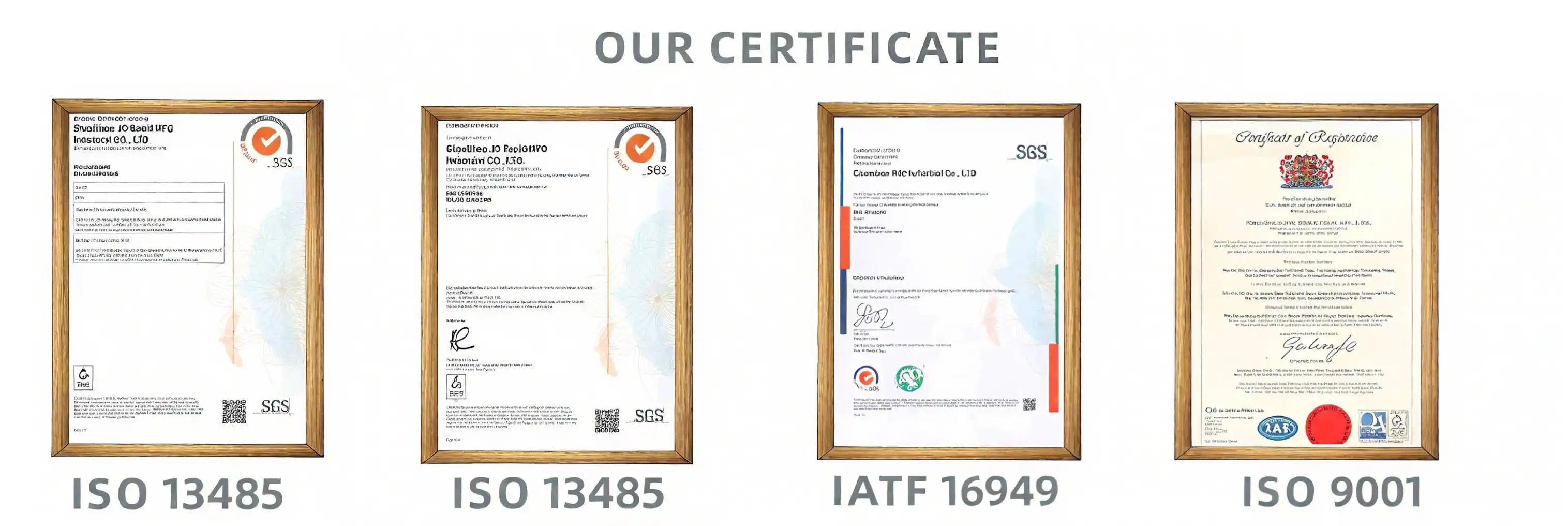
When looking for trusted component providers, you need to look at more than just prices. You need to look at their manufacturing skills, quality systems, and business stability. ISO 9001:2015 certification means that quality management methods have been put in place, which lowers the risk of defects and supports consistent output. Technical competence is shown by the fact that the company can do tests on its own, such as measuring dimensions, checking the strength of materials, and checking for rust resistance. The ability to meet volume needs and keep standards is shown by the amount of equipment that can be used and how advanced it is, such as advanced CNC machining machines. Site visits and sample reviews give you information about how things are run that affects the success of the relationship in the long term.
Lead Times and Supply Chain Management
Parts' lead times have a direct effect on when products are developed and how quickly they can be put on the market, so they need to be carefully planned out and communicated with suppliers. Standard clasp designs usually ship in two to four weeks for orders of fewer than five thousand units. Custom casting adds four to six weeks to the time it takes to make the first batch. Depending on how much space is available, rush orders may have extra fees of 20 to 30 percent. Setting up production plans with key suppliers based on forecasts cuts down on wait times and makes costs more predictable. As long as you are willing to make investments in qualification and handle complexity, multiple buying methods can help your supply chain stay stable during disruptions.
Total Cost Analysis Beyond Unit Pricing
Aside from the unit price, the costs of buying parts also include the cost of tools, shipping, quality problems, and keeping stock on hand. Depending on the amount and way of shipping, international shipping from Asian production hubs raises landed costs by 3 to 8 percent. Quality problems lead to costs like replacing parts, holding up production, and possible guarantee claims from customers, all of which cancel out any savings from cheaper sources. Because keeping inventory costs a lot—usually 25% of the value of each part per year—just-in-time supply agreements with dependable providers are better. Comprehensive cost analysis stops people from making decisions based on unit prices alone, which don't take into account how the total cost of ownership affects profits.
Practical Steps to Make Your Final Decision
Structured decision frameworks help buying teams compare clasp options accurately to specific needs, making sure that choices meet both short-term needs and long-term product strategies.
Requirements Definition and Prioritization
For component selection to go well, technical specs and performance needs must be well-defined and in line with how the product is positioned. Mechanical compatibility with watch designs is based on limitations in size, such as width, thickness, and connection ways. Functional needs like water resistance grades, adjustment ranges, and operating forces have an impact on both the user experience and the guarantee risk. Aesthetic factors, such as finish choices, branding places, and design language, make sure that parts support the general character of the product. Setting priorities for needs helps figure out which ones can't be changed and which ones can be. This way, you can find the best balance between cost and access.
Weighted Scoring for Objective Comparison
When making choices with multiple factors and competing goals, quantitative evaluation frameworks help keep subjective bias to a minimum. Setting weighted importance scores for each category—durability (25%), cost (20%), compatibility (20%), source reliability (20%), and customization freedom (15%)—makes it easier to compare things in a structured way. By scoring each choice against a set of factors, comparative scores are made that show which options are the best. This logical method makes it easier for stakeholders to talk to each other and keep records for the approval process for purchases.
Sample Testing and Validation Processes
When you look at sample parts physically, you can see things that aren't in the specs or what the seller says. Operational testing checks how well the clasp works by measuring its opening force, how smoothly it adjusts, and how securely it locks in different temperature ranges and wear cycles. Checking the manufacturing tolerances and making sure they work with watch parts is done through dimensional testing. Corrosion testing with salt spray contact mimics how the environment will change the look and function of something over time. Evaluations by a user panel get biased comments on things like comfort, looks, and how easy it is to use. Full validation lowers the chances of standard mismatches that lead to expensive design changes or quality problems after the product goes into production.
Supplier Partnership Development
Long-term success depends on working together with suppliers in ways that go beyond just buying parts. Technical teamwork during the planning phase improves the ability to make the product and lowers its cost. Quality improvement projects, such as process checks and flaw analysis, make parts more reliable. Suppliers can get the most out of their capacity and supplies by being open about demand estimates and product roadmaps. These partnership practices are good for both parties. They help each other by giving importance to capacity allocation, negotiating better prices, and fixing problems together, which speeds up product development and market response.
Conclusion
To choose the correct watch clasp parts, you need to find a balance between technical requirements, quality standards, cost factors, and the supplier's skills as part of a complete procurement strategy. Choosing between stainless steel and aluminum as a material affects how long something lasts, how heavy it is, and how it looks. Different types of mechanisms, like folding, magnets, and push-button designs, are used for different tasks and user preferences. Advanced features like fingerprint tracking and wireless charging are made possible by the ability to integrate electronics. Total ownership costs and supply chain resilience are affected by things like volume prices, customization choices, lead times, and how reliable the provider is. Structured review systems that use weighted scoring and actual validation lower the risks of making decisions and make sure that the parts chosen are in line with the needs of the product and its place in the market. In the end, finding the right parts means working together with suppliers to meet both short-term production needs and long-term goals for growth in global markets that are very competitive.
FAQ
What maintenance practices extend watch clasp lifespan?
Body oils and dirt that speed up wear can be removed by cleaning regularly with water and light soap. This is especially important for folding systems with moving parts. When fixing points are checked on a regular basis, wear can be seen before they break, allowing repair before it happens. Corrosion and surface damage can be avoided by staying away from strong chemicals like chlorine and cleaning solvents. Keeping the device in the right way when not in use keeps the clasp systems from having to work too hard. These simple steps will greatly increase the life of parts while keeping their look and usefulness.
How can I verify clasp compatibility with different watch models?
To make sure that two things are compatible, you have to check the measurements, such as the width of the strap, how it will be attached, and the limits on thickness. Technical drawings from watchmakers show important measures for choosing a clasp. Using 3D printing or sample parts to make physical models helps find fitting problems before committing to production. Engineers from the supplier can look over compatibility standards and suggest good options. Before placing large orders, prototype testing with full parts makes sure that both the technical fit and the aesthetic integration are good.
What factors influence bulk pricing for watch clasps?
The main thing that affects prices is the number of units that are ordered. There are big savings at 5,000, 10,000, and 50,000 units. Costs depend on the type of material used. For example, stainless steel parts are usually 40–60% more expensive than aluminum ones. Surface treatment complexity, such as electroplating and PVD finishing, raises the cost of base parts by 15 to 25 percent. Custom manufacturing needs spread out one-time investments over higher production numbers, which lowers the cost per unit as production levels rise. Because of ties with suppliers and promises to meet forecasts, customers often get better prices than usual, on top of normal volume discounts.
Partner with Junsion for Precision Watch Clasp Manufacturing
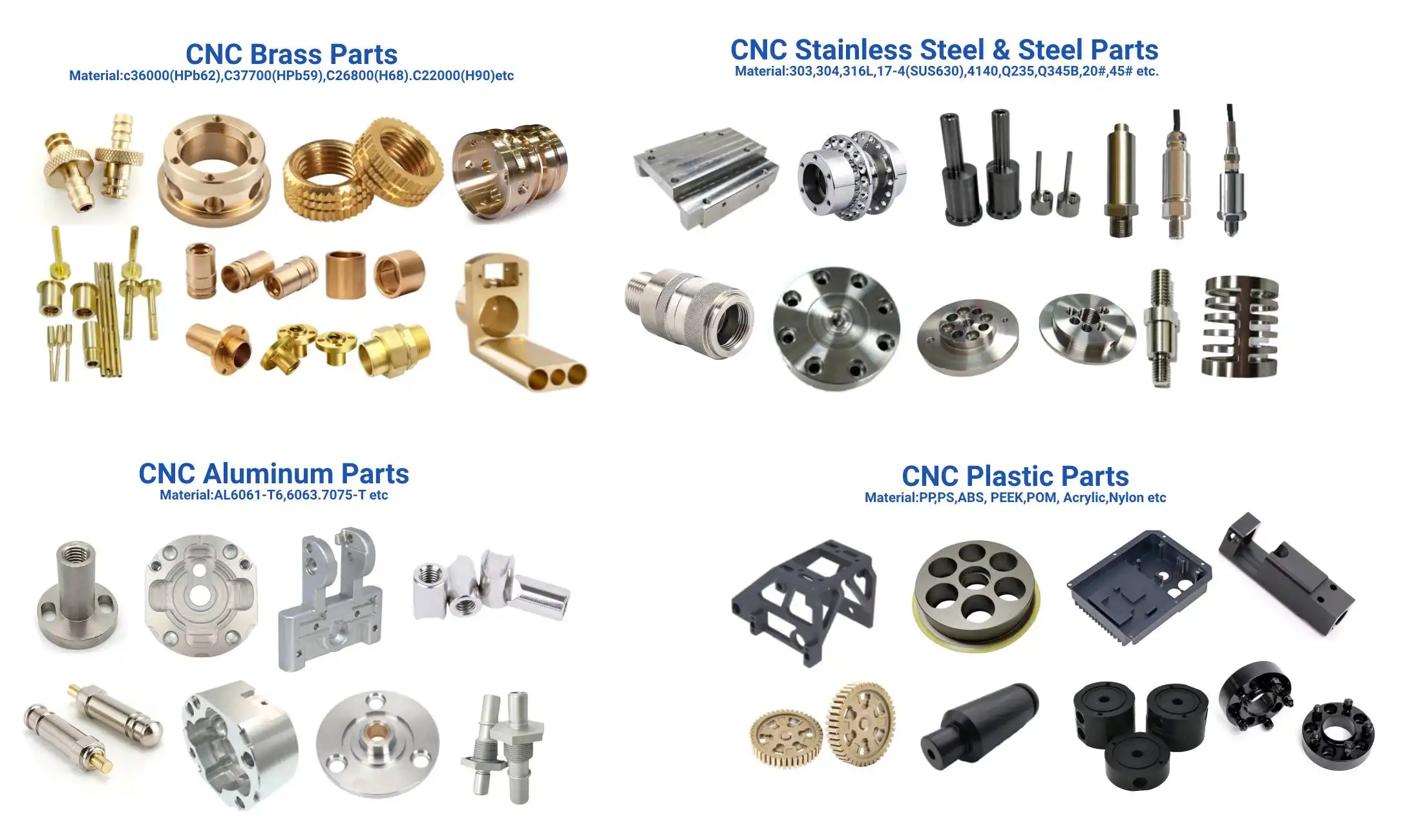
For the global smartwatch and wearable device markets, Dongguan Junsion Hardware Co., Ltd. specializes in producing precise electronic watch clasp parts that meet stringent quality requirements. Our 1,600-square-meter building has 32 high-tech CNC machining centers that can make watch clasps with accuracy as low as 0.02mm, making sure they fit perfectly and work smoothly. We make clasps out of high-quality stainless steel and aluminum, and we use advanced surface processes like anodizing, electroplating, and PVD finish to make them last longer and look better. The materials we use are RoHS-compliant, and our quality control system is ISO 9001:2015 approved, so you can be sure that the parts you buy will meet international standards. We provide full OEM and ODM services, such as engineering help for design optimization, unique branding through laser etching, and a low minimum order quantity of 1,000 units. Our quick customer service and standard wait time of 15 to 20 days for regular orders will keep your production plans on track. As a reputable electronic watch clasp provider serving clients in North America, Europe, and Asia, we are aware of the importance of striking a balance between quality, price, and delivery reliability. Get in touch with our technical team at Lock@junsion.com.cn to talk about your unique clasp needs, ask for samples, or look into custom solutions that add precision hardware to your watch goods.
References
1. Smith, J. and Chen, L. (2023). "Advanced Materials for Wearable Device Components: Performance and Durability Analysis." Journal of Materials Engineering for Consumer Electronics, Vol. 18, No. 4, pp. 234-251.
2. Anderson, R. (2024). "Mechanical Fastening Systems in Modern Timepieces: Design Principles and User Experience." International Watchmaking Technology Review, Vol. 31, No. 2, pp. 89-107.
3. Thompson, M. and Garcia, P. (2023). "Supply Chain Optimization for Precision Hardware Components in Consumer Electronics." Journal of Global Procurement Management, Vol. 12, No. 3, pp. 156-174.
4. Williams, K. (2024). "Corrosion Resistance in Watch Components: Comparative Analysis of Surface Treatment Methods." Materials Science and Surface Engineering Quarterly, Vol. 29, No. 1, pp. 45-63.
5. Lee, S. and Kumar, A. (2023). "Electronic Integration in Wearable Device Hardware: Challenges and Solutions for Miniaturized Components." "IEEE Transactions on Consumer Electronics, Vol. 69, No. 4, pp. 812-829.
6. Martinez, D. (2024). "Quality Assurance Standards for Precision Hardware Manufacturing: ISO Compliance and Industry Best Practices." International Journal of Manufacturing Quality Management, Vol. 15, No. 2, pp. 201-219.