




Why Are Tungsten Carbide Inserts So Widely Used in Industry?
These days, tungsten carbide inserts are used a lot in cutting because they are very hard, don't wear down easily, and last a long time. These carefully made parts are between 8.5 and 9 on the Mohs scale, which means they are just below diamonds in terms of toughness. They are also twice as stiff and dense as steel. Tungsten carbide inserts are used in many fields, such as electronics, communications, consumer goods, and shipping. They keep their sharp edges even in high temperatures and high pressures, which ensures stable part quality and longer tool life. Because they are chemically stable and don't break easily, they are essential for high-speed machining processes where downtime has a direct effect on profits and production plans.
Understanding Tungsten Carbide Inserts: Composition and Working Principle
The unique makeup and designed structure of tungsten carbide inserts are what make them work so well. When buying cutting tools for precision manufacturing, purchase managers and product creators can make better choices when they know about these technical features.
Chemical Composition and Material Science
Tungsten carbide inserts are made when tungsten metal powder and carbon powder mix chemically in a controlled way. This makes a product that is very durable and doesn't break down easily in heat or chemicals. Cobalt is often used as a metal filler in the material, which makes it tougher without lowering its strength too much. This mix makes it possible for the tungsten carbide inserts to withstand contact forces during delayed cuts while still keeping the edges straight. According to the purpose, the amount of cobalt to tungsten changes. More cobalt means more stiffness for roughing operations, while less cobalt means more hardness for finishing passes. Some factories use CNC machining, EDM, and five-axis machining. These factories need tungsten carbide inserts that stay accurate in terms of size over long production runs.
Mechanical Properties and Cutting Action
The cutting action of tungsten carbide inserts depends on their long-lasting sharpness, which keeps the edges from warping when pressure and temperature changes happen. Tungsten carbide inserts stay structurally solid at temperatures above 1,000°C, while high-speed steel options soften at high temperatures. This lets it be used at higher cutting speeds and feed rates. This temperature stability directly leads to shorter cycle times and better finishes on the surfaces of the parts being made. The low thermal expansion rate of the material keeps the dimensions stable when the temperature changes, which is very important when keeping limits as small as ±0.01 mm. Tungsten carbide inserts are especially helpful for industries that work with aluminum metals like 6063, 7075, and 6061 because they stop the built-up edge formation that happens with softer cutting materials.
Insert Geometry and Application Versatility
Modern companies that make tungsten carbide inserts make them in a number of different shapes, such as round, square, triangular, and diamond-shaped. Each shape is best for a certain type of cutting. Round tungsten carbide inserts spread the cutting forces evenly across several sides, which makes turning tools last longer. Because square tungsten carbide inserts can be indexed, they have four cutting points that can be used. This lowers the cost of the tools. Triangular tungsten carbide inserts work great for profiling and shaping tasks where the tool can't be easily accessed. These geometric variations allow for different machining needs in the aerospace, medical device, and AI intelligent equipment industries. This means that companies can standardize on tungsten carbide inserts while still being able to operate freely across a range of part families and production methods.
Key Benefits Driving Industrial Adoption of Tungsten Carbide Inserts
Production managers always choose tungsten carbide inserts because they improve quality, cost management, and operating efficiency in a way that can be seen. These benefits are especially clear when working with difficult products or meeting tight production plans.
Extended Tool Life and Cost Efficiency
Because tungsten carbide inserts are so resistant to wear, they make tools last a lot longer than other options. Depending on the application, they can last three to ten times longer than high-speed steel tools. Because they last longer, you don't have to change the tools as often, which cuts down on machine downtime and the work costs that come with it. The starting cost of tungsten carbide inserts is higher than that of steel options, but the total cost of ownership is much cheaper when replacement rates, machine usage rates, and labor costs are taken into account. This is something that procurement managers like. Longer tool lives are especially good for companies that use CNC machines and automated production cells because they cut down on unplanned maintenance breaks and raise total equipment efficiency metrics that help them make money in competitive markets.
Advanced Coating Technologies
Through special finishing methods, surface treatment technologies greatly improve the range of functions that tungsten carbide inserts can perform. PVD treatment makes the tungsten carbide inserts more resistant to wear and reduces friction between them and the workpiece. This lets the tungsten carbide inserts cut faster and better remove chips. The CVD layer is very chemically stable and sticks well, protecting the base from diffusion wear at high temperatures. The AlTiN layer is better at resisting oxidation in high-temperature situations where thermal cycles make things hard to work with. In many cases, these coating technologies make tools last 200% to 400% longer while letting you use harsher cutting settings that shorten cycle times. We at Dongguan Junsion Precision Hardware Co., Ltd. can do advanced coatings on top of precision grinding and polishing. This lets us make tungsten carbide inserts with surface roughness values of Ra 0.8 μm or better that meet the strict requirements of aerospace and medical device manufacturing.
Material Versatility and Process Compatibility
Tungsten carbide inserts can be used with a huge variety of working materials, such as aluminum alloys, stainless steels, cast iron, titanium, and rare superalloys that are used in tough situations. This material's variety lets factories keep their tooling goods more organized, which makes buying tools easier and lowers the cost of keeping them in stock. The tungsten carbide inserts work the same way in all kinds of machine operations, like milling, turning, drilling, and threading. This makes standardization strategies possible, which make teaching operators easier and cut down on setup times. This versatility helps production environments that make consumer electronics parts, communication equipment housings, and precise hardware assemblies because they can keep quality standards consistent across different part families without having to switch between different tooling technologies and supplier relationships all the time, which would make quality assurance and traceability more difficult.
Comparing Tungsten Carbide Inserts with Alternative Insert Materials
Businesses can get the most out of their tooling investments by understanding the performance trade-offs between different cutting tool materials. This is done by focusing on the most important organizational goals and application needs. Each type of material has its own benefits that make it better for certain types of cutting.
Tungsten Carbide versus Ceramic Inserts
Ceramic plugs are better at withstanding heat and staying hard at temperatures where carbide materials start to break down. This makes them appealing for high-speed finishing operations on steels that have already been hardened. However, because they are flimsy, they can't be used for interrupted cutting because the impact forces would cause them to break too soon. When it comes to toughness and impact resistance, tungsten carbide inserts are the best. They can handle the delayed cuts that happen a lot in milling and rough turning passes, where clay tools break too soon. In factories that make automation equipment, auto parts, and home appliances, tungsten carbide inserts are often used because they can handle both roughing and finishing operations, which need flexible tools that can handle different cutting conditions without having to be changed often, which slows down production and makes it harder to keep track of inventory across multiple machining centers.
Carbide versus High-Speed Steel
High-speed steel inserts are cheaper at first, but they wear out faster than tungsten carbide inserts, especially at cutting speeds that make the most of current CNC equipment's cycle times. The lighter HSS material needs to be sharpened or replaced more often, which raises work costs and machine downtime and cancels out the lower purchase price. Tungsten carbide inserts keep their cutting edges much sharper for a longer time, which lets you remove more metal and get better surface finishes that often get rid of the need for extra finishing steps. Precision production companies that keep very close standards for sizes and surface roughness know that tungsten carbide inserts uniformly cut down on scrap and repair costs. These tools are used in factories that make parts for electronics and communications. These factories need to be able to control the sizes of parts very precisely because the parts are getting smaller, and they need to be able to do this over long production runs that last multiple shifts.
Coated versus Uncoated Carbide Options
When compared to uncoated bases, coated tungsten carbide inserts have more advanced surface processes that make tools last longer and work in more situations. The choice of coating is based on the properties of the finished material, the cutting factors, and the performance goals. Uncoated tungsten carbide inserts work well with aluminum and other non-ferrous materials, where coating bonding problems can happen because of built-up edges. Businesses that want to save money and work with soft materials at reasonable cutting speeds may find that uncoated tungsten carbide inserts work just as well for less money. But factories that work with rough materials, harder steels, or high cutting speeds can really benefit from treated versions, which make up for their higher cost by lasting longer and making factories more productive. When businesses choose between coated and uncoated choices, they should think about their specific machining parameters, the properties of the material, and the amount of output they need to find the best balance between tooling costs and operating efficiency.
How to Choose the Right Tungsten Carbide Inserts for Your Industry Needs?
To choose the right tungsten carbide inserts strategically, you need to carefully look at their technical specs, how they will be used, and how qualified the seller is. This organized method lowers the chances of failure while raising the overall cost of ownership and performance.
Understanding ISO Standards and Grading Systems
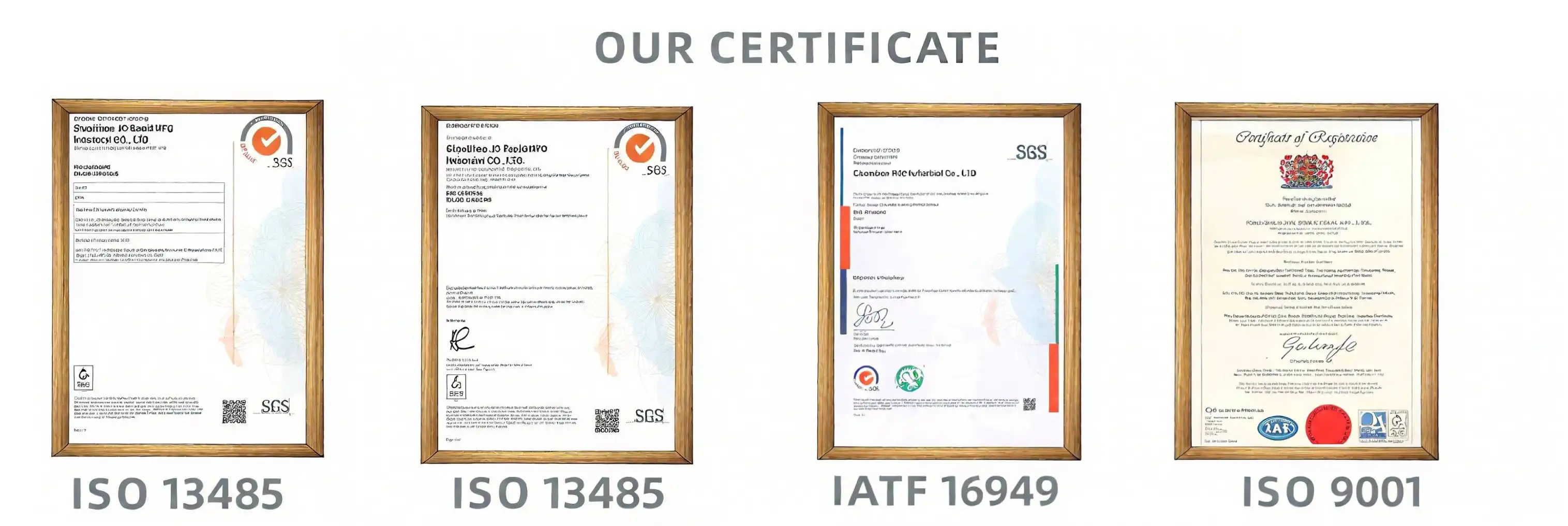
Specifications from the International Organization for Standardization (ISO) make it easy to group different types of tungsten carbide inserts based on their makeup, how hard they are, and what they are meant to be used for. The ISO method sorts inserts into groups based on alphanumeric codes that show which ones are best for which types of workpieces and cutting situations. For finishing processes on harder materials, lower-numbered grades are harder, while higher-numbered grades are tougher for roughing passes and cuts that are halted. When describing tooling, procurement managers should use these standardized classes to make sure that everything is the same across all providers and production places. Certified manufacturers like Junsion make sure that the materials they use are tested thoroughly and that the dimensions are correct according to ISO 9001:2015 standards. This makes sure that the products they give meet the written specifications and work the same way in every production batch.
Matching Inserts to Workpiece Materials
For the best pick of an insert, the tungsten carbide insert grade must meet the specific metallurgical qualities of the workpiece material. Aluminum alloys need cutting edges that are very sharp and special shapes that keep the material from sticking to the edge and building up. For stainless steels, you need tougher types with coats that stop notch wear from work hardening while the steel is being cut. For use with cast iron, types that are better at resisting abrasive wear are best, since hard tungsten carbide insert particles in the iron object quickly wear down tools. For aerospace uses that work with titanium alloys, grades that are both tough and thermally stable are needed to handle the materials' low thermal conductivity and chemical reaction. Manufacturers who work with a wide range of industries, such as medical device production, robotics assembly, and the fabrication of AI-based equipment, should keep a strategic inventory of grade families that cover their main workpiece material categories and build relationships with responsive suppliers who can quickly find specialized grades for specific applications.
Evaluating Manufacturers and Supplier Credentials
It's just as important to choose qualified sources as it is to choose the right tungsten carbide insert specs, since quality uniformity and technical support have a direct effect on how reliable production is. When well-known brands make tools, they make sure that the dimensions are correct, the edges are always prepared the same way, and the finish is always the same. These things have a direct effect on how well the tools work. When evaluating a supplier, you should check to see if they have ISO certification, paperwork that shows they follow RoHS rules, and proof that they use structured quality management practices. Technical support features like application engineering help, debugging tools, and suggestions for cutting parameters add value beyond just supplying the product. Flexibility in the supply chain and the amount of working capital needed are affected by lead times, minimum order numbers, and the availability of goods. Junsion's 1,600-square-meter building has 32 high-tech CNC machines for fast prototyping and production scaling. Our expert team offers quick application support to help customers improve their manufacturing processes and reach their efficiency goals.
Practical Procurement Tips: Buying Tungsten Carbide Inserts for Your Business
Cost management, quality assurance, and the dependability of the supply chain should all be balanced in good procurement plans. These practical things to think about can help buyers find the best industrial tooling companies and make the best buying choices.
Identifying Reliable Distribution Channels
Finding reliable sellers of real goods backed by maker certifications and quality guarantees is the first step to successful buying. Reliable distributors keep long-term ties with top manufacturers of tungsten carbide inserts. This makes sure that the products they sell are real and gives customers access to expert support resources. Online platforms make it easy to buy a wide range of products, but you have to be very careful to make sure that the seller is legitimate and that the products are real. Local wholesalers may have fewer items in stock, but they offer personalized service and faster shipping. When a business looks at various sourcing channels, it should think about things like the range of products available, the availability of expert help, the dependability of delivery, and the total landed costs. When you form strategic partnerships with a few providers who understand your application needs and production goals, you both benefit. This is because you can work together on inventory management, negotiate better prices for large orders, and get proactive technical support that stops costly production interruptions.
Optimizing Order Quantities and Pricing
Understanding the economic factors that affect the cost of tungsten carbide inserts makes it easier to negotiate and keep costs down. Unit prices are affected by the difficulty of the material grade, the coating specs, the geometric features, and the number of orders. When you buy in bulk, you usually save a lot of money per item, but it also means that you may have to keep more goods on hand, which can be expensive if your needs change. The best use of working capital is achieved by balancing order numbers with rates of usage, storage costs, and capital needs. Buyers should ask for specific quotes that include the prices of the base material, the coating, and any special features. This will help them understand the value components and look for ways to cut costs. If you commit to buying a lot of different part numbers, you might be able to get better prices and save time on paperwork that comes with placing lots of small orders. When you involve suppliers early on in the creation of a new product, you can use standard insert geometries and easily available grades to improve the design. This way, you can avoid paying extra for special specs that cause delays in production launches and make managing the supply chain more difficult.
Ensuring Quality Assurance and After-Sales Support
Full quality paperwork and quick after-sales help protect the money you spent on tools and keep production running smoothly even when products arrive damaged. Reliable providers give certificates of conformance for each production batch that show the material makeup, hardness test results, and inspection data for dimensions. The warranty terms should make it clear what is covered, such as premature wear, paint flaws, and nonconformities in size or shape. They should also explain how to file a claim and how long it will take to be fixed. Having access to technical support makes it easier to fix problems with performance, find the best cutting parameters, and find other answers when program needs change. When creating new processes or fixing quality problems that won't go away, suppliers who offer on-site application tech help are very helpful. Junsion has strict quality control procedures that include using advanced measurement tools to check the accuracy of dimensions, testing materials to make sure they are RoHS compliant, and certifying materials to make sure they meet specific requirements. This gives customers written proof that the products they receive meet their needs and work reliably in demanding production environments that serve the electronics, communications, and consumer goods industries around the world.
Conclusion
Due to their exceptional hardness, better wear resistance, and consistent performance across a wide range of materials and working situations, tungsten carbide inserts are unmatched in the precision machining industry. Customers in industries that use CNC machining, EDM, turning, and five-axis manufacturing can improve efficiency and reduce costs by selecting tungsten carbide gear inserts that are tailored to their specific needs. Knowing about the different types of materials, the pros and cons of each, and the best ways to buy them can help you make smart choices that will get the most out of your tooling expenses. Strategically choosing suppliers based on quality certifications, expert support skills, and quick service guarantees a reliable supply chain that keeps production plans on track. As industrial technologies improve and performance standards rise, tungsten carbide inserts will continue to be necessary to meet the high standards of accuracy, efficiency, and quality that are needed in today's global markets.
FAQ
How long do tungsten carbide inserts typically last in industrial use?
Tool life depends a lot on the hardness of the object, the cutting factors (like speed and feed rate), the coolant used, and the grade of insert chosen. When used in the same way, tungsten carbide inserts usually last three to ten times longer than high-speed steel options. When machining aluminum metals at low cutting speeds, an edge can last for several thousand parts. On the other hand, when machining hardened steels aggressively, the edge life is much shorter. Coated tungsten carbide inserts usually make substrates 200% to 400% more durable than bare substrates by making them more resistant to wear and heat.
Can tungsten carbide inserts be resharpened or reused?
Many tungsten carbide insert designs can be resharpened, depending on the wear patterns and the remaining material. When tungsten carbide inserts have even side wear and not too many craters or chips, they can often be regrinded to get their cutting edges back. However, the economics of resharpening rely on how much work costs, how easy it is to get grinding tools, and how much more it costs to resharpen than to buy a new blade. Modern indexable tungsten carbide inserts with multiple cutting edges usually make resharpening less cost-effective because turning to a new edge restores output right away without the quality risks that come with regrinding, which can damage the edge shape and coating integrity.
What factors most affect the performance of tungsten carbide inserts?
The main thing that affects performance is choosing a tungsten carbide insert grade that matches the properties of the finished material. This determines the hardness, stiffness, and wear resistance of the material. Through better heat protection and less friction, coating technology has a big effect on tool life and the highest cutting speeds. To keep the tungsten carbide inserts from breaking too soon, the cutting speed, feed rate, and depth of cut must all match up with what the machine can do. The wear processes and tool life span are directly affected by the hardness, abrasiveness, and thermal conductivity of the workpiece material. Using the right amount of coolant, making sure the machine is rigid, and fixing the workpiece correctly can also have a big effect on speed and edge stability.
Partner with Junsion for Premium Tungsten Carbide Insert Solutions
Dongguan Junsion Precision Hardware Co., Ltd. is a reputable company that makes tungsten carbide inserts. They offer high-quality products and can make custom ones to fit the needs of difficult industrial uses. Our cutting-edge factory has 32 high-tech CNC machines that make precise parts with surface roughness values up to Ra0.8μm and tolerances of ±0.01mm. These parts are used to make automation equipment, vehicles, medical devices, aerospace systems, AI intelligent platforms, home appliances, and robotic assembly. We offer a wide range of surface treatments, such as PVD coating, CVD coating, AlTiN coating, and precision grinding, which make tools last longer and work better in a wide range of metalworking tasks. Our quality control system is ISO 9001:2015 approved, and all of our products are RoHS compliant. This means that they are reliable and meet international standards. Get in touch with our expert team at Lock@junsion.com.cn to discuss your specific application needs, ask for samples, or look into volume pricing for tungsten carbide inserts that will help you be more productive and efficient in your work.
References
1. Davis, J.R. (2019). Tool Materials and Applications: A Comprehensive Guide to Carbide Cutting Technology. ASM International Publishing.
2. Stephenson, D.A. & Agapiou, J.S. (2018). Metal Cutting Theory and Practice: Advanced Manufacturing with Tungsten Carbide Tooling. CRC Press.
3. Trent, E.M. & Wright, P.K. (2020). Metal Cutting Principles: Science and Engineering of Carbide Insert Performance. Butterworth-Heinemann Technical Publications.
4. Klocke, F. (2021). Manufacturing Processes: Cutting Technology and Tool Material Selection Strategies. Springer Advanced Engineering Series.
5. Shaw, M.C. (2017). Fundamentals of Modern Machining: Carbide Insert Applications in Industrial Manufacturing. Society of Manufacturing Engineers.
6. Sandvik Coromant Technical Editorial. (2022). Modern Metal Cutting: A Practical Handbook for Tungsten Carbide Tooling Applications. Sandvik Technical Press.