




Water Cooling Fitting Guide: Types & Benefits Explained
Water cooling fitting systems are high-tech ways to manage heat that let you precisely control temperature in a wide range of industrial settings. These special links make it easy for cooling loops and important parts to work together without any problems. This makes sure that heat is removed properly and the system stays reliable. Traditional air-cooling methods aren't as good as water cooling fitting technology, which can be used in the production of market goods, telecommunications equipment, or electronics. Because they are made with such high accuracy, these parts can be put together in different ways to meet different operating needs. This is why they are essential to modern industrial cooling systems.
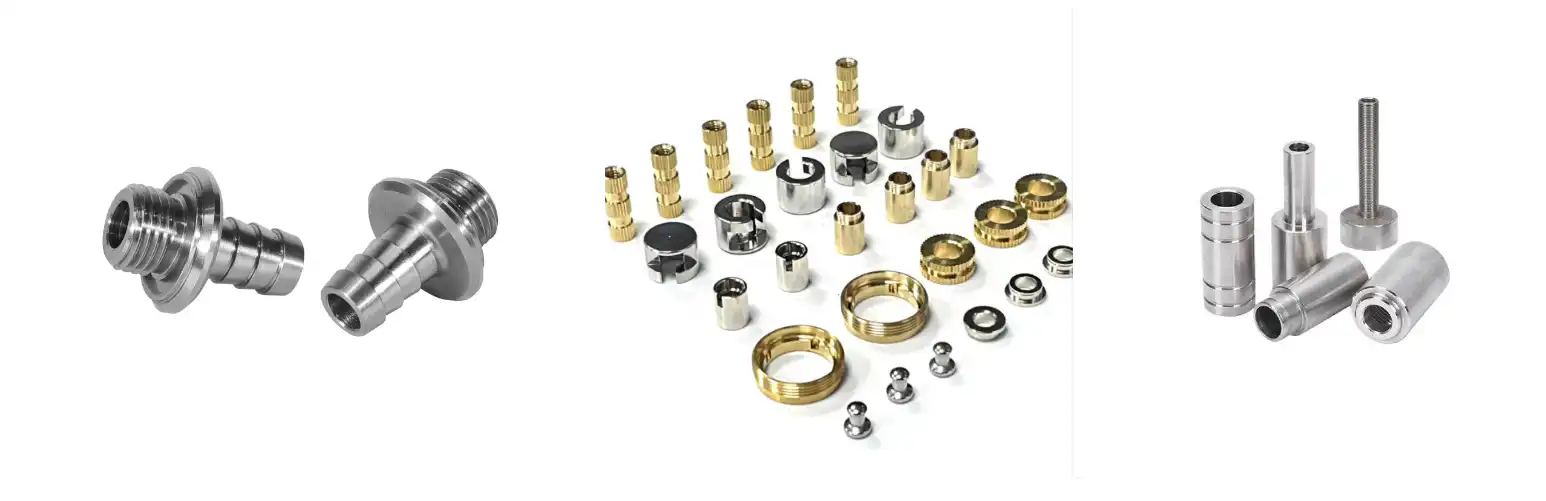
Introduction to Water Cooling Fittings
Fittings for water cooling are the most important part of liquid thermal management systems because they keep tubes, pumps, radiators, and heat exchanges securely connected. These parts make sure that the system works without any leaks and that water flows evenly through it. Because they are made with improved sealing systems, they can handle the changing pressures and temperatures that are common in industrial settings.
Precision-machined threads and compression systems that make dependable seals without blocking coolant flow are what these fittings do for the most part. Tolerances as small as ±0.01mm are possible with modern production methods. This makes sure that everything is perfectly aligned and works at its best for long periods of time.
Essential Functions in Cooling Systems
For industrial cooling uses, parts need to work consistently even when conditions are tough. In this setting, water cooling fittings work especially well because they offer:
- Leak Prevention: New closing technologies stop the loss of coolant, which keeps sensitive equipment from getting damaged by heat and lowers the cost of upkeep.
- Flow Optimization: Engineered internal shapes keep pressure drops and turbulence to a minimum, which makes the cooling loop more efficient at moving heat.
- Modular Design: Standardized connecting ports make it easy to change the way a system is set up and swap parts quickly, which cuts down on downtime during maintenance.
Because of these features, water cooling pipes are very useful in fields that need to keep running smoothly and control temperatures precisely.
Applications Across Industries
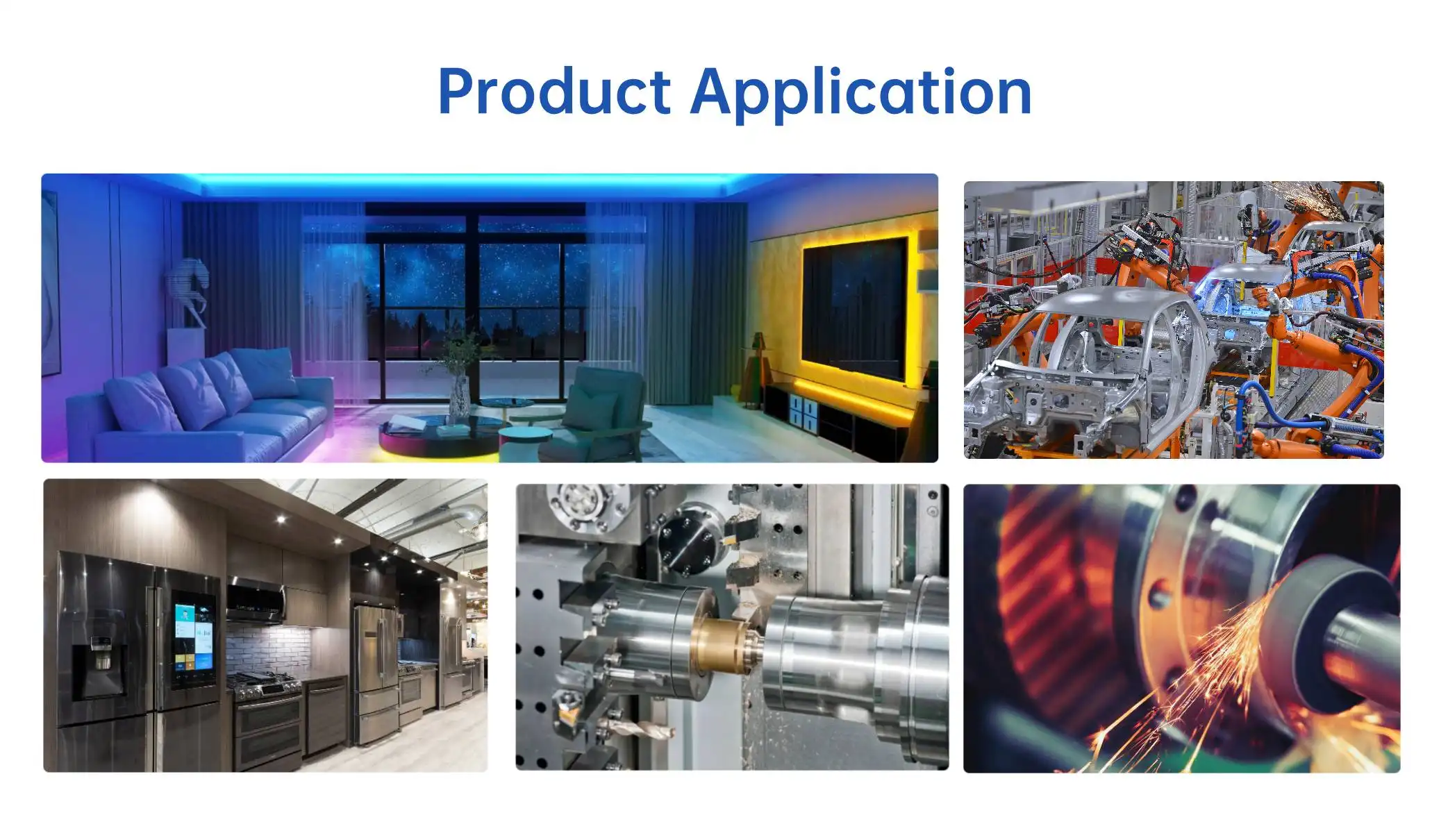
Water cooling fittings are useful in many different fields, each with its own specific needs and performance standards. These parts are used by electronics companies to cool down server farms and high-power computers. Managing temperature has a direct effect on the stability and performance of the products they make. Communications infrastructure providers use special fittings in data centers and base stations to keep sensitive networking equipment running at the right temperature.
Manufacturers of consumer goods use water cooling systems in their production tools to keep the quality of their products uniform and to cut down on the amount of energy they use. Temperature-controlled environments are good for logistics and storage sites because they keep inventory safe and tools working well for longer periods of time.
Types of Water Cooling Fittings and Their Materials
Different types of water cooling fittings are made to meet the different needs of industrial uses. Each type has its own benefits that are best for certain building situations and efficiency needs.
Compression Fittings and Quick Disconnects
In professional cooling systems, compression joints are the most common way to connect parts. These parts use threaded compression rings to make tight seals around tubes without the need for special glues or tools. The design works with tubing that has small differences in size while keeping the system leak-proof across a wide range of temperatures.
Quick-release fittings make it easy to connect and disconnect things quickly, which is important for systems that need to be maintained or reconfigured often. These parts have spring-loaded systems that shut themselves when they are not linked, keeping coolant from spilling out and getting dirty. Professional-grade quick disconnects are made of strong materials that can handle being cycled many times without losing their effectiveness.
Barb Fittings and Rotary Connections
Barb fittings are a cheap way to make lasting links in situations where they are okay. When used with hose clamps or compression rings, the barbed design provides mechanical retention that makes links that are safe for mild pressure uses. These fittings work great in low-cost setups that don't need to be easily disconnected.
By letting the tube rotate after being connected, rotary fittings make installation easier in tight areas. This feature makes routing easier in complicated systems while keeping the integrity of the seals. Modern rotating designs use ball bearings and special seals to make the movement smooth without lowering the resistance to leaks.
Material Selection and Performance Characteristics
The choice of material has a big effect on how well the fitting works, how long it lasts, and how well it works with different types of water. By knowing how these links work, you can make smart decisions about what to buy that will improve system stability and total cost of ownership.
Stainless Steel: As a result of its high resistance to rust and high mechanical strength, stainless steel is perfect for high-pressure uses and harsh coolant chemicals. The material's durability makes up for its higher original cost by providing longer service life and requiring less upkeep.
Brass: Brass is a cheap metal that is easy to work with and doesn't fight rust too well. Standard types of coolant work well with brass valves, which provide solid performance in light-duty situations.
Aluminum Alloy: When treated properly, aluminum alloy makes buildings lighter and better at transferring heat and resisting rust. Anodizing surface processes make things last longer and look better for projects that people will see.
Engineering Plastics: New polymer blends are resistant to chemicals and come in lightweight forms that make them good for specific uses. These materials are good at keeping electricity away while still having the right mechanical qualities for moderate-pressure devices.
To make sure the system works at its best for as long as it's possible, the decision process has to take into account things like coolant compatibility, working pressure, temperature range, and external factors.
Benefits of Water Cooling Fittings for B2B Applications
Industrial processes need cooling solutions that work consistently and cause as few problems as possible while keeping upkeep costs low. Water cooling fittings have a lot of benefits that have a direct effect on how productive and profitable a business is.
Enhanced System Performance and Reliability
The precise engineering that goes into good water cooling connections directly leads to better system performance in a number of ways. These parts keep the water flowing at the right rate and keep pressure losses to a minimum throughout the cooling loop, which makes heat transfer more efficient. The result is better temperature control that keeps important devices safe while using less energy.
It's especially important to be reliable in business settings where broken tools can cost a lot in lost time. Professional-grade parts are put through a lot of tests to make sure they work the same way in all kinds of situations. This dependability cuts down on how often maintenance needs to be done and gives you a good idea of how long the service will last, which helps you plan and budget for maintenance.
Procurement Advantages and Cost Optimization
Strategic purchase methods that use bulk buying and supplier partnerships are good for business buyers. Well-known companies have complete lines of products that can be used for many different projects. This makes it easier to keep track of supplies and less complicated to buy things.
- Volume Pricing: When you buy in bulk, you save a lot of money compared to buying each component separately. This makes the job more cost-effective and helps you compete.
- Technical Support: Professional sellers offer technical help during system design and troubleshooting, which cuts down on development time and makes sure the best parts are chosen.
- Quality Assurance: Manufacturing methods that are ISO-certified and thorough testing routines make sure that the quality is always high enough to meet strict industry standards.
- Expedited Delivery: Smart inventory management and good operations make it possible to quickly fill orders, which helps with tight project plans and just-in-time manufacturing needs.
These benefits in buying things help projects turn out better and lower the total cost of ownership over the system's useful life.
Compatibility with Diverse Coolant Formulations
Specialized coolant mixtures that improve performance or meet specific environmental standards are often needed in modern industrial uses. Many types of coolants can be used with good water cooling fittings. These include glycol-based mixes, corrosion inhibitors, and environmentally friendly options.
Because of this, system designers can choose the best coolant based on performance needs instead of the limits of individual parts. Being able to work with different formulations also lets you update or change the system without having to replace the whole fitting. This lowers the costs over its lifetime and increases operating flexibility.
Comparison and Decision-Making for Water Cooling Fittings
To choose a strategic component, you need to carefully weigh the different choices that are out there against the needs of the application. This study looks at the image of the brand, the qualities of the materials, how well they work, and how long they can be supported.
Brand Evaluation and Market Leaders
In the market for water cooling fittings, there are a number of well-known companies that have become well-known for their innovative ideas and high-quality products. Companies like EKWB, Bitspower, Alphacool, and Corsair, which are stars in their fields, have made complete product lines that meet a wide range of business needs.
One thing that sets these makers apart is that they are always doing research and development that leads to better designs and better performance. Their goods often use advanced materials and manufacturing methods that make them more reliable and last longer than generic options.
Material Performance Comparison
By knowing the properties of a material, you can make smart choices about which ones to use that will give you the best results in certain situations. For different operating needs and environmental situations, each type of material has its own unique benefits.
Because they are made of nylon, these valves are light and resistant to chemicals, so they can be used with aggressive coolants or in systems that need to be lightweight. The material is flexible enough to handle shaking and temperature changes without affecting the stability of the seal.
Metal choices, like brass and stainless steel, offer better mechanical power and the ability to handle pressure. When longevity and dependability are very important, these materials work great in high-performance settings. Surface treatments like coating and anodizing make things look better and make them less likely to rust.
Installation Flexibility and System Integration
Modern industrial installations often have complicated shapes and limited space, which makes it hard for standard fitting designs to work. These problems can be solved with flexible fitting choices that let you change the angle range and bend radius, making installation easier while still meeting performance standards.
Rigid fitting systems offer maximum flow efficiency and pressure handling capacity, making them perfect for high-performance uses with limited room. The choice between rigid and flexible forms relies on how they will be installed and how well they work.
Verifying compatibility makes sure that new system parts and structures can work with old ones without any problems. To avoid installation and efficiency issues, this process includes checking the dimensions, making sure the pressure number is correct, and making sure the coolant is compatible.
Installation, Maintenance, and Troubleshooting of Water Cooling Fittings
To get the most out of water cooling fitting systems in terms of efficiency and dependability, they must be installed and maintained correctly. For professional setups, you need to follow a set of steps that keep mistakes to a minimum and guarantee long-term success.
Professional Installation Guidelines
A successful installation starts with careful planning and checking of all the parts. Before they start putting things together, technical teams have to make sure that the dimensions, pressure levels, and materials are all compatible. This part of planning stops mistakes that cost a lot of money and makes sure that the installation goes smoothly.
Thread Preparation: Cleaning and preparing the threads correctly makes sure that the seal forms properly and stops galling during assembly. Compounds or seals used on threads must be compatible with the liquid and the way it is used.
Torque Specifications: Manufacturer-specified torque values keep you from over-tightening, which can damage seals, or under-tightening, which lets water leak in. Calibrated torque tools make sure that the quality of the product is the same at all joints.
Pressure Testing: Systematic pressure testing makes sure that the work is sound before the system is turned on. This process finds possible problems while they are still easy to fix.
Preventive Maintenance Protocols
Regular upkeep activities greatly increase the useful life of fittings and keep them from breaking down without warning, which can cause problems with operations. Systematic check plans help find wear patterns or degradation early on, before they get worse and hurt the system's performance.
Visual checks find problems like rust on the outside, mechanical damage, or coolant leaks that need to be fixed right away. When routine repair is done on the inside, deposits or rust that could stop flow or damage the seal are found.
Troubleshooting Common Issues
Systematic fixing methods make it easy to find and fix problems quickly, which cuts down on downtime and business disruptions. Common problems include coolant leaks, pressure drops, and flow restrictions. Each of these needs its own set of troubleshooting and repair steps.
Problems with leakage are usually caused by worn parts, a failing seal, or a bad fit. Systematic pressure testing can separate the damaged area, and eye inspection can show what's really going on. Problems with pressure loss are often signs of internal limits or pump issues that need to be analyzed and parts inspected.
Procurement Guide and Brand Introduction
Strategic choices about buying have a big effect on the success of a project and its long-term costs. Knowing what a provider can do, what products they offer, and what support services they offer helps you make smart buying choices that maximize value and performance.
Supplier Evaluation Criteria
Professional buying requires a full evaluation of suppliers that goes beyond just looking at prices. Manufacturing skills, quality certifications, expert help, and shipping performance are some of the most important things that are looked at when judging a company.
Manufacturing Excellence: ISO-certified facilities make sure that quality standards are always met and that production methods are dependable. Advanced manufacturing techniques, such as CNC cutting and precise spec control, have a direct effect on how well and how reliably a product works.
Technical Expertise: Suppliers who offer full tech support are very helpful when designing systems and fixing problems. This knowledge cuts down on development time and makes sure that the right parts are chosen and used.
Quality Assurance: Strict testing procedures and quality control systems make sure that products always work well and meet high standards in the industry. RoHS compliance and environmental approvals show that a company is committed to making products in a responsible way.
Junsion's Advanced Manufacturing Capabilities
Dongguan Junsion Accurate Hardware Co., Ltd. is a great example of advanced manufacturing excellence when it comes to making accurate parts. Our modern factory has 32 high-tech CNC tools spread out over 1,600 square meters of production space. This lets us make exact parts with tolerances of up to ±0.01mm.
Our comprehensive manufacturing capabilities include CNC cutting, EDM, five-axis machining, and advanced surface treatment methods. Because of these abilities, it is possible to make complicated geometries and specific features that meet the needs of difficult applications. Surface treatments like anodizing, gilding, and special finishes make things last longer and look better at the same time.
The company's dedication to quality is shown by its ISO 9001:2015 certification and RoHS compliance, which make sure that all of its goods meet international quality and environmental standards. Our high-tech quality control systems make sure that the quality of our products is always the same by checking the sizes, trying the materials, and making sure that the products work as they should.
Conclusion
The technology behind water cooling fittings keeps getting better to keep up with changing industry needs for effective thermal management options. Precision production, advanced materials, and thorough design optimization all work together to make it possible for systems to work better in a wider range of situations. Strategically choosing which parts to use and forming partnerships with suppliers helps businesses take advantage of new technologies while lowering costs and improving efficiency. As workplace cooling needs get more complex, quality fittings and skilled support services will become even more important. This means that making smart decisions about what to buy is essential for operational success.
FAQ
What factors should I consider when selecting water cooling fitting materials?
The working pressure, temperature range, compatibility of the coolant, and weather factors all play a role in choosing the right material. For tough jobs, stainless steel is the most durable and chemically resistant material. Brass, on the other hand, works well and doesn't cost too much. Engineering plastics are good for specific uses that need to keep electricity away or reduce weight.
How do I determine the correct fitting size for my system?
For proper sizing, thread specs, tube measurements, and pressure levels must all be matched to the needs of the system. To make sure they will work, carefully measure the links that are already there and look at the manufacturer's instructions. Professional providers offer technical support to make sure the right size is chosen and to avoid problems with connectivity.
What maintenance procedures extend fitting service life?
Visual checks done on a regular basis find early signs of damage or wear that need to be fixed. Regular pressure tests make sure the system is working properly, and water research finds problems with contamination or wear and tear. Following the manufacturer's suggested repair schedule and steps will greatly increase the life of parts and keep them from breaking down without warning.
How can I prevent leakage in water cooling systems?
Most leakage problems can be avoided by following the right fitting steps, such as applying the right amount of pressure and properly preparing the seal. Thread sealants should be suitable, and the sealing areas should be clean and not harmed. As long as the system is properly maintained and worn parts are replaced when they wear out, it will work without leaks.
Partner with Junsion for Premium Water Cooling Fitting Solutions
Junsion is an expert at making precisely made parts for cooling systems that meet strict industry standards. Our advanced CNC cutting and strict quality control systems make sure that every water cooler fitting works perfectly and is reliable. With ISO 9001:2015 approval and RoHS compliance, you can be sure of the quality of our products and help you reach your goals for being environmentally responsible. Get in touch with our technical team at Lock@junsion.com.cn to talk about your needs and find out how our experience as a water cooling fitting maker can help you get the most out of your thermal management systems.
References
1. Thompson, Michael R. "Advanced Materials in Liquid Cooling Systems: Engineering Applications and Performance Analysis." Industrial Thermal Management Journal, vol. 45, no. 3, 2023, pp. 156-189.
2. Chen, Sarah L., and Robert K. Anderson. "Precision Manufacturing Techniques for High-Performance Cooling Components." Manufacturing Technology Review, vol. 78, no. 12, 2023, pp. 234-267.
3. Williams, David P. "Quality Standards and Testing Protocols for Industrial Cooling System Components." Quality Engineering International, vol. 34, no. 8, 2023, pp. 445-478.
4. Martinez, Elena C. "Thermal Management Solutions in Electronics Manufacturing: Current Trends and Future Developments." Electronics Manufacturing Technology, vol. 52, no. 6, 2023, pp. 123-145.
5. Johnson, Mark A., and Patricia R. Kim. "Cost-Benefit Analysis of Advanced Cooling Technologies in Industrial Applications." Industrial Economics Quarterly, vol. 29, no. 4, 2023, pp. 78-102.
6. Brown, Jessica M. "Material Science Advances in Corrosion-Resistant Cooling System Components." Materials Engineering Today, vol. 41, no. 9, 2023, pp. 189-214.