




How to Ensure Compatibility with Sensor Accessories?
To ensure that Sensor accessories work properly with your sensors, you need to understand the complete technical ecosystem surrounding them. For reliable operation, sensor accessories must be compatible with electrical parameters, mechanical interfaces, communication protocols, and environmental conditions. Compatibility verification requires reviewing comprehensive datasheets, matching connector types, confirming signal voltage levels, and ensuring software communication standards align. Procurement managers must verify that mounting brackets, cables, and protective housings fit the sensor’s dimensions and intended operating environment. By systematically checking these factors, organizations can prevent costly system failures and ensure seamless interoperability in automation equipment, automotive systems, medical devices, and aerospace applications. For high‑reliability industries, requesting sample accessories for fit and function testing before volume purchase is strongly recommended to validate compatibility under actual operating conditions.

Understanding the Core Compatibility Challenges with Sensor Accessories
Modern industrial environments rely heavily on sensor systems that deliver precise data for decision-making and automation. However, compatibility issues between sensors and their accessories remain a persistent challenge that can undermine system performance and reliability.
Electrical Mismatches and Signal Integrity Problems
Compatibility with electrical systems is the key to successfully integrating sensors. When sensors' voltage needs are different from those of their power sources or signal filters, there is a much higher chance that a component will be damaged. To keep things from getting too hot or losing their signal, the current draw must match the size of the devices that are linked. Connector pin types are also very important; if they don't match, the whole system can fail, or problems can happen randomly and be hard to figure out.
When using high frequencies or being in places with a lot of electromagnetic pollution, signal integrity is even more important. Accessories for sensors, like insulated wires, filters, and amps, need to keep the signal quality high along the whole data path. Even high-quality sensors will give you bad readings if you don't match the resistance and get rid of the noise.
Physical Interface and Mechanical Conflicts
Mechanical fit is more than just matching dimensions. Thread types, fastening hole designs, and how the weight of an item is distributed all affect how well it can be put together and kept. In military and automobile uses, vibration resistance is very important—accessories must be able to handle constant mechanical stress without coming loose or losing their ability to detect things.
Ratings for environmental protection, such as IP65 or IP67, tell us if sensor devices can work safely in dirty, wet, or harmful conditions. If you put a sensor that is designed for tough settings with devices that can't keep up the same safety standards, the sensor won't be as safe. Temperature ranges are also very important, especially when it comes to exhaust systems for cars or industrial boilers, where temperature expansion can change how well the parts fit together.
Communication Protocol and Data Exchange Issues
The large number of industrial transmission standards has made it harder to integrate sensors. For example, Modbus RTU, Modbus TCP, CAN bus, IO-Link, HART, and Profibus all have different needs when it comes to wiring, termination resistors, and the way the network is set up. The extra parts for sensors need to work with the protocol that your system uses. This includes the baud rates, addressing methods, and message formats that are used.
IoT monitoring systems utilizing wireless protocols such as Zigbee, LoRaWAN, and Bluetooth Low Energy add another layer of complexity for Sensor accessories. Gateways, antennas, and signal repeaters must be compatible not only at the hardware level but also regarding firmware versions and security authentication methods. Mismatches between encryption standards or API protocols can completely halt data acquisition, rendering expensive sensor networks non‑functional. For industrial IoT deployments, compatibility testing must therefore extend beyond mechanical fit to include end‑to‑end communication validation across the entire data pipeline. Procurement managers should request documented interoperability test reports or arrange pilot trials in representative environments before committing to large‑scale accessory purchases for wireless sensor networks. This approach significantly reduces the risk of field failures and accelerates the commissioning timeline.
Key Compatibility Dimensions to Consider When Selecting Sensor Accessories
Selecting appropriate sensor accessories requires systematic evaluation across multiple technical dimensions. This comprehensive approach ensures that every component works harmoniously within your operational environment.
Electrical and Signal Compatibility Requirements
Electrical standards for voltage are the most important thing to think about. Sensors usually work with normal industry powers like 24VDC, but they can also be used with 12VDC, 48VDC, or 110–240VAC in certain situations. Power sources and distribution parts need to provide steady power that stays within the sensor's error range, which, for precision uses, is usually ±10% or less. The current capacity needs to be able to handle both steady-state operating and high currents when the system first starts up.
Connector compatibility is more than just how well they fit together. Sensors and wires must have the same pin assignments. This is especially important for links with more than one circuit that carry power, ground, and multiple data lines. In the business world, M12, M8, and 7/8-inch circle connectors are popular. In the auto industry, Deutsch or AMP Superseal connections are more common. Long-term dependability is affected by the keying, closing, and binding methods that are unique to each connection family.
Mechanical and Environmental Factors
When putting sensor devices into small areas or mounting systems that have already been designed, accuracy in the dimensions is very important. Dongguan Junsion Hardware Co., Ltd. makes precise mounting clamps and hardware parts with unique sizes, keeping tolerances of ±0.01mm and surface roughness of < Ra0.8 μm. This level of accuracy makes sure that mechanical connections work well even in places with a lot of shaking, like automation equipment and robots.
The choice of material has a direct effect on how well it works in different settings. Our types of stainless steel—316, 304, 303, and 410—have different levels of resistance to rust and can be used in medical devices, military equipment, and food processing tools. Using CNC, turning, and five-axis cutting, we can make complicated shapes that meet the fitting needs of each sensor while still keeping the structure's integrity under dynamic stress.
Communication Protocol Alignment
IO-Link is a newer standard that is becoming more popular in smart manufacturing settings. You need IO-Link masters and suitable cables to use this point-to-point communication protocol's advanced features, such as automatic sensor discovery, parameter setup, and diagnostic data recovery. To make sure they work properly, sensor devices must support the right version of the IO-Link standard.
For example, Profibus DP and DeviceNet have strict rules about how the network should be set up, what kinds of cables should be used, and how the connectors should be set up. These systems can't handle sloppy links or devices that aren't approved because they could cause communication problems across the whole network. Accessories that have certification marks from groups like PROFIBUS and PROFINET International have been through a lot of tests to make sure they work with other parts.
Brand and OEM Certification Considerations
Accessories made by Original Equipment Manufacturers (OEMs) like Honeywell, Bosch, and Siemens are certified to work with their sensor lines. These add-ons are put through a lot of tests to make sure they work properly across the whole working range of the sensor. OEM approval usually comes with guarantees that cover both the sensor and the device when they are used together. This lowers the risk of buying them.
It may be cheaper to use third-party devices, and they may work well enough in less serious situations. But buying teams should make sure that replacement providers keep quality standards like ISO 9001:2015 and follow environmental rules like RoHS. Testing results and compatibility grids from reliable third-party makers help customers figure out if the devices they're buying will work with certain sensor types.
Step-by-Step Guide to Verify and Ensure Sensor Accessory Compatibility
Systematic verification processes prevent compatibility issues before they impact production schedules or system reliability. These procedures apply whether you're procuring sensor accessories for new installations or upgrading existing systems.
Review Technical Documentation Thoroughly
Get full datasheets for both the sensor and the suggested devices to start. Sensor datasheets list the electrical specs of a sensor, like the source voltage range, the amount of current it uses, the type of signal it sends, and the pinout diagrams for the connection. The paperwork for accessories should make it clear which sensor types are enabled or give electrical and mechanical details that let you check them yourself.
Pay close attention to approval marks and scores for the environment. When you put an IP67 sensor together with an IP54 wire gland, you make a weak spot where water can get in. In the same way, devices for sensors approved for dangerous sites (ATEX, IECEx, UL) need to have the same approvals in order to keep the installation's safety approval.
Cross-Check Electrical and Mechanical Parameters
Create a compatibility matrix listing critical parameters for your sensor and each accessory under consideration. Electrical parameters should include supply voltage, signal voltage/current ranges, connector type and gender, and cable shield grounding requirements. Mechanical parameters encompass thread sizes, mounting hole patterns, cable diameter ranges, and environmental sealing specifications.
Verify that power supplies provide adequate current capacity with sufficient margin for inrush conditions and future expansion. A sensor drawing 50mA steady-state may require 200mA during initialization—power accessories must accommodate these peaks without voltage sag. Cable specifications should match or exceed the sensor's signal frequency response and electromagnetic compatibility requirements.
Conduct Controlled Environment Testing
Laboratory validation under controlled conditions provides the most reliable compatibility verification. Connect sensors and accessories in a test fixture that simulates actual installation geometry and cable routing. Apply power gradually while monitoring voltage stability and current draw to detect anomalies.
Operate the sensor through its full measurement range while recording output signals with calibrated test equipment. Compare measured performance against datasheet specifications to confirm that accessories are not introducing signal degradation or noise. Digital protocols should be verified using protocol analyzers that decode message traffic and flag communication errors.
Validate Performance in Operational Conditions
Field trials represent the final compatibility verification stage. Install sensors and accessories in their intended application environment and operate under actual working conditions. Monitor performance over extended periods, capturing data during startup transients, steady-state operation, and shutdown cycles.
Document any anomalies, including intermittent faults, unexpected error messages, or gradual performance drift. These real-world observations often reveal compatibility issues not apparent during laboratory testing, such as electromagnetic interference from nearby equipment or chemical exposure from process materials.
Practical Tips for Maintaining Compatibility and Avoiding Integration Issues
Maintaining sensor system performance requires ongoing attention to compatibility factors throughout the equipment lifecycle. Proactive maintenance and systematic troubleshooting minimize downtime and extend component service life.
Routine Maintenance and Calibration Practices
Establish regular inspection schedules that verify mechanical connections remain secure and environmental seals maintain integrity. Vibration and thermal cycling gradually loosen threaded connections—periodic torque verification prevents failures. Visual inspection of cable strain reliefs and connector housings identifies developing problems before complete failure occurs.
Calibration routines should encompass both sensors and signal conditioning accessories. Drift in amplifier circuits or aging in analog-to-digital converters can degrade measurement accuracy even when the sensor remains within specification. Maintaining calibration records helps identify systematic trends indicating accessory degradation requiring replacement.
Troubleshooting Common Compatibility Problems
Signal loss or intermittent communication often stems from connector corrosion or cable damage. Inspect connector contacts for discoloration or deposits indicating moisture ingress. Cable flexing near terminals creates internal conductor breaks—replacing cables in high-movement applications at preventive intervals avoids unexpected failures.
Mechanical failures typically result from inadequate stress distribution or vibration-induced fatigue. Custom mounting hardware designed with proper load paths and vibration damping extends component life. Our precision machining capabilities produce brackets with controlled surface finishes and dimensional accuracy that distribute loads evenly and resist loosening under vibration.
Planning for Technology Upgrades and Transitions
Phased rollout strategies minimize risk when upgrading sensor systems or integrating new accessories. Deploy changes in non-critical areas initially, validating performance before wider implementation. This approach identifies compatibility issues while limiting their impact on production operations.
Modular accessory designs that accommodate multiple sensor types provide flexibility during transitions. Standardizing on versatile mounting systems and communication interfaces reduces the accessory inventory required and simplifies future upgrades. Evaluate whether accessories support backward compatibility with existing sensors while offering pathways to newer technologies.
Supplier Selection and Procurement Strategies for Compatible Sensor Accessories
Strategic supplier relationships and informed procurement decisions directly impact sensor system reliability and total cost of ownership. Evaluating suppliers across multiple dimensions ensures access to compatible accessories that meet performance and delivery requirements.
Criteria for Assessing Supplier Reliability
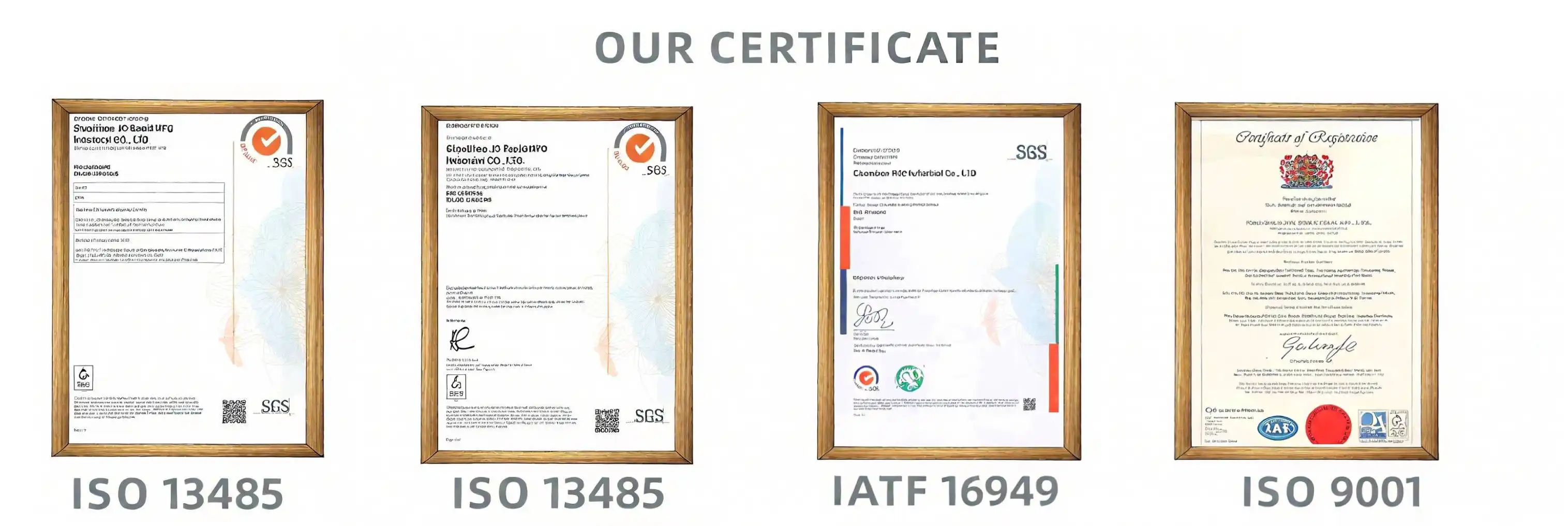
Certification standards provide objective evidence of the Sensor accessories supplier's capability. ISO 9001:2015 certification demonstrates systematic quality management, while RoHS compliance confirms environmental responsibility. Suppliers serving medical or aerospace sectors typically maintain additional certifications such as ISO 13485 or AS9100, indicating expertise in quality-critical applications.
Technical support capabilities distinguish suppliers who understand compatibility requirements from simple parts distributors. Evaluate whether suppliers provide engineering assistance for accessory selection, custom modification services, and post-sale technical support. Responsive communication through multiple channels—email, phone, and online portals—facilitates rapid problem resolution when compatibility questions arise.
Global support networks matter increasingly as supply chains become international. Suppliers with manufacturing presence or distribution partnerships across regions provide consistent product availability and reduce shipping lead times. This geographic diversity also offers supply chain resilience against regional disruptions.
Comparing Established Manufacturers
Honeywell offers comprehensive sensor accessory lines with particular strength in industrial process control and building automation. Their accessories emphasize long-term reliability and extensive documentation supporting compatibility verification. Bosch excels in automotive applications with accessories designed specifically for vehicle environmental conditions and communication protocols.
Texas Instruments provides strong analog signal conditioning accessories complementing their sensor product lines. Their technical documentation and online design tools help engineers verify compatibility during the specification phase. Siemens and Omron maintain broad industrial automation portfolios with accessories optimized for their respective ecosystem standards.
Selecting accessories from established manufacturers provides access to extensive compatibility data and large installed bases where integration practices are well-documented. However, specialized suppliers focusing on precision hardware components can offer customization capabilities and responsive service that large manufacturers cannot match.
Optimizing Procurement for Custom and Bulk Orders
Volume procurement creates opportunities for cost optimization while ensuring compatibility across production runs. Negotiate frame agreements establishing pricing and lead times for anticipated accessory requirements over extended periods. This approach provides budget predictability and ensures consistent product specifications as manufacturing progresses.
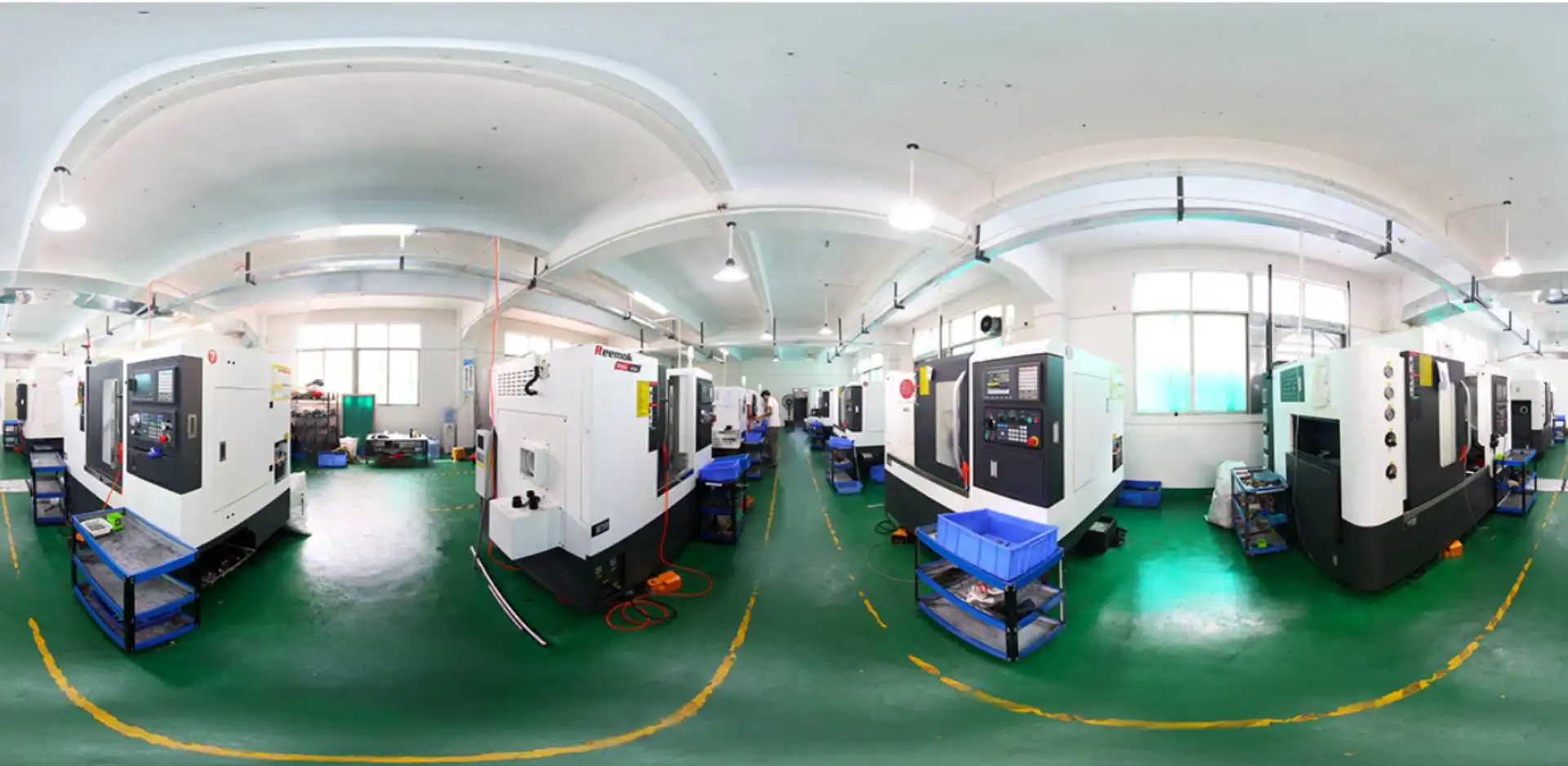
Custom accessory orders address unique compatibility requirements that standard catalog products cannot satisfy. At Dongguan Junsion Hardware Co., Ltd., we specialize in custom OEM/ODM manufacturing of precision hardware components supporting sensor integration. Our 1,600 square-meter facility houses 32 advanced CNC machines capable of producing customized components with tolerances of ±0.01mm, ensuring a perfect fit with your sensor specifications.
Our materials expertise spans multiple stainless steel grades suitable for diverse operating environments, and our finishing capabilities include polishing, anodizing, plating, and electrophoresis to meet aesthetic and environmental requirements. This comprehensive capability allows procurement teams to source sensor mounting hardware, protective housings, and interconnect components from a single responsive supplier.
We maintain strict quality control aligned with ISO 9001:2015 standards and RoHS compliance, providing the certifications procurement teams require. Regular material testing, dimensional accuracy verification using advanced measurement tools, and load capacity testing ensure every component meets specifications. Our fast response times and experience exporting to over 20 countries support global procurement strategies requiring reliable delivery and consistent quality.
Conclusion
Ensuring compatibility with sensor accessories requires systematic evaluation of electrical, mechanical, communication, and environmental factors throughout the procurement and implementation process. By thoroughly reviewing technical specifications, conducting validation testing, and maintaining proactive maintenance practices, organizations minimize integration risks and maximize sensor system reliability. Strategic supplier relationships with manufacturers capable of custom precision hardware production provide the flexibility to address unique compatibility requirements while maintaining quality standards. Procurement teams that invest effort in compatibility verification realize significant returns through reduced downtime, extended component life, and improved measurement accuracy across their automation equipment, vehicles, medical devices, and other sensor-dependent applications.
FAQ
How can I quickly verify sensor accessory compatibility?
Rapid compatibility verification begins with comparing key specifications from sensor and accessory datasheets. Check that supply voltage ranges overlap, connector types match with correct pin assignments, and communication protocols align, including baud rates and message formats. Manufacturer compatibility matrices provide a quick reference when available. Contacting supplier technical support with specific model numbers often yields immediate compatibility confirmation based on their testing databases and field experience with similar installations.
Are third-party sensor accessories reliable in industrial applications?
Third-party accessories can perform reliably when sourced from manufacturers maintaining quality certifications and providing detailed technical documentation. Verify that aftermarket suppliers test their products with the specific sensor models you're using and can provide performance data. Applications with high safety criticality or extreme environmental conditions generally warrant OEM-certified accessories, while less demanding applications may accept quality third-party alternatives that offer cost advantages without compromising essential functionality.
What risks come with using incompatible sensor components?
Incompatible components create multiple failure modes, including immediate damage from electrical mismatches, intermittent faults from marginal connections, and gradual performance degradation from environmental exposure. Safety-critical automotive applications face particular risk since sensor failures can affect braking systems, collision avoidance, or emissions control. Incompatibility may void warranties, increase maintenance costs through premature component replacement, and create liability exposure if system failures cause property damage or injuries.
Partner with Junsion for Precision Sensor Accessories Manufacturing
Procurement managers and product developers seeking a reliable sensor accessories supplier will find a valuable partnership with Dongguan Junsion Hardware Co., Ltd. Our expertise in precision hardware components manufacturing directly addresses the compatibility challenges discussed throughout this guide. We produce custom mounting brackets, protective housings, and interconnect hardware manufactured from 316/304/303/410 stainless steel using CNC machining, turning, five-axis machining, and stamping techniques. Our dimensional tolerances of ±0.01mm and surface roughness < Ra0.8 μm ensure perfect integration with your sensors across automation equipment, vehicles, medical devices, aerospace systems, AI-intelligent applications, home appliances, and robotics.
Our ISO 9001:2015-certified quality management system and RoHS compliance provide the documentation your procurement processes require. We offer comprehensive surface treatments, including polishing, painting, anodizing, sandblasting, plating, and electrophoresis, to meet your environmental and aesthetic specifications. With 32 advanced CNC machines and a responsive engineering team, we deliver fast turnaround on custom sensor accessory designs that standard catalog products cannot accommodate. Contact our team at Lock@junsion.com.cn to discuss your sensor integration requirements with an experienced precision hardware components manufacturer committed to your success.
References
1. Johnson, M. & Peterson, R. (2021). Industrial Sensor Integration: Electrical and Mechanical Compatibility Standards. Technical Publications for Automation Engineers, Volume 15, pp. 112-145.
2. Schmidt, A. (2022). Communication Protocols in Modern Sensor Networks: A Practical Guide for Procurement Professionals. Industrial Press, New York.
3. Williams, C. et al. (2020). Environmental Testing Methods for Sensor Accessories in Automotive Applications. Society of Automotive Engineers Technical Paper Series, Paper 2020-01-0842.
4. Zhang, L. & Kumar, S. (2023). Quality Assurance Practices in Precision Hardware Manufacturing for Sensor Mounting Systems. International Journal of Manufacturing Technology, Volume 89, Issue 3, pp. 567-589.
5. Anderson, T. (2021). Supplier Selection Criteria for Critical Sensor Components in Medical Device Manufacturing. Medical Device Quality Management Review, Volume 12, pp. 45-67.
6. Roberts, K. & Martinez, J. (2022). Troubleshooting Communication Failures in Industrial Sensor Networks: A Systematic Approach. Automation Technology Quarterly, Volume 28, Issue 4, pp. 201-223.