




Sewing Machine Accessories for Beginners: What to Buy?
Knowing which sewing machine accessories to purchase is critical, whether you are operating at an industrial scale or pursuing small‑batch production. The right components—presser feet, bobbins, needles, and specialty attachments—directly affect sewing speed, stitch quality, and machine longevity. When evaluating suppliers, procurement managers should prioritize accessories manufactured from precision materials such as stainless steel or aluminum alloy, which ensure dimensional accuracy and durability. Selecting high‑quality, machine‑compatible parts reduces downtime, guarantees product consistency, and supports flexible manufacturing methods that comply with ISO and RoHS standards. For industrial environments, we recommend maintaining a documented accessory replacement schedule based on usage hours rather than visual inspection alone, as this proactive approach prevents unexpected machine stops and ensures consistent output quality. Additionally, requesting material certifications and dimensional inspection reports from suppliers provides objective evidence of accessory quality and traceability.
Understanding Essential Sewing Machine Accessories
Defining Core Accessory Types and Their Functions
Accessories for sewing machines include a wide range of parts that are made to improve the machine's performance and meet different fabric working needs. Some essential sewing tools are presser feet for holding the fabric in place, bobbins for storing thread, needles with different sizes, seam rippers for fixing mistakes, and thread loops. Each tool has a specific technical purpose that affects how stitches are made and how fabric is moved. When purchasing these parts for production lines, procurement workers must make sure that they are compatible with current equipment types to keep operations running smoothly.
The Role of Accessories in Production Efficiency
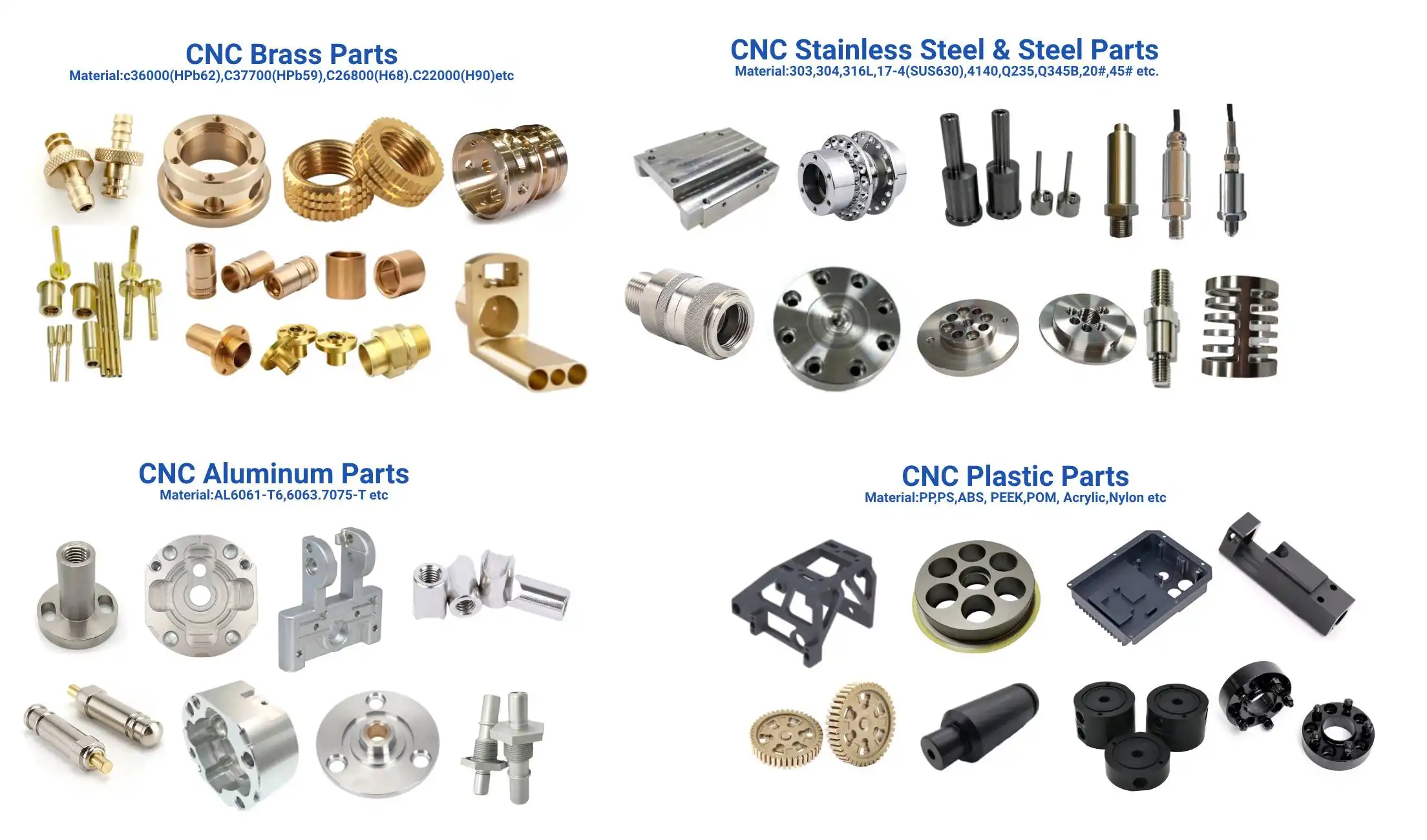
Choosing the right accessories has a big effect on how fast and well a product is made. High-precision parts made with CNC cutting or pressing methods make sure that all production runs work the same way. When it comes to wear protection, accessories made from brass, stainless steel, or engineering-grade plastics are better than common options. Advanced production techniques allow for dimensional accuracy of ±0.01mm and surface roughness of < Ra0.8 μm, which ensures stable performance in high-volume settings.
Compatibility Considerations for B2B Buyers
When buying sewing machine tools for business use, it's important to know what the machine needs. Different brands and models have their own connection systems, so buyers need to check the electrical connectivity, joint types, and fastening methods before placing an order. Engineers and procurement managers should ask sellers for detailed technical specs, such as licenses for the materials, measurement models, and reports on quality tests. This care makes sure that the new equipment works well with the old ones and avoids expensive returns or production delays as much as possible.
Types of Sewing Machine Accessories and Their Functions
General-Purpose Versus Specialized Accessories
There are both general sewing items that can be used for all kinds of jobs and specialised tools that are made for certain tasks. All-purpose feet, standard needles, and basic bobbin cases are examples of general-purpose items that can be used to sew on a wide range of fabrics. Accessories like blind hem feet, eyelet clips, and sewing guides are designed to meet specific needs in production. Business-to-business buyers should look at production files to find the best mixes of accessories that make tools as flexible as possible without having to buy too much inventory.
Detailed Functions of Presser Feet Varieties
One of the most varied types of accessories is the presser foot, with each type designed to solve a different problem when working with cloth. Offset designs on zipper feet let needles sew close to the teeth of the zipper, and feed dogs in walking feet keep fabric layers from moving during multi-ply operations. Roller feet make it easy to feed vinyl or leather materials, and edge-joining feet make sure that the seams are lined up perfectly. When making a purchase choice, you should think about the material makeup. Metal feet are better for heavy fabrics because they last longer, while plastic feet keep delicate fabrics from getting damaged.
Recommended Starter Kits for Procurement
For beginners, entry-level sewing machine accessories kits typically include 10‑30 essential components covering basic sewing tasks. Quality starter kits feature assorted presser feet, needles in sizes 9 through 16, universal bobbin sets, seam rippers, and magnetic pin cushions. When sourcing these kits for resale or internal use, buyers should evaluate material quality, packaging durability, and supplier willingness to customize kit contents. Kits manufactured using precision processes—cutting, grinding, and finishing—demonstrate superior consistency and workmanship compared to mass‑produced alternatives. For procurement, requesting sample kits before a bulk order is recommended to verify material quality and component compatibility with target machine brands.
Because complete accessory kits are so flexible, makers can deal with different types of cloth and building methods without having to keep a lot of separate stock on hand. This method makes buying easier while making sure that production teams always have the tools they need.
How to Select and Maintain Sewing Machine Accessories
Selection Framework Based on Technical Parameters
To buy accessories effectively, you need to evaluate them systematically based on a number of factors. Picking the right materials is the first step. 45 steel parts have great strength-to-cost ratios, aluminium alloy parts are strong and lightweight, stainless steel prevents rust, and brass is easier to machine for complicated designs. Buyers should ask for certificates of materials that show their chemical make-up and mechanical features. The precision of the dimensions and quality of the surface finish depend on the processing methods used, such as CNC machining, EDM, five-axis machining, and turning. When parts are made with tight specs, they reduce machine shaking and make the machine last longer.
Comparing Metal and Plastic Accessory Options
The choice of materials has a big effect on both function and cost. Metal sewing machine parts made of stainless steel or an aluminium alloy can handle heavy industrial use, don't bend when pressure is applied, and keep their shape when temperatures change. These qualities are very important in fast-paced work settings where broken accessories cost a lot of money in lost time. For delicate cloth uses, plastic options that are usually made by injection moulding or thermoforming are lighter and won't leave marks. Advanced industrial plastics are durable enough and don't cost too much, so they can be used for light-duty tasks.
Instead of just looking at the original buy price, procurement managers should look at the total cost of ownership. Even though metal parts cost more up front, they often provide better long-term value in difficult production settings because they last longer and need to be replaced less often.
Maintenance Best Practices for Extended Service Life
Structured repair routines keep accessories working well and keep them from breaking down too soon. Regular cleaning gets rid of lint, thread pieces, and glue leftovers that build up and make the machine less effective. Solvent-based cleaners can be used on stainless steel and brass parts, but plastic parts need milder solutions to keep them from breaking down chemically. When things are stored properly in organised cases, damage from collisions or the environment is kept at bay. Surface processes like polishing, anodising, or blackening make things less likely to rust, but they should be kept that way by following the right handling steps.
Common problems, like thread tension problems, broken needles, or feed mechanism jams, are often caused by tools that are worn out or not put in correctly. Setting up regular check plans lets you find signs of wear early, like cutting, pitting, or changes in size. Replacing broken parts before they break down keeps production going by preventing damage to the main machine parts.
Market Comparison and Brands Overview for Procurement
Key Industry Players and Their Strengths
Several well‑known manufacturers produce sewing machine accessories, each with distinct strengths. Brother accessories emphasize broad compatibility and user‑friendly designs for diverse applications. Singer products build on over 170 years of industry experience, offering reliability for home and light commercial use. Janome specializes in precision‑engineered components compatible with computerized machine systems. Industrial‑focused brands such as Juki and Pfaff manufacture heavy‑duty accessories designed for continuous production environments, featuring reinforced construction and longer duty cycles. Understanding these brand positions helps procurement professionals match accessory specifications to operational requirements. For large‑scale buyers, consolidating purchases from fewer suppliers who offer cross‑brand compatibility testing may reduce inventory complexity while maintaining quality. Additionally, requesting sample lots for in‑house durability testing before full commitment can prevent unexpected performance issues in production environments.
Recent Market Trends and Innovations
The custom clothing and home goods industries will be driving the accessory market in 2024, which will see a rise in demand for specialised needlework and sewing attachments. New technologies include sticky presser feet that let you make changes without using any tools, RFID-tagged items that let you keep track of your goods automatically, and composite materials that work better. Procurement managers should keep an eye on these new ideas to find ways to make production more efficient. But new technologies need to be carefully tested in small groups before they can be used by a lot of people. This is to make sure they work with the machinery that is already in place.
Pricing Models and Procurement Strategies
Prices for accessories are very different in bulk, trade, and retail. At retail, individual parts usually have markups of 200–400% over their market prices. This means that buying in bulk is cheaper for average customers. Depending on the amount and the seller, bulk sales can often get savings of 15% to 35%. People who work in procurement should discuss terms that cover things like minimum order amounts, shipping times, payment terms, and guarantee support. Getting in touch with providers that offer custom OEM/ODM manufacturing gives you access to unique parts that are made to fit your production needs, but these deals usually come with longer lead times and higher minimum amounts.
Where and How to Buy Sewing Machine Accessories for Your Business
Sourcing Strategies for Volume Purchases
To get the right sewing machine tools, you need to carefully evaluate and handle your relationships with suppliers. Online business-to-business (B2B) platforms let you connect with global sellers who have a range of skills, but local distributors offer faster shipping and more direct technical help. When buying teams look at providers, they should look at their ability to make things, their quality control systems, and their safety certifications. Suppliers with ISO 9001:2015-certified facilities show that they are dedicated to maintaining high-quality standards. RoHS compliance makes sure that the world is safe and that foreign markets follow the rules.
Evaluating Minimum Order Quantities and Lead Times
Volume requirements significantly influence procurement decisions for sewing machine accessories. Due to tooling costs and production efficiency needs, many specialty accessory manufacturers set minimum order quantities between 100 and 1,000 pieces per SKU. Custom components—which may involve CNC machining, hobbing, or grinding—often require higher minimums to cover setup costs. For catalog items, lead times are typically 2-4 weeks. For custom-engineered accessories requiring unique materials or surface treatments like QPQ processing or wire drawing, lead times extend to 8-12 weeks. Procurement planning should account for these timelines to avoid production delays.
Supplier Credibility and Quality Assurance
Checking a supplier's skills saves buying investments and makes sure that the quality of parts stays the same. Ask for proof, like material test records, data from measurement inspections, and the results of load capacity tests. Suppliers who use advanced measuring tools to check the accuracy of dimensions show that they are technically savvy. Check out the after-sales support systems, such as the guarantee terms, return policies, and the ability to get expert help. Getting to know providers who can quickly answer technical questions and deal with quality issues gives your business valuable working freedom.
Customised sizes with tight standards, a range of materials, and different finishing methods make it possible for sourcing professionals to find tools that are perfectly matched to specific production needs. With this ability to customise, makers that focus on fine hardware can set themselves apart from general providers.
Conclusion
When choosing the right sewing machine tools, you have to think about technical specs, material quality, the supplier's skills, and cost. Purchasing managers in the transportation, consumer goods, electronics, and communications industries can benefit from working with makers that offer precision-engineered parts, easy customisation, and reliable quality assurance. Knowing how accessories work, how often they need to be serviced, and what choices are available on the market helps you make smart buying decisions that improve production efficiency and equipment life. Businesses can be successful in competitive manufacturing settings if they build relationships with providers who offer full technical support, low prices for large orders, and strict respect for international quality standards.
FAQ
What are the most essential sewing machine accessories for beginners?
Beginners should prioritize acquiring all-purpose presser feet, needle assortments covering sizes 11-16, multiple bobbin cases, quality thread in basic colors, seam rippers, fabric scissors, and measuring tools. These fundamental items support most standard sewing operations across various fabric types and enable new operators to develop proficiency before investing in specialized attachments.
How can proper maintenance extend accessory lifespan?
Regular cleaning to remove lint accumulation, proper storage preventing physical damage, timely replacement of worn components, and using accessories within specified operational parameters significantly extend service life. Components manufactured from durable materials with protective surface treatments like anodizing or plating demonstrate enhanced longevity when maintained according to manufacturer guidelines.
What differentiates industrial from household sewing machine needs?
Industrial applications demand accessories engineered for continuous operation, higher load capacities, and compatibility with specialized production machinery. These components typically feature reinforced construction, tighter dimensional tolerances, and materials selected for extended duty cycles. Household accessories prioritize versatility, ease of installation, and compatibility with multi-function machines, often utilizing lighter materials and simplified designs suitable for intermittent use.
Partner with Junsion for Precision Sewing Machine Accessories
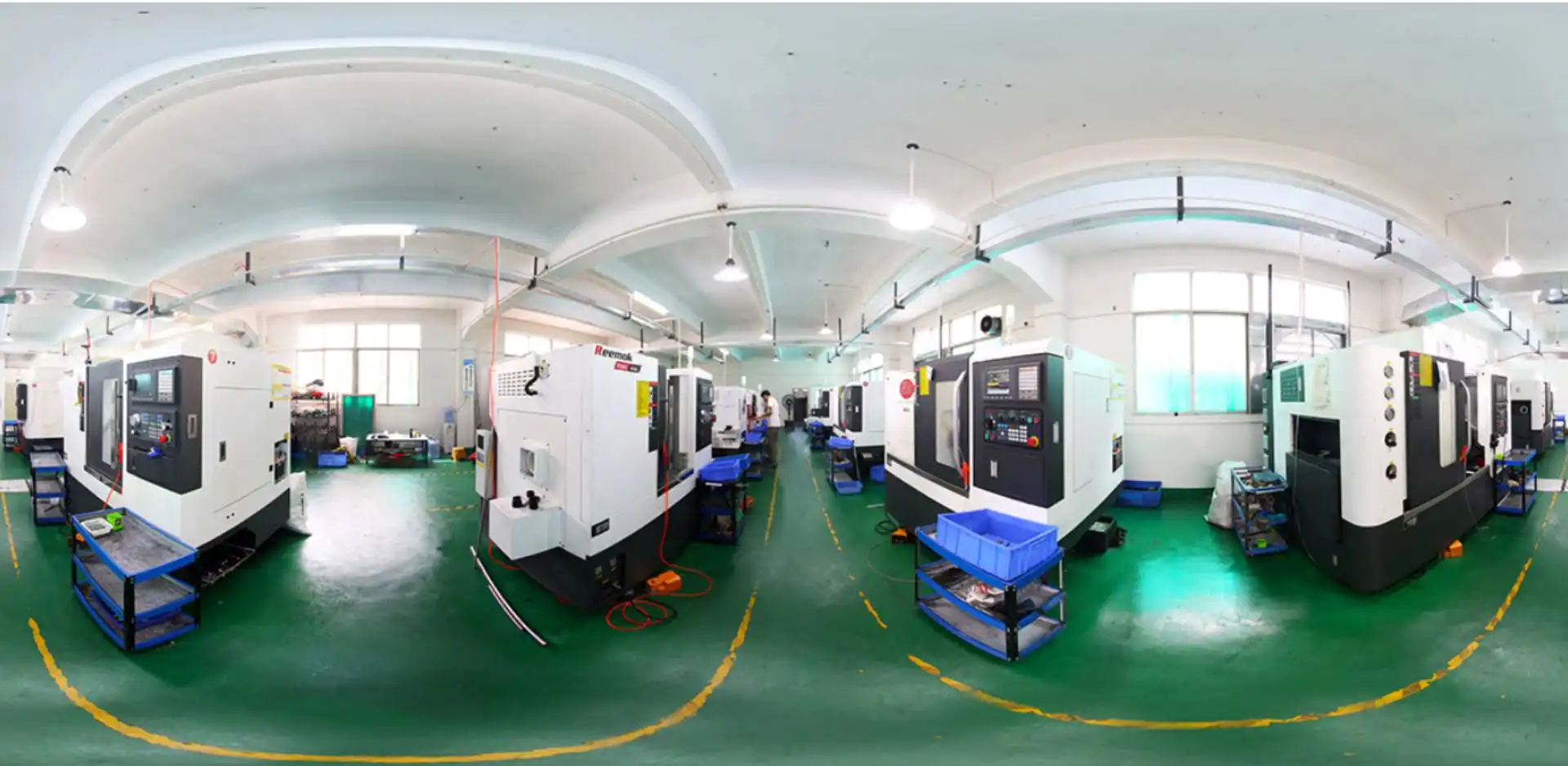
Dongguan Junsion Hardware Co., Ltd. specializes in manufacturing precision components that meet the demanding requirements of B2B buyers seeking reliable sewing machine accessories. Established in 2019, our 1,600 square-meter facility houses 32 advanced CNC machines capable of producing customized dimensions with tolerances of ±0.01mm and surface roughness < Ra0.8 μm. We work with diverse materials, including 45 steel, aluminum alloy, stainless steel, plastic, and brass, employing sophisticated processing techniques such as five-axis machining, EDM, grinding, and tapping. Our quality management system maintains ISO 9001:2015 certification and RoHS compliance, ensuring every component meets international standards. Whether you need standard accessories or custom OEM/ODM solutions, our engineering team provides rapid response to technical inquiries and delivers consistent quality across production batches. Contact our specialists at Lock@junsion.com.cn to discuss your requirements and receive detailed quotations for bulk orders. As an experienced sewing machine accessories supplier, we understand the critical importance of precision, reliability, and timely delivery in maintaining your production schedules.
References
1."Sewing Machine Maintenance and Accessory Selection Guidelines," American Sewing Guild Technical Manual, 2023.
2."Precision Manufacturing Standards for Textile Machine Components," International Organization for Standardization, ISO 10628-2:2022.
3."Material Selection and Performance Characteristics in Sewing Accessories," Journal of Textile Engineering & Fashion Technology, Volume 9, Issue 3, 2024.
4."Industrial Sewing Equipment: Procurement Best Practices for Manufacturing Environments," Textile Industry Association Research Report, 2024.
5."Comparative Analysis of Presser Foot Designs and Their Applications," Mechanical Engineering in Textile Manufacturing Quarterly, Spring 2024 Edition.
6."Quality Assurance Protocols for Precision Hardware Components in Textile Applications," Society of Manufacturing Engineers Technical Paper Series, 2023.