




How to Ensure Quality Control in Insert Parts Production?
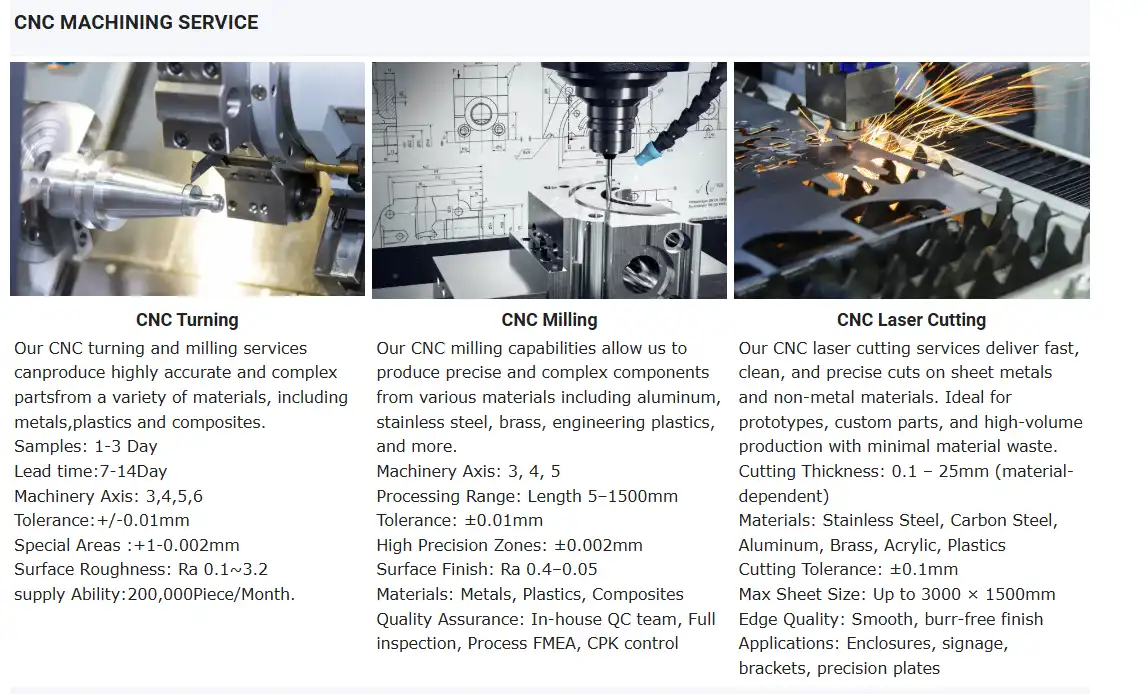
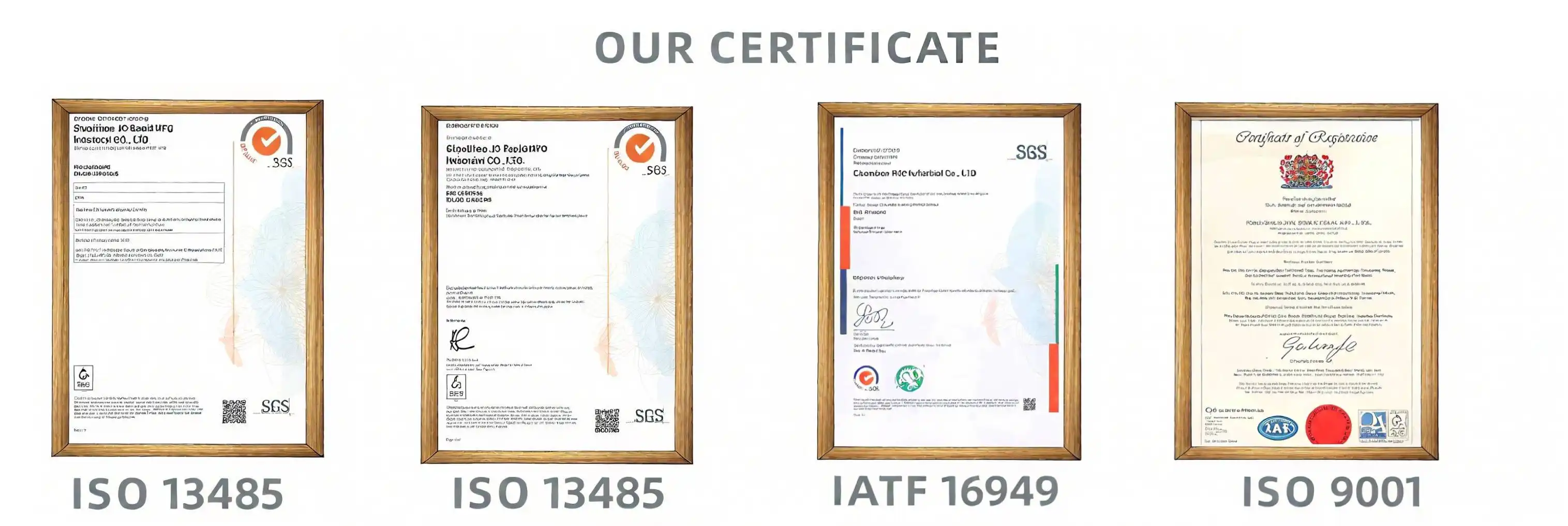
Controlling quality in the production of insert parts needs a planned method that includes carefully choosing the materials, using advanced manufacturing techniques, and following strict checking rules. We use multiple verification methods at Dongguan Junsion Precision Hardware Co., Ltd., from trying new materials to final dimensional checks, to make sure that every threaded insert, brass insert, and stainless steel component fits within tolerances of up to ±0.01mm. Our ISO 9001:2015-approved processes combine real-time Statistical Process Control (SPC) tracking with CNC precision machining. This makes sure that important factors like thread pitch accuracy and surface roughness (≤ Ra0.8μm) stay the same from one output batch to the next. This complete quality framework handles the main issues that procurement managers care about: lowering the number of defects, making sure that batches are all the same, and making sure that global supply chains are RoHS compliant
Understanding Quality Control Challenges in Insert Parts Production
Making precise hardware parts comes with its own problems that have an effect on both the stability of the product and the happiness of customers. People who work in procurement in the electronics, car, and medical device industries always have problems because supplier sites don't have good quality processes for inserting parts.
Common Defects Impacting Performance
Dimensional errors are the most common cause of failure in the production of threaded inserts. When parts meant for robotic assemblies or aircraft use stray too far from the standards given, a thread mismatch happens. This slows the assembly line and leads to product recalls. Surface flaws like micro-cracks or porosity make it harder for automation equipment to hold weight, and differences in the materials used to make stainless steel types (316, 304, 303, and 410), for example, cause medical devices that are used in sterilization settings to rust too quickly. Even with precision-machined parts, thread loss during handling is still a problem. Burrs left over from CNC turning operations scratch surfaces that fit together, and stress concentration points are made when deburring methods aren't followed properly. We have seen that brass inserts that haven't been properly passivated oxidize more quickly when they are exposed to the changing humidity levels that are typical in factories that make consumer products.
Root Causes of Quality Failures
In our industry study, variations in raw materials are responsible for about 40% of defects. Suppliers who get stainless steel from more than one mill have to deal with makeup changes between batches that make the steel harder to work with and less easy to machine. When workers change the speeds and feeds on five-axis machining centers without also changing the control settings, process deviations happen. This leads to measurement drift between production runs. Problems with the equipment make these problems even worse. Geometries that aren't round are made by CNC lathes with worn-out tool inserts, and fake conformance data is given by coordinate measuring machines (CMMs) that haven't been measured. Thermal expansion mistakes happen during precise measurement because of things in the environment, such as changes in temperature in workplaces that don't have climate control. Human error is still a big problem. Misreading engineering plans or skipping proof steps when shifts change can cause problems that aren't found at first.
Impact on B2B Procurement
When purchasing managers look at possible sources, they need to know how these gaps in quality affect the total cost of ownership. One batch of metal pieces that don't meet standards can stop production lines in car assembly plants, which costs more than 200 times the cost of the parts themselves. To lower these risks, distributors that insert parts work with OEMs need providers that can prove they can do process control.
Advanced Methods and Tools for Quality Control
Modern, precise insert parts manufacturing puts a lot of pressure on traditional checking methods. Using calipers and micrometers to measure things by hand adds operator bias and takes too much cycle time, which can slow down high-volume production settings.
Limitations of Conventional Inspection
Visual inspection can't find flaws below the surface of plastic inserts, and can't check important interior features like the thread root radius. When failure clustering happens, sampling plans that are based on old statistical models (like MIL-STD-105E) let bad groups get to customers. Go/no-go scales only show pass/fail data and don't show numerical trends that can be used to predict process drift. Quality paperwork that is built on paper leaves gaps in traceability. When aircraft buyers check that providers follow AS9100, shipments are held up because inspection records for certain lot numbers are missing. Root cause analysis can't be done when field failures happen because process factors can't be linked to quality results.
Modern Quality Control Technologies
Machine vision systems that are controlled by AI are changing the steps of checking arriving materials and doing the final inspection. High-resolution images and deep learning algorithms can find problems on the surface that human testers can't see. They can scan the whole production line at line speeds. These systems check anodized surfaces for scratches, dents, and contamination while also using visual measurement to make sure that important measures are correct. Statistical Process Control software collects data from CNC machines in real time and analyzes measures of size as parts are being made. Control charts with built-in alarm systems let workers know about changing conditions before parts go beyond the limits of what is allowed. We use SPC monitoring on 32 high-tech CNC machines to lower the amount of scrap by keeping an eye on factors like cutting force and spindle shaking that are related to quality measurements.
Implementing a Robust QC Workflow
Verification of arriving materials is the first step in any quality system that works. X-ray fluorescence (XRF) testers quickly confirm the makeup of a stainless steel alloy, keeping 316 and 304 types from being mixed. Hardness testing finds problems with heating in bar stock before it is invested in for cutting. Through ERP integration, material certifications are instantly matched to buy requests. This makes sure that everything can be tracked. Instead of waiting for the final review, in-process tests find problems while the product is being made. After each setting change, operators use CMMs to check the first piece to make sure that the machine programs are making the right shapes. Automated in-line measuring checks important details like thread pitch width on every tenth component and sends the information straight to SPC databases. Our five-axis machining centers have probe processes that measure work pieces while they are still attached to the fixture. This lets us make changes right away. Final testing makes sure that all the standards for the finished parts have been met. Thread gauges check the pitch width and make sure the part fits properly, and surface roughness testers make sure that Ra values are less than 0.8μm after cleaning. Pull-out tests on samples show that the strength of the insert holding is higher than what was planned. Particle counts and surface energy readings are used to make sure that parts that are going to be used in medical devices are even cleaner. Certified test reports from approved labs show that RoHS is being followed, which meets the standards for the European and North American markets.
Best Practices for Quality Assurance in Insert Parts Manufacturing
Making smart choices about products, tools, insert parts, and company culture is needed to build quality into the production of insert parts. Instead of depending only on inspection to tell good from bad, leading providers set themselves apart by following strict protocols that have been shown to work.
Material Selection and Supplier Qualification
The best performance of a finished part is limited by the quality of the raw materials used to make it. We only get our 316 stainless steel from mills that can provide approved chemical makeup analysis and mechanical property data for each heat lot. To meet California Proposition 65 standards for parts in home products and market goods, brass alloys are tested for their lead level more than once. Qualifying a supplier is more than just looking at their certificates. Our purchasing team checks out material suppliers in person, looking at their quality control systems, testing tools, and controls for the production setting. We keep a list of qualified vendors that they must re-qualify every year to make sure they continue to meet our standards. Dual-sourcing important goods lowers supply chain risks and lets you compare how well different sources are doing.
Process Control and Operator Training
When you have standardized work directions, no difference comes from having different ideas about what the engineering standards mean. Our CNC writers write down setup steps with photos and points for checking the dimensions. This way, the results will be the same for all operators and shifts. Process Failure Mode and Effects Analysis (PFMEA) finds high-risk tasks that need extra controls, like using automation to check torque levels during press-fitting operations. Quality results are directly affected by how skilled the operators are. We've set up skill-based training grids that make sure machinists are qualified on certain pieces of tools and part families before they can work on their own. Training lessons that happen on a regular basis go over new ways to measure things and encourage the right way to handle things so that finished threads don't get damaged. Every day, cross-functional teams made up of quality engineers and production managers do gemba walks to see real work and deal with process changes as they happen.
Documentation and Environmental Management
Electronic batch records take the place of paper travelers and store inspection data, machine settings, and operator names in systems that can be searched. Our system immediately makes reports with the real measured values for all key characteristics when a customer asks for proof of conformance documentation. Barcode tracking connects individual parts to specific production lots, which lets surgery returns happen if problems occur in the field. In climate-controlled production areas, the temperature stays stable within ±2°C and the relative humidity stays below 60%. This keeps thermal expansion mistakes from happening during precise measurements and lowers the risk of corrosion during short-term storage. All measuring tools, like micrometers, CMMs, hardness testers, and thread gauges, must be calibrated on a regular basis according to written plans that can be traced back to national standards. Our calibration lab keeps reference standards that have certificates that can be traced back to NIST. This makes sure that all the steps in the quality chain are accurate when measuring. Unexpected failures that lower quality can be avoided with equipment upkeep plans. Using vibration analysis for predictive maintenance, bearing wear in CNC machines can be found before the accuracy of the measurements drops. Schedules for preventive maintenance make sure that cutting tools are replaced before they wear out too much and damage the surface finish. Machine capability studies, or CPK analyses, figure out how well each piece of equipment can meet certain standards, which helps with choosing the best way to route work.
Case Study Applications
A Tier 1 car supplier worked with Junsion to fix long-term problems with the quality of metal inserts that are used in electronic control modules. Over the course of six months, we cut their field failure rate from 450 parts per million to less than 10 parts per million by using automated optical screening and making stricter rules for new materials. The customer dodged a possible recall that would have affected 85,000 cars and cut the cost of incoming inspections by 60%. A medical device OEM needed threaded inserts made of stainless steel for surgery tools that would be implanted. The inserts had to be perfect, with no defects. Our group created a unique production cell that has 100% automated inspection, environmental tracking, and process validation paperwork that meets the needs of FDA 21 CFR Part 820. Because of the quality system that was made, the customer was able to get governmental approval in both the US and European markets without having to go through any extra supplier checks.
Selecting Quality Control Solutions: Software and Services Comparison
When purchasing, teams look at quality processes for sellers of insert parts; they should know how modern manufacturing is affected by technology. Long-term quality performance depends on having the right checking tools, data management software, and relationships with suppliers.
QC Software Market Overview
Older quality management systems require entering data by hand into files or separate databases. This makes it easy for mistakes to happen and limits real-time access. These systems have trouble handling the huge amounts of data that automatic checking equipment creates, and they can't use predictive analytics to stop quality problems before they happen. Modern systems that are fully integrated connect inspection tools directly to central databases, which store measures, certifications for materials, and process parameters instantly. Cloud-based architectures allow tracking from afar, so purchasing managers can see data about the quality of suppliers without having to visit the site. Mobile apps put checking processes and changes to drawings right in the hands of workers, getting rid of the need for old paper records on the shop floor. Advanced systems use artificial intelligence to predict quality control. Machine learning programs look at patterns of defects that have happened in the past and connect them to process factors such as the temperature, signs of tool wear, and the jobs of different operators. Moving from reactive checking to proactive process optimization, these systems suggest things that should be done to stop quality problems before they happen.
Evaluating Supplier Quality Systems
When procurement workers look at possible makers of precise hardware parts, they should look at a number of important skills. Ask if their quality database and production tools can work together. Suppliers who type in measurement data by hand run the risk of making mistakes and cannot give real-time process input. Review how they qualify suppliers of materials; strong methods include receiving XRF analysis and mechanical property verification, not just filing mill certificates. Check out the supplier's calibration system and measurement tools. For factories that make parts with ±0.01mm tolerances, coordinate measuring tools that can adjust for temperature and are regularly calibrated against master reference standards are needed. To check the surface finish for Ra 0.8μm specs, you need to use measured roughness testers instead of comparing the surface to standard blocks. Check to see how well they can track data and report on it. Good suppliers can make full genealogy reports that show which lots of raw materials, tools, workers, and inspection results are related to the parts you buy. This feature comes in handy during customer checks and lets you act quickly if problems in the field need to insert parts be looked into.
Junsion Quality Infrastructure
Dongguan Junsion Precision Hardware Co., Ltd. has put money into complete quality processes to help with our precision cutting. Our building is 1,600 square meters and has climate-controlled measurement rooms that keep the temperature stable within ±1°C for CMM operations. We run a full-service calibration lab with standards that can be traced back to national measurement institutes. This means that we don't have to wait for external calibration delays. All 32 of our CNC machines are connected to our quality database, which instantly records measures of dimensions from probing cycles that happen during the production process. Real-time screens show process capability data for each production run. This lets you fix problems right away when trends point to possible nonconformances. Critical characteristics like thread pitch width and surface roughness are tracked by statistical process control charts. If conditions get out of hand, quality experts are notified by email. Complete traceability is maintained by the system, which connects finished parts to approvals for raw materials, records of machine use, inspection data, and shipping paperwork. When customers ask for certificate of conformance reports, our automatic system makes all the necessary paperwork in minutes instead of the hours it would take to do it by hand. This responsiveness insert parts helps buying teams that manage just-in-time supply chains meet their fast response needs.
Procurement and Partnership Opportunities for Insert Parts QC
Strategic buying of precision insert parts includes more than just negotiating prices; it also includes building relationships with suppliers. Getting threaded inserts, molded inserts, and custom hardware from trusted sources gives procurement workers a competitive edge by lowering the total cost of ownership and raising the quality of the products they buy.
Building Supplier Partnerships
Long-term partnerships that work together bring benefits to both parties that can't be achieved through one-time purchases. When suppliers get a lot of orders regularly, they can afford to spend in unique tools and ways to improve their processes to meet customer needs. We've made special machining fixtures for customers who order more than 50,000 handmade brass inserts every month. These fixtures lower the cost of each piece while improving the accuracy of the dimensions. Including suppliers early on in the planning process of a product keeps quality problems from happening before production even starts. Our engineering team looks over customer models to find problems with how they can be made, such as threads that are undercut or tolerance stackups that make it more likely that a failure will happen. Instead, we suggest different ideas or ways of making things that keep working well while increasing output and lowering costs. This consultative method has saved many customers the cost of making changes to their tools and the time it takes to make their products.
Evaluating Custom OEM/ODM Manufacturers
When buying custom, precise hardware, purchasing managers should look at sellers in more ways than just the price per piece. Manufacturing capacity tells you if the company can change the amount they make to meet changing demand without lowering the quality. We run 32 high-tech CNC tools, including turning centers, five-axis machining centers, and stamping presses. This gives us production freedom and keeps things from getting stuck. The types of parts a supplier can make depend on their technical skills. We can machine complicated shapes that need five-axis interpolation at the same time, as well as precision thread grinding for aircraft uses and micro-machining for medical device parts. Because we know a lot about materials like brass, aluminum, stainless steel alloys, and industrial plastics, we can suggest the best materials for each purpose.
Success Stories in Strategic Sourcing
An industrial automation manufacturer cut their list of precision insert providers from seven to two key partners, which included Junsion. By focusing output, they were able to get better prices, as well as specialized tech support and first-choice production schedules. By streamlining their supply base, they were able to cut their buying administration costs by 35% and increase the number of on-time deliveries from 87% to 98%.For a product launch eight months from now, a consumer electronics company making a new smart home device needed handmade stainless steel parts with very tight tolerances. During the planning phase, our team worked together to suggest changes that made it easier without affecting the function. Within three weeks, we made enough prototypes for the customer to test their idea ahead of schedule. When we started production, our pre-qualified methods made sure that no quality problems happened during the important ramp time.
Conclusion
For precision component manufacturing to have good quality control, the tools that check the materials, watch the process, and do the final review must all work together. When buying threaded inserts and custom hardware components, procurement workers should look at more than just the prices that sellers offer. They should also look at how well their infrastructure works for inserting parts. Automated checking technologies, statistical process control, and full tracking systems set good producers apart from those who still use old methods. Our advanced measuring tools and ISO 9001:2015-certified processes at Dongguan Junsion Precision Hardware Co., Ltd. always make sure that the parts we sell meet limits of ±0.01mm and have surface finishes below Ra 0.8μm. Strategic relationships with providers that care about quality lower the total cost of ownership and make sure that the product will work reliably in demanding fields like medical devices, consumer electronics, and automation.
FAQ
1. What factors most significantly impact insert parts quality?
The main things that determine the quality of insert parts are the uniformity of the material's makeup and the accuracy of its dimensions during machining processes. Changing the chemistry of a stainless steel alloy can change its resistance to corrosion and its mechanical qualities. On the other hand, the security of the machining process determines important measurements such as the thread pitch width and the surface finish. Final quality results are also affected by things in the environment, such as maintaining a stable temperature during measurements and keeping things clean during closing processes.
2. How do improved quality control methods lower the cost of making things?
Automated inspection and statistical process control stop defective parts from moving through the production steps. This cuts down on the costs of scrap that come with adding value to parts that don't meet standards. Real-time tracking lets you fix problems right away when processes stray too close to the limits set by the specifications. This keeps large groups of rejects from happening. Full tracking cuts down on the time needed for customer audits and gets rid of the costs that come with making claims about quality that can't be backed up.
3. What support should I expect during supplier qualification?
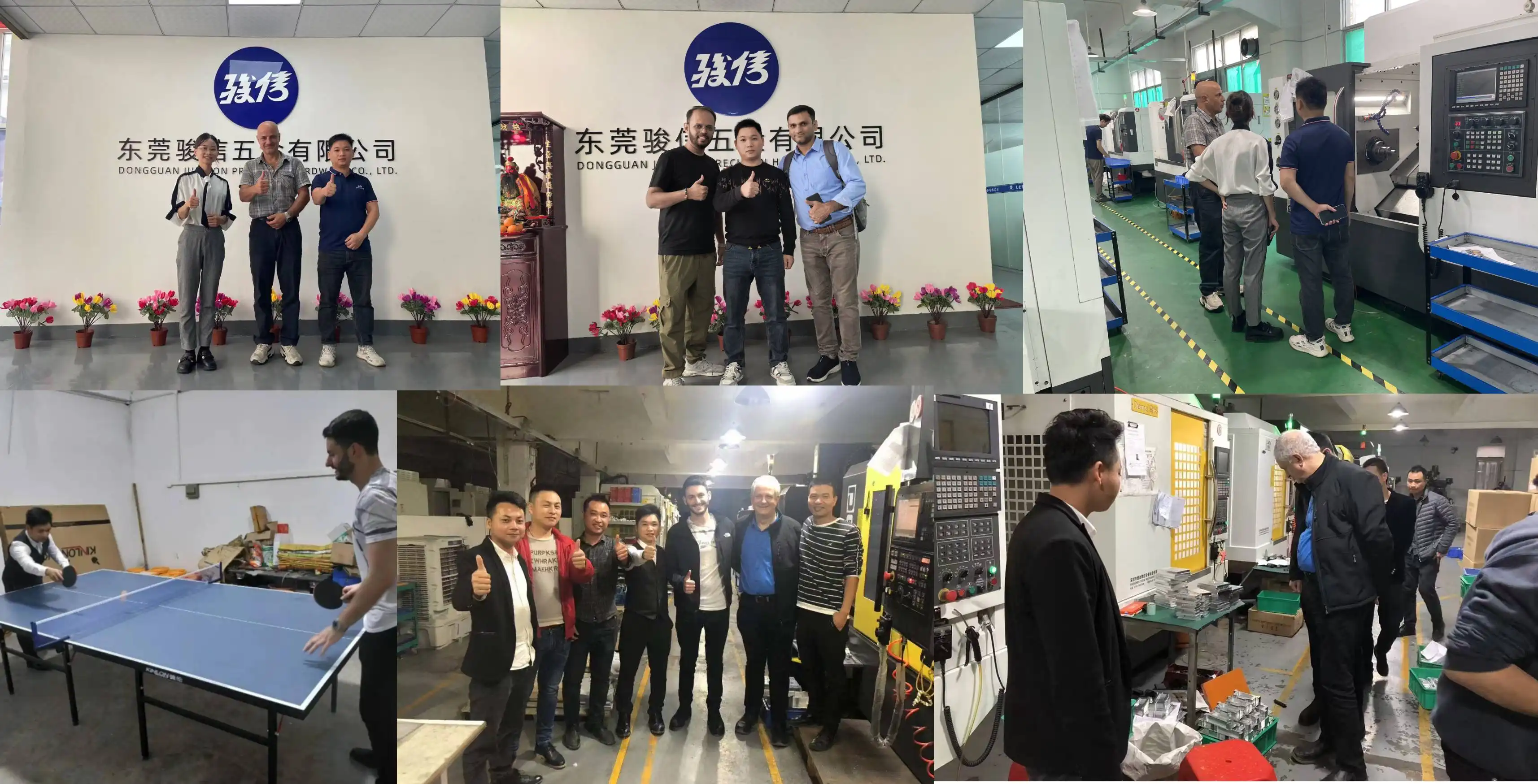
Reputable companies that make precision parts offer tours of their facilities that show off their technology, quality infrastructure, and controls for the production environment. You should look over the records of the calibration process, the checking methods, and the process flow documents. Before making a buy pledge, suppliers should offer sample production runs with full dimensional reports and material certifications. This shows that they can do what they say they can do. Ongoing support includes engineering advice, help with making prototypes, and quick technical contact to answer questions about design or specifications.
Partner with Junsion for Superior Insert Parts Quality Control
Dongguan Junsion Precision Hardware Co., Ltd. is a company that uses strict quality control methods and has ISO 9001:2015 approval to make high-quality threaded inserts, brass inserts, and custom stainless steel parts. Our 32 high-tech CNC machines and climate-controlled measurement rooms make sure that our standards of ±0.01mm are maintained across all production levels, from a few prototypes to millions of pieces every year. We provide RoHS-compliant parts made to exact specs to procurement teams around the world that work with automation equipment, medical devices, consumer goods, and cars. As an experienced maker of insert parts, we can speed up the quote process, work with OEMs and ODMs, and offer full technical help to make your supply chain run more smoothly. Talk to our technical team at Lock@junsion.com.cn about your precise hardware needs and find out how our focus on quality can lower your total cost of ownership while still making sure the product works well.
References
1. Smith, J. & Williams, R. (2022). "Statistical Process Control Methods in Precision Manufacturing." Journal of Manufacturing Excellence, Vol. 45, pp. 112-128.
2. Anderson, K. (2021). "Material Traceability Systems for Aerospace Component Suppliers." Quality Engineering International, Vol. 33, No. 4, pp. 567-589.
3. Chen, L. & Rodriguez, M. (2023). "AI-Driven Quality Inspection in Metal Component Production." Advanced Manufacturing Technology Review, Vol. 18, pp. 234-251.
4. Thompson, D. (2020). "Root Cause Analysis of Dimensional Variation in CNC Machining Operations." Precision Engineering Quarterly, Vol. 42, No. 2, pp. 145-163.
5. European Committee for Standardization (2021). "ISO 9001:2015 Implementation Guide for Hardware Component Manufacturers." Brussels: CEN Publications.
6. National Institute of Standards and Technology (2022). "Measurement Uncertainty in Dimensional Metrology: Best Practices for Calibration Laboratories." NIST Special Publication 1800-12.