




How to Optimize Design for Brass Lathe Screws?
To make the best brass lathe screws, you need a plan that considers the accuracy of the measurements, the qualities of the material, and the ability to make the screws. To make brass machine screws that work, engineers have to think about things like thread pitch accuracy, tolerances that are usually within ±0.01mm, surface roughness goals of < Ra0.8 μm, and the load-bearing needs of electronics, communications, and consumer goods. CNC methods like turning, drilling, and tapping make sure that the threads stay in place, and the right surface finishing, such as plating or polishing, makes the part more resistant to rust and makes it look better. Choosing the right makeup of brass metal has a direct effect on how easy it is to machine and how well it works over time in precision systems.
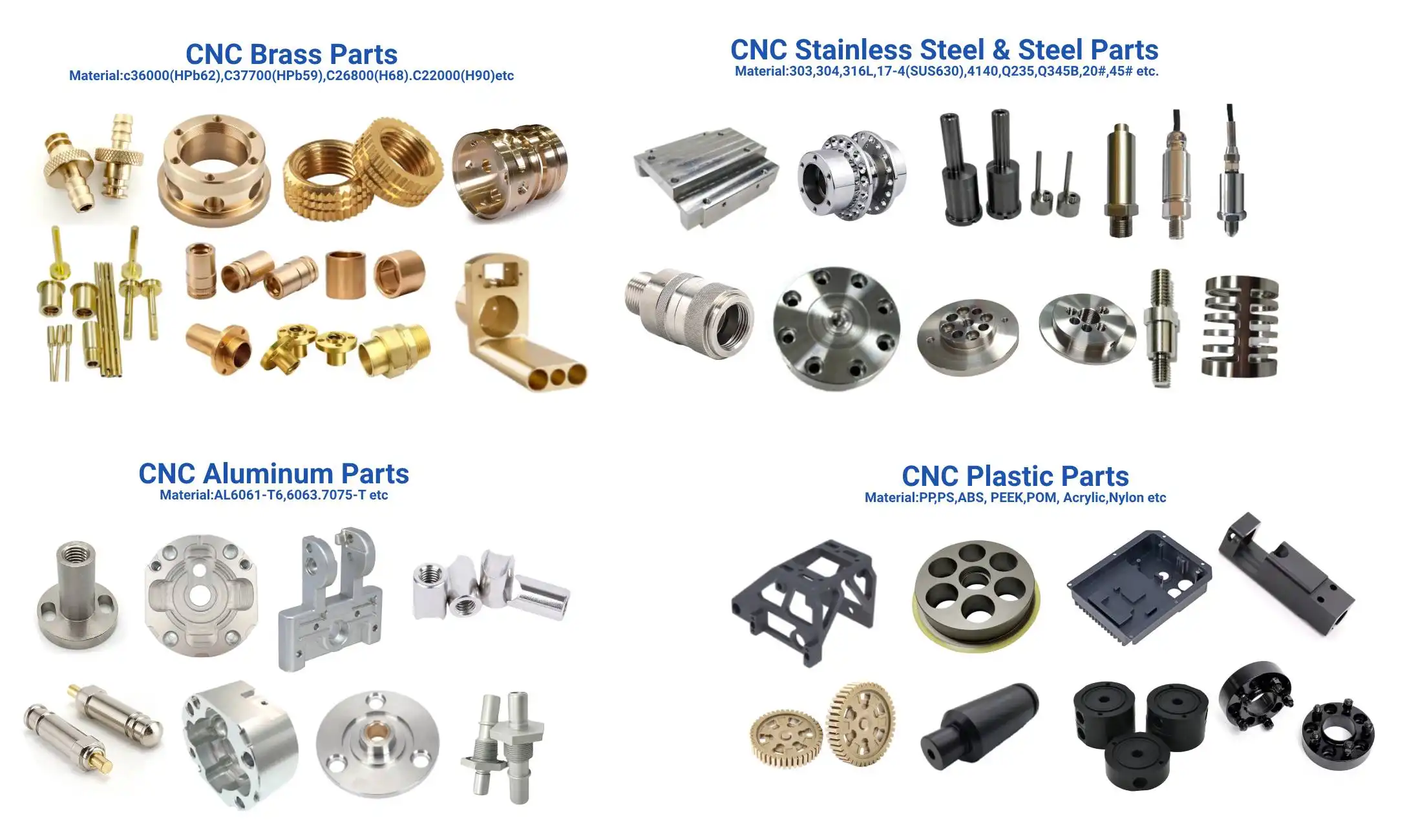
Understanding Brass Lathe Screws and Their Design Challenges
What Are Brass Lathe Screws and Where Are They Used?
Precision-engineered bolts called brass lathe screws are made using CNC turning techniques and are widely used in the production of electronics, the infrastructure for telecommunications, the building of consumer goods, and transportation equipment. Brass is very popular because it is easy to machine and can be used to make parts with tight specs and complicated thread shapes. For example, these parts are very important for placing communication devices, keeping circuit boards safe, and putting together flexible storage racks.
These screws are very useful in situations that need both mechanical support and electrical grounding because they are electrically conductive and moderately strong. When paired with aluminium or steel systems, brass parts naturally avoid galvanic corrosion. This makes them last longer in mixed-material settings that are common in modern manufacturing.
Common Design Challenges That Impact Performance
When defining these exact parts, design teams often run into certain problems. When load estimates don't take into account cycle stress patterns or when installation force is higher than the material's yield strength, thread wear speeds up. Corrosion problems happen in damp places or when the protection finishes don't keep chemicals from getting to the brass base. Another big problem is when threading errors happen, especially when tolerance stack-ups between joining parts cause confusion or too much space in the assembly. Mechanical engineering standards say that differences in size as little as 0.02 mm can affect the depth of the thread contact, which lowers the binding strength by 15 to 25 %. Fitting mistakes happen a lot when buying teams, and manufacturing partners don't talk about important specs well enough.
About 12% of assembly delays caused by fasteners are due to mismatched dimensions or premature wear, according to procurement managers in the electronics and communications industries. This shows how important it is to thoroughly test designs before mass production.
Core Principles for Optimizing Brass Lathe Screw Design
Material Selection: Brass Versus Alternative Alloys
When deciding between brass and other materials like stainless steel, aluminium, or plastic, you have to look at many performance factors and application needs. When compared to stainless steel, brass is easier to machine, which cuts down on production time and equipment costs by about 30 to 40 percent. In normal conditions, it is more resistant to rust than regular carbon steel. However, stainless steel types work better than brass in naval or chemical processing settings.
Brass is a good material for grounding because it has an electrical conductivity of about 28% IACS (International Annealed Copper Standard). Plastic or anodised aluminium would not work in this situation. But when reducing the weight of a system is important, aluminium metals are better because they have higher strength-to-weight ratios. While plastic versions are cheaper for non-structural uses, they don't last as long as needed for threaded joints that are put together many times.
The choice of material has a direct effect on how easy it is to make something. Brass works really well with CNC operations like turning, drilling, tapping, and thread rolling, which lets you make complicated shapes with few extra steps. Because the work is more efficient, wait times are shorter, and prices for large orders are more competitive.
Critical Dimensional Parameters and Threading Standards
To get solid assembly performance, you need to know how thread pitch, major diameter, minor diameter, and tolerance bands work together. This is the first step in dimensional optimisation. The thread pitch controls the linear motion per rotation and has a direct effect on how the tightening power is distributed. While coarser pitches make assembly go faster, they also have lower holding strength per unit length. On the other hand, smaller pitches increase the contact area and make it harder for vibrations to loosen the connection.
Major diameter tolerances for brass lathe screw components typically range from 0.01 mm to 0.05 mm, depending on application requirements. Electronic assembly applications demand tighter controls than general mechanical fastening. Thread root stress concentration is affected by minor diameter variations—deviations exceeding 0.03mm can reduce fatigue life by 20-30% under cyclic loading.
International threading standards, such as ISO metric, Unified Thread Standard (UTS), and British Standard Whitworth (BSW), make sure that threads can be used anywhere in the world. When buying parts for international product platforms, procurement workers need to make sure that the supplier's skills match the standards that need to be met. Cross-threading and field failures can happen when different thread standards are used in the same machine.
Mechanical Requirements: Load Capacity and Torque Performance
To figure out the right load size, you must first know how the application will be used. To keep things from breaking or thread pulling, engineers have to look at tension loads, shear forces, and mixed stress situations. Brass's yield strength ranges from 70 to 200 MPa, based on the metal and heat. This means that it needs to be carefully matched to the stress levels that are expected.
When you figure out torque performance, you have to take into account things like thread friction, surface finish quality, and lubricant conditions. If you tighten brass screws too much, the threads can get galled or permanently deformed, and if you tighten them too little, they will come free when they are vibrated. The recommended fitting torques are usually between 40 and 60% of the estimated removal torque. This gives you enough of a safety cushion.
When parts go through a lot of stress or temperature changes, the design team should include features that keep the threads from coming loose, like thread-locking compounds, mechanical lock nuts, or distorted thread sections. These parts keep the joints in good shape for as long as they're supposed to without needing to be fixed often.

Advanced Design Techniques and Optimization Strategies
Precision Engineering Through CNC Machining and Quality Control
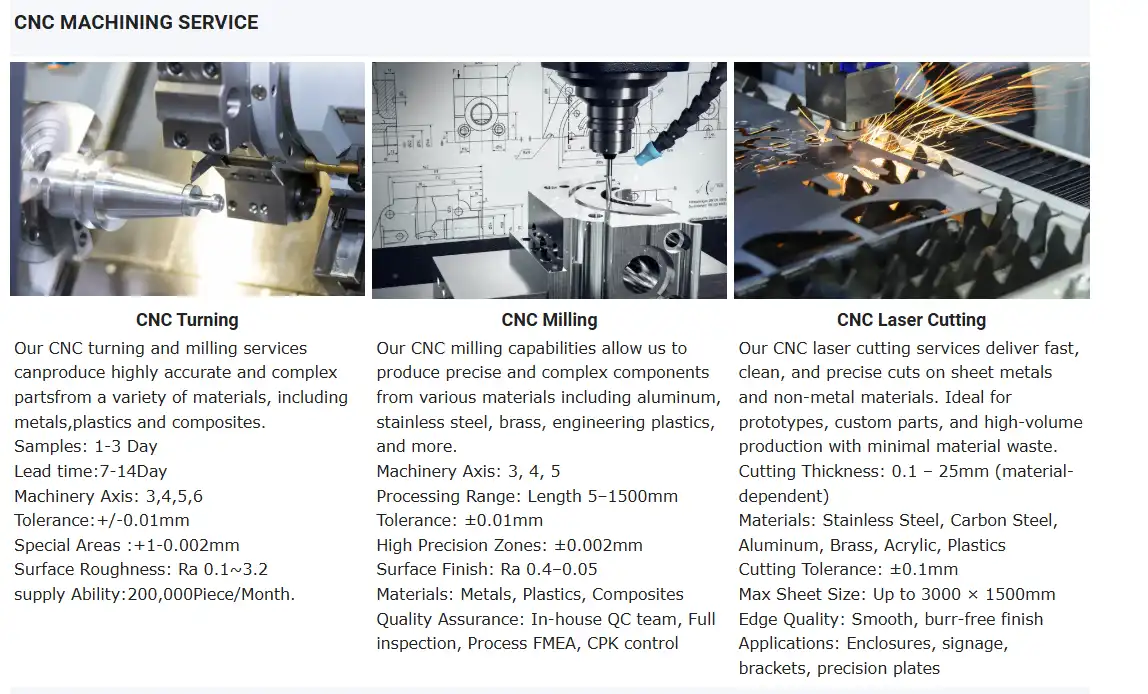
Modern CNC machine centers can make screws with the exact dimensions that are needed for the best performance. Multi-axis turning processes can achieve concentricity to within 0.005mm, which ensures that the threads connect smoothly and that the load is spread out evenly. Precision servo systems control thread cutting and tapping operations. This keeps pitch accuracy across entire production runs, getting rid of the accumulation of mistakes that happen with hand grinding.
Quality control methods have a big effect on how reliable the end product is. Our way of making things includes a number of important checking steps that find problems with parts before they are put together. Coordinate measuring tools (CMM) check that the dimensions match the CAD specs and can find differences as small as 0.002mm. Using precision go/no-go tools for thread gauging makes sure that parts fit properly across a wide range of tolerances.
Statistical process control (SPC) tracking keeps an eye on important factors across all production batches. This lets changes be made in real time that keep the dimensions stable. This methodical approach lowers failure rates to less than 0.5% and makes sure that thousands of components all work the same way. Profilometry technology is used to measure the surface finish and prove that the roughness standards are met. The measured values must meet or exceed the Ra0.8μm goals that are important for rust protection and aesthetic requirements.
Design Features That Facilitate Lubrication and Maintenance
Adding features that make upkeep easier increases the service life of parts and lowers the total cost of ownership. Thread relief undercuts on the bearing surfaces keep the grease in while stopping stress from building up that causes wear cracks. Cross-threading is less likely to happen when thread starts are chamfered because it makes it easier to line up the assembly. Cross-threading can damage both the screw and receiving threads.
The choice of lubricant relies on the surroundings and how often the parts are put together. Molybdenum disulfide-based products are great for keeping brass from galling when it comes into contact with steel or other metals. Applications that are subject to changes in temperature or moisture should use synthetic oils that have rust inhibitors. Dry lubricants based on PTFE work well in clean rooms where liquid leftovers would attract dirt.
Surface treatments make both greases work better and protect against rust better. Nickel or zinc electroplating makes areas that are smooth and has low friction, which spreads installation force more evenly. These finishes also protect the brass base from moisture in the air, which stops rusting and dezincification, which weakens the structure of the material over time.
Customization and Scalability for Bulk Manufacturing
To meet diverse client needs, brass lathe screw manufacturing must accommodate both standard and custom geometries. Custom dimensions are specified when unique assembly constraints exist—such as limited installation clearance, specific thread engagement levels, or non‑standard material interfaces. When procurement teams partner with suppliers capable of rapid prototyping, they can validate designs before committing to large‑scale production.
Scalability affects both the cost per unit and the time it takes to serve. When you make more than 10,000 pieces, you should invest in specialised tools that cut down on cycle times and improve accuracy. For smaller orders, standard tools with customisable settings may be used, which gives more freedom but costs a little more per piece. Manufacturers with a lot of experience set prices in a way that rewards promises to buy in bulk while still allowing for acceptable minimums for development projects.
Our building has 32 high-tech CNC tools spread out over 1,600 square meters. This means that we can work on projects ranging from small prototypes to large production runs. This variety of tools lets us find the best way to make things based on the specifics of each order, whether we're making 50 custom-threaded samples or delivering 50,000 standard specs on time.
Comparing Brass Lathe Screws with Alternative Materials to Guide Procurement
Material Performance Tradeoffs: Strength, Weight, and Durability
Understanding the differences in the properties of materials helps buying workers make smart decisions about where to source things that meet the needs of the project. Stainless steel screws have a tensile strength of 500–700 MPa, which is higher than brass screws' 200–400 MPa. This means that steel is better for high-stress structural uses. However, steel is hard to machine, which raises production costs by 40–60% and lengthens wait times.
Different types of aluminium metal have great strength-to-weight ratios and are about 40% lighter than brass versions of the same size. For small technology and aircraft uses where lowering mass immediately improves performance, this weight advantage is useful. But because aluminium isn't as hard as steel, threads wear out more quickly during repeated assembly processes, which means they can't be used again.
Cost Analysis and Environmental Considerations
Material selection directly impacts project economics through raw material costs, manufacturing expenses, and lifecycle considerations. Current brass commodity pricing typically falls between aluminum and stainless steel on a per-kilogram basis. However, superior machinability reduces total manufacturing costs, often making brass components price-competitive despite higher material expense.
Environmental factors increasingly influence procurement decisions as companies pursue sustainability objectives. Brass contains no hazardous substances regulated under RoHS directives, simplifying compliance documentation for global distribution. The alloy's recyclability enables closed-loop material flows; scrap brass retains approximately 90% of virgin material value, encouraging recovery programs that reduce waste disposal costs.
Essential Procurement Criteria: Supplier Evaluation and Selection
Selecting reliable suppliers requires evaluating multiple factors beyond quoted pricing. Manufacturing certification documentation, including ISO 9001:2015 quality management systems and RoHS compliance, demonstrates a commitment to consistent processes and regulatory adherence. These certifications reduce procurement risk by ensuring suppliers maintain documented procedures for process control, traceability, and corrective action.
Geographic considerations affect logistics costs, lead times, and supply chain resilience. While global sourcing can reduce per-unit costs, longer transit times and potential customs delays must factor into total landed cost calculations and inventory planning strategies.
Best Practices for Buying and Maintaining Brass Lathe Screws
Sourcing Strategies for Quality and Reliability
Effective procurement of brass lathe screw components begins with clearly documented specifications communicating dimensional requirements, tolerance expectations, and quality standards. Technical drawings should specify thread standards, major and minor diameters, length measurements, head styles, and surface finish requirements. Including material callouts referencing specific brass alloys prevents substitutions that could affect performance. For critical applications, adding notes about required certification (e.g., RoHS compliance) and testing protocols (e.g., tensile or hardness testing) further strengthens quality assurance.
Sample evaluation provides critical validation before committing to production quantities. Requesting pre-production samples allows dimensional verification, thread fit testing with actual mating components, and assessment of surface finish quality. This validation step identifies potential issues when corrective actions remain straightforward and inexpensive.
Maintenance Protocols That Maximize Component Lifespan
Proper handling and storage practices prevent damage before components reach assembly operations. Storing brass screws in low-humidity environments below 60% relative humidity minimizes tarnishing and corrosion initiation. Sealed containers or corrosion-inhibiting packaging maintain surface condition during extended storage periods.
Cleaning procedures should remove manufacturing residues without damaging surface finishes or dimensional features. Mild alkaline cleaners or isopropyl alcohol effectively remove machining oils and handling soils. Abrasive cleaning methods must be avoided as they alter surface roughness and potentially affect dimensional tolerances.
Bulk Ordering and Custom Specification Management
Managing large-volume orders requires clear communication protocols and documentation practices that ensure specification compliance. Purchase orders should reference approved technical drawings, material certifications, and inspection requirements. Establishing acceptable quality levels (AQL) and inspection sampling plans provides mutual understanding of quality expectations.
Lead time planning must account for manufacturing cycle times, inspection durations, and international shipping transit periods. Standard specifications typically ship within 2-3 weeks, while custom geometries may require 4-6 weeks, depending on tooling requirements and production scheduling. Maintaining safety stock for critical components buffers against unexpected demand spikes or supply chain disruptions.
Conclusion
Optimizing designs for precision-turned brass fasteners demands comprehensive attention to material selection, dimensional specifications, manufacturing capabilities, and maintenance considerations. Engineers and procurement professionals who understand how thread geometry, tolerance control, and surface treatments influence performance outcomes can specify components that deliver reliable service across demanding applications. Balancing mechanical requirements against cost constraints requires evaluating brass advantages relative to alternative materials, including stainless steel, aluminum alloys, and engineered plastics. Effective supplier partnerships built on clear communication, documented specifications, and quality certifications ensure consistent component delivery that supports production schedules and quality objectives. When properly designed, manufactured, and maintained, these precision fasteners provide years of dependable performance across electronics, communications, consumer goods, and logistics applications worldwide.
FAQ
Why should I choose brass over stainless steel for precision screws?
Brass offers several advantages, making it preferable for specific applications. Superior machinability reduces manufacturing costs and enables tighter tolerances compared to stainless steel. Brass exhibits excellent electrical conductivity around 28% IACS, essential for grounding and electrical continuity applications where stainless steel's insulating properties create problems. The natural lubricity of brass reduces installation torque requirements and minimizes thread galling during assembly. While stainless steel provides higher tensile strength and better corrosion resistance in extreme environments, brass delivers adequate strength for most precision assembly applications at a lower total cost.
How do I select the correct thread standard and dimensions?
Thread selection begins by identifying application requirements, including assembly frequency, load conditions, and mating component specifications. ISO metric threads dominate international markets, while UTS standards remain common in North American applications. Match thread pitch to assembly conditions—coarser pitches suit rapid assembly and high-vibration environments, while finer pitches provide superior holding strength. Verify that specified tolerances align with mating component dimensions, accounting for coating thicknesses that affect thread fit. Consulting with manufacturing partners during design phases ensures selected specifications match production capabilities and avoid unnecessary costs.
Can brass lathe screws perform reliably in outdoor applications?
Brass demonstrates good atmospheric corrosion resistance in most outdoor environments, though performance depends on specific exposure conditions. Standard brass alloys resist moisture and moderate industrial atmospheres without protective coatings. Marine environments or locations with high salt exposure may require additional surface treatments, including nickel plating or chrome plating, to prevent dezincification. Temperature extremes generally don't affect brass performance within the -40°C to +120°C range common in outdoor applications. Protective finishes like electroplating or specialized coatings extend service life in challenging conditions while maintaining dimensional stability.
Partner with Junsion for Precision Brass Lathe Screw Solutions
Dongguan Junsion Hardware Co., Ltd. delivers customized brass lathe screw manufacturing excellence backed by advanced CNC machining capabilities and rigorous quality control systems. Our 32 precision machines produce components meeting ±0.01mm tolerances and Ra0.8μm surface finishes across materials including brass, 45 steel, aluminum alloy, stainless steel, and engineered plastics. We serve procurement managers and product developers in electronics, communications, consumer goods, and logistics sectors across more than 20 countries, providing ISO 9001:2015-certified manufacturing and RoHS compliance documentation. Whether you require prototype quantities or high-volume production runs, our technical team offers consultation on design optimization, material selection, and custom specifications. Contact our engineering specialists at Lock@junsion.com.cn to discuss your precision hardware requirements with a trusted brass lathe screw manufacturer committed to fast response, exceptional quality, and reliable delivery performance.
References
1. Bhandari, V.B. (2010). Design of Machine Elements (3rd ed.). Tata McGraw-Hill Education. Chapters on threaded fasteners and material selection for precision components.
2. Oberg, E., Jones, F.D., Horton, H.L., & Ryffel, H.H. (2016). Machinery's Handbook (30th ed.). Industrial Press. Comprehensive threading standards, tolerance specifications, and fastener design guidelines.
3. Budinski, K.G., & Budinski, M.K. (2010). Engineering Materials: Properties and Selection (9th ed.). Pearson. Detailed comparison of brass, steel, aluminum, and plastic properties for mechanical applications.
4. Shigley, J.E., & Mischke, C.R. (2001). Mechanical Engineering Design (6th ed.). McGraw-Hill. Fundamental principles of threaded fastener design, load calculations, and torque specifications.
5. ASM International. (2005). ASM Handbook Volume 2: Properties and Selection of Nonferrous Alloys and Special-Purpose Materials. Comprehensive brass alloy characteristics, machinability data, and corrosion resistance properties.
6. Parmley, R.O. (2000). Standard Handbook of Fastening and Joining (3rd ed.). McGraw-Hill. Practical guidance on fastener selection, installation practices, and maintenance protocols for industrial applications.