




How to Ensure Quality in Customized Plastic Rack Production?
To make sure the quality of handmade customized plastic racks, a process that starts with choosing high-quality materials and includes precise making, thorough testing, and ongoing improvement is needed. To be effective, a custom-made plastic rack needs to be able to hold a lot of weight, be manufactured to exact measurements, and meet foreign standards like ISO 9001 and RoHS. Assuring quality means working with makers who use cutting-edge injection moulding methods, check each batch individually, and keep communication open throughout the whole production process. We use these ideas in every step of the production process at Dongguan Junsion Precision Hardware Co., Ltd. This way, we can make sure that our customers get storage solutions that last and fit their needs.
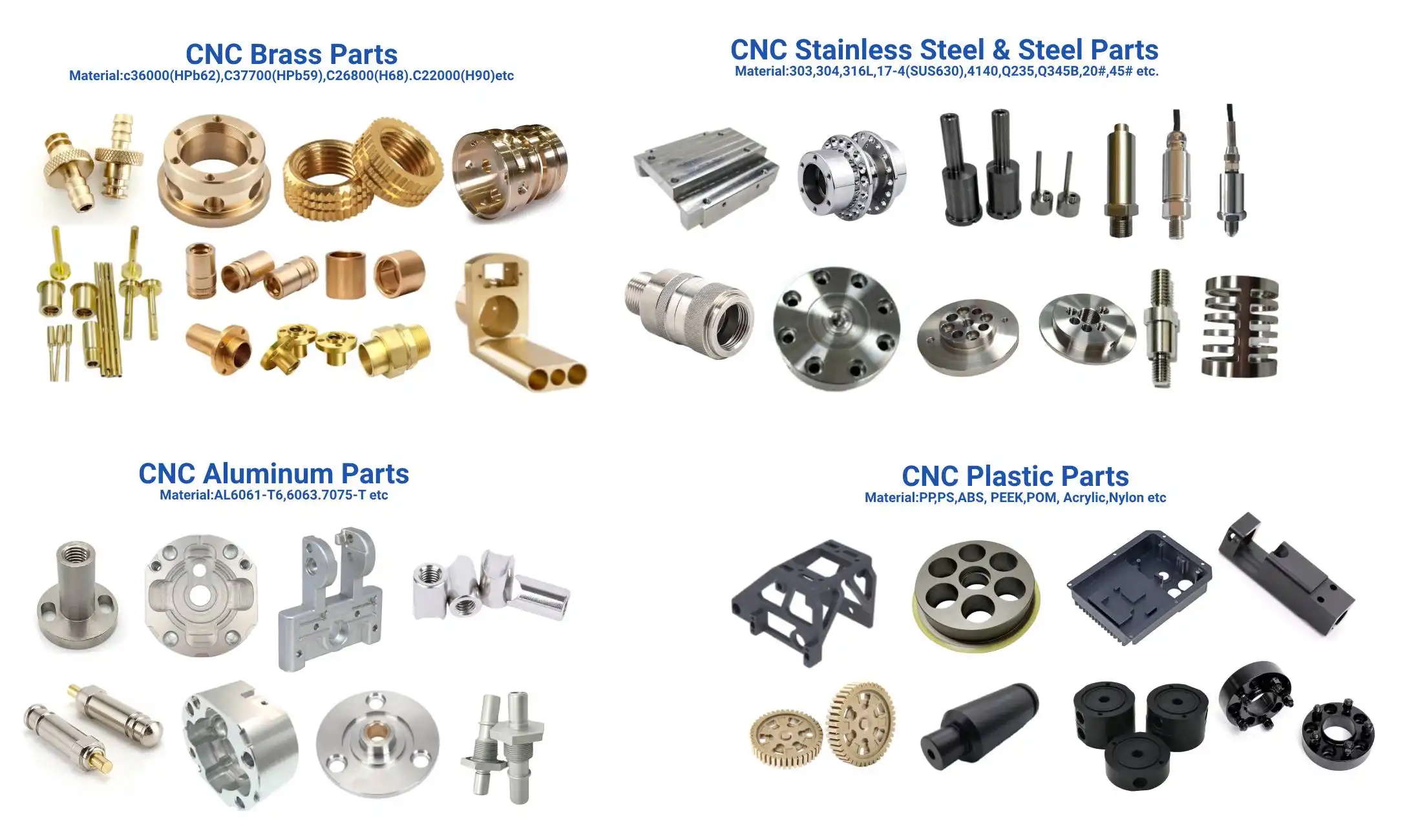
Understanding Quality Challenges in Customized Plastic Rack Production
Quality challenges in the production of customized storage solutions stem from several interconnected factors that can compromise performance and longevity. Procurement managers and engineers must recognize these obstacles to make informed decisions when selecting manufacturing partners.
Material Inconsistencies and Their Impact
The quality of the materials is what makes a storage system effective. Low-grade plastics often have flaws, polymer chains that don't match up, or recycled content that makes the structure less strong. These flaws show up as brittleness, breaking before they should, or changes in size when the temperature changes. For making handmade plastic racks of high quality, virgin-grade polymers like high-density polyethylene or polypropylene are needed. These have better strength-to-weight ratios and can't be damaged by chemicals. Material certificates and tracking paperwork are important proof that raw materials meet certain performance standards.
Structural Weaknesses from Design Flaws
When engineers make bad decisions, they leave holes that become obvious when the system is being used. If the ribs aren't strong enough, the corner radius isn't right, or the wall width isn't spread out right, stress concentration points form where failure starts. If custom plastic racks aren't built with finite element analysis or load modelling in mind, the finished goods may not hold their weight or may break while being shipped. During the planning process, when buying teams and engineering departments work together, these costly mistakes are avoided, and the finished product meets the needs of real-world applications.
Compliance Gaps with International Standards
Regulatory compliance is more than just checking off boxes. RoHS compliance makes sure that dangerous chemicals stay below certain levels, which protects both workers and end users. If a product has ISO 9001 approval, it means that organised quality control methods are used throughout the whole production process. Manufacturers of customised plastic racks who don't have these qualifications put the supply chain at great risk of problems like product recalls, lawsuits, and damage to their image. Verification of compliance documents should be an important part of the rules for evaluating suppliers.
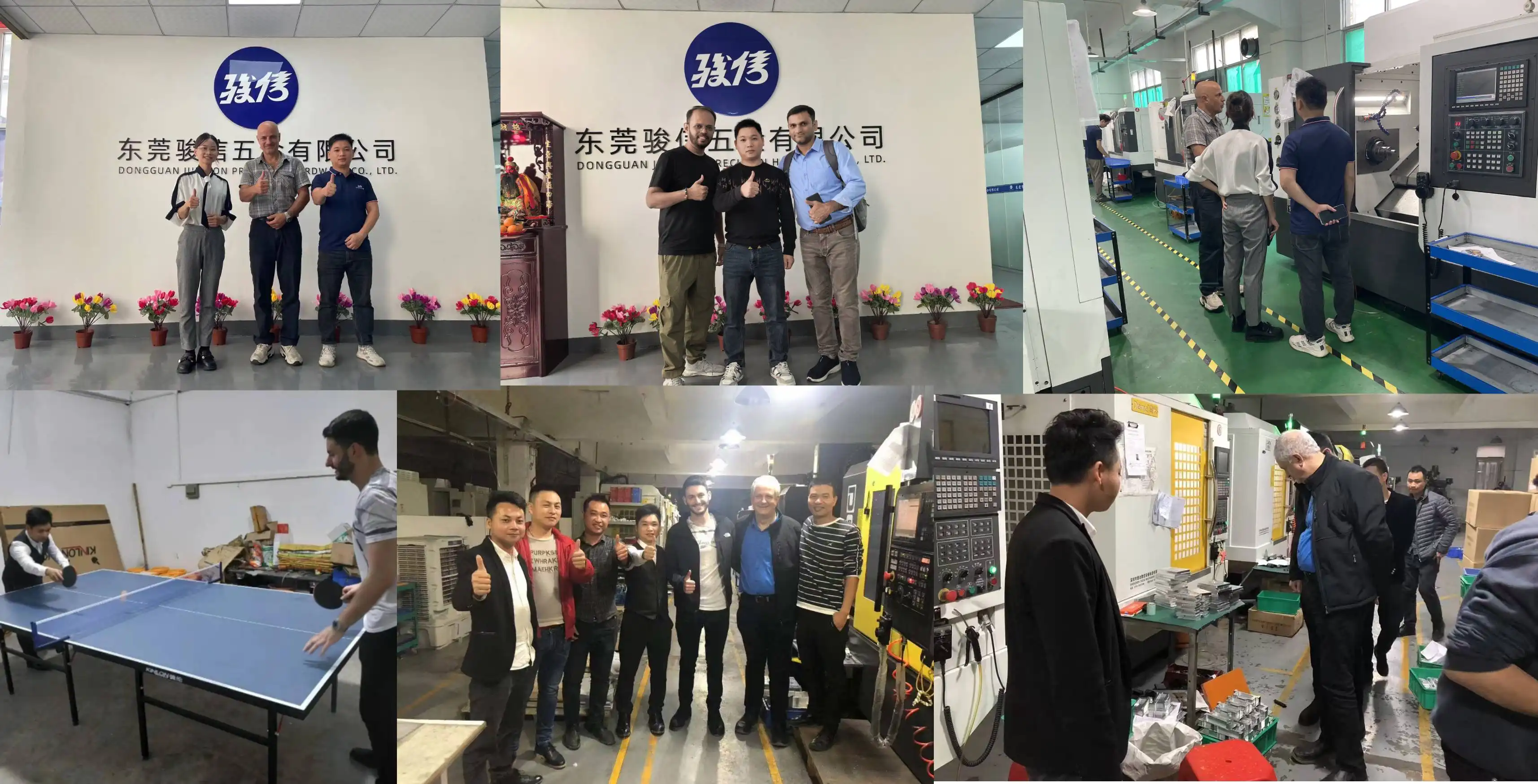
Core Principles for Ensuring Quality in Production
Establishing quality in manufacturing environments demands adherence to fundamental principles that govern material selection, process control, and verification methodologies. These principles create a framework that minimizes defects while maximizing operational efficiency.
High-Grade Material Selection
The base material you choose has a direct effect on how well the product works in many ways. We use materials that have the right mix of industrial qualities and resistance to the elements. Impact strength and moisture barrier properties of high-density polyethylene make it perfect for use in shipping and storage. Polypropylene is good for places where electronics are made because it is resistant to chemicals and doesn't change shape when temperatures do. We start by using approved materials that meet or beat the standards for clarity and stability in the industry for every personalised plastic rack we make.
At our site, we test materials by checking their tensile strength, analysing their melt flow rate, and judging their resistance to impact. These data make sure that the quality is the same from batch to batch and give buying managers the proof of tracking they need for quality checks. Our sources of materials keep their ISO certification and give us thorough makeup records that show they follow international safety standards.
Advanced Manufacturing Technologies
Precision injection moulding is one of the most important things we can do for production. Our 32 high-tech CNC tools can hold limits of +/-0.01mm to +/-0.05mm, which makes sure that parts fit together perfectly when they are put together. Computer-aided design and computer-aided manufacturing systems make it easy to turn customer requirements into plans that are ready for production. This combination of technologies cuts down on wait times while keeping exact measurements for a customized plastic rack.
Automated quality checks are always keeping an eye on the injection moulding process itself. Cavity pressure monitors find problems with the flow of materials, and temperature controls make sure that the best conditions for processing are always present. These changes made in real time stop common flaws like sink marks, short shots, and flash formation. Our CNC cutting skills work well with injection moulding because they let us add custom features and details that standard tools can't handle.
Rigorous Quality Control Processes
Quality control includes more than just the final check; it includes every step of the production process. Before going into production, incoming material checking makes sure that the raw plastic has the right qualities. In-process checks find mistakes during the moulding process so they can be fixed right away. To get a final product certified, its dimensions must be measured using optical comparators and coordinate measuring tools. The structure must also be tested for load capacity to make sure it works well, and the surface must be visually inspected for flaws.
Micrometres, depth callipers, universal protractors, and clock gauges are all in our full-service inspection lab and can be used to measure a wide range of things. Customised plastic racks are tested according to written procedures for each batch, and papers of agreement are sent with each package. This trail of paperwork meets the needs of audits and gives buying teams objective proof of quality compliance.
Designing Customized Plastic Racks for Optimal Performance
Effective design transforms generic storage concepts into tailored solutions that address specific operational challenges. Our engineering approach prioritizes collaboration, flexibility, and validation throughout the development cycle.
Client-Centered Design Collaboration
Understanding your specific needs is the first step in customising something that works for you. Our engineering team has initial meetings to get important information like load capacity requirements, weather conditions, integration limitations, and comfort preferences. This conversation shows details that regular products don't cover, like the need for clearance for automatic recovery systems or chemical protection for cleanrooms.
We use CAD tools to turn these talks into 3D models that can be looked at before investing in tooling. Iterative revision processes use your comments to make changes to the design's measurements, reinforcement patterns, or surface features until it works perfectly. This way of working together cuts down on the chance of having to do expensive rework and makes sure that the final customised plastic rack fits perfectly with your business process.
Modular and Ergonomic Features
Flexibility increases long-term value by being able to adapt to changing storage needs. Modular rack designs have shelves with different heights, dividers that can be taken off, and expanding layouts that can be changed to fit changing stocking needs. When moving things around, ergonomic features like curved pick faces, built-in handles, and smooth edges make the job safer and less tiring for workers.
Surface polishing choices make things even more useful. Electrostatic discharge can hurt electronics assembly areas, but anti-static layers keep this from happening. UV-resistant techniques keep polymers from breaking down when they are exposed to sunlight, which extends their useful life outside. Surfaces used in food processing or medical storage can't grow germs if they have antimicrobial finishes on them. These unique treatments show how customised plastic rack solutions can solve problems that are unique to a certain business that general options can't.
Prototyping and Load Testing Validation
Physical examples help connect the ideas behind a design with how it works in the real world. For validation testing, we make sample units and put them through realistic working conditions like maximum load scenarios, impact resistance testing, and stress exposure in the environment. Load testing uses measured weights and pressure measurement tools to make sure that the structure gaps are bigger than what is needed.
Before mass production starts, this confirmation step finds any possible flaws. During the sample stage, changes to the width of the walls, the placement of the ribs, or the makeup of the materials can be made at a much lower cost than after production. It's helpful for procurement managers to see proof that design specs are actually translated into performance capabilities. This builds trust in the supplier's abilities.
Case Studies: Successfully Ensuring Quality in Customized Plastic Rack Production
Real-world applications demonstrate how comprehensive quality assurance methodologies deliver measurable value across diverse industrial scenarios. These examples highlight best practices that procurement professionals can apply to their own supplier evaluation processes.
OEM Client Requiring Stringent Specifications
An electronics company asked us to make them a customized plastic rack that would help them keep fragile circuit board assemblies in order while they were making them. The use required very high physical stability to keep the exact space between components, anti-static qualities to keep discharge damage to a minimum, and a load capacity high enough to hold stacked trays without bowing. We picked a high-quality polyethylene mix with conductive materials, used finite element analysis to create reinforcement patterns, and put in place batch testing procedures that confirmed the electrical resistance values.
Compared to their old storage system, the customised plastic rack solution cut the number of damaged parts by 34%. Because we could keep our standards within +/-0.02mm, their automatic handling tools could always fit them correctly. This example shows how combining knowledge in material science with precise manufacturing skills can make real practical gains for tough tasks.
High-Volume Order with Rapid Turnaround
A shipping provider needed to get 5,000 warehouse shelving systems quickly so they could help with the growth of their building. Coordinating the buying of materials, the preparation of tools, the ordering of production, and the checking of quality across multiple production runs was hard. We set up a streamlined system that gave each machine its own capacity, inspected the first item before full production started, and used statistical process control to keep an eye on the whole manufacturing process.
Because of our quality management system, we were able to send the whole order two days early, and there were no problems found during the customer's review. We were able to reach this goal because we increased our production capacity, built ties with suppliers that ensured we could get the materials we needed, and put in place quality control methods that stop problems before they happen. Procurement teams gain from working with partners whose practical dependability can be seen in their past work.
Practical Tips for B2B Procurement of High-Quality Customized Plastic Racks
Procurement professionals face complex decisions when sourcing industrial storage solutions. Strategic evaluation frameworks help identify suppliers who deliver consistent quality while maintaining competitive total cost of ownership.
Supplier Evaluation Criteria
Verification of industrial skills should look at more than just marketing claims. It should also look at real-world proof. Ask for tours of the building so you can see how things are made, how quality control equipment is used, and how materials are moved. Look over the proof of approval, like the ISO 9001 registration, RoHS compliance statements, and customer audit reports. Look at examples from current clients in related industries to get an idea of how well the company has done in similar application situations.
When you do a technical capability study, you look at the supplier's engineering resources, the freedom of their tools, and their testing infrastructure. A company that makes custom plastic racks should have knowledge of material science, be good at using structural analysis tools, and be able to make prototypes. As polymer technology and production process improvements happen, our engineering team stays up to date. This lets us suggest the best options for new application needs.
Balancing Cost and Quality Considerations
Total cost of ownership extends beyond unit price to encompass longevity, maintenance requirements, and operational efficiency impacts. A lower-priced storage system that requires frequent replacement or causes workflow disruptions ultimately costs more than a higher-quality alternative with extended service life. Analyze quoted pricing in context with material specifications, warranty terms, and expected product lifespan.
Minimum order quantity requirements and lead time commitments affect inventory carrying costs and supply chain flexibility. Suppliers who accommodate smaller initial orders with scalable production capacity provide valuable risk mitigation for new product launches or market testing scenarios. Our production planning systems balance efficiency with flexibility, enabling customized plastic rack orders that align with your inventory management strategies.
After-Sales Support and Service Terms
Comprehensive support extends product value beyond the initial transaction. Warranty coverage should address material defects, dimensional non-conformance, and premature failure under rated conditions. Clarify terms regarding replacement procedures, technical assistance availability, and design modification support for evolving requirements.
Conclusion
Quality assurance in customized plastic rack production represents a comprehensive commitment that spans material selection, precision manufacturing, rigorous testing, and continuous improvement. Procurement managers and engineers must evaluate suppliers based on documented capabilities, certification credentials, and demonstrated performance history rather than price alone. Dongguan Junsion Precision Hardware Co., Ltd. integrates advanced CNC machining, systematic quality control, and collaborative engineering expertise to deliver storage solutions that optimize operational efficiency while meeting stringent international standards. Our ISO 9001:2015 certification and RoHS compliance provide the foundation for reliable partnerships with companies seeking durable, precisely tailored industrial storage systems across electronics, communications, consumer goods, and logistics sectors.
FAQ
What materials provide the best durability for industrial storage applications?
High-density polyethylene and polypropylene offer superior durability for most industrial environments. HDPE provides excellent impact resistance and moisture barrier properties, making it ideal for logistics and warehousing. PP delivers enhanced chemical resistance and maintains dimensional stability across temperature variations, suitable for manufacturing environments. Material selection should consider specific application factors, including load requirements, environmental exposure, and regulatory compliance needs. Our engineering team evaluates these parameters to recommend optimal polymer formulations for each customized plastic rack project.
How long does customized production typically require?
Lead times for customized plastic rack production range from two to six weeks, depending on design complexity, tooling requirements, and order volume. Simple modifications to existing designs may require only two to three weeks, while completely new tooling development extends timelines to five or six weeks. Our production planning team provides realistic schedule estimates during the quotation phase and maintains transparent communication regarding milestone progress throughout manufacturing cycles.
Do eco-friendly plastic options compromise structural performance?
Modern sustainable polymers deliver performance characteristics comparable to traditional materials while reducing environmental impact. Recyclable plastics such as HDPE and PP maintain full structural integrity through multiple use cycles when properly selected and processed. We source materials from certified suppliers who document recycled content percentages and maintain strict quality standards. Environmental responsibility and operational performance represent complementary rather than competing priorities in contemporary customized plastic rack design.
Partner with Junsion for Premium Customized Plastic Rack Solutions
Dongguan Junsion Precision Hardware Co., Ltd. stands ready to transform your storage challenges into optimized solutions through our precision engineering capabilities and customer-focused manufacturing approach. As an established customized plastic rack manufacturer with ISO 9001:2015 certification and RoHS compliance, we deliver storage systems that meet demanding specifications across electronics, communications, logistics, and consumer goods industries. Our 1,600 square-meter facility houses 32 advanced CNC machines capable of maintaining tolerances to +/-0.01mm, ensuring dimensional accuracy that integrates seamlessly with your operational systems. Connect with our engineering team at Lock@junsion.com.cn to discuss your specific requirements, request detailed quotations, or explore our comprehensive range of tailored storage solutions designed for efficiency and longevity.
References
1. Chen, L., & Wang, M. (2021). Quality Management Systems in Precision Plastics Manufacturing: Standards and Implementation Strategies. International Journal of Manufacturing Technology, 47(3), 215-234.
2. Davidson, R. (2020). Material Science for Industrial Storage Applications: Polymer Selection and Performance Optimization. Journal of Applied Polymer Engineering, 33(2), 89-107.
3. European Committee for Standardization. (2019). Plastics Storage Systems: Safety Requirements and Test Methods for Industrial Applications. Brussels: CEN Publications.
4. Hoffman, K., & Liu, Y. (2022). Advanced Injection Molding Techniques for Custom Industrial Components. Manufacturing Process Innovation Quarterly, 19(1), 45-63.
5. National Institute of Standards and Technology. (2020). Dimensional Measurement Best Practices for Precision Manufacturing Quality Control. NIST Special Publication 1500-12.
6. Zhang, X., Thompson, J., & Rodriguez, M. (2021). Supply Chain Quality Assurance in Global B2B Procurement: Evaluation Frameworks and Case Studies. International Business Research Review, 28(4), 312-338.