




How to Select the Best insert parts Factory?
Choosing the right manufacturing partner for precision components demands careful evaluation and strategic thinking. When searching for an insert parts factory, procurement managers face the challenge of balancing quality, cost, and reliability. Inserts—threaded fasteners designed for embedding into softer materials like plastics or aluminium—are critical components in industries ranging from aerospace to consumer electronics. The factory you select will directly influence your product's performance, delivery schedules, and overall competitiveness. A strategic partnership with a capable manufacturer ensures you receive components engineered to exact specifications, with tolerances as tight as ±0.01mm and surface roughness meeting Ra 0.8 μm standards. This guide walks you through the essential steps to identify and partner with a factory that meets your precision hardware needs while maintaining compliance with international standards.
Key Criteria to Evaluate When Selecting an Insert Parts Factory
Certification and Compliance Standards
The first thing you should look for when vetting possible manufacturing partners is quality certifications. Both the RoHS compliance and ISO 9001:2015 certification attest to the fact that the factory has followed the rules when it comes to environmental safety, which are very important in the global market. Instead of having to personally evaluate every area of production capability, you can rely on these certifications to provide third-party validation of manufacturing processes. Manufacturing facilities that cater to the aerospace or medical fields should also have certifications that show they are adept at meeting the demanding standards set by those sectors' regulators.
Technical Capabilities and Equipment
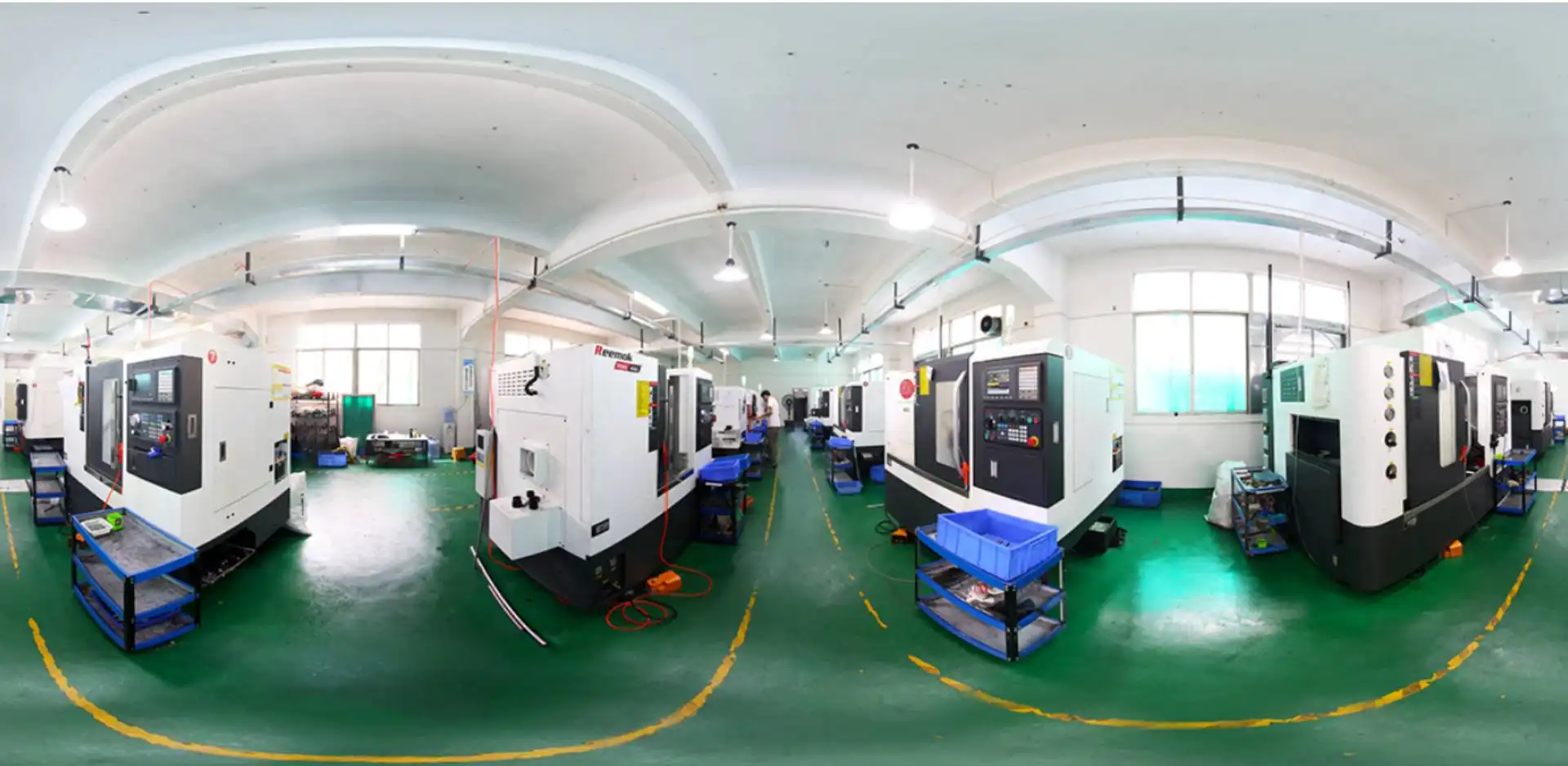
The machinery and technological infrastructure within a factory directly determine the precision and consistency of manufactured insert components. Advanced capabilities to assess include the following:
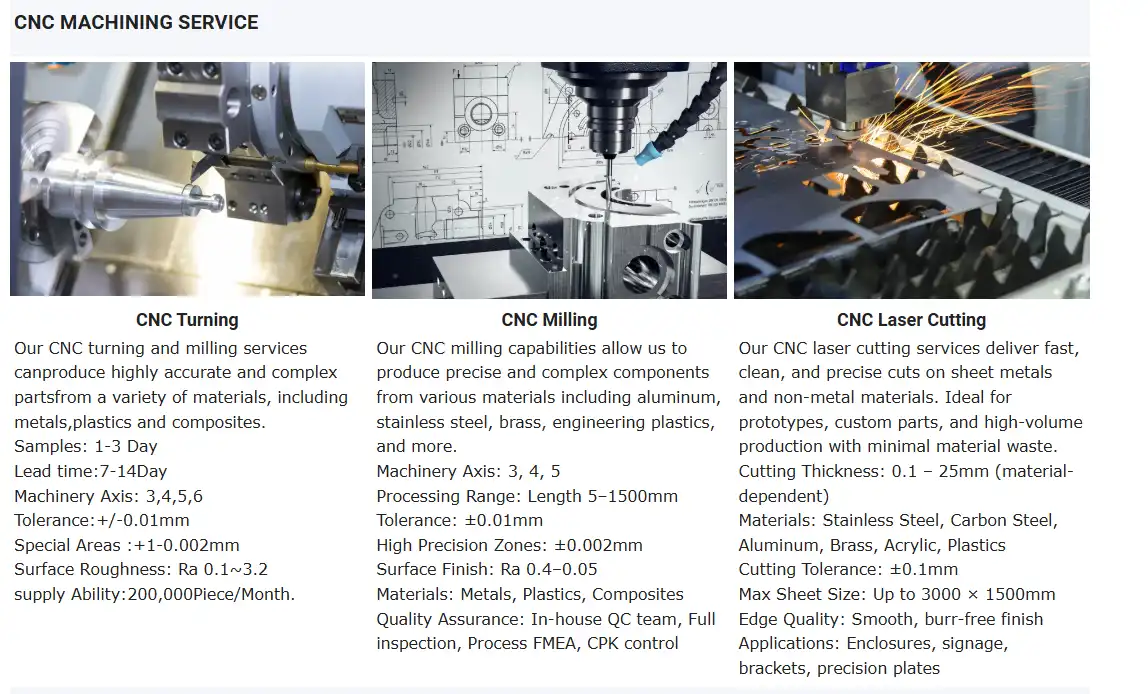
- CNC Machining Centres: Multi-axis equipment capable of maintaining tolerances within ±0.01mm ensures dimensional accuracy across production batches.
- Material Processing Range: Capacity to work with various grades of stainless steel (316, 304, 303, 410) provides flexibility for application-specific requirements.
- Surface Treatment Options: In-house capabilities for anodising, electroplating, sandblasting, and passivation indicate comprehensive manufacturing services without relying on subcontractors.
- Inspection Equipment: Coordinate measuring machines (CMM) and optical comparators enable verification of critical dimensions and surface finish specifications.
These technical capabilities directly translate to your ability to source precision insert parts that meet exacting performance standards across automotive, medical device, and electronics applications.
Production Scalability and Capacity
Understanding a factory's production capacity helps ensure they can accommodate both prototype quantities and full-scale manufacturing runs. A facility with 32 or more CNC machines typically possesses the bandwidth to handle urgent orders while maintaining consistent quality across larger volumes. Evaluate whether the factory maintains adequate raw material inventory and has established relationships with certified material suppliers, as these factors directly impact lead times and production continuity.
Supply Chain Transparency and Communication
Open lines of communication and operational transparency are essential for productive teamwork. Rather than reacting to crises, factories that provide digital inspection reports, real-time production updates, and quick technical help may solve problems proactively. Whether it's during the design refinement phases or addressing quality concerns, day-to-day coordination is greatly affected by language skills and time zone alignment, which may not seem important.
Step-by-Step Selection Process for B2B Procurement Teams
Define Your Technical Requirements
Make sure you have detailed requirements for your insert parts project before you begin. Specify the necessary material grade (e.g., 316 stainless steel for resistance to corrosion), dimensional tolerances (±0.01mm for important interfaces), surface finish (Ra 0.8 μm or smoother), and any further treatments (e.g., passivation or heat treatment). Specify expected volumes, timelines for delivery, and standards for quality approval. To determine if potential factories have the required skills, you can use this material as a starting point.
Source and Shortlist Candidates
Ensure a diverse candidate pool by identifying possible manufacturing partners through numerous routes. Sources to begin with include supplier databases maintained by industry associations, expert recommendations from engineering peers, and industry trade platforms. Factories in well-established manufacturing regions typically have access to more developed supply chains and larger pools of qualified workers, so location may be an important element in your search. Make a list of five or seven people who, according to their credentials and public statements of ability, seem to fit your minimum standards.
Conduct Preliminary Assessment
Contact the manufacturers who made the cut and ask for comprehensive capability statements. Be sure to ask for a list of their equipment, quality certificates, customer references, and samples of their work. Look at portfolios or case studies that show how you've worked with insert components like these before, especially ones that call for the same amount of precision or use the same materials. Talk to them about the technical aspects of your project to see if they can grasp your application needs and come up with solutions to optimise the design or find cheaper materials.
Perform Factory Evaluation
Audits, whether conducted virtually or in person, reveal crucial information about real-world production circumstances. When you visit a facility, make note of the current state of equipment maintenance, the organisation of workflow, the procedures for handling materials, and the practices for quality control. In order to assess the factory's capacity to satisfy tolerances, surface finish quality, and dimensional accuracy, you should request sample production runs that are based on your specifications. Runs through the pilot programme show how the factory deals with technical enquiries, design clarifications, and paperwork, all of which are signs of the quality of the future working relationship.
Analyze and Compare Options
Create a grading matrix that takes into account more than just unit cost. Think about the logistics, payment terms, tooling, and possible rework or quality failure costs when calculating the total cost of ownership. Take into account the response of each manufacturer during the evaluation process as an indication of the quality of their ongoing communication. Make sure all viewpoints are considered by including engineering, quality assurance, and supply chain management stakeholders in the final decision.
Case Studies: Real-World Examples of Successful Insert Parts Factory Selection
Aerospace Component Manufacturer Achieves Zero-Defect Delivery
Aircraft interior assemblies utilising threaded insert components were a constant source of quality problems for an aerospace systems integrator. They were in danger of missing their delivery promises to their OEM client and incurring expensive rework cycles due to defect rates that reached 8%. A precision hardware manufacturer with tolerances of ±0.01mm was partnered with after a stringent factory selection procedure was put in place, with an emphasis on ISO certification, material traceability, and statistical process control capabilities. Production delays were eliminated, and inspection costs were reduced by 40% as the fault rate declined to 0.3% during the next 18 months. The factory's readiness to deliver real-time production data through integrated digital systems and adopt customer-specific quality norms were the key factors in the partnership's success.
Medical Device Developer Reduces Lead Times by 45%
Parts for minimally invasive surgical equipment needed by a medical device startup were unique stainless steel inserts. Delays in clinical testing and snags in prototype development resulted from their first supplier routinely missing delivery deadlines. They chose a partner with specialised project management tools and adaptable production scheduling after researching many factories. Shorter cycle times were made possible by the new manufacturer's investment in five-axis machining technology, which allowed for single-setup production. In addition, they were prepared to keep a buffer supply of essential components, which allowed for reliable availability even when demand was up and down. This shortened the time it took to develop the product and get it to market.
Electronics Manufacturer Optimizes Cost Through Strategic Partnership
A manufacturer of consumer electronics was looking to streamline the purchase of insert parts for all of their product lines. They had high administrative costs and variable quality standards when they worked with seven different vendors before. They found a manufacturer that could handle a wide variety of materials and surface treatments (anodising, electroplating, passivation) after conducting a thorough strategic supplier study. The materials and treatments included stainless steel (304, 316, and 410). They were able to save 22% in labour costs by consolidating 85% of their insert components with this one supplier, which also improved quality consistency, simplified supply chain management, and allowed them to take advantage of volume pricing. In addition to reducing material usage without compromising strength requirements, the factory's technical competence allowed for design enhancements.
Building Long-Term Partnerships with Your Insert Parts Factory
Establish Clear Contractual Frameworks
Complete agreements that safeguard each party's interests are the foundation of healthy, long-term relationships. Standardisation of quality with quantifiable acceptance criteria, timelines for both scheduled and urgent orders' delivery, and protection of custom designs' intellectual property should all be part of a well-drafted contract. Make sure to include the warranty terms that pertain to the dimensions, certificates of the materials, and requirements for the surface treatment. Bonus systems encourage teamwork by rewarding outstanding performance, whereas penalties for late deliveries or quality failures encourage responsibility. To keep agreements in line with changing business demands and market conditions, it is recommended to evaluate them often.
Implement Continuous Quality Monitoring
Ensure that production standards are maintained throughout the collaboration by establishing ongoing quality surveillance processes, even beyond initial qualification audits. The best way to observe process adherence and equipment maintenance practices is to visit the factory on a regular basis, ideally every six months. In order to detect process drift early on and prevent it from producing nonconforming parts, statistical process control data for important dimensions is necessary. When difficulties arise, doing a collaborative failure analysis can turn them into opportunities for development. This not only strengthens the partnership but also enhances the reliability of the product.
Leverage Technology for Supply Chain Visibility
The efficiency of communication between purchasing departments and their industrial partners is greatly enhanced by the use of digital integration. Proactive planning, as opposed to reactive problem-solving, is made possible by supplier portals that provide real-time production status, inventory levels, and quality inspection findings. Integration with enterprise resource planning (ERP) systems optimises order processing and decreases administrative mistakes; digital traceability systems connect finished insert components to inspection records and material certificates. Transparency, fostered by these electronic links, increases confidence and allows for a quicker reaction to evolving needs.
Foster Innovation Through Collaboration
Collaborative innovation, rather than merely transactional ties, characterises the most fruitful partnerships in industry. Get your insert parts manufacturer involved early on in the product development process so you can take advantage of their knowledge of materials and manufacturing to make designs that are as easy to produce as possible. Collaboration on cost-cutting measures reveals openings to tighten tolerances, combine parts, or choose cheaper materials without sacrificing performance. By exchanging market data and demand predictions, capacity planning may be improved, and by incorporating factory engineering teams into problem-solving sessions, innovative solutions can be created that are advantageous to both sides. Through working together, suppliers are turned into valuable allies who care about your success in the long run.
Conclusion
Selecting the optimal insert parts factory requires systematic evaluation extending far beyond initial pricing comparisons. Procurement professionals must assess technical capabilities, quality systems, production scalability, and communication infrastructure to identify partners capable of delivering precision components consistently. The structured selection process outlined here—from defining technical requirements through factory evaluation and comparative analysis—mitigates risks while aligning supplier capabilities with project demands. Real-world examples demonstrate that strategic factory selection generates measurable benefits, including reduced defect rates, compressed lead times, and optimised costs. Building sustainable partnerships through clear contracts, continuous quality monitoring, digital integration, and collaborative innovation transforms manufacturing relationships from transactional engagements into competitive advantages that drive supply chain resilience and business growth.
FAQ
What certifications should I prioritise when evaluating an insert parts manufacturer?
ISO 9001:2015 certification remains fundamental, validating systematic quality management processes. RoHS compliance ensures environmental safety and regulatory adherence for international markets. Industry-specific certifications like AS9100 for aerospace applications or ISO 13485 for medical devices indicate specialized expertise. Material certifications documenting traceability for stainless steel grades (304, 316, 303, and 410) provide assurance of composition and properties. Request copies of current certificates and verify their validity through issuing organisations.
How can I assess a factory's technical capabilities remotely?
Request detailed equipment lists specifying CNC machine brands, models, and quantities, along with measurement instrument inventories. Video tours of production facilities provide visual confirmation of manufacturing conditions and equipment status. Review technical drawings and inspection reports from previous projects demonstrating achieved tolerances and surface finishes. Conduct virtual technical discussions where factory engineers explain their approach to challenging specifications, revealing depth of expertise and problem-solving capabilities.
What are common pitfalls in factory selection that I should avoid?
Prioritising the lowest unit price without evaluating the total cost of ownership frequently generates hidden expenses through quality failures or delivery delays. Insufficient due diligence regarding actual manufacturing capabilities rather than marketing claims results in unrealistic expectations. Neglecting to assess after-sales support and technical assistance leaves you without recourse when problems emerge. Failing to verify material certifications and quality documentation creates compliance risks. Inadequate communication protocols established upfront lead to misunderstandings and coordination difficulties throughout production.
Partner with Junsion for Precision Insert Parts Manufacturing
Procurement managers and engineers seeking a reliable insert parts supplier will find Junsion delivers exceptional precision, quality, and responsiveness for demanding applications. Established in 2019, Dongguan Junsion Precision Hardware Co., Ltd. operates a 1,600-square-metre facility equipped with 32 advanced CNC machines capable of maintaining tolerances to ±0.01mm and surface roughness of Ra 0.8 μm. Our comprehensive capabilities span material grades, including 316, 304, 303, and 410 stainless steel, with processing techniques encompassing CNC turning, five-axis machining, and stamping. Surface treatments from anodising to electroplating ensure optimal performance across automation equipment, medical devices, aerospace systems, and consumer electronics applications. ISO 9001:2015 certified with RoHS compliance, we serve customers in over 20 countries who value fast response times and consistent quality. Contact our team at Lock@junsion.com.cn, echo@junsion.com.cn, or evelyn@junsion.com.cn to discuss your precision insert requirements and experience the Junsion commitment to manufacturing excellence.
References
1. Johnson, M. & Williams, R. (2022). Strategic Supplier Selection in Precision Manufacturing: A Comprehensive Framework for Procurement Excellence. Industrial Supply Chain Institute Press.
2. Chen, L. (2023). Quality Assurance in Metal Insert Manufacturing: Standards, Processes, and Best Practices. Journal of Precision Engineering and Manufacturing, 28(4), 567-583.
3. Anderson, P. & Martinez, D. (2021). Total Cost of Ownership Analysis for B2B Component Procurement: Beyond Unit Pricing. Supply Chain Management Research Foundation.
4. Thompson, K. (2023). Building Resilient Supplier Partnerships in Global Manufacturing Networks. International Journal of Production Research, 41(2), 234-251.
5. Roberts, S. & Chang, H. (2022). Technical Capability Assessment for Precision Hardware Suppliers: A Practical Guide for Engineers. Manufacturing Technology Publishers.
6. Wilson, J. (2021). Digital Transformation in Supplier Relationship Management: Technology Integration and Supply Chain Visibility. Operations Management Quarterly, 19(3), 112-129.