




Metal Shaft Part Applications in Automotive and Industry
As the main way that circular motion is transmitted, metal shaft parts are used in many important systems in cars, including powertrains, steering units, and industrial automation equipment. In engines, gears, robotic motors, and medical devices, these precision-engineered parts provide power, keep things in line, and can handle high levels of operating stress. To make precision metal shaft parts with tolerances as low as ±0.01mm, you need to know a lot about CNC cutting, material science, and strict quality control. At Junsion, we make custom shaft parts out of 316/304/303/410 stainless steel. This guarantees longevity and performance for procurement managers looking for trusted OEM/ODM manufacturing partners.
Understanding Metal Shaft Parts in Automotive and Industry
What Are Metal Shaft Parts and Their Types?
Metal shaft parts are cylinder-shaped parts that are used to move things around, send rotational force, or guide linear motion in mechanical systems. Vehicles' wheels are connected to gearbox units by drive shafts, which let power from the engine flow to the wheels. Internal combustion engines use a lot of fuel, and the fumes they put out are directly affected by the speed of the valves. Transmission shafts make it easier for gears to connect in gearboxes, which makes sure that speed changes are smooth. Spline shafts have holes on the outside that lock into other parts, keeping them from moving when they're under a lot of pressure. Each type solves a different set of engineering problems, so choosing the right materials and manufacturing them with great accuracy is very important.
Key Materials Used in Manufacturing
A metal shaft part's ability to fight wear, rust, and dynamic stress depends on the material it is made of. Grades of stainless steel like 316, 304, 303, and 410 are used a lot in industry and cars because they are very strong for their weight and don't rust. Because it has molybdenum in it, Grade 316 stainless steel is better at resisting salt rust in naval or chemical processing settings. Grade 304 has good mechanical qualities that make it useful for a wide range of tasks. Aerospace and electric car parts that are made of aluminium are lighter, which saves energy. Coating metals with chrome or nickel plating makes them last longer by keeping the surface from wearing down. The choice of materials has a direct effect on how reliable they are and how much they cost to own.
Precision Specifications That Matter
Accuracy in measurements tells the difference between working and failure-prone parts. Tolerances of ±0.01mm make sure that high-speed spinning parts fit correctly, which stops shaking and early bearing wear. Specifications for surface roughness below Ra0.8μm lower friction losses and make the grease film more stable. Consistent shaft width along its length stops uneven spinning, which makes noise and speeds up component wear. Focusing limits keep things balanced while they're rotating, which is very important for users going faster than 10,000 RPM. Heat treatment methods, such as cooling and tempering, change the strength of a material to make it more resistant to wear without making it less flexible. To avoid pricey downtime, procurement pros must make sure that these requirements match what the application needs.
Manufacturing Processes Driving Quality
The way metal shaft parts are made has a big impact on how well they work. CNC turning can make diameter limits that are very close by cutting material with micron-level accuracy using computer-controlled cutting processes. Five-axis machining lets you make complicated shapes like spiral loops and uneven profiles in just one setup, which cuts down on the number of steps that need to be done twice. Stamping makes a lot of parts for consumer goods, where saving money is more important than being able to customise them. Polishing gets rid of flaws on the surface, which increases wear strength by getting rid of stress points. Anodising and coating protect against rust and let you change the way something looks. These steps work together to make parts that meet the standards for ISO 9001:2015 and RoHS compliance.

Applications of Metal Shaft Parts Across Automotive and Industrial Sectors
Automotive System Integration
Modern cars' circulation systems are made up of metal gear parts that transfer power and allow controlled motion. Camshafts control the speed of valve opening and closing inside the engine, which has a direct effect on how efficiently the engine burns fuel and how much pollution it puts out. Layshaft parts are what make gearbox systems work. They connect gear ratios and let drivers match engine speed to road conditions. Torsion-resistant shafts inside steering columns turn the driver's input into exact wheel angles while also soaking up crash energy when they happen. Stabiliser bar shafts in suspension systems keep the car from rolling when turning, which makes the driving better. Compared to combustion engines, electric car drivetrains use simpler gear designs, which cuts down on the number of parts needed while keeping power delivery efficiency high.
Industrial Machinery Applications
Precision shafts are important for factories to keep their production going and the quality of their output high. Drive shafts coordinate the movement of belts across production lines, making sure that materials always run smoothly. Industrial pumps use rotor shafts that have to be able to handle toxic fluids and keep their seals intact when the pressure changes. For robotic arms to work, they need hollow shafts that can hold electrical wires and gas lines. These shafts support the structure and route utilities. Ball screw shafts are used in CNC machines to turn rotational motion into precise linear positioning. This lets cutting processes be done with micron-level accuracy. Heavy building equipment needs wheels that are too big so they can handle shock loads and constant shaking.
Performance Advantages Over Alternative Materials
There are measured benefits to using metal shaft parts that make them common in tough situations. Tensile strengths above 500 MPa allow for small forms that make equipment lighter and take up less space in packing. The corrosion protection of different types of stainless steel keeps the dimensions stable even when they are exposed to hydraulic fluids, coolants, and water from the environment. Thermal conductivity makes it easy for bearings and seals to get rid of heat, which stops areas from getting too hot and speeding up wear. In contrast to plastic options that expand and contract under long-term loads, metal rods stay the same size over thousands of hours of use. These qualities mean that the equipment will need less upkeep and last longer, which lowers the total cost of ownership for buying managers who are looking at long-term value.
How to Choose the Right Metal Shaft Parts for Your Needs
Evaluating Application Requirements
A thorough load and weather study is the first step in choosing the right components. A proper width is needed to keep radial loads straight to the shaft axis from bending, while thrust-bearing support is needed for axial loads. Critical velocity limits are set by operating speeds. This is where resonance waves start, which means that the balance needs to be fixed or the width needs to be changed. Extreme temperatures change the stiffness and expansion rates of materials, which in turn change the gaps between bearings. Chemical exposure in pharmacy or food processing equipment requires materials that are FDA-compliant and have ends that are electropolished. By writing down these factors, you can communicate exact specifications with production partners.
Material Selection Strategy
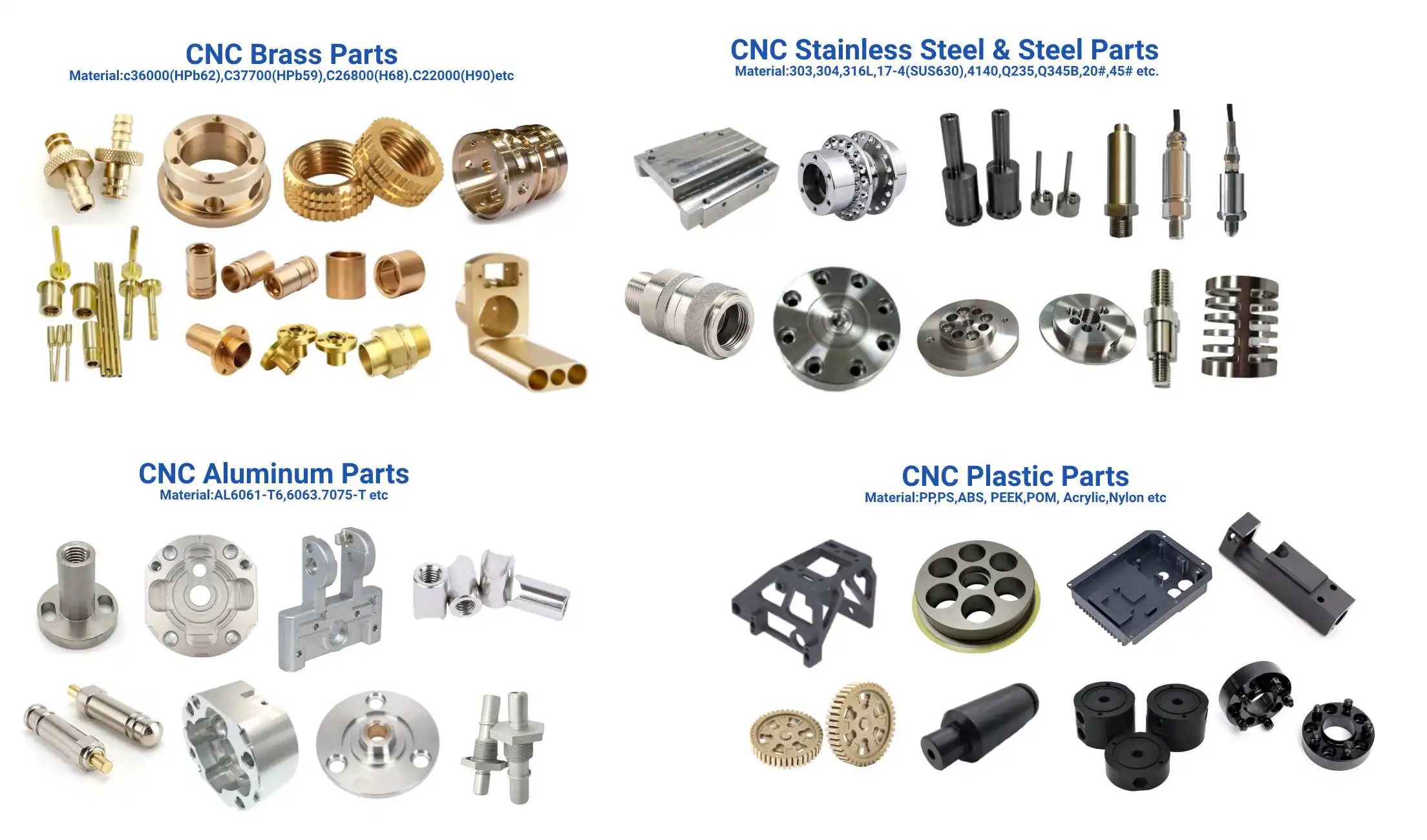
Material choices are based on balancing the need for efficiency with the limitations of the budget. Grade 304 stainless steel is good for general industry uses where rust isn't too bad, and it's cheaper than expensive metals. Even though it costs more, 316 stainless steel is worth it in marine settings or for chemical handling equipment because it lasts longer and pays for itself over time. For aerospace uses, reducing weight with aluminium metals or titanium is very important, and they are willing to pay more for better performance. Coated carbon steel is a cheap option because the top is hard enough to resist wear, while the base material offers strength. Material approvals, which include mill test results, check the chemical makeup and mechanical features of the material. This lowers the quality risks in the supply chain.
Custom Manufacturing vs. Stock Components
Optimal sourcing strategies for metal shaft parts depend on manufacturing complexity and order volume. Standard shaft sizes and lengths maintained in distributor inventory enable rapid prototyping and emergency repairs, though dimensional compromises may result in performance gaps. Custom manufacturing accommodates specialised features—stepped diameters, internal threading, or integral gear teeth—optimising system design. Single‑piece orders incur setup charges that make per‑unit pricing less attractive than batch production. Commitments exceeding 500 pieces justify specialised tooling investments, reducing per‑unit costs through economies of scale. When an immediate need exists, stock components are superior to custom manufacturing, which typically requires 4‑8 weeks, depending on processing complexity.
Assessing Supplier Capabilities
Partner review factors should include more than just price. They should also include professional skills and business dependability. ISO 9001:2015 approval shows that quality management systems are formalised and have written process rules and guidelines for ongoing growth. RoHS compliance shows that you care about the environment and follow the rules so that you can reach markets around the world. Before a package goes out, measurement accuracy is checked with in-house measuring tools like CMM systems and surface roughness testers. OEM/ODM experience shows that it is possible to work together on designs that improve the performance of parts in whole systems. Transportation costs and shipping delays can be cut down by being close to each other or using established logistics networks. These are important factors for just-in-time manufacturing processes.
Maintaining and Extending the Life of Metal Shaft Parts
Preventive Maintenance Protocols
Systematic repair practices are closely linked to how long parts last and how reliably they work. Lubrication plans need to be based on the type of bearing, its working speed, and the environment. For example, grease-packed sealed bearings don't need much maintenance, but oil-lubricated systems need to be checked for stiffness and contamination on a regular basis. Vibration analysis finds early signs of bearing wear or misalignment before they become catastrophic, so maintenance can be planned instead of having to be done quickly. Visual checks find damage to the surface, like cutting, discolouration from being too hot, or rust pitting, that weakens the structure. Verification with a torque wrench makes sure that the preloads on the fasteners keep the shaft couplings in line, which stops fretting wear at the contact surfaces.
Addressing Common Failure Modes
Targeted prevention techniques are possible when you understand how decline works. Corrosion attacks happen when protective metal layers are worn away by contact or chemical attack. This process is sped up in places with a lot of humidity or chloride. The best ways to protect against corrosion are to use stainless steel and protective coatings. Fatigue cracks start in places where there is a lot of stress, like keyways, shoulders, and surface flaws. They spread through the cycle loads until they break suddenly. Improving the surface finish and fillet radius can make it less likely that a crack will start. Inadequate lubrication causes wear patterns that show up as changes in dimensions that affect the gaps between bearings and the effectiveness of seals. Oil analysis tools find debris that shows wear development. Writing down failure modes helps designers make better designs and upkeep schedules more accurate.
Replacement Decision Criteria
Economic research figures out the best time to repair or replace something. By comparing key measurements to technical limits, you can tell how much service life is left in a shaft. Shafts that go beyond runout standards or show width decreases of more than 0.05mm usually need to be replaced. The surface damage estimate checks to see if cleaning or finishing can make the item useful again without weakening it. The cost of downtime during unexpected failures is often higher than the cost of replacing the part, so proactive replacements during regular maintenance times are more cost-effective. Strategies for keeping spare parts in stock balance the costs of keeping them on hand with the benefits of being able to get them quickly in an emergency. These things allow choices about lifetime management to be based on facts.
Market Overview and Procurement Insights for Metal Shaft Parts
Global Supplier Landscape
In the precision component manufacturing sector for metal shaft part, specialised manufacturers are concentrated in industrial regions with access to skilled labour and robust supply chain infrastructure. Asian manufacturers, particularly those in China’s Guangdong province, leverage advanced CNC equipment and cost‑effective labour to serve global customers through established export channels. European suppliers emphasise engineering collaboration and premium materials for medical and aerospace applications. Automotive OEMs benefit from North American manufacturers offering just‑in‑time delivery and localised technical support. By evaluating supplier certifications, production capacity, and customer references, procurement teams can identify partners that align with the organisation’s quality standards and responsiveness requirements.
Pricing Dynamics and Volume Benefits
Cost structures take into account the cost of materials, the difficulty of production, and the number of orders. Stainless steel types cost more than carbon steel. For example, because it contains molybdenum, 316 metal is priced 20–30% higher than 304. When compared to simple turned shafts, complex shapes that need five-axis cutting or multiple secondary processes cost more to make per piece. Setup costs are spread out over bigger orders with batch production. Orders of more than 1,000 pieces usually get 30–40% lower unit costs compared to trial numbers. There are extra fees for customisation services like special finishes or faster shipping. Clear quote methods with detailed details allow for well-informed cost-benefit analysis.
Strategic Sourcing Recommendations
Effective procurement strategies balance technical requirements, quality assurance, and supply chain resilience. Multi-source qualification mitigates single-supplier dependency risks while maintaining competitive pricing pressure. Establishing framework agreements with preferred suppliers secures capacity allocation during demand surges while simplifying transaction processes. Technical specification standardisation across product lines reduces tooling investments and expedites quoting cycles. Quality audit programs, including first article inspections and periodic factory visits, verify process adherence. These practices build reliable supply relationships supporting operational continuity and continuous improvement initiatives.
Conclusion
Metal shaft part selection and sourcing decisions significantly impact equipment reliability, operational efficiency, and lifecycle costs across automotive and industrial applications. Understanding material properties, manufacturing processes, and application-specific requirements enables procurement professionals to specify components that balance performance demands with budget constraints. Preventive maintenance practices extend service intervals, while strategic supplier partnerships ensure quality consistency and delivery reliability. As manufacturing technology advances, precision tolerances and customisation capabilities continue improving, offering opportunities to optimise system designs. Partnering with experienced manufacturers holding ISO certifications and demonstrated OEM expertise provides the technical support and quality assurance necessary for successful project outcomes in today's demanding industrial landscape.
FAQ
Why Choose Metal Shafts Over Plastic Alternatives?
Metal shaft parts provide superior load-bearing capacity, thermal stability, and dimensional consistency compared to polymer alternatives. Stainless steel maintains tolerances under temperatures exceeding 400°C, where plastics deform or melt. Tensile strengths 10-20 times higher than those of engineering plastics enable compact designs, reducing equipment footprints. Metal components resist chemical degradation from hydraulic fluids and industrial solvents that attack polymer chains. Though plastics offer corrosion immunity and weight advantages, critical power transmission and high-precision applications demand metal's mechanical properties and proven reliability across millions of operating cycles.
How Do I Determine Correct Shaft Dimensions and Materials?
Dimensional specifications derive from mechanical engineering calculations considering load magnitudes, bearing selection, and deflection limits. Shaft diameter calculations incorporate bending moments, torsional stresses, and safety factors typically ranging from 2 to 4, depending on application criticality. Material selection balances strength requirements, environmental conditions, and cost constraints—corrosive environments justify stainless steel despite higher pricing. Engaging experienced manufacturers during design phases leverages application expertise, optimising specifications to avoid over-engineering while ensuring adequate performance margins. Prototype testing validates calculations before committing to production volumes.
What Should I Evaluate When Selecting Suppliers?
Supplier assessment should examine manufacturing capabilities, quality systems, and operational reliability. Verify in-house machining equipment matches component complexity—five-axis capabilities enable single-setup production, reducing cumulative tolerances. ISO 9001:2015 certification demonstrates documented quality processes and continuous improvement commitment. Request sample parts with dimensional inspection reports confirming measurement capabilities. Evaluate communication responsiveness and technical support availability during development phases. Review customer references within similar industries to assess partnership satisfaction. These criteria collectively predict supplier performance throughout long-term relationships.
Partner with Junsion for Precision Metal Shaft Part Manufacturing
Junsion specialises in custom metal shaft part production for automotive, medical, aerospace, and industrial automation applications. Our 1,600 square-meter Dongguan facility houses 32 advanced CNC machines capable of achieving ±0.01mm tolerances and Ra0.8μm surface finishes. We manufacture components from 316, 304, 303, and 410 stainless steel using turning, five-axis machining, and stamping processes. Surface treatments, including polishing, anodising, plating, and electrophoresis, protect against corrosion while meeting aesthetic requirements. ISO 9001:2015 certification and RoHS compliance ensure quality consistency across orders ranging from prototypes to high-volume production. Our engineering team collaborates on design optimisation, material selection, and cost reduction initiatives. As an established metal shaft part supplier serving over 20 countries, we deliver fast response times and reliable OEM/ODM partnerships. Contact Lock@junsion.com.cn to discuss your precision component requirements and receive competitive quotations tailored to your project specifications.
References
1. Bhandari, V.B. (2010). Design of Machine Elements. McGraw-Hill Education, Third Edition, Chapter 7: Shafts and Couplings.
2. ASM International Handbook Committee. (2005). ASM Handbook Volume 1: Properties and Selection of Stainless Steels, Tool Materials and Special-Purpose Metals. ASM International.
3. Budynas, R.G. and Nisbett, J.K. (2015). Shigley's Mechanical Engineering Design, Tenth Edition. McGraw-Hill Education, Chapter 18: Power Transmission Elements.
4. Society of Automotive Engineers. (2018). SAE J1099: Technical Report on Low Carbon and Alloy Steel – Potential Applications and Heat Treatments. SAE International Standards.
5. Groover, M.P. (2020). Fundamentals of Modern Manufacturing: Materials, Processes, and Systems, Seventh Edition. Wiley, Chapter 22: Machining Operations and Machine Tools.
6. International Organisation for Standardisation. (2019). ISO 286-1:2010 Geometrical Product Specifications (GPS) – ISO Code System for Tolerances on Linear Sizes. ISO Standards Catalogue.