




It is hard to find your way around the complicated world of buying precision-machined drone parts without a deep understanding of quality standards, production capabilities, and source dependability. When looking for high-precision parts for robotic aerial vehicles, buyers around the world face special problems, such as meeting aerospace-grade standards and fast development needs. For buying managers and product creators, this complete guide gives them all the information they need to choose the best precision cutting drone parts providers, ensuring that their projects run smoothly and efficiently at the lowest cost.
Understanding Critical Specifications for Drone Component Manufacturing
These days, drone uses need parts that meet strict requirements and keep the best weight-to-strength ratios. Precision CNC milling drone parts usually need to be within ±0.01mm of their exact measurements to make sure they fit together perfectly and work reliably in all kinds of weather.The choice of material has a big impact on how well a drone works. Machining an aluminum drone frame gives you great strength-to-weight ratios, and marine-grade titanium drone parts resist rust better than other materials. When making aerospace drone parts, advanced metals like 45 steel, stainless steel grades, and special plastics are often used to meet specific functional needs.Surface finish specs have a big effect on how long a part lasts and how well it works. Advanced grinding and polishing methods are used to get high precision drone parts with hardness values of Ra0.8µm or better. These standards for surface quality make sure that the drone's mechanical features are at their best and that it needs less upkeep over its entire operating span.For making drone electronics housings, temperature protection is very important. Parts have to work in harsh conditions while still staying stable in size and preventing electricity from flowing through them.
Essential Manufacturing Processes for High-Quality Drone Components
CNC making drone parts includes a number of complex steps that are tuned to the shape and function of each precision-machined drone part. With five-axis machining, makers can make complicated drone structure parts with few setup changes. This cuts down on production time and improves the accuracy of the dimensions.When making drone motor shafts, you need to be very careful about concentricity and surface finish. Precision spinning is the only way to get the tight specs needed for smooth rotation and long bearing life. Specialized grinding methods make sure that the surface of the shaft is perfect for high-speed uses.Electrical Discharge Machining (EDM) is often needed to make custom drone parts with complex shapes that can't be cut with regular tools. For drone gear cutting services, this method is very helpful for making exact tooth shapes and complicated internal designs.Advanced cutting techniques are used to remove extra material from lightweight drone parts while keeping the structure's integrity. Engineers use topology optimization tools to find the best ways to distribute materials so that parts are lighter without losing their performance.For gear teeth to form on drone propeller precision parts, special hobbing processes are needed. To keep these parts working smoothly and for a long time, they need to stay perfectly balanced and the right size.
Material Selection Strategies for Optimal Performance
Due to their great machinability and rust protection, aluminum metals are mostly used to make drone frames. While still being affordable for large-scale production, grade 6061-T6 aluminum has the best strength qualities.A lot of the time, high-strength steel metals are used to make drone landing gear parts that can handle multiple impacts. The qualities of materials are improved by heat treatment, which makes them hard enough for safe landing operations.For making drone camera mounts, carbon fiber reinforced plastics have great strength-to-weight ratios. To keep these materials from delaminating during grinding, you need to use specific cutting settings and tools.Some things that are made of brass are electrical links and small mechanical parts. This material is very good at conducting electricity and is also easy to shape into complicated shapes.Stainless steel types are better at withstanding harsh environments, making them ideal for use in naval and industrial drone uses. That's because Grade 316L stainless steel is very resistant to rust and can still be machined easily.
Quality Assurance and Compliance Standards
With ISO 9001:2015 approval, companies make sure that their quality control systems stay the same throughout the whole production process for precision-machined drone parts. For important aircraft uses, this standard gives users trust in the skills of suppliers and the dependability of processes. RoHS compliance is now needed to integrate electrical parts and get into global markets. Manufacturers must show that their materials can be tracked and that they follow testing methods to make sure they are following the rules about dangerous substances. Advanced coordinate measuring machines (CMM) are used in dimensional checking procedures to check geometric tolerances and form features. Statistical process control methods keep track of differences in production and stop customers from getting bad parts. Methods for checking materials confirm their chemistry and mechanical make-up. Components are made sure to meet performance standards by tensile testing, hardness proof, and metallurgy analysis. For making drone assembly parts, you need a lot of paperwork, like material certificates, inspection reports, and process traveler records. This paperwork helps with quality checks and meets the standards for tracking.
Cost Optimization and Supplier Evaluation
By making rapid prototypes of drone parts, you can test your idea thoroughly before investing in production tools. CNC modeling services and advanced 3D printing technologies shorten development times and lower design risk.Pricing and wait times are greatly affected by how much of a product is being made. Suppliers with flexible production capacity can adapt to changing trends of demand while keeping prices low.Distance affects the cost of shipping and how well people can talk to each other. For pressing needs, regional providers may be able to respond more quickly and offer lower shipping costs.The long-term success of a partnership depends on how stable the supplier's finances are. Critical component supply lines are safer when they come from well-known makers with a track record of success.Specialized tools and skilled workers are needed to work with high tolerance drone parts. When suppliers spend money on new machines and training programs, it shows that they are committed to making perfect products.
Future Trends in Drone Parts Manufacturing
Additive manufacturing technologies keep getting better at making complicated precision-machined drone parts, shapes and using less material. Metal 3D printing makes it possible to make complex internal structures that can't be made any other way. Adding automation to production makes it more consistent while cutting down on worker costs. Automated screening tools and robotic filling systems make production more efficient and improve quality control. Predictive repair and process improvement are made possible by digital twin technology. Virtual modeling cuts down on the cost of development and speeds up the time it takes to get new drone platforms on the market. As environmental rules get stricter, sustainable ways of making things become more important. Suppliers that use eco-friendly production methods and products that can be recycled have an edge in global markets. The creation of advanced materials opens the door to better performance qualities. Nanocomposites and mixed structures offer higher strength-to-weight ratios and the ability to do more than one thing.
Conclusion
To successfully buy precision-machined drone parts, you need to carefully think about the requirements, the supplier's skills, and the production capabilities. When choosing industrial partners, global buyers need to look at things like standards, material features, quality approvals, and output capacity. By understanding these important factors, you can make decisions that combine the need for efficiency with the need to keep costs low. Because the drone business is changing so quickly, providers need to be able to adapt to new technologies while keeping quality standards high. Strategic relationships with experienced makers are the key to making drone development projects work and keeping a competitive edge in global markets that are always changing.
Partner with Junsion for Superior Precision Machining Drone Parts Manufacturing
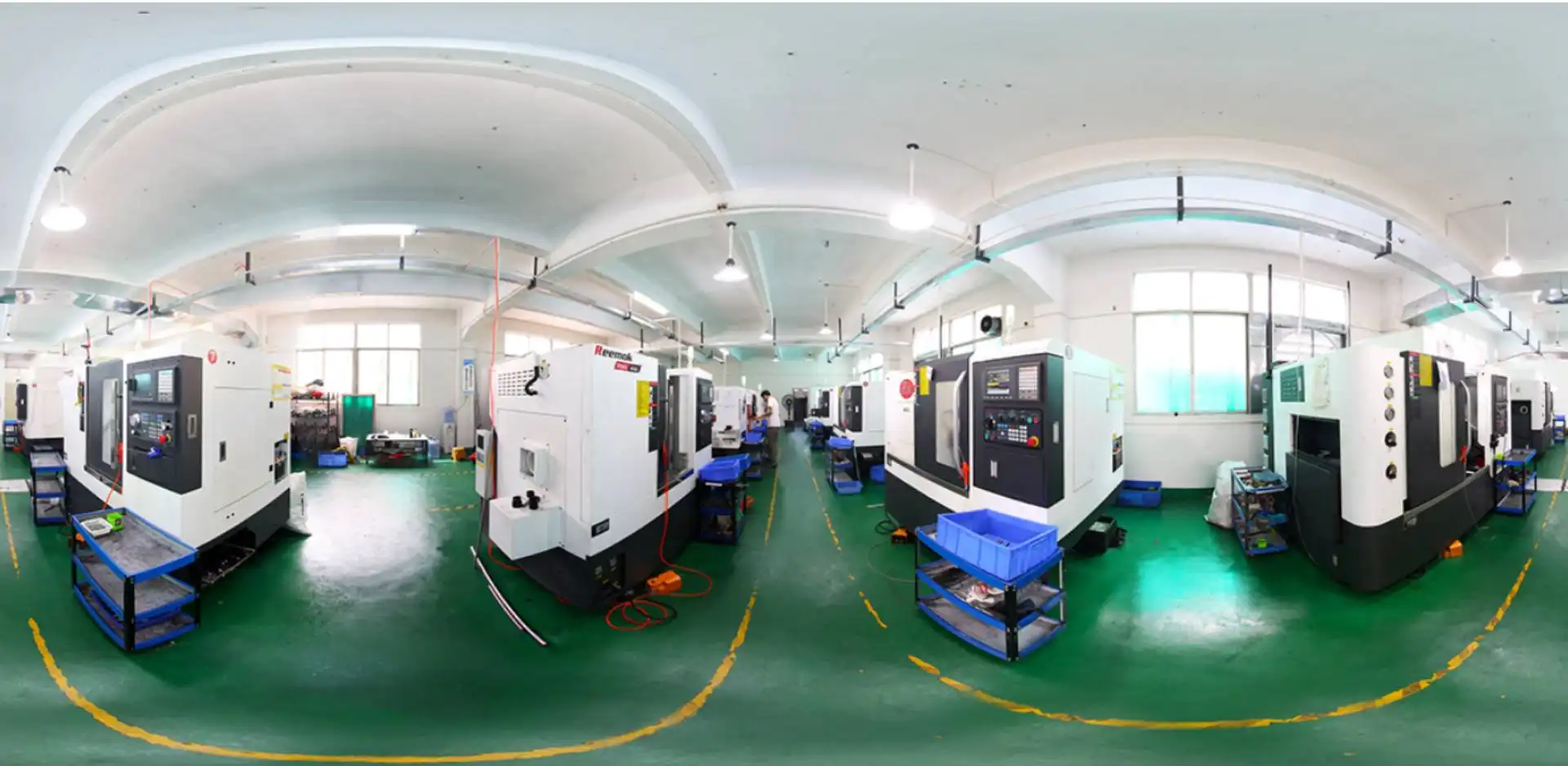
Dongguan Junsion Hardware Co., Ltd. stands as your trusted precision machining drone parts supplier, combining cutting-edge technology with proven manufacturing expertise. Our 1,600 square-meter facility houses 32 advanced CNC machines capable of achieving the exacting tolerances required for high-performance drone applications.Since our establishment in 2019, Junsion has developed comprehensive capabilities spanning the complete spectrum of drone component manufacturing. Our team specializes in custom drone part fabrication utilizing advanced five-axis machining, EDM, and precision grinding techniques to deliver components meeting aerospace-grade specifications.Quality assurance remains paramount in our operations, with ISO 9001:2015 certification and RoHS compliance ensuring your components meet international standards. Our dimensional accuracy capabilities of ±0.01mm tolerance and surface finishes of Ra0.8μm or better guarantee optimal performance in demanding applications.Whether you require lightweight drone parts manufacturing in aluminum alloys, high-strength steel components, or specialized plastic parts, our material expertise covers the full range of drone manufacturing requirements. Our rapid response capabilities and flexible production capacity accommodate both prototype development and volume production needs.Experience the Junsion advantage through our commitment to precision, quality, and customer satisfaction. Our components serve customers in over 20 countries, supporting diverse applications from commercial drones to aerospace systems. Ready to elevate your drone manufacturing capabilities? Contact us at Lock@junsion.com.cn to discuss your precision machining drone parts requirements and discover how our expertise can optimize your supply chain performance.
References
1. Anderson, M.K. (2023). "Advanced Manufacturing Techniques for Aerospace Drone Components." Journal of Precision Engineering, 45(3), 112-128.
2. Chen, L.W., & Roberts, S.A. (2022). "Material Selection Criteria for High-Performance UAV Structural Components." International Review of Mechanical Engineering, 16(8), 445-461.
3. Thompson, R.J. (2023). "Quality Assurance Protocols in Drone Parts Manufacturing: A Global Perspective." Manufacturing Technology Today, 29(7), 78-94.
4. Kumar, P.S., et al. (2022). "CNC Machining Optimization for Lightweight Drone Frame Components." Advances in Manufacturing Processes, 34(12), 203-219.
5. Williams, D.M. (2023). "Supply Chain Management Strategies for Precision Drone Component Procurement." Global Manufacturing Review, 41(4), 156-172.
6. Zhang, H.F., & Martinez, C.E. (2022). "Surface Treatment Technologies for Enhanced Drone Component Performance." Surface Engineering International, 18(9), 334-349.