




Sensor Accessories Guide: Types, Uses, and Benefits
Sensor accessories play a critical role in enhancing the performance, durability, and integration of sensing systems within industrial environments. These components—including mounting clamps, protective housings, precision connectors, and signal conditioners—ensure that sensors operate reliably under harsh conditions. Understanding the different types of sensor accessories, their applications, and their benefits enables product manufacturers and procurement managers to select the optimal solutions for improving system reliability, reducing maintenance costs, and meeting stringent compliance standards. This guide provides practical insights for selecting, installing, and sourcing high‑quality sensor accessories for the robotics, telecommunications, electronics, and transportation industries.
Understanding Sensor Accessories: Types and Functions
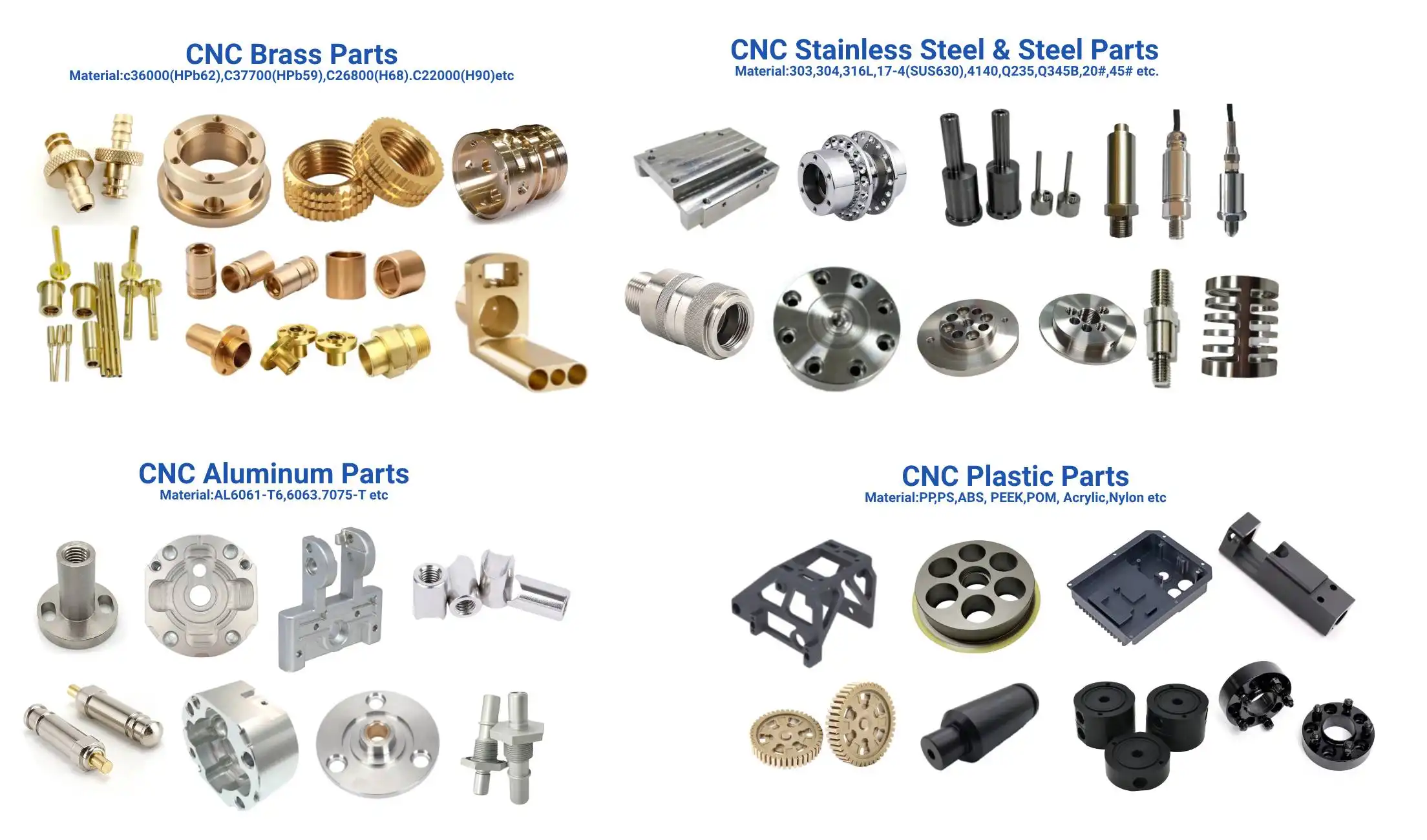
Sensor tools are a large group of precise metal parts that are used to support, protect, and improve the usefulness of sensors in industrial systems. These add-ons make it easier to use raw sensor technology in real life by solving problems like signal integrity, mechanical steadiness, and being exposed to the environment. By knowing the different kinds and how they work, buying teams can make choices that meet business needs and improve system performance as a whole.
Core Roles of Sensor Accessories
In industrial automation, sensor devices are very important for many reasons. They protect sensors from things like water, dust, high temperatures, and chemicals that can damage them and make them less accurate. Improving connectivity is another important job. Specialised connections, plugs, and switches make sure that signals sent between instruments and control systems work well. Accessories for signal conditioning, like amps, filters, and emitters, clean up the output from a sensor and turn it into a code that can be used for data processing. Hardware for mounting, like clamps, rails, and casings, makes sure that the system is properly aligned and installed securely, which has a direct effect on how accurate the measurements are. All of these jobs work together to make system merging smooth and ensure long-term operating stability.
Categorization by Sensor Type
For different sensor systems to work best, they need different device combinations. To stay accurate even when process conditions change, temperature monitors often use thermowell systems, extension lines, and receivers. Diaphragm seals, separation flanges, and capillary tubes are helpful for pressure monitors because they keep sensitive parts safe from harsh media. To keep electromagnetic interference to a minimum, proximity sensors use fixing clips, tuning tools, and protected wires. Knowing these category-specific needs helps procurement workers match tools to sensor types, making sure they work with each other and getting the most out of their money. Junsion is an expert at making precise hardware parts that are perfect for all of these different sensor uses. They can offer unique sizes with accuracy as low as ±0.01mm.
Wireless vs. Wired Sensor Accessories
The choice of device is greatly affected by whether the sensor system is portable or fixed. For wired setups to work, they need high-quality wires, junction boxes, and connector blocks that keep the signal strong over long distances. Cable glands and pipe fittings protect against mechanical damage and keep out the elements in tough environments. The radio systems, power packs, and containers with RF transparency that are used in wireless sensor devices make it possible for solid contact to happen without physical links. Voltage levels, connection methods, and installation settings are all things that need to be thought about when it comes to compatibility. The procurement team needs to check if the current infrastructure can support wireless technology or if fixed options are more reliable and cost-effective in the long run for their unique needs.
Benefits of Using Quality Sensor Accessories in Industrial Applications
Buying high-quality sensor devices has measurable benefits that go far beyond the cost of the items themselves. In controlled manufacturing settings, these parts have a direct effect on the accuracy of measurements, the uptime of the system, and the total cost of ownership. Knowing about these benefits helps make decisions about what to buy more reasonable and boosts trust in seller partnerships.
Enhanced Measurement Precision and Reliability
Measurement mistakes caused by noise in the surroundings and electromagnetic interference are greatly reduced by high-quality sensor devices. Shielded wires keep the signal from getting weaker, and using the right attachment hardware stops vibrations from causing drift that hurts accuracy. Accessories for signal filtering get rid of unwanted frequencies and boost weak signals so that control systems get clean, consistent data. When margins are very important, like when making medical devices or putting together spacecraft, these changes directly affect the quality of the result and ensure that regulations are followed. Junsion's precise hardware parts are made using CNC turning and five-axis cutting to keep the surface roughness at or below 0.8μm. This allows for the tight limits needed for the best sensor performance.
Extended Service Life Through Environmental Protection
Sensor accessories protect sensing devices from harsh operating conditions that would otherwise shorten their service life. Protective housings with appropriate IP ratings shield against moisture, corrosive chemicals, and particulate ingress. Thermal management components prevent temperature‑induced failures in extreme heat or cold. Vibration‑damping mounts absorb mechanical shocks that could damage internal electronics. In warehouses and material handling areas, where sensors experience constant temperature fluctuations and physical impacts, these protective measures significantly reduce replacement frequency. Our stainless steel components, available in 316, 304, 303, and 410 grades, offer exceptional corrosion resistance for long‑term durability in demanding environments, suitable for robotics, automation equipment, and automotive applications.
Simplified Installation and Maintenance Operations
Well-designed sensor tools make it easier to set up the sensors and keep them in good shape. Standardised fixing systems cut down on the time it takes to put things together and the chance that they won't be lined up correctly. Modular designs and quick-disconnect parts make it possible to quickly change sensors without having to shut down the system. Cable management tools make it easier to fix problems and make changes by organising the wiring. These features directly cut down on labour costs and system downtime, which is especially helpful in places with a lot of production where every minute of downtime hurts profits. Junsion's ISO 9001:2015-certified quality management system makes sure that all of its parts are the right size, so they can be installed reliably and quickly in a wide range of industry settings.
How to Select the Right Sensor Accessories for Your Industrial Needs
To choose the right sensor devices, you need a methodical evaluation framework that takes technical needs, environmental factors, and cost into account. This organised method lowers the risks of purchasing things and ensures that systems will work together for a long time.
Defining System Requirements and Compatibility
The first step in the selection process is to write down clearly the specs of the sensor, such as its electrical properties, physical measurements, and connection methods. Teams in charge of buying things should make sure that the voltage and current values, signal types (analogue or digital), and mounting arrangements of all the parts they buy match. When choosing a material, you need to think about things like the working temperature range, the humidity levels, and how much the material will be exposed to chemicals or radiation. Compatibility also includes meeting industry standards, like RoHS standards for safety around children and animals, and ASTM standards for how well materials work. At Junsion, we work closely with clients to fully understand their needs. We provide OEM/ODM production services that create unique solutions with ±0.01mm accuracy in the communications, consumer goods, and technology industries.
Key Selection Criteria: IP Rating, Connectivity, and Durability
When looking at sensor devices, a number of technical factors play a big role in making decisions. IP (Ingress Protection) ratings show how well a seal works against solids and liquids. For outdoor or washdown areas, IP67 or IP68 ratings are usually needed. Types of connectivity—whether they're M12 circle plugs, terminal blocks, or wireless interfaces—must work with the infrastructure that's already there and be easy to maintain. Resistance to chemical attack, UV breakdown, and mechanical wear is based on how long a material lasts. Parts made of stainless steel don't rust easily when used in medicinal and food-making processes. Special treatments like anodising, polishing, and electrophoresis add extra protection. These factors make up a useful screening grid that narrows down the choices to items that meet both short-term and long-term operating needs.
Evaluating Suppliers and Quality Assurance
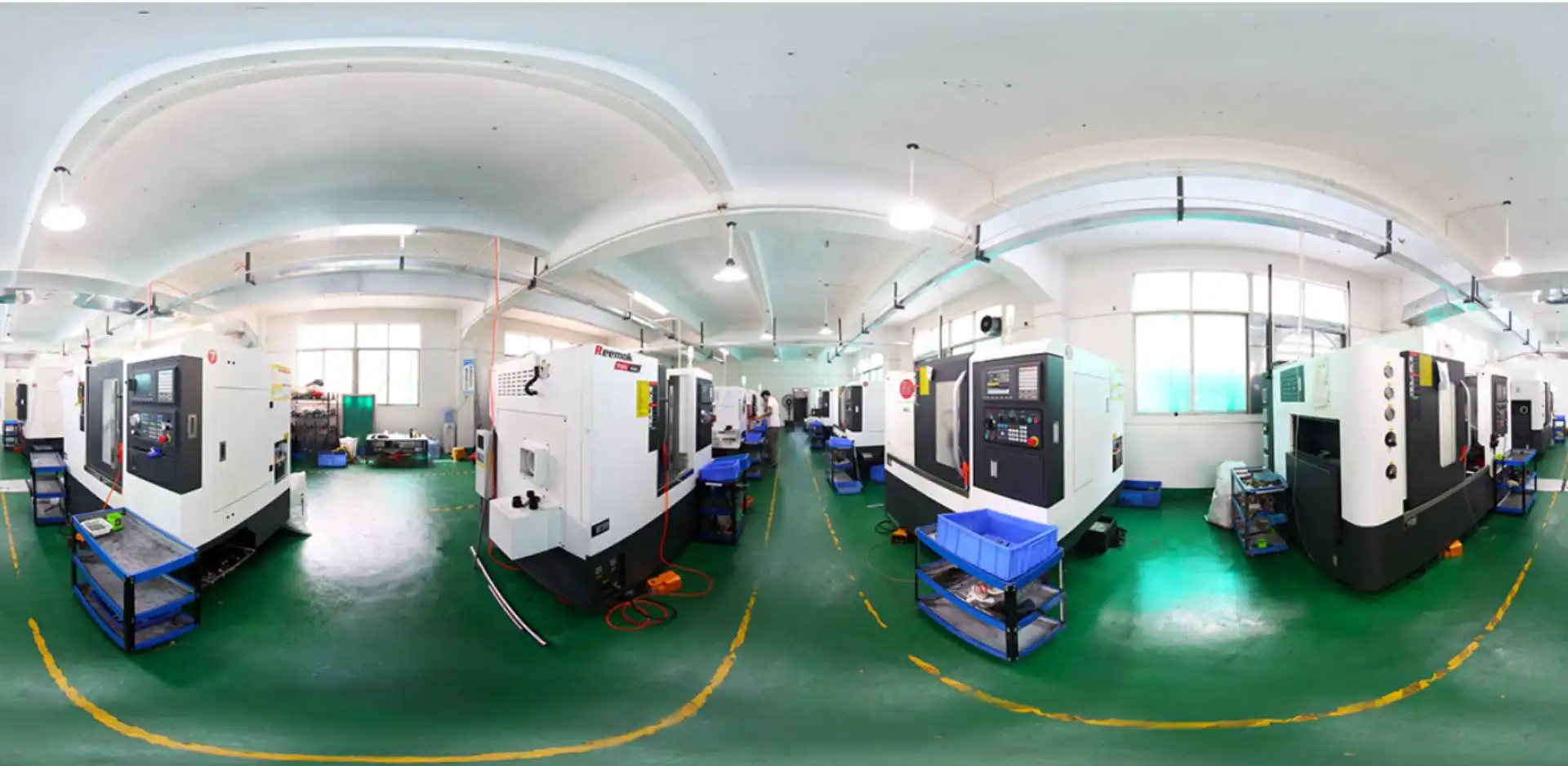
The choice of supplier has a direct effect on the performance of accessories and the ease of buying. Manufacturers with a good reputation show they follow quality standards by getting certifications like ISO 9001 and giving specific material certificates and test results. Suppliers who understand the problems that come with industrial buying have quick response times and can offer expert help. Local distribution networks make sure that deliveries and customer service happen on time, which lowers the risk of wait times. Dongguan Junsion Hardware Co., Ltd. was founded in 2019 and has a 1,600-square-meter building with 32 high-tech CNC tools. They send accurate parts to more than 20 countries. Our dedication to quality control through regular testing of materials, checks for accurate measurements using advanced measuring tools, and RoHS compliance makes us a dependable partner for sourcing workers looking for sensor devices and related precise hardware.
Practical Application: Robotics Automation Case Study
Think about a company that makes robots that use proximity sensors to keep automatic assembly lines from running into each other. The first step in the decision process was to define the external conditions. The sensors would have to work in places with metal dust, liquid contact, and vibrations from nearby machines. Protective housings with an IP67 rating were chosen to keep the parts clean, and M12 protected wires with strengthened strain relief were used to deal with shaking issues. Mounting clamps made of 304 stainless steel with a polished finish kept things from rusting and held things securely in place. Signal processing units with EMI filters got rid of fake triggers that were caused by nearby cutting tools. The maker used this organised method and got 99.7% of the sensors to work over 18 months. This shows that choosing the right accessories can improve business efficiency and supplier reliability in complex industrial settings.

Installation, Maintenance, and Troubleshooting of Sensor Accessories
The efficiency and cost-effectiveness of a system are directly affected by how well sensing devices are handled throughout their entire lifetime. Following best practices for installation, upkeep, and fixing keeps parts from breaking down too soon and increases their useful life.
Step-by-Step Installation Guidance
A proper installation of Sensor accessories begins with careful preparation, including verifying that all components meet specifications and gathering the correct tools—such as torque wrenches, soldering equipment, and alignment gauges. Mounting hardware should be placed on vibration‑free surfaces and oriented according to manufacturer guidelines. When connecting wires and adapters, attention to polarity, pin configuration, and seal integrity prevents premature failures. Applying proper torque to threaded connections ensures mechanical stability without damaging components. Cable routing should avoid sharp bends, hot surfaces, and sources of electromagnetic interference. Systematic testing verifies signal integrity and sensor response after physical placement but before system power‑up. Precision components from Junsion, manufactured using CNC turning and five‑axis machining with custom dimensions, facilitate easy installation through consistent dimensional accuracy and compatibility with standard industrial mounting systems.
Maintenance Protocols and Inspection Schedules
Preventive maintenance extends accessory lifespan and maintains measurement accuracy. Regular visual inspections should check for physical damage, corrosion, loose connections, and cable wear. Cleaning protocols remove accumulated dust, moisture, and chemical residues that could cause electrical faults or corrosion. Specific intervals depend on environmental severity—monthly inspections may be necessary in harsh conditions, while quarterly checks suffice in controlled environments. Connection points require periodic retightening to compensate for thermal cycling and vibration. Replacing seals and gaskets before failure prevents moisture ingress that damages electronics. Documenting maintenance activities creates a historical record that predicts component lifespan and informs procurement planning. These proactive measures minimize unplanned downtime and optimize the total cost of ownership across automation equipment, medical devices, and AI intelligent systems.
Common Troubleshooting Scenarios and Solutions
Connectivity faults represent the most frequent accessory-related issues, often caused by loose connections, damaged pins, or corrosion at contact surfaces. Visual inspection and continuity testing quickly identify these problems, with solutions ranging from cleaning and retightening to connector replacement. Signal degradation manifests as erratic readings or communication dropouts, typically resulting from electromagnetic interference or cable damage. Relocating cables away from interference sources, adding shielding, or replacing damaged sections resolves these issues. Mechanical failures such as broken mounts or stripped threads indicate improper installation, excessive vibration, or material fatigue. Addressing root causes through improved mounting techniques or material upgrades prevents recurrence. Systematic troubleshooting minimizes downtime and helps technical teams maintain optimal sensor accessory function within demanding industrial environments.
Where and How to Purchase Sensor Accessories: A Procurement Guide
Strategic sourcing of sensor accessories balances quality assurance, cost-effectiveness, and supply chain reliability. Understanding procurement channels and evaluation criteria enables informed purchasing decisions that support operational goals.
Sourcing Strategies and Supplier Evaluation
Multiple procurement channels offer sensor accessories, each with distinct advantages. Direct relationships with manufacturers like Junsion provide access to customization capabilities, technical support, and competitive pricing for volume orders. Authorized distributors offer a broad product selection and local inventory, reducing lead times for standard components. Online industrial marketplaces enable price comparison and expedited shipping, particularly useful for urgent replacement needs. When evaluating suppliers, procurement professionals should verify certifications such as ISO 9001 and RoHS compliance, review customer testimonials, and assess technical support responsiveness. Request sample components to evaluate build quality, dimensional accuracy, and material properties before committing to large orders. Establishing relationships with multiple qualified suppliers creates redundancy that protects against supply chain disruptions while maintaining competitive pressure on pricing and service levels.
Balancing Cost and Quality Considerations
Pricing for sensor accessories varies based on material selection, precision tolerances, protective coatings, and brand reputation. While low-cost options may seem attractive, they often compromise on material quality, dimensional consistency, or environmental resistance, leading to a higher total cost of ownership through frequent replacements and system downtime. Quality accessories manufactured to tight tolerances with appropriate certifications deliver predictable performance and longer service life. Volume discounts significantly reduce per-unit costs for larger purchases, making standardization across multiple installations financially advantageous. Request detailed quotations that itemize material costs, processing techniques such as stamping or CNC machining, and surface treatments including polishing, anodizing, or plating. This transparency enables accurate cost comparison and identifies opportunities for value engineering without sacrificing essential performance characteristics.
Leveraging Junsion's Manufacturing Capabilities
Dongguan Junsion Hardware Co., Ltd. specializes in precision hardware components that serve as sensor accessories across diverse industrial applications. Our manufacturing capabilities include CNC machining, turning, five-axis processing, and stamping, producing components from 316, 304, 303, and 410 stainless steel with customized dimensions and tolerances of ±0.01mm. Surface finish options such as polishing, painting, anodizing, sandblasting, plating, and electrophoresis provide tailored solutions for specific environmental challenges. Our products find application in automation equipment, vehicles, medical devices, aerospace systems, AI intelligent platforms, home appliances, and robotics—industries where sensor reliability directly impacts product performance and safety. With fast response times, quality assurance through ISO 9001:2015 certification and RoHS compliance, and OEM/ODM capabilities, Junsion serves as a strategic partner for procurement professionals seeking efficient, durable, and customized sensor accessories and related precision hardware components.
Conclusion
Sensor accessories represent essential components that dramatically impact measurement accuracy, system reliability, and operational efficiency across industrial applications. By understanding the types and functions of mounting hardware, protective housings, connectivity solutions, and signal conditioning accessories, procurement managers can make informed selections that optimize sensor performance. Quality accessories provide environmental protection, enhance signal integrity, and simplify maintenance operations, delivering measurable returns on investment through reduced downtime and extended service life. Applying structured selection criteria—including compatibility verification, IP ratings, material durability, and supplier quality assurance—ensures procurement decisions align with both immediate needs and long-term operational goals. Partnering with certified manufacturers like Junsion, who offer precision components with customized dimensions and strict quality compliance, provides the foundation for reliable industrial automation systems that meet demanding performance standards.
FAQ
What environmental factors should influence sensor accessory selection?
Operating temperature range, humidity levels, exposure to corrosive chemicals, and vibration intensity determine appropriate IP ratings, material selection, and protective coatings. Stainless steel grades such as 316 offer superior corrosion resistance for harsh environments, while appropriate sealing systems prevent moisture ingress that causes electrical failures.
How do I ensure compatibility between sensors and accessories from different manufacturers?
Verify electrical specifications, including voltage ratings and signal types, confirm physical dimensions and mounting patterns match industry standards, and check that communication protocols align. Request technical drawings and specification sheets, and when possible, obtain samples for fit testing before large-scale procurement.
What maintenance intervals are appropriate for sensor accessories in industrial settings?
Inspection frequency depends on environmental severity—monthly checks suit harsh conditions with high contamination or vibration, while quarterly inspections suffice in controlled environments. Monitor connection integrity, cable condition, and protective housing seals, documenting findings to establish predictive maintenance schedules based on actual wear patterns.
Why choose precision-manufactured accessories over standard commercial options?
Precision components manufactured with tight tolerances—such as Junsion's ±0.01mm dimensional accuracy—ensure consistent performance, simplify installation through predictable fit, and reduce troubleshooting time. These benefits substantially lower the total cost of ownership despite potentially higher initial purchase prices.
Partner with Junsion for Quality Sensor Accessories and Precision Hardware Solutions
Maximize the performance of your industrial sensor systems with precision hardware components from Junsion. As an experienced sensor accessories supplier, we manufacture customized mounting brackets, protective housings, and connectivity solutions using advanced CNC machining, five-axis processing, and stamping techniques. Our stainless steel components—available in 316, 304, 303, and 410 grades—feature tolerances of ±0.01mm and surface roughness of Ra0.8μm or better, ensuring reliable performance in automation equipment, robotics, medical devices, and aerospace applications. With ISO 9001:2015 certification, RoHS compliance, and fast response times, we deliver quality assurance that procurement managers trust. Contact our team at Lock@junsion.com.cn, echo@junsion.com.cn, or evelyn@junsion.com.cn to discuss your specific sensor accessory requirements and discover how our OEM/ODM capabilities can optimize your operations.
References
1. Smith, J. R., & Williams, T. K. (2021). Industrial Sensor Technology: Principles and Applications. Technical Publishing House.
2. Anderson, M. L. (2020). "Environmental Protection Standards for Industrial Instrumentation." Journal of Process Automation, 45(3), 112-128.
3. Chen, P., & Rodriguez, A. (2022). Precision Manufacturing for Sensor Integration. International Engineering Press.
4. European Committee for Standardization. (2019). EN 60529: Degrees of Protection Provided by Enclosures (IP Code). CEN Publications.
5. Martinez, D. E. (2021). "Total Cost of Ownership Analysis for Industrial Sensor Systems." Procurement and Supply Chain Management Review, 38(2), 67-82.
6. National Institute of Standards and Technology. (2020). Guidelines for Sensor Calibration and Maintenance in Industrial Environments. NIST Technical Report Series.