




What Materials Are Best for Metal Shaft Parts?
Picking the right metal for the main part has a direct effect on how well your equipment works and how quickly it breaks down. We've learned from working with buying teams in the electronics, communications, and robotics industries that choosing the right material is more complicated than just choosing the strongest steel. It's also about finding the best balance between tensile strength, rust resistance, machinability, and cost-effectiveness. For metal shaft parts, 316 and 304 stainless steel are best for places where rust is likely to happen, 303 stainless steel is best for uses that need to be easily machined, and 410 stainless steel is best when strength and wear resistance are important. By knowing these differences, you can be sure that your parts will meet exact operating needs and stay reliable over time in harsh industrial circumstances.
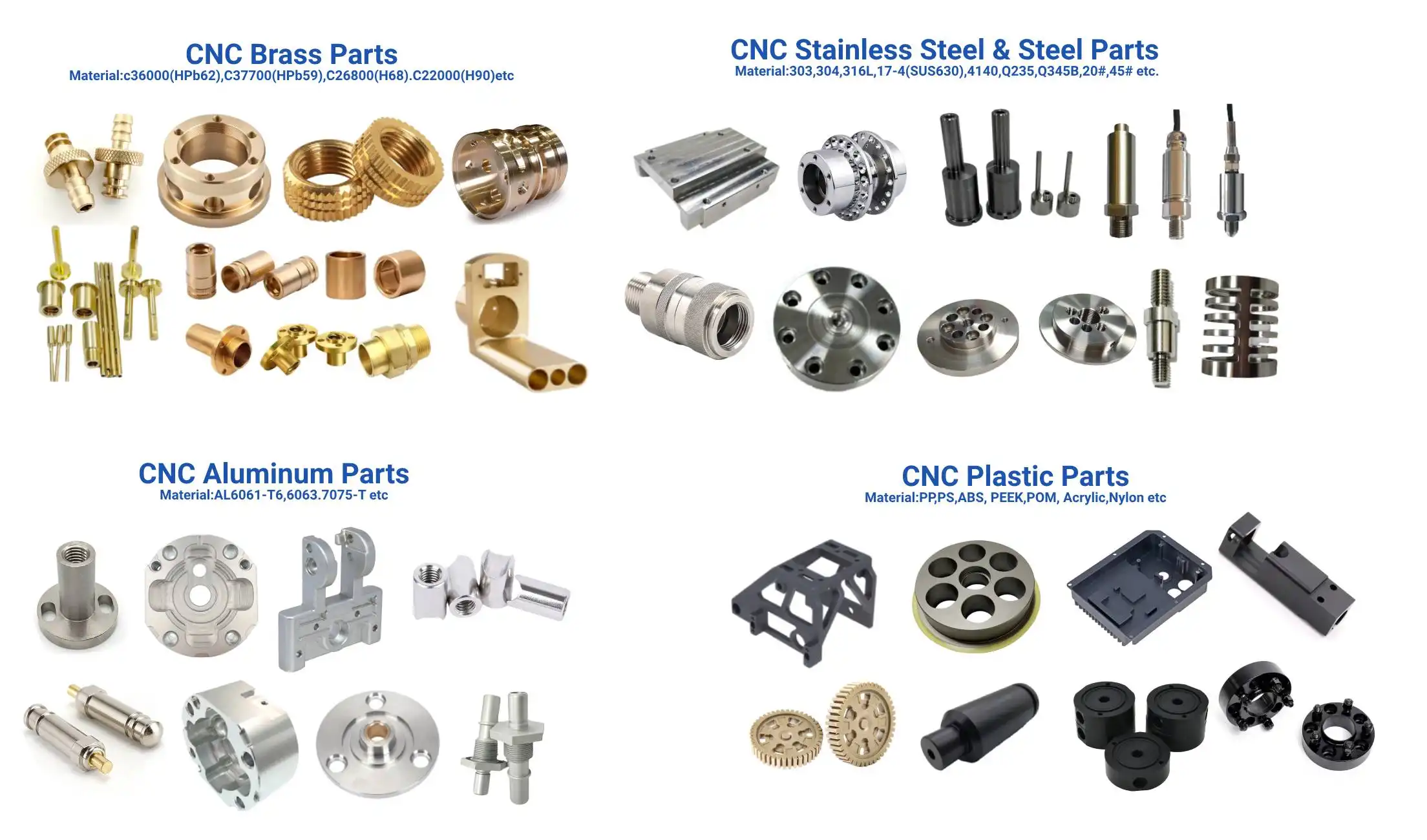
Understanding Metal Shaft Parts and Their Material Requirements
What Are Metal Shaft Parts and Where Are They Used?
Metal shaft parts are the backbone of both rotating and linear motion systems. They carry power and hold loads in many different types of mechanical assemblies. These parts allow automation equipment, medical devices, aerospace systems, AI-enabled machines, and home appliances to move in sync with each other. They are used in everything from car drivetrains to robotic actuators. Choosing the right material for a shaft is an important engineering decision that can affect the whole production line. When shafts break, the costs of downtime go up very quickly. This is especially true in high-speed robotics settings where even small vibrations can mess up precise standards.
Key Material Properties That Define Shaft Performance
When choosing the right material, you have to look at a lot of qualities that affect each other. Tensile strength tells you how much weight something can hold, while hardness tells you how resistant it is to wear from constant rubbing. Corrosion resistance makes things last longer in places that are biologically hostile or wet, which is important for medical and marine uses. Machinability has a direct effect on wait times and cost efficiency in production. For example, 303 stainless steel can be machined faster than harder metals, which cuts down on CNC processing time and tool wear. In cycle loading situations, where repeated stress breaks down materials over time, fatigue resistance becomes very important. The quality of the surface finish affects friction coefficients and the compatibility of connecting parts. To get roughness levels of Ra0.8μm or lower, materials often need to be made in a certain way so they can be polished or ground easily. By understanding how these factors affect each other, tech teams can rank the qualities that are most important for their individual needs.
Engineering Considerations Influencing Material Selection
Conditions in the real world put limits on operations that can't be predicted by lab specs alone. Different types of loads—axial, radial, rotational, or a mix of the four—require different minimum strengths and grain patterns. The rate of rotation affects how much heat is produced and how much things expand or contract when heated. Materials used in high-RPM applications need to have stable physical qualities across a wide range of temperatures. Depending on the environment, normal carbon steel may not be enough to stop rusting and pitting, while speciality stainless metals may be needed. Material choices are often influenced by surface finish needs more than procurement managers think at first. For parts that need mirror finishes or certain coating compatibility, you need materials that clean evenly without showing holes or other imperfections. Precision hardware often needs dimensions that are accurate to within ±0.01mm. To make this possible, the materials must be easy to machine and have little internal stress that could cause warping after processing.
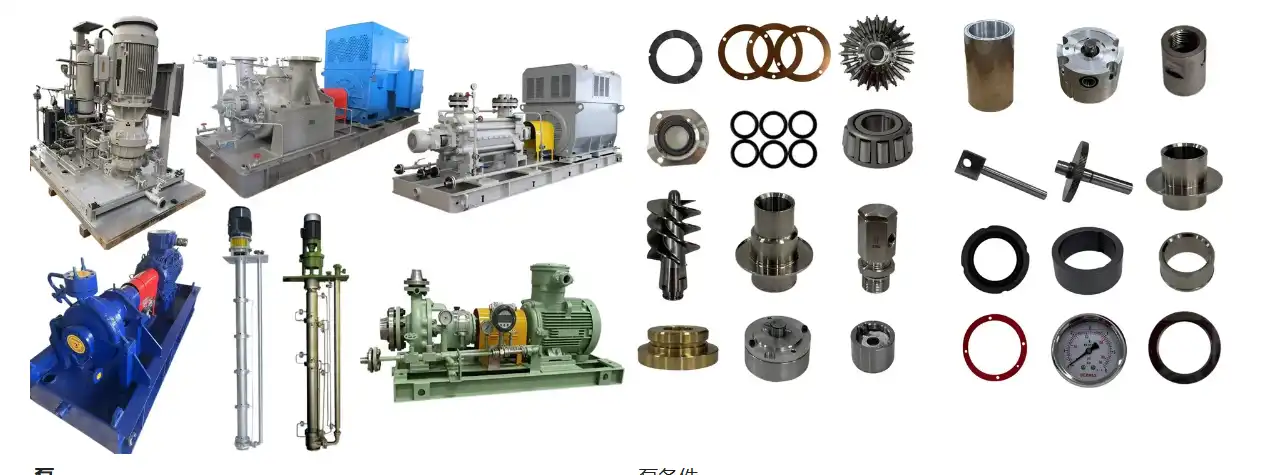
Exploring the Best Materials for Metal Shaft Parts
Overview of Common Metal Materials for Shaft Applications
The main types of materials used to manufacture the metal shaft part are different grades of steel, each engineered for specific performance requirements. Carbon steel offers excellent strength for its cost, but lacks corrosion resistance without protective coatings. Alloy steels incorporate additional elements such as chromium, molybdenum, and nickel to enhance hardness and wear resistance, making them suitable for high-stress applications requiring heat treatment capability. Stainless steel types are used most often in fine metal making because they don't rust and look good. When it comes to general-purpose qualities, Type 304 stainless steel is great. It can be shaped and welded easily, but it is harder to machine than free-machining types. Type 316 stainless steel has molybdenum added to it to make it more resistant to cracking in salt settings. This makes it the best choice for tools used in the marine and chemical industries. Adding sulphur to Type 303 stainless steel makes it much easier to machine, which leads to faster production processes and better surface finishes in CNC operations. Type 410 stainless steel is magnetic and gets harder after being heated, making it good for uses that need both wear resistance and mild rust protection.
Steel Versus Aluminum: Strength, Weight, and Cost Analysis
The choice between steel and aluminium has a big impact on the project's costs and results. Steel has about three times the tensile strength of aluminium alloys, which means that it can have smaller cross-sections and higher load capacities while still being the same size. This strength benefit is very important in small systems where bigger diameter shafts can't fit because of a lack of room. Steel has a higher elastic stiffness, which means it doesn't bend as much when it's loaded. This keeps precise motion systems more accurate in their position. Aluminium's lower density (about one-third that of steel) makes it a better choice for uses that need to keep weight down, like robots and aircraft parts. Less rotary inertia lets systems accelerate and decelerate more quickly, which makes the dynamic reaction better in servo-controlled systems. Moving smaller parts can save a lot of energy over millions of operating rounds. This is especially important for mobile and battery-powered devices.
Stainless Steel Advantages in Corrosive Environments
Stainless steel types are the best choice when the climate makes parts less likely to last a long time. Stainless metals contain chromium, which forms an inactive oxide layer that fixes itself when it gets scratched. This layer prevents rusting over time without the need for external treatments. This feature is very useful for medical equipment that needs to be sterilised over and over, food processing equipment that has to deal with cleaning chemicals, and outdoor automation systems that have to deal with changes in humidity and temperature. Type 316 stainless steel works great in chloride-rich settings where other types don't. It stops pitting rust, which starts cracks that spread and eventually break the whole thing. Marine uses, seaside sites, and chemical processing equipment often require 316 material, even though it costs more. This is because repair costs are much higher than the original material inputs. Type 304 stainless steel is useful in mild exposure situations where chloride amounts stay low because it is resistant to rust, easier to find, and cheaper.
Specialty Materials for Extreme Performance Demands
Speciality materials are needed for some tasks, even though they are more expensive and harder to work with. Titanium metals have better protection to rust than stainless steel and are stronger than both steel and aluminium when compared to their weight. These qualities are used in aerospace motors, high-performance race parts, and medical implants, where the effects of failure make it worth spending more on the material. Titanium is biocompatible, which means that there are no worries about allergic reactions or tissue rejection in medical devices. This means that there are more design options for internal mechanisms. After the right heat treatment, tool steels like D2 and M2 become very hard and don't wear down easily. They are good for shafts that are constantly moving against gritty particles. Because they are so flimsy, shock loading situations need to be carefully planned around. But when used correctly, tool steel rods last ten times longer than other materials in harsh settings with a lot of wear.
Detailed Comparison of Material Properties and Performance
Durability and Fatigue Life Across Different Materials
Durability encompasses multiple failure mechanisms, and material selection for the metal shaft part directly influences each. Fatigue life—the number of stress cycles before crack initiation—depends on both material composition and surface condition. Steel alloys generally offer superior wear resistance compared to aluminium, particularly when surface treatments such as nitriding or shot peening create beneficial compressive stresses. Bearings and shaft assemblies from established manufacturers like SKF and Timken demonstrate how proper material selection and heat treatment can achieve operational lives exceeding 100 million rotational cycles in demanding industrial environments.
Corrosion Resistance and Environmental Compatibility
Environmental suitability is more than just being able to handle water. Acids, bases, and liquids can damage certain types of materials when they come into contact with chemical handling equipment. Chloride salts and air in the ocean work together to speed up electrolytic breakdown. When used at high temperatures, rusting processes happen in a very different way than when used at room temperature. When you choose materials based on the specific damaging agents in your working area, you can avoid early failures that general specs miss.
Machinability and Manufacturing Efficiency
Machinability has a direct effect on production lead times and the cost of parts, but this important factor is often missed in engineering specs. Type 303 stainless steel is about 78% as easy to machine as free-cutting mild steel, but type 316 stainless steel is only 45% as easy to machine. When working with 316 vs. 303 material, this difference means that cutting takes twice as long and tools wear out three times as quickly. This has a big effect on production capacity and costs per piece.
Weight and Dimensional Considerations in Precision Applications
Precision motion systems need materials that don't change size much when the temperature does, and they also need materials with low thermal expansion factors. Aerospace uses materials that have been tested and shown to work at temperatures ranging from cryogenic to 200°C. This makes sure that the materials stay in the right place no matter what the temperature is. The accuracy of CAD models rests on assumptions about the properties of the materials being used. For example, designs that were optimised for steel bending characteristics may have unexpected compliance if aluminium is used instead without recalculating.
Procurement Tips for Selecting and Buying Metal Shaft Parts
Matching Material Properties to Application Requirements
Turning working needs into material specs is the first step to successful buying. For high-load situations, materials need to have yield strengths that are higher than the maximum stress estimates by the right safety factors, which are usually 2:1 to 4:1, based on how bad the failure would be and how the load changes. When materials are loaded and unloaded in cycles, they need to have wear curves that show their endurance limits at the expected stress levels and cycle numbers.
Evaluating Supplier Certifications and Quality Standards
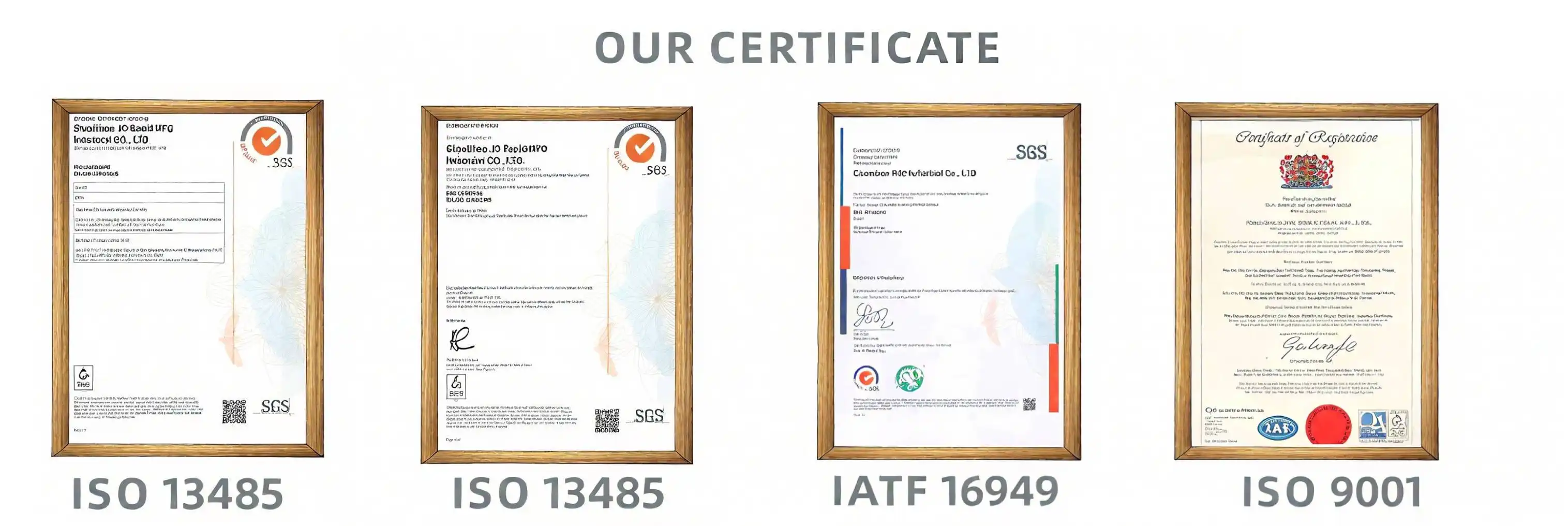
Supplier licenses show that a company can make things and is committed to quality. With ISO 9001:2015 approval, you can show that you have well-thought-out quality management systems that cover things like design rules, process validation, supply management, and methods for ongoing improvement. Even though ISO approval doesn't promise perfect parts, it does show that quality problems are found and fixed in a planned way before they reach clients. RoHS compliance approval makes sure that materials meet environmental limits on dangerous substances. This is becoming more and more necessary for goods that want to sell in Europe and North America.
Navigating Lead Times, Pricing, and Custom Fabrication
Lead time management is what separates good buying from always having to rush things. Standard catalogue parts from major sellers usually ship within days, but custom-made shafts can take weeks to months, based on how complicated they are and how much time the supplier has available. Procurement teams should be able to tell the difference between true unique designs that need to be reviewed by engineers and standard measurements that can be scheduled for production normally. Many suppliers keep common diameter and length pairs in stock and can offer custom material grades or surface finishes without full custom wait times.
Brand Reputation and Supplier Reliability
When you build relationships with suppliers of metal shaft parts based on trust and consistent performance, you gain value beyond individual transactions. Established suppliers understand customer requirements and may suggest design modifications or cost reductions even before being asked. These partnerships streamline procurement by simplifying quoting processes, ensuring more predictable quality outcomes, and providing responsive technical assistance for application challenges.
Maintenance and Quality Assurance for Metal Shaft Parts
Inspection Protocols and Dimensional Verification
Systematic checking processes find problems before they get in the way of activities. When incoming inspections happen, they should use measured micrometres, bore gauges and coordinate measuring machines that can resolve errors of 0.01mm to check that important measurements are correct. Profilometers are used to measure the surface finish and make sure that the roughness standards are met. This is especially important for bearing joints and sealing surfaces where variations can make them less useful. Visual inspection finds flaws on the surface that can't be seen in measurement data, like scratches, flaking, discolouration, or machine chatter marks that show problems with the process control. Inspectors with a lot of experience can spot warning signs like odd finish patterns that mean the tools are worn out, discolouration that means the heat treatment wasn't done right, or geometric flaws that mean the process wasn't done right. Rejecting bad batches before they are installed stops multiple failures and keeps customer relationships strong.
Lubrication and Surface Treatment Best Practices
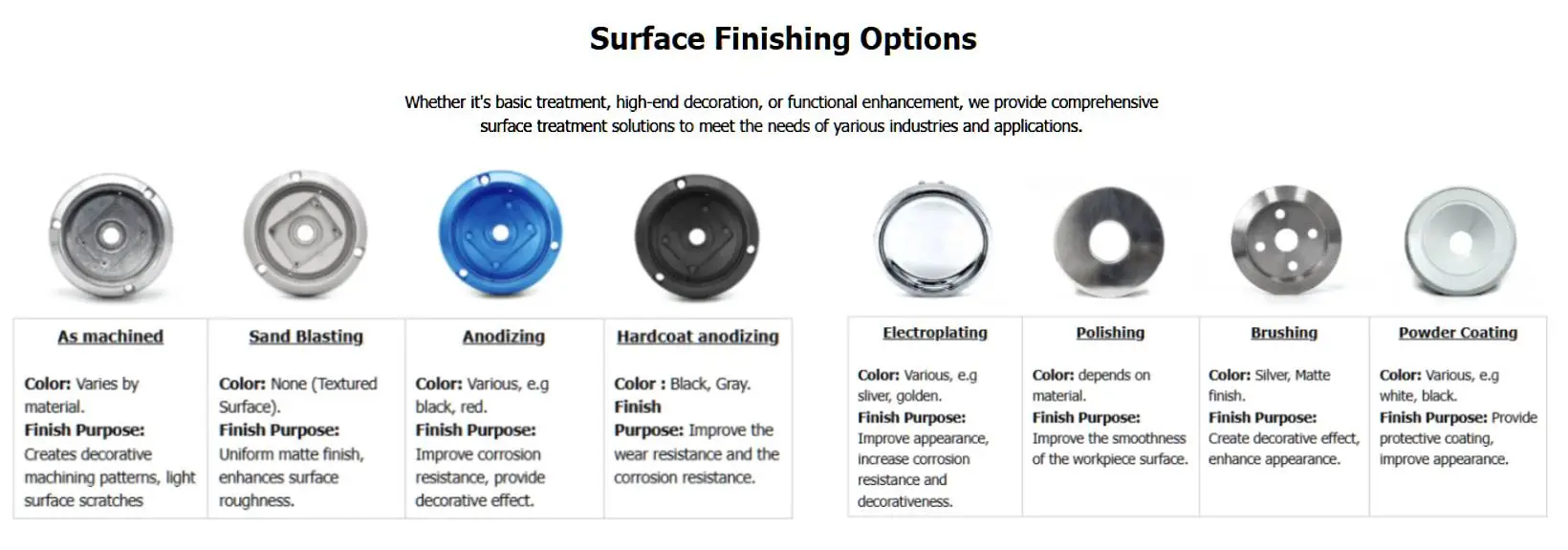
By reducing metal-to-metal touch and removing frictional heat, proper greasing greatly increases the life of a shaft. The choice of lubricant relies on the speeds, loads, temperatures, and harmony with the surroundings. When working at high speeds, low-viscosity oils are needed to keep the film thickness even when centrifugal forces are present. On the other hand, high-viscosity greases are better for highly loaded low-speed uses because they provide border lubrication under extreme pressures. Lubricants are limited even more by environmental rules and their ability to work with seal materials. Surface processes improve the qualities of the base material by protecting it from rust, making it more resistant to wear, or making it look better. Electroplating puts down thin coats of metal. Chrome makes things harder, nickel keeps them from rusting, and zinc protects them in case something goes wrong. Anodising adds controlled rust layers to aluminium parts, which makes them more resistant to wear and gives you more colour choices. Electrophoresis covering puts even layers of organic matter into hollow areas, protecting against rust completely with little change to the shape.
Common Failure Modes and Early Detection Strategies
Material selection errors manifest through predictable failure patterns. Corrosion failures show surface pitting, rust staining, or general material loss progressing from environmental exposure. Fatigue failures originate from stress concentrations—shoulders, keyways, or diameter transitions—propagating cracks perpendicular to stress directions until sudden fracture occurs. Wear failures exhibit dimensional loss, surface scoring, or galling where inadequate lubrication or excessive loads exceed material capabilities. Early detection programs identify degradation before catastrophic failures interrupt operations. Vibration monitoring detects imbalance or misalignment from wear progression, trending toward alarm thresholds as damage accumulates. Oil analysis identifies wear particles indicating active degradation, with particle morphology and composition revealing failure mechanisms and component sources. Thermal imaging locates hotspots indicating inadequate lubrication or impending seizure.
Precision Measurement and Quality Control Standards
Maintaining dimensional integrity throughout operational life requires robust measurement capabilities. Coordinate measuring machines (CMMs) verify complex three-dimensional geometry with micron-level accuracy, documenting conformance to CAD specifications. Dedicated shaft measurement systems rapidly assess diameter variation, straightness, and surface finish along entire shaft lengths, providing comprehensive characterisation impossible with manual instruments. Tolerance analysis tools evaluate dimensional stackup effects, predicting assembly behaviour from individual component variations. Statistical process control charts track manufacturing trends, detecting gradual process drift before out-of-specification parts are produced. These quality tools transform inspection from accept/reject gatekeeping into process improvement engines that continuously enhance capability.
Conclusion
Selecting optimal materials for metal shaft parts requires balancing mechanical properties, environmental compatibility, machinability, and cost considerations against your specific application demands. Stainless steel grades—particularly 304, 316, 303, and 410—dominate precision hardware applications due to their corrosion resistance and dimensional stability. Steel alloys provide superior strength-to-weight ratios for high-load scenarios, while aluminium components reduce inertia in dynamic systems. Procurement success depends on matching material capabilities to operational requirements while partnering with certified suppliers and maintaining rigorous quality standards. Understanding these material fundamentals empowers engineering and procurement teams to specify components that deliver reliable performance throughout demanding operational lifecycles.
FAQ
What is the best all-around material for shaft applications?
Type 304 stainless steel serves as the most versatile all-around material for general shaft applications, offering excellent corrosion resistance, adequate strength for moderate loads, and reasonable machinability. Its widespread availability and moderate cost make it suitable for indoor automation equipment, consumer products, and general industrial machinery where extreme conditions don't exist. Applications requiring enhanced corrosion resistance should upgrade to 316 stainless steel, while high-wear scenarios benefit from hardened 410 stainless steel or tool steel grades.
Can aluminum shafts replace steel in industrial equipment?
Aluminium shafts successfully replace steel in weight-sensitive applications where strength requirements fall within aluminium's capabilities. Robotics, aerospace actuators, and portable equipment benefit from aluminium's one-third density advantage, enabling faster acceleration and reduced energy consumption. The strength trade-off necessitates larger diameters or careful stress analysis confirming adequate safety margins. Aluminium's lower elastic modulus increases deflection under load compared to steel equivalents, potentially affecting precision positioning accuracy in tight-tolerance assemblies.
How does surface finish affect shaft performance?
Surface finish profoundly influences friction, wear rates, and fatigue life in metal shaft parts. Smoother finishes below Ra0.8μm reduce friction coefficients in sliding applications while providing better sealing surface contact. Bearing journals require specific roughness ranges—typically Ra0.8μm to Ra1.6μm—that retain lubrication films while minimising contact stress. Surface irregularities concentrate stress, serving as fatigue crack initiation sites that dramatically reduce component life. Corrosion resistance improves with smoother finishes that eliminate crevices trapping corrosive media. Specifying appropriate surface finish requirements based on application function optimises both performance and manufacturing cost.
Partner with Junsion for Precision Metal Shaft Components
Dongguan Junsion Hardware Co., Ltd. manufactures customised metal shaft parts engineered to your exact specifications with tolerances to ±0.01mm and surface finishes achieving Ra0.8μm or finer. Our 1,600 square-meter facility houses 32 advanced CNC machines capable of turning, five-axis machining, and precision stamping across 316, 304, 303, and 410 stainless steel materials. We serve procurement managers seeking reliable metal shaft part suppliers who combine ISO 9001:2015 certified quality systems with RoHS-compliant manufacturing and rapid response times. Our engineering team provides consultative support throughout material selection, leveraging extensive experience across automation equipment, vehicle components, medical devices, aerospace systems, AI applications, home appliances, and robotics. Contact our technical specialists at Lock@junsion.com.cn, echo@junsion.com.cn, or evelyn@junsion.com.cn to discuss your precision hardware requirements and receive customised quotations backed by quality assurance and on-time delivery commitments.
References
1. Boyer, H.E., and Gall, T.L. (1985). Metals Handbook: Desk Edition. American Society for Metals, Materials Park, Ohio.
2. Budinski, K.G., and Budinski, M.K. (2010). Engineering Materials: Properties and Selection (9th Edition). Pearson Education, Upper Saddle River, New Jersey.
3. Davis, J.R. (1995). Stainless Steels: ASM Speciality Handbook. ASM International, Materials Park, Ohio.
4. Juvinall, R.C., and Marshek, K.M. (2011). Fundamentals of Machine Component Design (5th Edition). John Wiley & Sons, Hoboken, New Jersey.
5. Shigley, J.E., Mischke, C.R., and Budynas, R.G. (2004). Mechanical Engineering Design (7th Edition). McGraw-Hill, New York.
6. Society of Automotive Engineers (2018). SAE Ferrous Materials Standards Manual. SAE International, Warrendale, Pennsylvania.