




Why Are Metal Shaft Parts Critical in Mechanical Systems?
Metal shaft parts are the most important part of mechanical power transfer. They turn energy into a controlled spinning motion that can be used in a huge range of industry settings. These carefully designed parts have a huge responsibility: they have to be able to handle constant pressure loads, keep their shape, and keep working properly even when they are under a lot of stress. Even the most complex machines in automation equipment, medical devices, or aircraft systems would fail horribly without shaft components that you can count on. They are very important because they carry loads and connect motors to output devices. They make sure that torque is transferred smoothly and that alignment errors stay as low as ±0.01mm in high-precision settings
Understanding Metal Shaft Parts: Definition, Types, and Key Materials
What Are Metal Shaft Parts and Their Core Functions?
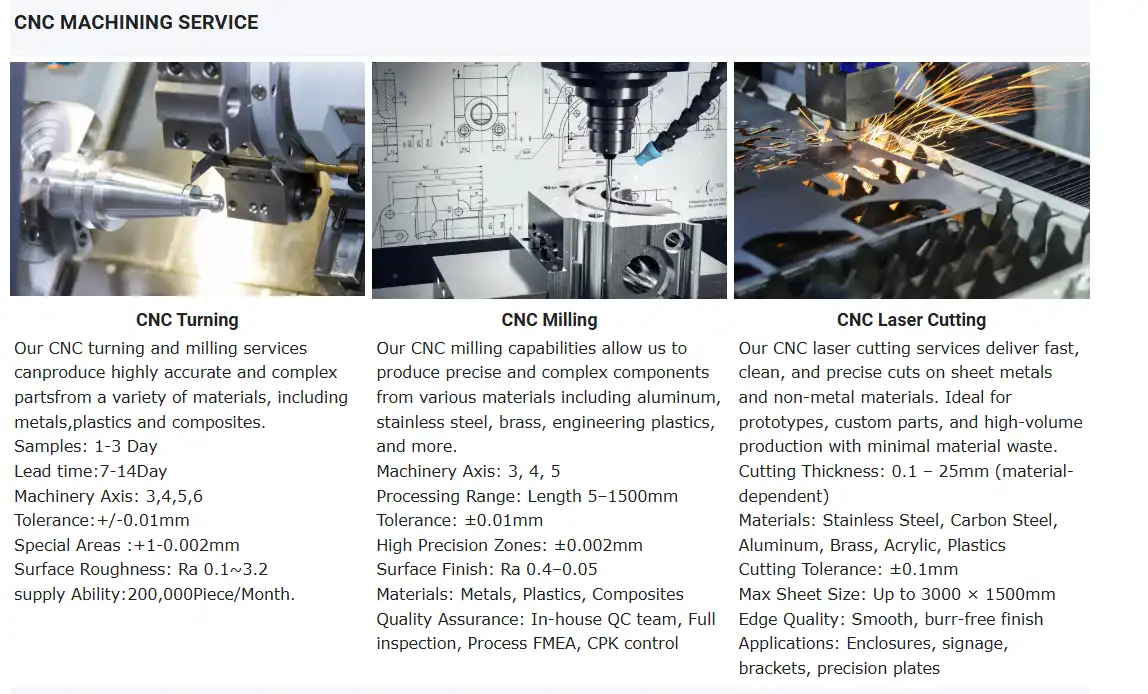
Metal shaft parts are cylinder-shaped or stepped mechanical parts that are used to transmit circular motion and force between machine parts that are linked. These precise parts are used in a wide range of things, from car gears to robotic joint motors. Their main job is to turn spinning energy input into controlled mechanical output while keeping the structure's stability under constant cycle loads. These parts have to be able to withstand bending moments, rotational stress, and axial pressure all at the same time. This is a difficult mix that needs careful material choice and manufacturing precision.
Common Shaft Types and Their Specific Applications
In the area of mechanical engineering, there are different types of shaft designs, each of which is best for a certain set of practical needs. For high-torque uses in big machinery and industrial equipment, solid shafts are the best choice because they are simple and very strong. Hollow shaft designs keep strength-to-weight ratios acceptable while reducing weight. This is especially useful in aircraft and robots, where reducing mass directly affects performance. Stepped shafts have changes in width that make room for bearing seats and gear plates, which are popular in motor housings and gearbox systems. Keyed shaft versions have lengthwise holes that send positive force to pulleys and joints. This keeps them from slipping when they're under a lot of weight.
Material Selection: Stainless Steel Grades and Their Properties
Material choice directly impacts shaft efficiency, life, and rust protection. Stainless steel types are used in most precision uses because they have great mechanical qualities and can last for a long time in harsh environments. Grade 316 stainless steel is the best at resisting rust in sea and chemical processing settings. This is why medical tools and food processing equipment can't work without it. Type 304 stainless steel is a good choice for general industrial processing equipment and consumer electronics because it is both cheap and resistant to rust. The 303 grade makes it easier to machine when CNC turning, which lets you get closer to specs and better surfaces with a hardness level of Ra0.8¼m. While 410 stainless steel is chosen for high-wear uses in car parts and industrial cutting tools because it is harder after being heated.
When choosing between carbon steel and alloy steel, you have to choose between strength and resistance to rust. Grades of carbon steel like AISI 1045 have good mechanical strength and are cost-effective, but they need to be treated on the outside to keep them from rusting. Heat treatment improves the mechanical qualities of alloy steels that contain chromium, molybdenum, or nickel. This lets them be used in high-temperature aircraft and power generation applications.
Critical Design and Manufacturing Considerations for Metal Shaft Parts
Industry Standards Governing Shaft Manufacturing
When manufacturing precision metal shaft part components, strict international standards ensure interchangeability and reliability across global supply chains. ISO 286 defines tolerance classes for dimensional accuracy, with IT6 through IT8 grades typically specified for bearing seats requiring interference fits. DIN 748 establishes guidelines for shaft diameters and keyway dimensions, ensuring compatibility with standardized bearings and couplings. ASTM A276 specifies chemical composition and mechanical property requirements for stainless steel bar stock used in shaft fabrication, ensuring material consistency across batches. For procurement, verifying that suppliers can provide material test reports and dimensional inspection records aligned with these standards is essential for quality assurance and regulatory compliance. Additionally, requesting a capability statement showing which tolerance grades the supplier regularly achieves (e.g., IT6 on diameter) helps match their process capability to your design requirements without unnecessarily over-specifying.
When purchasing managers look for parts for international manufacturing operations, these standards are very important. When we ask for a shaft with a range of ±0.01mm, we're asking for precision that stops bearings from failing too soon, lowers vibration, and makes maintenance times longer. Following the RoHS rules protects the environment, which is especially important for technology and consumer goods going to markets in Europe and North America.
Advanced Machining Processes for Shaft Production
Today, complex grinding methods are used to make shafts that meet the exacting standards needed by industrial equipment, medical devices, and aircraft systems. CNC turning is the main way that things are made. Carbide tools are used to remove material while keeping the concentricity within micron-level standards. Five-axis machining lets you make complicated shapes like eccentric profiles, spiral loops, and angled mounting features without having to set them up more than once, which cuts down on placement mistakes over time.
Centerless grinding gives the surface finish that is needed for bearing journals and seal surfaces. It achieves a hardness of 0.8μm, which lowers friction and stops wear from happening too soon. Precision grinding processes make keyways, flats, and cross-holes that are precisely placed to make sure that power is transferred correctly. It is possible to make a lot of smaller shaft parts for home products and consumer electronics using stamping methods, which are cost-effective and keep good quality.
Heat Treatment and Surface Enhancement Techniques
Heat treatment changes the composition of shaft materials, making them much harder, more resistant to wear, and stronger over time. For high-wear situations, through-hardening processes raise the surface hardness to 55–60 HRC. Case-hardening methods, such as carburising, make an outer shell that is hard over a tough core, which is perfect for impact-resistant shafts in building and farming equipment.
Options for surface finishing let you change the performance qualities of the shaft even more. Electroplating hydraulic cylinder rods with hard chrome makes them less likely to wear out and lowers their friction coefficients. The nitriding process spreads nitrogen into the top layer, making it very hard without changing its shape. This is useful for making accurate rods for medical imaging equipment. In AI intelligent systems, anodising aluminium shaft parts protects them from rust while keeping their electrical insulation qualities. Electrophoresis coating covers complicated shapes evenly and protects car drive shafts from damage caused by road salt and the environment.
Quality Control Protocols Ensuring Reliability
Strict checking processes make sure that the produced shaft components meet the standards. Coordinate measuring tools are used to ensure that the diameter, length, and concentricity limits are correct across the whole shaft shape. Profilometers are used to check the surface roughness and make sure that bearing surfaces have the required Ra0.8μm finish, which stops wear from speeding up. Hardness testing shows that the heat treatment worked, and Rockwell or Vickers measures show that the material's features meet the design requirements.
In batch inspection procedures, material certificates are looked at to make sure that the chemical make-up and mechanical qualities are correct and can be traced back to approved mill test results. Magnetic particle inspection and other non-destructive testing methods can find surface cracks or breaks in the material that could lead to wear failures. These quality control steps cut down on operating failures and increase service life, which directly saves end users money on repair costs and unplanned downtime.
Comparing Metal Shaft Parts With Alternatives: Why Metal Is Often Preferred
Metal Versus Plastic Shaft Components
When people argue about what material to use, they often compare metal and polymer options. Each has its own benefits that depend on the needs of the application. Metal rod components are the most common in high-stress situations because they have better tensile strength, stiffness, flexibility, and temperature resistance. At temperatures above 400°C, a stainless steel shaft stays the same size, but most industrial plastics break down above 150°C. Metal shafts can hold a lot more weight than their plastic counterparts, which is important for big industrial tools and power transfer equipment.
Plastic rods can be useful in some situations. Their lower density lowers drag in high-speed uses, and they don't need to be treated on the outside to prevent rust. When making a lot of market things with light loads, cost benefits show up. Plastic isn't as good at resisting wear and can creep under long-term loads, so it's not good for accurate automation equipment or long-lasting industrial uses.
Stainless Steel Versus Carbon Steel Trade-offs
When choosing between stainless steel and carbon steel for metal shaft part components, you must weigh performance against cost. Stainless steel shafts are more expensive but provide corrosion resistance essential for medical devices, food processing equipment, and marine applications. Grade 316, with its molybdenum content, offers exceptional resistance to chloride-induced pitting, making it indispensable in filtration systems and offshore equipment.
Alternatives to carbon steel have higher tensile strength per dollar, and if the surface is properly treated, it can last longer in controlled settings. By chrome coating carbon steel rods, you can make them harder than stainless steel types while keeping the cost low. Any damage to the covering, on the other hand, leaves the base open to rust, which means more upkeep is needed than with solid steel construction. For purchasing managers, figuring out the total lifetime costs means comparing the original savings on materials to the number of times they might need to be replaced and the time the system will be down.
Surface Treatment Options Enhancing Performance
Surface engineering methods make shaft components more useful than just the qualities of the base material. Hard chrome coating covers up worn areas during remanufacturing and keeps hydraulic parts from getting scratched. Nitriding processes make surface layers that are up to 70 HRC very hard without distorting their shape. These are perfect for precision shafts in aircraft actuator systems. The phosphate layer creates a porous surface that keeps oils in, which lowers the amount of wear that happens when gearbox shafts are first used.
Polishing to mirror ends below Ra0.2µm lowers the amount of fluid friction in high-speed rollers and lowers the amount of particles made by sterile production equipment. Sandblasting makes controlled surface shapes that help glues or coatings stick better. These surface processes let engineers improve shaft performance for certain working conditions without changing the makeup of the core material. This gives engineers the freedom to make changes that meet the needs of a wide range of applications in the transport, communications, and electronics industries.
Procurement Insights for B2B Buyers: How to Source Reliable Metal Shaft Parts
Evaluating Manufacturers and Supplier Capabilities
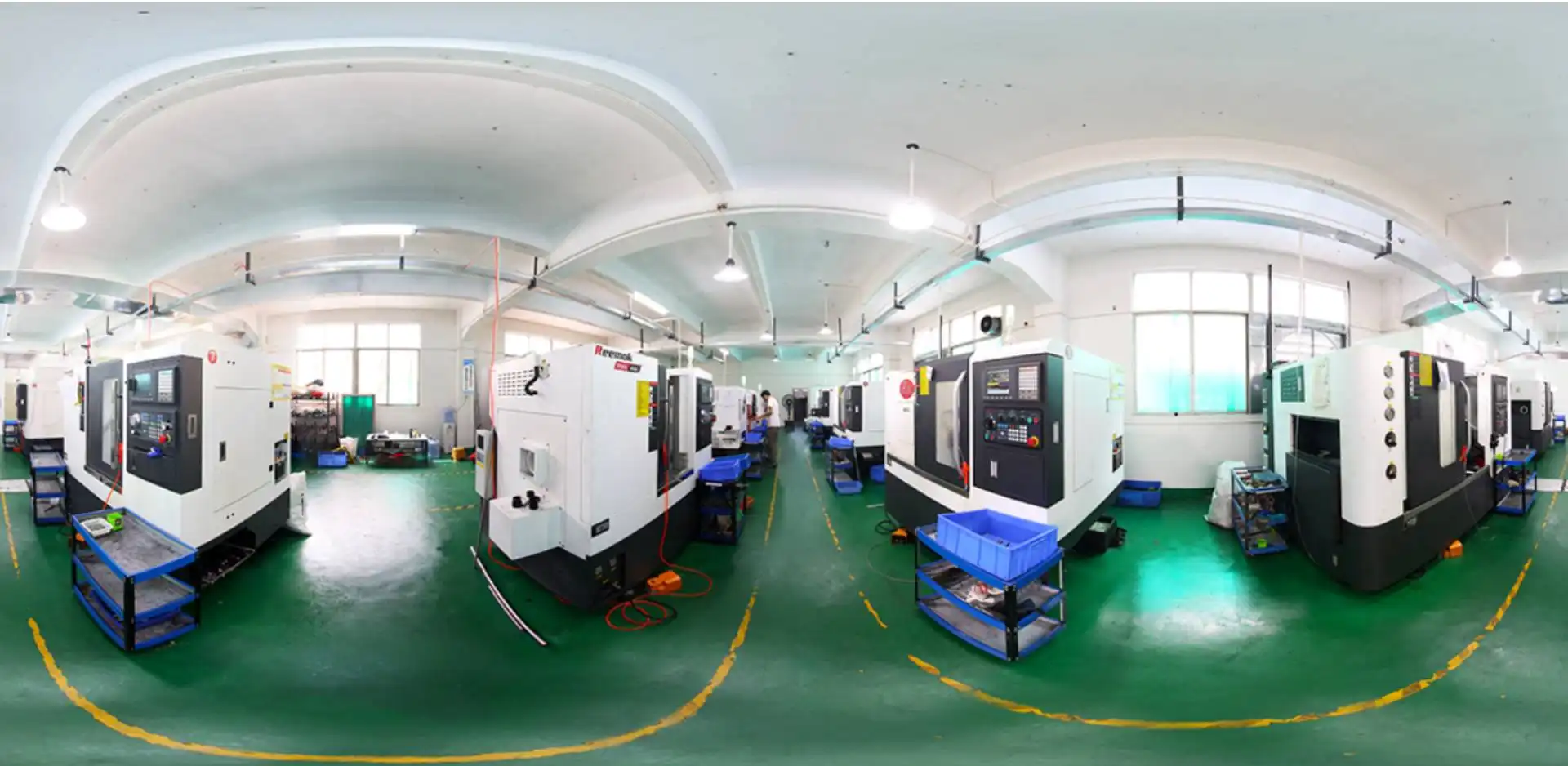
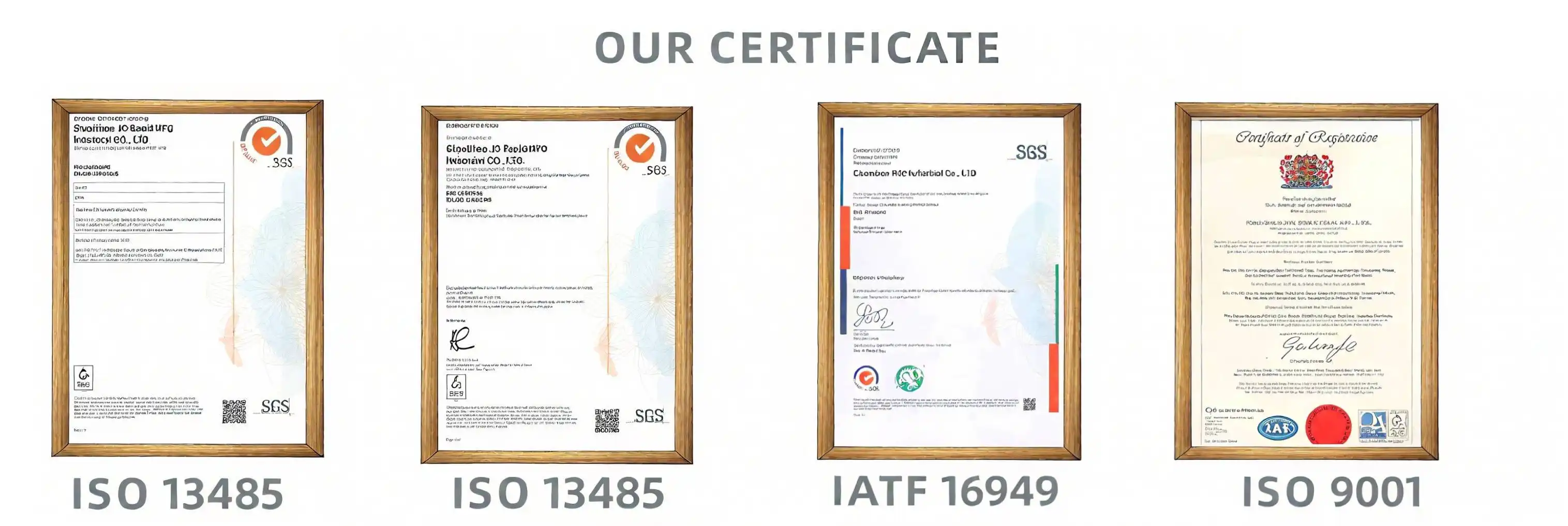
Sourcing high-quality shaft components requires thorough supplier assessment beyond price comparison. B2B buyers should verify manufacturing certifications, including ISO 9001:2015 quality management systems and RoHS compliance documentation. Production capacity matters—suppliers with modern CNC equipment fleets can maintain tighter tolerances and faster turnaround times than shops relying on conventional machinery. A manufacturer operating 32 or more advanced machines typically demonstrates the scale necessary to support consistent production runs while accommodating custom OEM/ODM requirements.
Engineering support capabilities distinguish premium suppliers from commodity producers. Look for partners offering design collaboration, material recommendations, and application-specific optimization. The ability to produce prototype quantities with short lead times accelerates product development cycles, particularly valuable for companies developing next-generation automation equipment or AI intelligent systems. Geographic considerations affect logistics—domestic suppliers offer communication advantages and shorter supply chains, while international sources may provide cost benefits for high-volume standard components.
OEM Collaboration and Customization Advantages
Custom shaft manufacturing addresses application-specific requirements that standard catalog parts cannot satisfy. OEM partnerships enable dimensional customization matching unique assembly constraints—critical when integrating components into proprietary medical devices or aerospace systems. Material selection flexibility allows optimization for operating environments, whether specifying 316 stainless steel for corrosive chemical processing or 410 grades for high-hardness cutting applications.
Customization extends to surface treatments, with options including specialized coatings for extreme temperature resistance or biocompatible finishes for implantable medical devices. Tolerance specification flexibility permits cost optimization—specifying tighter tolerances only where functionally necessary reduces manufacturing costs without compromising performance. Volume flexibility accommodates both prototype development and production scaling, supporting product lifecycle evolution from initial testing through mass manufacturing.
Pricing Factors and Procurement Strategies
Multiple variables influence shaft component pricing, requiring informed negotiation approaches. Material selection drives base costs, with specialty stainless grades commanding premiums over standard carbon steels. Machining complexity scales with geometric intricacy—five-axis operations for complex profiles cost more than simple turning operations. Tolerance requirements exponentially affect pricing; moving from ±0.05 mm to ±0.01 mm tolerances may double machining time through additional grinding operations and inspection procedures.
Order volume dramatically impacts unit pricing through setup amortization and material purchasing economies. Procurement managers should forecast annual requirements to negotiate volume discounts while maintaining inventory flexibility. Requesting detailed cost breakdowns reveals opportunities for value engineering—perhaps accepting slightly relaxed tolerances on non-critical dimensions or consolidating multiple components into efficient production lots. Building long-term supplier relationships encourages investment in process optimization that benefits both parties through improved quality and reduced costs.
Logistics Management and Inventory Practices
Effective supply chain management for metal shaft part components ensures availability without excessive inventory costs. Understanding lead times prevents production disruptions—custom shafts typically require 3-6 weeks from order to delivery, depending on complexity and supplier workload. Safety stock calculations should account for demand variability and supplier reliability, with critical components warranting higher buffer inventories.
Just-in-time strategies work effectively with reliable suppliers offering consistent quality and on-time delivery. Kanban systems triggered by consumption rates automate reordering while minimizing warehouse space requirements. Vendor-managed inventory programs shift holding costs to suppliers in exchange for guaranteed purchase volumes, freeing capital for other business needs. Transportation mode selection balances speed against cost—air freight for urgent prototype needs versus ocean or ground shipping for production volumes where lead times permit.
Advantages of Metal Shaft Parts in Enhancing Mechanical System Reliability
Superior Strength and Precision Enabling Optimal Performance
Metal shaft components deliver the mechanical strength essential for reliable power transmission in demanding industrial environments. Stainless steel grades withstand tensile stresses exceeding 500 MPa while maintaining elastic behavior, ensuring dimensional stability under cyclic loading. This strength enables compact machine designs—smaller diameter shafts transmit equivalent torque compared to weaker materials, reducing overall equipment footprint and weight.
Precision manufacturing capabilities achieve the tight tolerances necessary for proper bearing function and vibration control. Maintaining shaft runout below 0.01mm ensures bearing loads distribute evenly across rolling elements, preventing premature failure from edge loading. Surface finish quality directly affects friction coefficients and seal effectiveness—Ra0.8μm roughness minimizes power losses while preventing lubricant leakage that causes contamination in cleanroom manufacturing environments.
Versatility Across Diverse Industrial Applications
The adaptability of precision shaft components spans remarkably diverse industries and operating conditions. Automotive drivetrains rely on heat-treated alloy steel shafts transmitting hundreds of horsepower through compact transmission housings. Aerospace actuation systems demand lightweight titanium or high-strength stainless shafts operating reliably across temperature extremes from -55°C to 200°C. Medical imaging equipment employs non-magnetic stainless steel shafts in MRI-compatible motorized positioning stages, avoiding interference with sensitive diagnostic equipment.
Robotics applications showcase shaft versatility through combinations of hollow construction for cable routing, precision ground surfaces for encoder mounting, and customized end geometries for gripper attachment. Home appliances use cost-optimized carbon steel shafts with decorative chrome plating, balancing performance with consumer price expectations. This broad application spectrum demonstrates how proper material selection and manufacturing techniques adapt shaft components to virtually any mechanical power transmission requirement across consumer goods, logistics, and industrial sectors.
Long-term Cost Benefits Through Reliability and Durability
Investing in premium shaft components yields substantial lifecycle cost advantages despite higher initial pricing. High-quality metal shaft parts manufactured to precise tolerances reduce vibration and noise, extending bearing life by 50-100% compared to loosely-toleranced alternatives. Superior surface finishes minimize wear, reducing maintenance intervals and extending service life—particularly valuable in inaccessible installations like sealed gearboxes or embedded automation equipment.
Failure prevention delivers the most significant cost benefit through avoided downtime. Unplanned production stoppages in automotive manufacturing or pharmaceutical processing cost thousands of dollars per hour, dwarfing component replacement expenses. Reliable shaft components manufactured from appropriate materials and finished to demanding specifications prevent these costly interruptions. Reduced maintenance labor further compounds savings—equipment running smoothly between scheduled maintenance windows requires fewer technician hours, freeing skilled personnel for value-adding activities rather than reactive troubleshooting.
Conclusion
Metal shaft parts remain indispensable elements in modern mechanical systems, delivering the strength, precision, and reliability that complex machinery demands. From stainless steel grades offering corrosion resistance in medical applications to precision-ground surfaces ensuring vibration-free operation in automation equipment, these components exemplify how material science and manufacturing excellence combine to solve engineering challenges. Procurement professionals seeking shaft components must evaluate suppliers based on certification compliance, customization capabilities, and quality control rigor—factors that directly impact system performance and lifecycle costs. The advantages of properly specified metal shaft components extend beyond immediate functionality, providing long-term value through reduced maintenance, extended equipment life, and operational reliability that sustains productivity across industries ranging from aerospace to consumer electronics.
FAQ
What tolerances are achievable in precision shaft manufacturing?
Modern CNC machining and grinding processes routinely achieve dimensional tolerances of ±0.01mm on shaft diameters, with specialized grinding operations reaching ±0.005mm for ultra-precision applications. Concentricity tolerances below 0.01mm total indicator runout ensure proper bearing function and minimal vibration. Surface finish specifications down to Ra0.8μm or finer become standard for bearing journals and seal surfaces through centerless grinding techniques. These tight tolerances require temperature-controlled manufacturing environments and advanced metrology equipment, reflected in premium pricing for the highest-precision components.
How do I select between stainless steel grades for shaft applications?
Material selection depends on environmental exposure and mechanical requirements. Grade 316 stainless steel suits corrosive environments, including marine, chemical processing, and medical sterilization applications, due to molybdenum content enhancing pitting resistance. Type 304 offers excellent general corrosion resistance at a lower cost, suitable for indoor automation equipment and food processing machinery. Grade 303 provides superior machinability for complex geometries requiring intricate features, though slightly reduced corrosion resistance. Type 410 delivers higher hardness after heat treatment, ideal for wear-resistant applications, with lower corrosion immunity.
Partner With Junsion for Precision Metal Shaft Part Manufacturing
When your automation equipment, medical devices, or aerospace systems demand shaft components manufactured to exacting standards, Junsion delivers the precision and reliability your projects require. As an established metal shaft part manufacturer since 2019, we operate 32 advanced CNC machines in our 1,600-square-meter facility, producing customized components with ±0.01mm tolerances and Ra0.8μm surface finishes. Our ISO 9001:2015-certified processes and RoHS compliance ensure quality and environmental responsibility across every order. Whether you need prototype quantities for product development or production volumes supporting global distribution, our engineering team collaborates on material selection, tolerance optimization, and surface treatment specification. We manufacture shaft components from 316, 304, 303, and 410 stainless steel grades using CNC turning, five-axis machining, and precision grinding, with finishing options including polishing, anodizing, plating, and electrophoresis. Contact our technical specialists at Lock@junsion.com.cn to discuss your requirements and receive responsive quotations backed by fast delivery to over 20 countries worldwide.
References
1. Budynas, Richard G., and J. Keith Nisbett. "Shigley's Mechanical Engineering Design, 11th Edition." McGraw-Hill Education, 2020.
2. ASM International Handbook Committee. "ASM Handbook Volume 1: Properties and Selection—Irons, Steels, and High-Performance Alloys." ASM International, 2018.
3. Bhandari, V. B. "Design of Machine Elements, 4th Edition." McGraw-Hill Education, 2017.
4. Society of Automotive Engineers. "SAE J429: Mechanical and Material Requirements for Externally Threaded Fasteners." SAE International Standards, 2019.
5. Norton, Robert L. "Machine Design: An Integrated Approach, 6th Edition." Pearson Education, 2019.
6. Davis, Joseph R. "Stainless Steels: ASM Specialty Handbook." ASM International Materials Reference, 2016.