




Shaft Sleeve Buying Guide for Maintenance Engineers
Choosing the right shaft sleeve is a very important choice that has a direct effect on the reliability, working efficiency, and upkeep costs of equipment used in many commercial settings. As maintenance experts know, shaft covers protect moving parts from outside contaminants and keep them from wearing out too quickly, which extends the life of machinery. Today's industrial settings need precisely designed solutions that can meet strict accuracy standards, usually within ±0.01mm, while keeping surface roughness levels below Ra0.8μm. Advanced manufacturing methods, such as CNC machining, turning, and milling, make it possible to make unique shaft sleeves that meet specific operating needs. This ensures that a wide range of uses, from automation equipment to aircraft systems, work at their best.
Understanding Shaft Sleeves: Types, Materials, and Functions
Shaft sleeves are important parts of spinning machinery that protect expensive shaft sections from damage caused by wear, corrosion, and the environment. They do this by making a barrier that can be replaced when it gets damaged. These cylinder-shaped parts slide over existing shafts to create a protective layer that takes on practical stresses while keeping the exact size limits needed for the best equipment performance.
Primary Functions and Benefits
There are many practical benefits to using industrial shaft sleeves that make them a good choice for many factory settings. The main job is to keep the shaft surfaces from coming into direct touch with bearings, sealing elements, and other moving parts that could damage them over time by cutting, pitting, or changing their size. This protective barrier makes tools last a lot longer, which lowers the cost of replacing and keeps it working reliably.
Not only do the right shaft covers protect, but they also make sealing more effective by maintaining uniform surface finishes and dimensions. Because the surface is smooth and managed, seals can keep the right contact pressure without wearing out too quickly. This lowers the rate of leaks and makes the system work better. Also, shaft sleeves make upkeep easier because worn parts can be replaced without having to take expensive shaft systems apart or have them machined.
Common Shaft Sleeve Types
Different industrial uses need different shaft sleeve designs to deal with different operating problems and installation needs. A standard sleeve design is the most common type. It has uniform wall thickness and smooth internal areas that make fitting easy using press-fit techniques. In situations where the shaft size stays the same along the covered length, these systems work well.
Different widths are used in different step sleeve setups so that they can fit shafts with different sizes or to place specific bearing surfaces in certain places. This way of designing works especially well in pump situations where precise control is needed over the impeller's position and the size of the seal chamber. Split sleeve designs make it easier to install on completed equipment when removing the shaft is not possible or would be too expensive. They have cut separation lines that let them clamp around existing parts.
Different types of wear sleeves are made from special materials or have surface processes that make them resistant to things like rough particles, chemicals, or very high or low temperatures. These unique combinations usually have better metals or protective coatings that make them last longer in tough working situations.
Material Selection Considerations
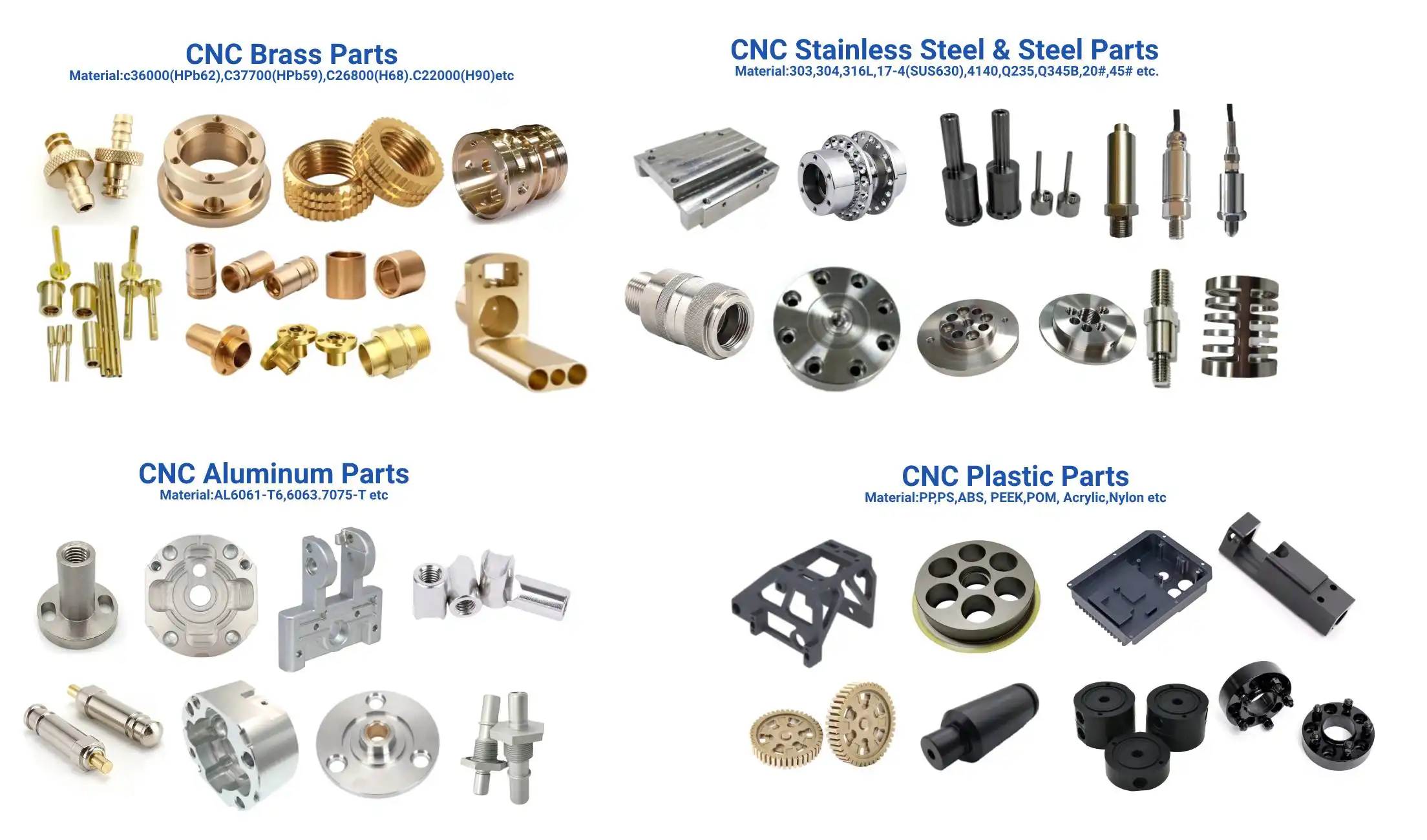
The choice of material has a direct effect on how well the shaft cover works, how long it lasts, and how well it works with other equipment systems. 304, 316, and 420 types of stainless steel are all very good at resisting corrosion while still meeting the mechanical strength needs of most industrial uses. For uses in acidic or chloride-containing settings, the 316 grade is the best choice because it is more resistant to chemicals.
Because they are lightweight, corrosion-resistant, and good at conducting heat, aluminum alloys are useful in situations where design needs to be influenced by weight reduction or heat absorption. Carbon steel choices are cost-effective for uses where corrosion isn't likely to happen and mechanical strength needs are the most important factor in the selection process.
Copper alloys and other specialized materials have special properties that make them useful in situations like marine settings or high-temperature processes. These properties include resistance to corrosion, thermal conductivity, and anti-seizing. Titanium versions, which can be ordered, offer great strength-to-weight ratios and excellent corrosion protection for use in chemical processing and aircraft.
Key Factors to Consider When Choosing a Shaft Sleeve
To choose the best shaft sleeve specs, you need to carefully look at the operational factors, environmental conditions, and performance standards. These all have a direct effect on how reliable the equipment is and how much it costs to maintain. When repair engineers know about these important factors, they can make decisions that extend the life of equipment and lower its total cost of ownership.
Dimensional Accuracy and Tolerance Requirements
Precision manufacturing lets shaft sleeves be made with limits as small as ±0.01mm, making sure they fit and work properly in tough industrial settings. Tight tolerances stop problems like grinding, shaking, and early seal failure that happen when parts don't fit together properly in terms of size. Surface roughness requirements below Ra0.8μm create the best binding surfaces and lower the wear on components that fit together.
The choice of wall thickness affects both the mechanical strength and the thermal properties of shaft covers that have been placed. Thicker walls make things last longer and better dissipate heat, but they might need bigger seal chambers or changes to the shaft. Thinner walls make retrofitting possible in places where room constraints limit the size of parts, but they may need to be replaced more often based on how badly they're used.
Environmental and Operational Conditions
Long-term safety and dependability depend on how well the materials used for shaft sleeves react with process fluids. Maintenance engineers have to look at different types of fluids, their concentrations, temperature ranges, and pressure levels in order to choose materials that won't break down and will keep their mechanical qualities for the whole projected service life. Galvanic corrosion possibility between shaft sleeve materials and current equipment parts needs to be carefully thought out to keep things from breaking down faster than they should.
The effects of changing temperatures have an impact on the choice of material and design parameters, especially when it comes to stress concentration factors and thermal expansion coefficients. For uses that involve big changes in temperature, you need materials and designs that can adapt to changes in size without causing too much stress or clearance changes that make the closing less effective.
Compliance and Quality Standards
The requirements for ISO certification make sure that the methods used to make shaft sleeves meet quality standards that are known around the world. This gives customers faith in the accuracy of the dimensions, the properties of the materials, and the consistency of the surface finish. RoHS compliance protects the environment by getting rid of dangerous materials from manufacturing processes and produced goods. This helps companies reach their sustainability goals while also meeting government rules.
Quality assurance steps, such as testing materials, checking dimensions, and validating surface finishes, provide proof to support equipment qualification methods and maintenance record needs. Advanced measuring tools let you check important dimensions and surface features, making sure they meet the requirements before they are installed.
Installation and Maintenance Best Practices
The performance of a shaft sleeve is best when it is installed correctly and maintained in a planned way. This keeps equipment running smoothly and reduces the cost of repairs. By following standard methods, you can make sure that the system will fit, work, and last as long as possible, and you will also avoid making common installation mistakes that hurt system reliability.
Installation Procedures and Techniques
Before installing a shaft sleeve correctly, the current shaft surfaces, seal chambers, and other parts that are connected must be carefully checked for any damage or differences in size that might affect how well the installation works. Preparing the surface by cleaning, deburring, and checking the dimensions makes sure that the conditions are perfect for installing the sleeve and then starting it up.
To keep the parts from getting damaged during assembly, pay close attention to the installation forces and the placement of the sleeves when using press-fit installs. During the fitting process, hydraulic or mechanical press equipment applies force in a controlled way and keeps things in the right place. Differential temperature methods, like cooling the sleeve or heating the shaft, lower the fitting forces while making sure the end fit dimensions are correct.
Split sleeve installs are useful for field service jobs where taking out the shaft is not an option. To make sure that these designs work, you need to pay close attention to how the joints are prepared, how sealant is applied, and how much torque is needed on the bolts. Joint alignment and gap control stop stress builds up that could cause the part to break before it's supposed to.
Routine Maintenance and Inspection
Systematic checking routines make it possible to find wear patterns, corrosion, or changes in size or shape that could mean something is about to break or isn't working right. Visual inspection methods find damage, coloring, or buildup of deposits on the surface that could affect performance or point out system issues that need to be fixed.
Quantitative evaluation of wear rates and leftover service life is possible with dimensional measurement programs that use precise tools. Setting standard measures during the initial installation gives you information you can use to look at trends and plan when to replace things. Regular measurement times rely on how important the equipment is and how bad the process is, but for most uses, they are between three and twelve months.
The amount of lubrication needed depends on the material of the shaft cover, the working conditions, and the way the equipment was designed. Compatible oils keep seals compatible and meet environmental safety standards while reducing friction, stopping rust, and extending service life. Choosing the right lubricant and applying it correctly will help it work at its best during repair times.
Procuring Shaft Sleeves: How to Make Informed Purchasing Decisions?
A good buying strategy strikes a balance between quality standards, delivery times, and costs, all while making sure that the seller will be reliable in the long run and offer expert support. Maintenance engineers and procurement managers can make decisions that support practical goals and budget limits when they understand key procurement factors.
Supplier Evaluation Criteria
Suppliers who have quality certifications, such as ISO 9001:2015, show that they are committed to systematic quality management and methods for ongoing growth. These licenses show that the ways things are made, how they are documented, and how they are checked for quality are all up to standards that are known around the world. Regular audits and requirements to keep a license up to date make sure that ongoing safety and performance standards are met.
Suppliers can meet strict requirements by using advanced production equipment, measurement systems, and engineering support services. They can also offer extra services like design optimization and application advice to add value to their products. Custom needs and quality assurance needs can be met with CNC cutting, precise measuring tools, and testing facilities for materials.
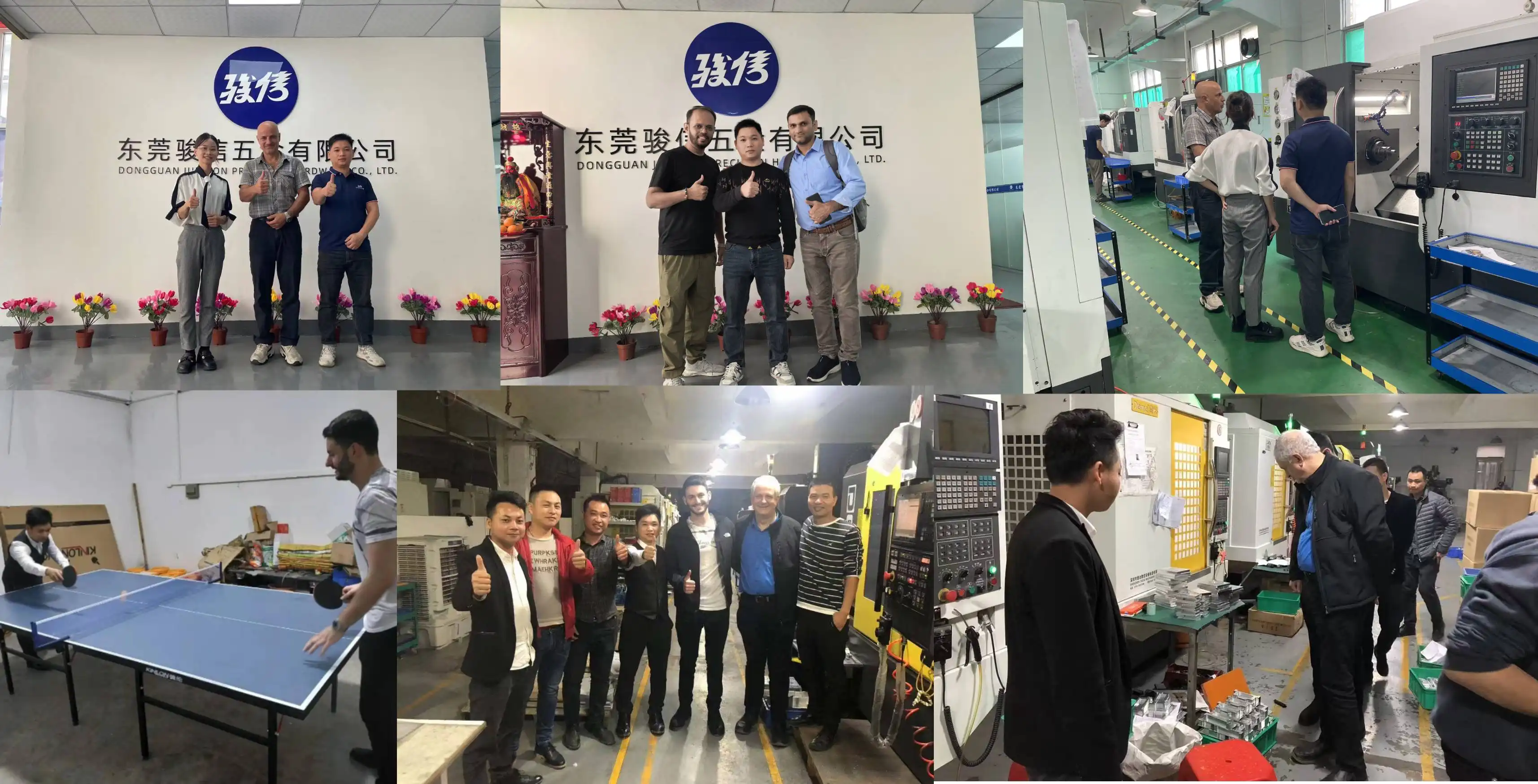
Customer examples and case studies show how well a seller performs, how reliable they are, and how quickly they respond to changes in a project. Looking at a supplier's past work in similar fields and uses can help you figure out if they can meet your unique needs and provide ongoing support throughout the lifecycle of a product.
Custom Solutions and Specifications
Custom shaft sleeve solutions are made to fit specific application needs that standard goods can't meet well. Specialized sizes, materials, or surface processes make it possible to get the best performance for certain working situations while still working with current tools. People often say that custom solutions work better and last longer than changed standard goods.
Suppliers and customers work together on design methods to make sure that specifications are correct and that the best option is chosen. Technical consulting services help figure out what the most important needs are, compare different methods, and make plans better so they can be made and work well. Specification mistakes can be avoided by using clear communication methods and writing standards.
When to buy things and how much to keep in stock are affected by lead times and the need for production planning. Custom solutions usually have longer lead times than standard goods because the plan has to be checked, materials have to be bought, and the factory has to be set up. Getting involved with sources early on helps with planning and scheduling so that projects are finished on time and up to high standards.
Our Company: Your Trusted Shaft Sleeve Partner
Since 2019, Dongguan Junsion Precision Hardware Co., Ltd. has become a top producer of precision-engineered shaft sleeves. They do this by combining advanced production techniques with thorough quality management systems to serve a wide range of industry markets. Our building is 1,600 square meters and has 32 high-tech CNC machines. These machines allow us to make unique shaft sleeves with surface roughness requirements below Ra0.8μm and tolerances of up to ±0.01mm.
Comprehensive Product Range and Capabilities
We can make shaft sleeves out of a lot of different materials, such as stainless steel types 304, 316, and 420, as well as aluminum alloys, carbon steel, copper alloys, and titanium versions that you can ask about. Complex shapes and precise measurements can be made using advanced processing methods like CNC machining, turning, and milling. These are needed for demanding applications in the automation equipment, automotive, medical, aerospace, artificial intelligence systems, home appliances, robotics, and motorcycle industries.
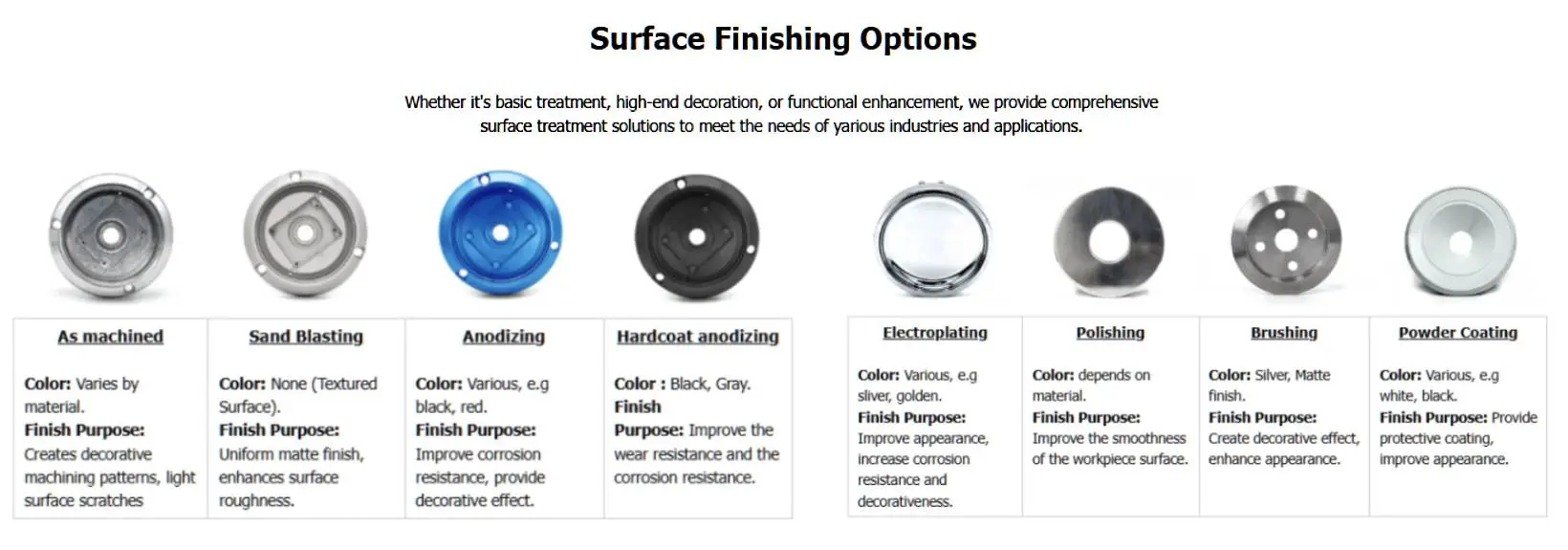
Anodizing, electroplating, sandblasting, brushing, powder coating, and heat treatment are some surface treatment choices that can improve performance while meeting specific practical and environmental needs. These treatment options let you change the qualities of wear resistance, corrosion protection, and appearance to fit the needs of a particular application.
Our plastic shaft sleeves are strong, light, and won't rust. They can be used in places where metal parts wouldn't work because of their weight, chemical compatibility, or need for electrical protection. Precision tolerances and the ability to make custom sizes guarantee that the parts fit and work correctly, and advanced finishing choices like painting, anodizing, QPQ treatment, and wire drawing improve their performance.
Quality Assurance and Certification
Our ISO 9001:2015 certification shows that we are dedicated to managing quality in a structured way and making improvements all the time in all of our industrial processes. RoHS compliance supports a company's green goals while also protecting the earth and following the rules. Testing and inspecting batches of materials on a regular basis makes sure that they are consistent and meet the requirements.
As part of our quality control processes, we use advanced measuring tools to make sure that the dimensions are correct, test the load capacity to make sure it is safe and reliable, and keep detailed records that help with tracking and analyzing performance. These procedures make sure that the quality of the products is always the same and provide proof that the equipment meets the standards for qualification and upkeep records.
Customers can get help from technical consultants to choose the best shaft sleeves and come up with the best specifications based on their unique needs and the situations in which they will be used. Our engineering team knows how to choose the right materials, make sure that dimensions are optimized, and make sure that the right surface treatments are used so that products work well and don't cost too much over their lifetimes.
Conclusion
Choosing the right shaft sleeve is an important mechanical engineering choice that has a direct effect on the reliability, working efficiency, and long-term costs of the equipment. Knowing about the different kinds, materials, and performance traits helps you make smart choices. Also, using the right installation and upkeep methods will extend the system's life and make it work better. Good buying plans that focus on quality licenses, technical skills, and a supplier's dependability make sure that you can get the best solutions that meet tough industry standards while also meeting practical goals and spending limits.
FAQ
How do I select the correct shaft sleeve material for pump applications?
The choice of material is based on a number of important factors, such as how well it works with fluids, the temperature range, the pressure conditions, and its exposure to the environment. 304 and 316 grades of stainless steel are very good at resisting rust in water-based settings, but 316 grade works better in environments with chloride. Chemical compatibility guides and technical advice services from suppliers can help you find the best materials for each pump application.
What is the difference between shaft sleeves and shaft liners?
Shaft sleeves are protective parts that can be taken off and put on top of existing shafts to make wear areas that can be replaced. Shaft liners, on the other hand, are usually integral parts that are made as part of the shaft assembly. Sleeves for shafts make upkeep and repair easier because the shaft doesn't have to be taken out. Liners, on the other hand, need to be machined off or replaced when they wear out. For certain uses, the best method is usually chosen based on cost and ease of maintenance.
Should shaft sleeve installation be performed in-house or by professionals?
The right method for each job depends on how hard it is to install and what tools are needed. Qualified support staff can do simple press-fit installations with the right tools and steps, but professional installation services may be needed for complex designs or critical uses. Technical support and installation instructions from the supplier help make sure that the right steps are taken no matter who does the work.
Partner with Junsion for Premium Shaft Sleeve Solutions
Through advanced production techniques and thorough quality control programs, Junsion makes precision-engineered shaft sleeves that meet the strict needs of modern industrial uses. Our custom solutions with ±0.01mm tolerances and Ra0.8μm surface finishes make sure that automation equipment, automobile, medical, aircraft, and robots businesses work at their best. As a reliable company that makes shaft sleeves, we have both ISO 9001:2015 certification and RoHS compliance to help you meet your business goals and government regulations.
Our technical consulting services and quick response times make it possible to complete projects quickly while still meeting the highest quality standards. Email our professional staff at Lock@junsion.com.cn to talk about your unique shaft sleeve needs and find out how our precision hardware solutions can help your equipment work better and cost less to maintain.
References
1. American Society of Mechanical Engineers. "Guidelines for Shaft Protection Components in Rotating Equipment." ASME Standards Publication, 2023.
2. International Organization for Standardization. "Mechanical Vibration - Shaft and Fitment Key Conventions for Industrial Machinery." ISO Technical Report 14839, 2022.
3. Bearing Technology Institute. "Materials and Surface Treatment Effects on Shaft Component Longevity." Journal of Industrial Maintenance Engineering, Volume 45, 2023.
4. Pump Industry Association. "Best Practices for Shaft Sleeve Selection and Installation in Centrifugal Pumps." PIA Technical Bulletin 127, 2022.
5. National Institute of Standards and Technology. "Precision Machining Tolerances for Industrial Hardware Components." NIST Special Publication 982, 2023.
6. Society for Maintenance and Reliability Professionals. "Predictive Maintenance Strategies for Rotating Equipment Components." SMRP Annual Conference Proceedings, 2023.