




Shaft Sleeve vs Shaft Repair: What’s the Difference?
When parts of machinery start to wear out, procurement managers and engineers have to make a tough choice: should they add a shaft sleeve or try to fix the shaft? A shaft sleeve is a secure cylinder that goes over the original shaft. It gives seals and bearings a new, smooth surface while keeping the structure underneath. Shaft repair, on the other hand, includes fixing the broken shaft itself by metal spraying, welding, or cutting. Not only does knowing this basic difference affect your repair budget, but it also affects how often your equipment breaks down and how reliable it is in the long run.
Introduction
This detailed guide explains the differences between shaft sleeves and shaft repair, which are two important methods used in buying and maintaining machinery. When buying managers, engineers, and OEM clients know about these differences, they can make smart choices that save money, cut down on downtime, and make equipment last longer.
Precision and speed are important in today's business work. We at Dongguan Junsion Precision Hardware Co., Ltd. have seen how picking the right shaft sleeves and repair work has a direct effect on the flow of production. As we've worked with clients in the logistics, consumer goods, electronics, and communications industries, we've seen that smart buying choices come from knowing about technical skills, material options, and application scenarios. This guide simplifies the buying process for global B2B workers looking for the best shaft protection or restoration method for their specific work situations by going over meanings, applications, technical factors, and cost analyses.
Understanding Shaft Sleeves and Shaft Repair
What Are Shaft Sleeves?
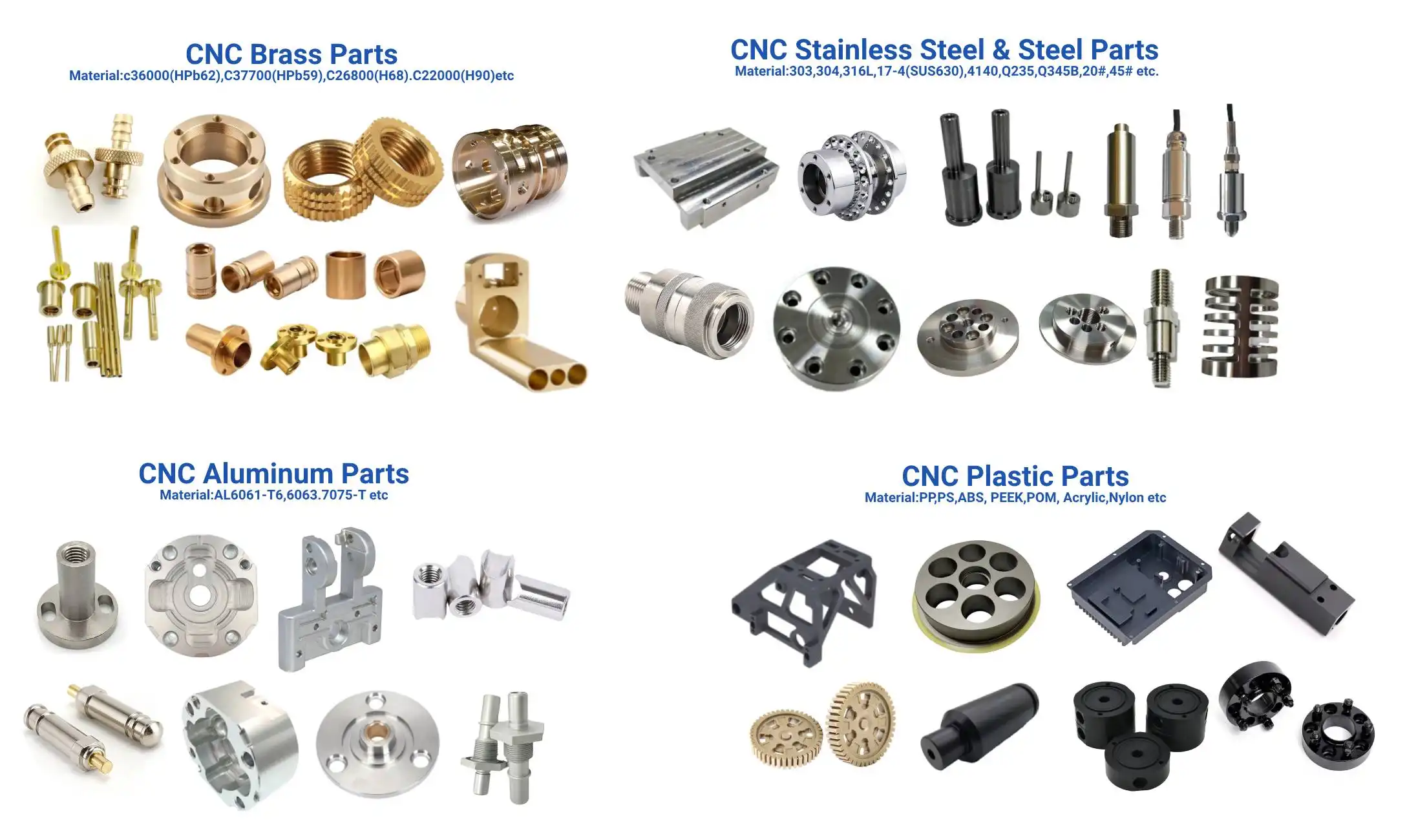
Shaft sleeves are covers made of metal, plastic, or a mix of metal and plastic that protect the shaft sides from damage like wear, chemical contact, and corrosion. These cylinder-shaped parts fit perfectly over current shafts and keep spinning surfaces from touching outside elements. Precision shaft sleeves made by Junsion have tolerances of up to ±0.01 mm and a surface roughness of up to Ra 0.8 μm. These shaft sleeves work perfectly with pumps, motors, compressors, and conveyor systems in automation equipment, cars, hospitals, spacecraft, home appliances, robots, and motorcycles.
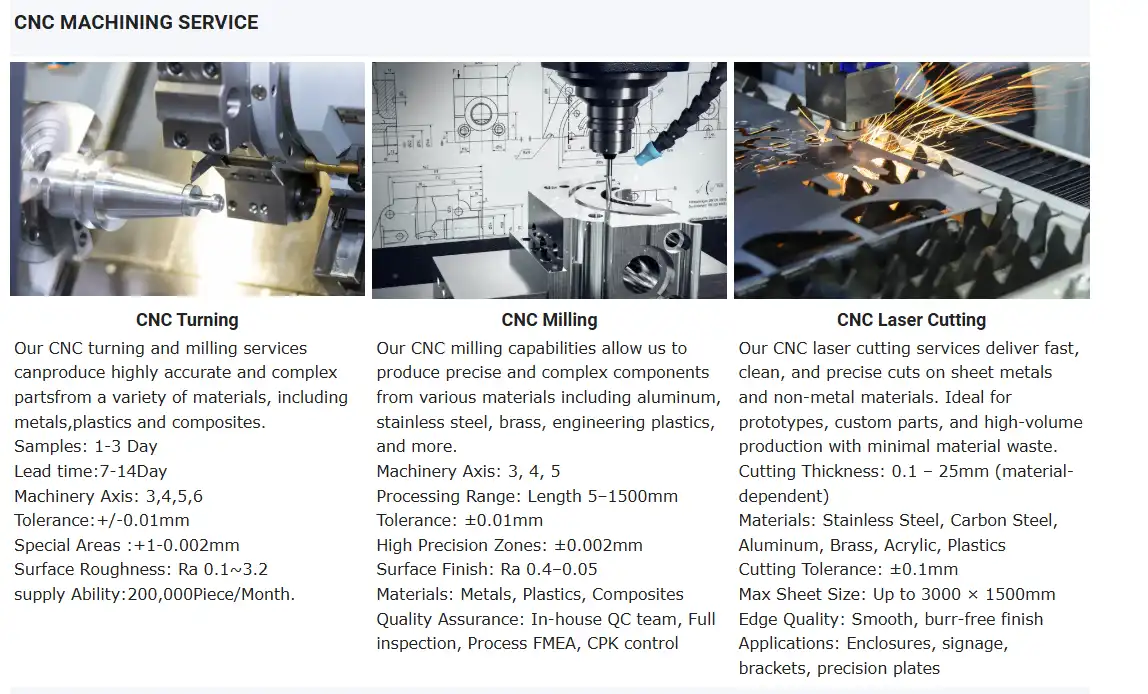
The shaft sleeve method has clear advantages. Instead of taking equipment out of service to do major repairs, maintenance teams can use planned breaks to put a shaft sleeve that fits correctly. This method keeps the original shaft's structure while giving it a new surface for bearing adjustment and seal contact. When our CNC-machined plastic shaft sleeves are turned and milled, they achieve very precise measurements that make them ideal for high-precision uses where even small errors can hurt performance.
Understanding Shaft Repair Methods
Shaft repair includes using different restoration methods to get broken parts back to how they were before they were damaged. By putting metal onto injured surfaces, welding repairs worn areas. Machining removes material to make new bearing journals. And thermal spray coating uses special materials to fix worn areas. These ways directly work on the shaft to try to get it back to the standards set by the original equipment maker.
In most cases, the repair process takes a lot of time, special tools, and trained experts. A lot of the time, shafts need to be taken out of parts, shipped to machine shops, and fixed in several steps. Repair work is good for some types of damage, but it's not as reliable when it comes to material consistency, dimensional accuracy, and long-term sturdiness as adding precision-manufactured shaft sleeves.
Key Differences in Approach
The main difference is how the work is done: shaft sleeves replace worn areas on the outside, while patches replace material inside the shaft. The cost structures are very different. For example, installing shaft sleeves usually has lower direct costs and less downtime, while repairs need more labor, specialized tools, and longer periods of equipment not being available. There are also differences in how well things perform. For example, precision-manufactured shaft sleeves from ISO 9001:2015-certified facilities like Junsion give reliable results every time. On the other hand, the quality of a repair rests a lot on the skill of the expert and how well the process is controlled. These things have a big effect on the total cost of ownership and the ability to keep operations going for procurement workers who manage portfolios of industrial machines.
Analyzing When to Use Shaft Sleeves vs Shaft Repair
Evaluating Damage Severity
The choice between shaft sleeves and repair services is based on how bad the damage is. Minor damage like scratching, seal tracking, and surface cutting usually gets better after a shaft sleeve is installed. When shafts have wear patterns within 0.5 mm of the surface, shaft sleeves of the right size can restore functioning without a lot of work. Our custom shaft sleeves can handle different types of wear while still keeping the exact specs needed for seal integrity and bearing performance.
Different problems arise when there is severe rust, deep pitting, or structure cracks. Damage that goes deeper than 2 mm or threatens the internal integrity of the shaft may need to be fixed by welding, or a whole component may need to be replaced. But in many situations that aren't as bad or good as these two, shaft sleeves work better than repairs because they can be used right away and work the same way every time.
Operational and Budget Considerations
Production plans have a big impact on the choice of repair approach. Facilities that use ongoing processes can't handle the long periods of downtime that come with removing, cutting, and restoring shafts. Installing precision shaft sleeves during planned repair times keeps downtime to a minimum. Our clients in shipping and electronics manufacturing often choose this method to meet their production goals.
The budget limits go beyond the current costs and include costs that will happen over a person's lifetime. At first, repair work may seem like a good deal, but frequent failures, extended downtime, and rising labor costs often add up to more than the total cost of quality shaft sleeve installation. When purchasing managers look at running costs over five years, they often find that buying precision-manufactured shaft sleeves from certified providers gives them a better return on investment through longer service intervals and fewer emergency repair calls.
Real-World Application Scenarios
Pump applications show how to make decisions in real life. A chemical processing plant had to decide between repair and shaft sleeve fitting because the seal was leaking because the shaft was worn out. The analysis showed that the seal surface had 0.3 mm of wear, which is perfect for using a shaft sleeve. Installing stainless steel shaft sleeves made to ±0.01 mm standards restored the seal contact surfaces, stopped the leaks, and allowed operations to resume in 12 hours instead of the 5 days expected for the repair.
Similar things need to be thought about when maintaining a compressor. When bearing journals get scored or seal surfaces get grooves, precision shaft sleeves made from the right materials can fix the gaps and surface finishes. In the automobile and aircraft industries, our customers often ask us to make custom shaft sleeves for important rotating equipment. The accuracy of the dimensions and quality of the surface have a direct effect on the dependability and regularity of the system's performance.
Technical Overview of Shaft Sleeves
Material Selection and Properties
The choice of material has a big effect on how well and how long a shaft sleeve works. 304, 316, and 420 types of stainless steel are very good at resisting corrosion and are used in chemical processing, food production, and marine uses. When weight reduction is important, aluminum alloys are a good choice. For normal industrial settings, carbon steel is a cost-effective choice for security. Copper metals are great for uses that need to carry electricity or control heat.
Engineered plastics are becoming a more significant group. At Junsion, we make special plastic shaft sleeves that have benefits like not rusting, insulating against electricity, being lighter, and not causing galvanic corrosion. Precision CNC machining lets us make plastic shaft sleeves with ±0.01mm tolerances and Ra0.8μm surface finishes. These shaft sleeves are as accurate in size as metal alternatives and have benefits that make them useful for electronics, medical devices, and specialized automation equipment.
The choice of material is based on its strength, resistance to wear, and chemical compatibility. Professionals in procurement have to choose shaft sleeve materials that are right for the working conditions, such as the amount of fluid contact, temperature ranges, rotational speeds, and bearing loads. Our engineering team helps customers choose the best materials for each application, making sure that the performance of the shaft sleeves matches the operational factors and upkeep goals of the equipment.
Installation and Maintenance Best Practices
When shaft sleeves are installed correctly, they work well and last a long time. Cleaning the shaft's sides, getting rid of burrs, and checking the dimensions are all part of surface preparation. For press-fit shaft sleeves, the force that is used must be carefully controlled to keep them from distorting, and for shrink-fit installs, the temperature must be carefully managed during heating and cooling processes. When the width is too big for mechanical pressing, hydraulic mounting ways are better.
Checking the quality after installation includes measuring the runout, checking the dimensions, and making sure the surface finish is correct. Before putting the equipment back into service, our clients who use precision shaft sleeves in important tasks make sure that the installed parts meet the requirements through written checks. This method of quality assurance stops problems before they happen and confirms that the right way to install something was done.
Different materials and uses have different maintenance needs. Most of the time, metallic shaft sleeves don't need much care other than regular machine maintenance like lubrication and inspection. Plastic shaft sleeves should be checked for effects of chemical contact and temperature cycles. Regular inspection routines that find wear patterns, surface degradation, or changes in size and shape allow replacement before they break, which increases the efficiency of equipment and reduces unplanned downtime.
Precision Manufacturing Capabilities
Modern technology for making things lets shaft sleeves be made with a level of accuracy that has never been seen before. At Junsion, our 32 high-tech CNC tools make parts with tolerances of just ±0.01mm across a range of materials. Milling processes make keyways, flats, or other specific shapes, while turning processes make cylinders with uniform wall thickness. With this level of precision, shaft sleeves will fit right, line up right, and work reliably for their whole service life.
There are different surface treatment choices that improve efficiency. Anodizing metal shaft sleeves makes them harder and less likely to rust. The QPQ treatment gives uses that need a lot of wear protection. Wire drawing creates unique surface features that make seals work better. When these finishing steps are combined with precise machining, shaft sleeves are made to fit specific operating needs instead of being general solutions that need to be changed in the field.
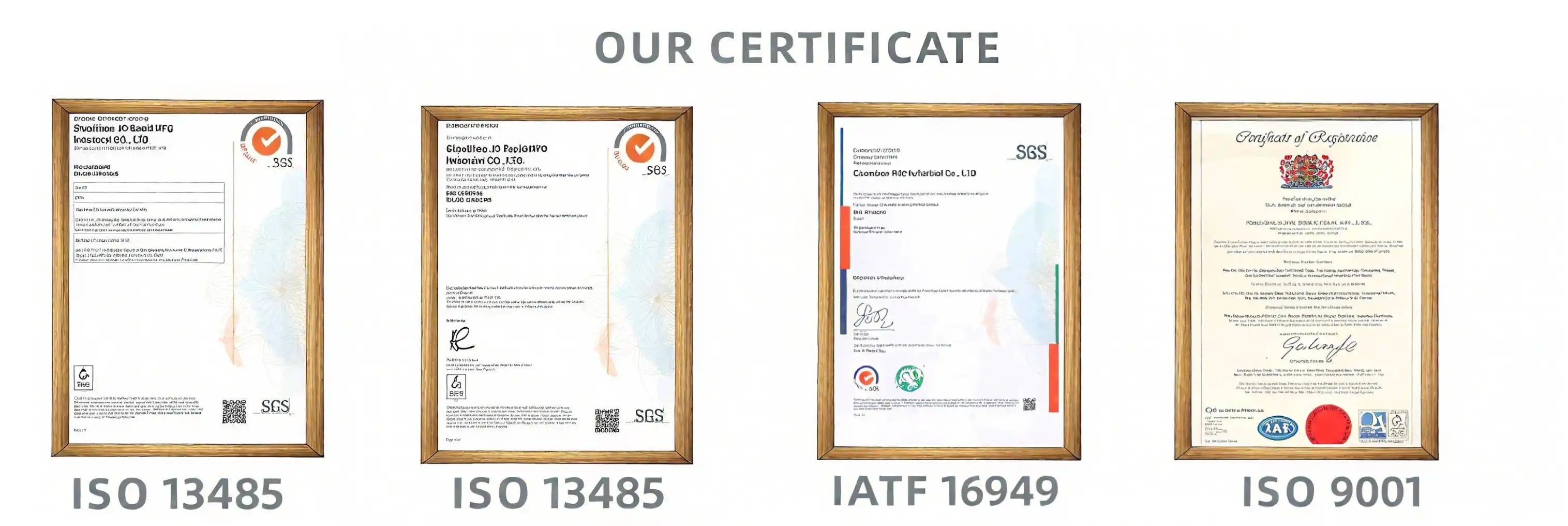
RoHS compliance and ISO approval show that a company is committed to making high-quality products. Our quality control system makes sure that measurements are always correct, that materials can be tracked, and that the system always works well. These certifications are needed to meet legal standards and keep the supply chain honest for global procurement managers who buy shaft sleeves for use in electronics, communications, and consumer goods. Working with approved makers makes buying things easier and makes sure that the products are of good quality and follow all the rules.
Comparing Costs and Procurement Considerations
Lifecycle Cost Analysis
The initial buy price is only one part of a total cost study. Other parts include installation costs, downtime costs, upkeep needs, and replacement intervals. The cost of fixing a shaft depends a lot on how bad the damage is, what steps need to be taken, and how much the work costs. At first, the quotes may seem competitive, but as the process goes on, extra costs like transportation, longer downtime, and possible rework add up.
The costs of precision shaft sleeves are easier to predict. The price of a component depends on the material, how hard it is to make, and how many there are. Repair work usually requires more work than installation, especially when standard sizes fit the needs of the application. Our custom solutions are made to fit each customer's specific needs while keeping costs low by using the best materials and manufacturing methods.
There are big secret costs that come with downtime. Production loses during long fix times often go beyond the costs of the parts and labor put together. Downtime costs for factories with high-value production lines are measured in thousands of dollars per hour. Choosing repair methods that keep equipment from being unavailable as little as possible has big financial benefits that go beyond the cost of parts and labor. From an operating point of view, installing a shaft sleeve is often better than using standard replacement methods.
Supplier Selection Criteria
To find high-quality parts, you have to look at more than just the price of the suppliers' goods. Premium suppliers are different from commodity suppliers because they offer accurate manufacturing, quality certifications, expert help, and reliable shipping. Well-known companies like SKF, Timken, NSK, Parker, and Dodge have built their names on reliable quality and a wealth of specialized information.
Since 2019, Junsion has built its name by working with clients around the world in the logistics, communications, and tech industries. In our 1,600-square-meter building, we have high-tech CNC machines that make precise parts for tough uses. Our dedication to quality management and environmental duty is shown by our ISO 9001:2015 certification and RoHS compliance. Procurement managers who have to meet tight project deadlines can rely on quick responses, usually within 24 to 48 hours for expert questions and quotes.
Professional suppliers are different from transactional suppliers in terms of warranty terms and expert support. Implementation goes smoothly with detailed product documentation, installation instructions, and application tech help. Our engineering team works with clients from the beginning to the end of the specification, purchase, and installation process to make sure that the parts they choose meet practical needs and perform as expected.
Procurement Strategies for Global Buyers
When you buy something internationally, you have to think about things like shipping logistics, customs procedures, payment terms, and contact methods. These problems are easier to deal with when you work with experienced producers. Junsion sends precision parts to more than 20 countries, figuring out the rules of foreign trade and making sure that delivery times work with the project timelines of its clients.
Prices and supply are affected by volume. Orders for small amounts help with testing and fixes that need to be done right away. Orders for large amounts help standardization programs or planned maintenance campaigns save money per unit. Our manufacturing skills are flexible enough to handle both scenarios—prototype runs to make sure designs work and production numbers to meet ongoing repair needs.
Managing lead time is important for planning upkeep. Standard parts can be shipped fast from stock, but shaft sleeves made to special requirements take time to make. Procurement pros can better plan upgrades, schedule breaks, and handle project dependencies when they can clearly communicate production schedules, quality checkpoints, and shipping timelines. Strategic suppliers are different from simple component vendors in this practical partnership method.
Enhancing Reliability with Correct Shaft Sleeve Application
Industry-Specific Applications
Different types of industries can benefit from precision shaft sleeves that are made to fit their needs. When making electronics, parts have to meet strict standards for cleaning and size limits. Our ±0.01mm precision-machined plastic shaft sleeves are used in motion control systems, automatic assembly equipment, and testing tools where accuracy has a direct effect on the quality of the product.
High rotational speeds, changing temperatures, and contact with oils and cleaners are all part of automotive uses. Transmission parts, motor units, and hydraulic systems are kept safe by custom shaft sleeves made for these conditions. Choosing the right material can help with certain problems. For example, stainless steel doesn't rust, designed plastics are lighter, and special finishes are used in places with a lot of wear.
The materials used to make medical devices must meet biocompatibility and cleaning guidelines. With our precise machining skills, we can make shaft sleeves for lab automation systems, diagnostic equipment, and surgery tools. Accurate measurements, a smooth surface, and certification paperwork for materials all help meet legal standards that are necessary to buy medical devices.
Long-Term Performance Benefits
Quality shaft sleeves not only save you money on repairs right away, but they also give you long-term operating benefits. Protecting the original shafts against wear and tear leads to longer equipment life. In contrast to letting damage build up that would eventually need to be replaced, shaft sleeves keep the base parts in good shape while offering wear surfaces that can be used again and again.
Keeping the right gaps, seal contact, and bearing line will make operations run more smoothly. These important connections are harmed when shafts are worn out, which leads to shaking, leaks, and wasted energy. Putting on precision shaft sleeves brings back the design specs, which improves the performance of the equipment and lowers running costs by using less energy and consumables.
Cutting down on maintenance costs is good for businesses that have a lot of tools. Standardizing on shaft sleeve solutions makes it easier to keep track of supplies, speeds up upkeep tasks, and lowers the need for worker training. Predictable replacement intervals allow for planned purchases and maintenance, so there are no more emergency fixes that throw off production plans and put a strain on maintenance funds.
Strategic Supplier Partnerships
Building ties with responsible providers goes beyond just buying parts. Professional expert advice helps procurement teams choose the best options that meet business needs and stay within their budgets. Our engineering staff helps with successful projects by analyzing applications, suggesting materials, and giving advice on sizes.
Reliable help after the sale is what sets quality sellers apart from stock vendors. Technical questions during installation, suggestions for improving performance, and help with fixing show that you care about your customers' success after the sale. At Junsion, we stay in touch with our customers and help them meet their goals for equipment reliability through quick expert service.
Partnerships that work together allow for ongoing improvement. Sharing practical feedback, talking about new needs, and looking into new material technologies all lead to progress that is good for everyone. Our clients in the automation equipment and robots industries often bring our engineering team into talks about new products, using our production skills to find solutions to new technical problems.
Conclusion
Choosing between shaft sleeves and repair methods has a big effect on how much upkeep costs, how reliable the equipment is, and how long the business can keep running. When compared to repair results that are hard to predict, shaft sleeves offer consistent performance, faster installation, and lower total cost of ownership. Knowing the different types of materials, how precise they can be manufactured, and the specific needs of an application helps you make smart purchasing choices that are in line with your business goals. Quality suppliers who offer precise parts, full expert support, and quick service provide value that goes beyond the price of the parts and includes successful application and long-term equipment performance. Focusing on shaft sleeve solutions during strategic maintenance cuts down on downtime, lowers operational costs, and improves the dependability of industrial machines.
FAQ
When should I choose a shaft sleeve instead of repair?
When the wear depth is less than 1 mm, machine downtime needs to be kept to a minimum, and the original shaft integrity is still good, choose shaft sleeves. When it comes to fixing seal surfaces, renewing bearing journals, and stopping rust, shaft sleeves are the best choice. When structural damage goes beyond normal wear and tear or when shaft movement throws off the alignment, repair is needed.
Can shaft sleeves be customized for unique industrial applications?
Of course. Custom production lets you choose exact sizes, materials, and surface processes that meet the needs of your application. We make shaft sleeves at Junsion out of engineered plastics, stainless steel, and aluminum alloys, and our tolerances are as low as ±0.01 mm, and the surface finish is as good as Ra 0.8 μm. Our CNC skills let us add unique features like keyways, retaining ring grooves, and precisely fitted measures that meet the needs of a wide range of industries.
How do shaft sleeve lifespans compare to repaired shafts?
When properly chosen and fitted, quality shaft sleeves usually have a service life that meets or beats the original equipment specs. The material qualities and dimensions of precision-manufactured shaft sleeves stay the same over the course of their working life. Repaired shafts work differently based on the quality of the repair method. They can fail early if the welding process isn't done right, the machine isn't precise enough, or the materials aren't consistent.
Partner with Junsion for Precision Shaft Sleeve Solutions
Dongguan Junsion Precision Hardware Co., Ltd. makes unique shaft sleeves that are designed to work in tough industrial settings. Our ISO 9001:2015-certified factory uses modern CNC machining technology to make parts with ±0.01mm accuracy and Ra0.8μm surface finishes. We are a reliable company that makes shaft sleeves for the electronics, communications, automotive, medical, aircraft, and robotics industries in over 20 countries. We offer quick responses, full technical support, and RoHS-compliant parts that meet the highest quality standards around the world. You can email our tech team at Lock@junsion.com.cn, echo@junsion.com.cn, or evelyn@junsion.com.cn to talk about your specific needs and get quotes for unique solutions.
References
1. Anderson, M. J. (2021). Machinery Maintenance and Reliability: A Practical Guide to Preventive and Predictive Maintenance. Industrial Press Inc.
2. Chen, W. & Roberts, K. (2020). "Comparative Analysis of Shaft Protection Methods in Rotating Equipment," Journal of Mechanical Engineering Science, Vol. 234, Issue 8, pp. 1523-1538.
3. Nakamura, T. (2022). Precision Component Manufacturing: Materials, Processes, and Quality Control. Technical Publications.
4. Peterson, R. L. (2019). "Cost-Benefit Analysis of Protective Sleeves Versus Repair in Industrial Pump Applications," Maintenance Technology Magazine, September 2019, pp. 42-47.
5. Thompson, G. H. & Martinez, S. (2023). Industrial Procurement Strategies for Maintenance Components. Supply Chain Management Press.
6. Williams, D. R. (2020). "Material Selection Criteria for Shaft Protection Components in Harsh Environments," Tribology International, Vol. 145, pp. 106-118.