




Metal Solenoid Valve Uses in Automation and Machinery
Metal solenoid valves are essential control devices in modern robotics and machinery systems because they transform electrical signals into precise mechanical moves that control fluid flow. Some of the metals used to make these electromagnetic devices are stainless steel, brass, and aluminum. These materials are stronger and last longer than polymer options. When an electrical current flows through a metal solenoid valve, its internal coil creates a magnetic field that moves a plunger or piston, instantly opening or closing fluid paths. Because they can respond quickly, they are necessary for businesses that need to control fluids accurately and reliably in tough working conditions.
Understanding Metal Solenoid Valves and Their Working Principles
What Defines a Metal Solenoid Valve?
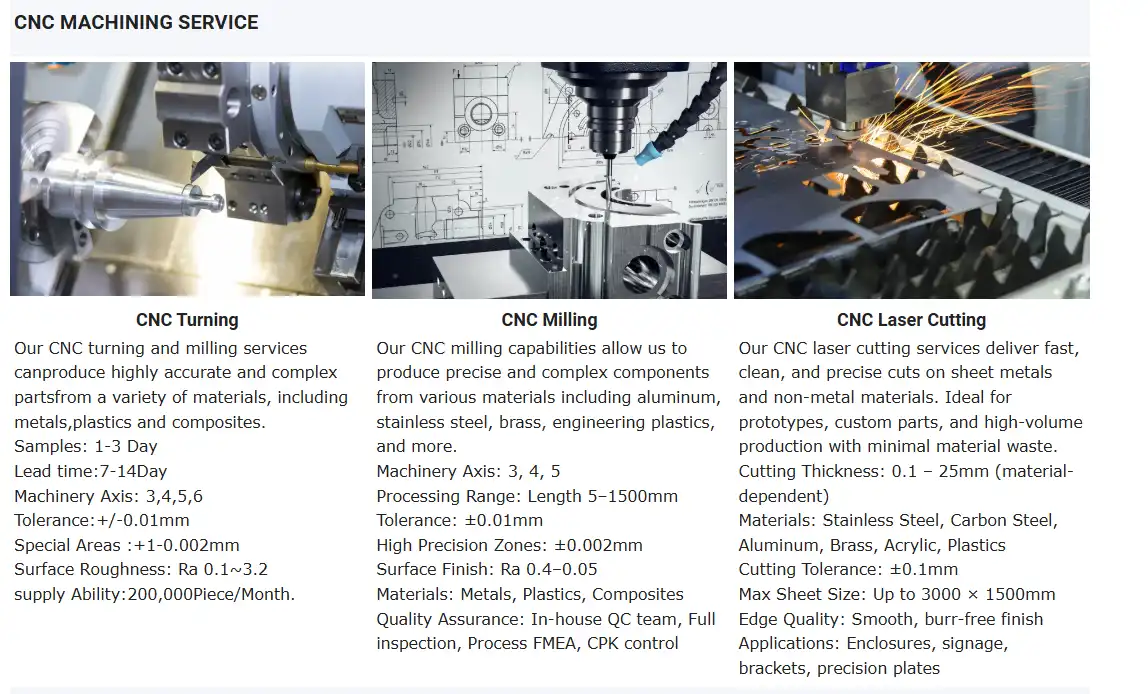
There are five main parts that make up a metal solenoid valve. They are the electromagnetic coil assembly, the spring mechanism, the plunger or armature, and the closing elements. The body made of metals like 316 or 304 stainless steel is forceful and doesn't react with chemicals easily. Dongguan Junsion Precision Hardware Co., Ltd. has advanced CNC turning and five-axis machine tools that let us make valve parts with surface roughness as low as Ra0.8μm and tolerances of up to ±0.01 mm. These exact specs make sure that the system works without any leaks and performs the same way over thousands of duty cycles.
How do metal solenoid valves operate?
The working system is based on electrostatic principles and mechanical spring action. When electricity is put on the coil that's wound, it makes a magnetic field that pushes the ferromagnetic plunger against the resistance of the spring. This action opens the valve opening, which lets fluids pass through. When the electrical signal stops, the spring puts the plunger back where it was before it was closed. Direct-acting designs work on their own, while pilot-operated designs use system pressure to help the valve work, which makes them particularly effective for uses with higher flow rates and pressures.
Metal Versus Plastic Valve Bodies
Metal designs are clearly better in industrial settings than plastic ones, which are better for certain special uses. Metallic bodies can handle working pressures of more than 3000 PSI and temps from -450°F to freezing levels, which is much higher than what polymers can handle. Stainless steel types don't get damaged by acidic chemicals or conditions that oxidize metals. The structure is stiff, so it doesn't bend when the pressure changes. This keeps the seal's integrity throughout its service life. Because of these qualities, metal solenoid valves are the best choice for making medical devices, automation equipment, and aircraft systems where failure is not an option.
Key Advantages in Industrial Environments
Automation gear can benefit from metal valve designs in certain ways. Because metals are good at transferring heat, they get rid of the heat that is made during fast spinning. This keeps the coil from burning out and extends the life of the component. Metal bodies are naturally resistant to vibration, which keeps them from coming loose and keeps flow rates steady in high-speed production lines. Because metal is better at reducing sound than resonating plastic housings, it produces less noise. Junsion's surface treatment choices, such as sanding, anodizing, sandblasting, and electroplating, make valves even more resistant to rust and wear. This makes sure that valves keep working at their best in tough chemical processing and oil handling situations.
Critical Applications of Metal Solenoid Valves in Automation and Machinery
Manufacturing Automation Systems
Fluid control is very important for modern assembly lines because they use air motors, hydraulic presses, and coolant distribution systems. Metal solenoid valves control the flow of compressed air to robotic arms, allowing for millisecond-accurate coordinated pick-and-place operations. In pressing operations, these valves control the flow of hydraulic fluid to presses that produce hundreds of tons of force. This means that the parts that hold up against the constant pressure spikes don't get worn out. Ultrapure water and specialty chemicals are moved through electronics factories using stainless steel valves. If broken plastic parts got into the valves, they would damage sensitive circuit boards.
HVAC and Climate Control Infrastructure
Electromagnetic valves are used in commercial building management systems to control the flow of cold water, refrigerant, and steam. Brass body valves are used for heating loops with hot water, while stainless steel valves are used for industrial cooling with aggressive glycol mixes. Because it responds quickly, it is possible to control the temperature in different zones by opening and closing flow paths when heaters detect changes in demand. This responsive control cuts down on energy use by keeping things from getting too hot or too cold. This saves money on running costs over the span of a building.
Automotive Production and Vehicle Systems
There are thousands of metal solenoid valves used in paint rooms, welding stations, and transmission assembly lines in auto factories. With the dependability that just-in-time production plans need, these valves control the flow of liquid, coolant, and test fluid. Specialized valves inside cars control the timing of fuel injection, changing transmissions, and emission control systems. The auto industry needs parts that strictly follow ISO and RoHS rules. Junsion's approved quality management systems give purchasing managers written proof that these rules are being followed.
Material Selection Based on Application
Choosing between grades of stainless steel and bodies made of brass varies on the type of media and the surroundings. Type 316 stainless steel works great in salty settings and chloride-rich processes because it contains molybdenum, which makes it less likely to crack. Type 304 is a cheaper option that is very good at resisting rust in water, light chemicals, and food-grade situations. When cost is important, brass bodies work well for systems that handle clean water and neutral pH fluids. At Junsion, our engineering team works closely with procurement experts to look into how well fluids work together, the temperature ranges that are needed, and the pressure requirements. They then suggest the best material specs that balance performance with cost.
How to Choose the Right Metal Solenoid Valve for Your Automation Needs?
Pressure and Temperature Rating Considerations
Each application has its own set of pressure and temperature patterns that determine which metal solenoid valves to use. Standard 150 PSI types are good for basic automation, while heavy-duty 3000 PSI units are better for hydraulic systems. Temperature ranges are also different. Brass valves can usually handle temperatures up to 180°F, while special stainless steel versions can safely handle temperatures up to 400°F and beyond. Knowing your system's normal working conditions and safety gaps keeps it from breaking down too soon and makes sure you're following the rules.
Fluid Media Compatibility Analysis
How well valve-wetted materials react with process fluids chemically has a direct effect on how long they last and how safe they are. Solvents, acids, and bases that are too strong target metals that don't mix, corroding and contaminating them. For hydrocarbon oils to close properly, the materials used must not swell or break down. Junsion has thorough chemical resistance charts that show how our different grades of stainless steel and elastomer seals work with typical industrial fluids. With this information, engineers can choose setups that keep working properly during regular service intervals, even if there are unplanned repair breaks.
Electrical Specifications and Voltage Options
Solenoid coils come in both AC and DC power options to work with industrial control systems. 12V DC, 24V DC, 110V AC, and 220V AC are all common choices. Depending on the size of the valve, they use anywhere from 5 to 30 watts of power. The process is quieter and responds faster with DC coils, while connecting is easier with AC versions. The procurement teams should check the control voltage that is available in their buildings and look at the duty cycle rates of the coils. The difference between continuous and sporadic service affects the coils' temperature rise and lifespan.
Comparing Valve Actuation Types
When a direct-acting solenoid valve opens, it does so using electromagnetic force alone, despite the pressure in the system and the resistance of the spring. This system works well in situations where the flow coefficient is less than 0.5 Cv and the pressure difference is less than 150 psi. In pilot-operated setups, a small direct-acting pilot valve controls a bigger main valve diaphragm or piston. This uses the pressure in the system to move larger amounts of fluid. This two-stage system can handle flows greater than 10 Cv and pressures up to 3000 PSI, but it needs a minimum working pressure of 5 to 10 PSI to work right.
Evaluating Supplier Reliability and Support
When choosing a supplier, it's not just about the product details; quality certifications, expert help, and service after delivery are also important. Manufacturers with a good reputation use ISO 9001:2015 quality management systems and give mill test papers that show what the materials are made of and how they were inspected for dimensions. Our 1,600-square-meter, state-of-the-art plant at Junsion has 32 advanced CNC tools that can make custom valve bodies and parts to exact specs. We can work with your engineering team to come up with custom solutions based on 2D and 3D CAD files, technical drawings, and even rough ideas. Because we promise a quick answer, we can give you a price within 48 hours and deliver a prototype on time to meet tight development schedules.
Maintenance, Testing, and Troubleshooting for Metal Solenoid Valves
Routine Maintenance Best Practices
Preventive repair makes metal solenoid valves last longer and keeps output from stopping, which costs a lot of money. Every three months for medium-duty uses and once a month for harsh settings, inspection plans should include an eye check for external corrosion, loose electrical connections, and physical damage. Using a voltmeter to test the coil resistance makes sure that the windings are solid. Readings that are much lower than the nameplate standards mean that the turns are shorted, while readings of infinite resistance mean that the circuits are open. Testing by hand shows that the plunger can move freely, without getting stuck or rubbing against something.
Functional Testing Protocols
Systematic testing makes sure that everything works right before putting new units into service or after repair. Bench testing should make sure that the valve opens and closes smoothly at the rated voltage, with no popping or chattering that could mean the coil doesn't have enough power. To make sure the body is solid and the seat seals, it is pressure tested to 1.5 times the working pressure with the inlet and exit holes closed. Flow testing compares the real Cv to what the maker says it should be. This finds problems caused by debris or mistakes in the manufacturing process. Using a megohmmeter to test the electrical insulation between the coil and the ground keeps the person safe and stops annoying circuit breakers from tripping.
Common Issues and Diagnostic Approaches
When a valve doesn't work right, it usually doesn't open or close or leaks when it's closed. Most of the time, failure to open is caused by a low power source, burnt coil windings, or a stuck plunger. Supply problems can be found by measuring the real voltage at the coil connections while they are being charged. Testing coil resistance finds problems with windings. Taking it apart shows that there is foreign matter stuck in the opening or rust products that are holding the plunger in place.
If it doesn't close, it's likely because the spring broke, the plunger seized, or there was dirt on the seat that was stopping it from touching. Valves that are cycled over and over in dirty service collect dirt on the closing surfaces, which means they need to be cleaned more often. When the valve is closed, leakage can happen because the seals are worn or broken, the seat is worn down by fast flow, or there are particles in the fluid that stop the valve from closing tightly. In most cases, efficiency is restored by replacing seals and lapped seats. If problems keep happening, you might need to switch to a stronger valve design with better filters upstream.
Procurement and Purchasing Guide for Metal Solenoid Valves
Identifying Reputable Suppliers and Distributors
Strategies for sourcing should find a balance between the cost of parts and the dependability, expert help, and delivery performance of the suppliers. When you work directly with a maker, you avoid the markups that distributors add, and you can get engineering help for custom uses. You can compare vendors on online business-to-business markets, but you have to be very careful to check their credentials and quality control systems. Before agreeing to large-scale production, asking for samples to be looked at shows the real build quality and accuracy of the finish.
Understanding Pricing Variables
Metal solenoid valve prices depend on the cost of materials, how hard they are to make, the coil specs, and the number of valves that are ordered. Because they are more resistant to corrosion and cost more to make, stainless steel 316 models are more expensive than 304 grade or brass options. The cost of production goes up because high-pressure designs need bigger walls and tighter machining accuracy. It costs more for DC coils that have rectifier circuits and surge safety than for simple AC setups. Specialty features, such as manual switch operators, position markers, or explosion-proof housings, cost more, but they are worth the money because they improve operations.
Negotiating Custom Orders and Specifications
Catalog valves that are already set up can be used in many situations, but custom designs improve performance and system interaction. Changes could be made to non-standard port sizes, attaching bracket designs, coil voltage choices, or special seal materials for fluids that aren't common. Giving exact specs like 3D CAD models, fluid properties, and working state envelopes helps providers give accurate quotes and find problems before they happen.
Evaluating Warranty and After-Sales Service
Total cost of ownership is affected by warranty terms and the availability of expert help in a big way. Standard guarantees cover production flaws for 12 to 24 months after delivery, but they don't cover things like wrong use, contaminated media, or sudden changes in voltage. Making warranty terms and paperwork requirements clear when choosing a dealer keeps disagreements from happening after something goes wrong. Technical support that is quick to respond helps fix fitting problems and improve valve performance throughout the duration of the product. When suppliers offer application engineering help during standard development, they cut trial-and-error costs and speed time to market. Junsion offers ongoing help through direct contact channels. Lock@junsion.com.cn puts you in touch with experienced engineers who know both how the products work and the problems that procurement managers and product developers face in real life when using them.
Conclusion
With dependability and performance that plastic options cannot match, metal solenoid valves are essential control components in modern robotics and machinery systems. To make the right choice, you need to compare pressure levels, fluid compatibility, electrical specs, and actuation types to the needs of the application. The type of stainless steel or brass you choose affects how long it lasts and how well it resists chemicals. Routine repair and thorough troubleshooting keep operations running smoothly and increase the life of parts. Total ownership value is highest when procurement strategies balance cost with supplier skills, customization freedom, and expert support. Your robotic systems will work at their best and last as long as possible if you work with skilled makers who offer precise machining, full certifications, and quick engineering collaboration.
FAQ
What distinguishes metal solenoid valves from plastic designs in industrial applications?
In industrial settings, what makes metal solenoid valves different from plastic ones? When compared to polymer bodies, metal structures offer better pressure rates, temperature tolerance, and structural rigidity. Stainless steel and brass versions can handle toxic liquids and working pressures above 3000 PSI, and they keep their shape when heated and cooled many times. Because of these features, metal solenoid valves are necessary for industrial equipment, hydraulic systems, and chemical processing that needs to be reliable.
How do I determine appropriate pressure ratings for my system?
Find out the highest pressure that your system can handle, including short-term spikes, and then choose valves that are rated at least 25% higher to be safe. Pneumatic systems work at 150 to 250 PSI, while hydraulic systems need 1000 to 3000 PSI levels. Talk to providers who offer pressure-temperature curves that show how scores change at higher temperatures.
Can metal solenoid valves handle high-temperature industrial environments?
Depending on the seal material chosen, stainless steel setups can safely work at temperatures up to 400 to 450°F. Standard elastomers can only handle temperatures between 180°F and 200°F, but high-temperature seals can handle temperatures up to and above 400°F. To keep things from breaking down too soon, always make sure that the temperature standards for both the body material and the seal compound are met.
Partner with a Trusted Metal Solenoid Valve Manufacturer
To get the most out of your automation systems, you need flow control parts that are precisely designed and backed by years of manufacturing experience. Dongguan Junsion Precision Hardware Co., Ltd. makes high-quality metal solenoid valves with unique sizes, tolerances of up to ±0.01 mm, and surface finishes of up to Ra 0.8 μm. Our 316/304/303/410 stainless steel constructions are the most durable on the market and are used in robotic systems, medical devices, automation equipment, and aircraft uses. We make parts that meet ISO 9001:2015 and RoHS compliance standards. We have 32 modern CNC machines and a wide range of surface treatment options, such as sanding, anodizing, and electroplating. Procurement managers like that we promise a quick answer, offer discounts for large orders, and can make special OEM/ODM products. Get in touch with our engineering team at Lock@junsion.com.cn to discuss your unique metal solenoid valve needs and get expert advice that is tailored to your application parameters and performance goals.
References
1. Esposito, A. (2020). Fluid Power with Applications (8th Edition). Pearson Education, Upper Saddle River, NJ.
2. Parr, E.A. (2018). Industrial Control Handbook: A Practical Guide to Control Systems and Automation. Industrial Press Inc., New York.
3. Stewart, H.L. (2019). Pneumatics and Hydraulics (5th Edition). Macmillan Technical Publishing, Indianapolis.
4. Yeaple, F.D. (2021). Fluid Power Design Handbook (4th Edition). CRC Press, Boca Raton, FL.
5. American Society of Mechanical Engineers (2022). ASME B16.34: Valves - Flanged, Threaded, and Welding End. ASME International, New York.
6. National Fluid Power Association (2021). Industrial Fluid Power Standards and Recommended Practices. NFPA Technical Publications, Milwaukee, WI.