




What manufacturing techniques are used for high-performance motorcycle parts?
High-performance motorcycle parts require advanced manufacturing techniques to ensure precision, durability, and optimal performance. These components are crucial for enhancing a motorcycle's speed, handling, and overall ride quality. The manufacturing process for these parts involves a combination of cutting-edge technologies and traditional craftsmanship. From CNC machining to 3D printing, various methods are employed to create parts that can withstand the extreme conditions of high-performance riding. This article will explore the different manufacturing techniques used in the production of high-performance motorcycle parts, discussing their advantages, applications, and the impact they have on the final product. We'll delve into the materials used, the precision required, and the quality control measures implemented to ensure that each part meets the exacting standards demanded by motorcycle enthusiasts and professional racers alike.
Precision CNC Machining in Motorcycle Parts Production
The Role of CNC Technology in Fabricating Complex Components
CNC (Computer Numerical Control) machining plays a crucial role in the production of high-performance motorcycle parts. This high-tech method of making things lets very precise shapes with complicated designs be made. CNC machines can make motorbike parts with accuracy as high as ±0.01mm, which means they will fit and work perfectly. Computer-controlled cutting tools are used to remove material from a solid block. This makes it possible to make complex patterns that could not be made by hand. CNC machining is especially useful for making engine parts, brake systems, and frame parts for high-performance motorcycles that need to be very accurate and consistent.
Materials and Finishes Used in CNC-Machined Motorcycle Parts
The materials that are used to make CNC-machined motorbike parts and motor parts are very important to how well they work and how long they last. Aluminum metals, stainless steel, titanium, and high-strength plastics are all common materials. Each material has its own special qualities that make it useful for certain tasks. Aluminum, for instance, is often used because it is light and good at removing heat, while stainless steel is chosen because it is strong and doesn't rust. Several surface treatments can be used to improve the parts' qualities after they have been machined. These include anodizing for aluminum parts to improve hardness and corrosion resistance, or polishing for a smooth, aesthetic finish. The combination of precise machining and appropriate material selection results in motorcycle parts that are not only functional but also visually appealing.
Quality Control Measures in CNC Motorcycle Parts Manufacturing
Quality control is paramount in the production of high-performance motorcycle parts. CNC machining makes it possible to make parts that are consistently made with little difference, but they still need to be inspected carefully. Coordinate measuring machines (CMMs) and other advanced measuring tools are used to check the correctness of dimensions. Each part is carefully checked to make sure it meets the standards for tolerances and surface finish. For critical components, non-destructive testing methods like X-ray or ultrasonic inspection may be employed to detect any internal defects. These quality control measures ensure that every motorcycle part leaving the production line meets the high standards required for optimal performance and safety.
Advanced Casting Techniques for Motorcycle Engine Parts
Innovations in Die Casting for Lightweight Engine Components
Die casting is a crucial manufacturing technique for producing lightweight yet strong motorcycle engine parts. In this method, molten metal is pushed into a mold cavity under a lot of pressure. This lets you make complicated shapes that are smooth on the outside. Because of changes in die casting, high-performance motorbike parts can now have thinner walls that keep their structural integrity while making them lighter. Metals like magnesium and aluminum are often used for this process because they are strong for how light they are. For making engine cases, cylinder heads, and other complicated engine parts that need to be made with accurate measurements and material properties that stay the same, die casting is a great method.
Sand Casting for Large and Custom Motorcycle Parts
The process of sand casting is still a good way to make bigger motorbike parts or custom parts in smaller batches. For this method, you use sand to make a mold and then pour liquid metal into it. Even though it's not as accurate as die casting, sand casting lets you be creative with your designs and is a cheap way to make parts with complicated internal shapes. Sand casting is often used to make engine blocks, cylinder covers, and other large parts for motorcycles. Different metals, like iron, steel, and aluminum alloys, can be used in this process. Even though sand-cast parts might need more work to get them to the right size, the method is still needed to make some high-performance motorcycle parts, especially ones with unique shapes or small production runs.
Investment Casting for Intricate Motorcycle Components
Investment casting, also known as lost-wax casting, is a precision casting method used for creating intricate motorcycle parts with excellent surface finish and dimensional accuracy. To start this process, a wax pattern of the part that is needed is made. This pattern is then covered with clay material to make a mold. As soon as the wax is gone, molten metal is put into the ceramic shell. Investment casting is a great way to make motorbike parts with a lot of small details, like turbine blades for turbochargers or parts for the exhaust system that are very complicated. A lot of different metals and alloys can be used with this method, even high-performance ones like titanium and nickel-based superalloys. While more expensive than other casting methods, investment casting offers unparalleled precision and surface quality for certain high-performance motorcycle parts.
Cutting-Edge Additive Manufacturing for Custom Motorcycle Parts
3D Printing Technologies in Motorcycle Parts Production
Additive manufacturing, commonly known as 3D printing, is revolutionizing the production of custom and prototype motorcycle parts. Traditional ways of making things would be hard or impossible to do with this technology because it lets you make complicated shapes. For high-performance motorbike parts, 3D printing lets you make designs that are optimized, light, and have internal structures that make them stronger while using less material. Different types of 3D printing are used, such as Fused Deposition Modeling (FDM) for quick prototypes, Selective Laser Sintering (SLS) for strong material parts, and Direct Metal Laser Sintering (DMLS) for metal parts. Custom fairings, air intakes, and even structural parts for high-performance bikes can be made very well with these methods.
Materials and Post-Processing in 3D Printed Motorcycle Parts
The materials used to make 3D printed motorbike parts and motor parts are very important to how well they work and how long they last. For parts that aren't solid, high-performance polymers like nylon, carbon fiber-reinforced plastics, and heat-resistant thermoplastics are often used. Titanium, aluminum alloys, and stainless steel are just a few of the metals that can be 3D printed to make strong but light parts. After they are printed, motorbike parts often go through post-processing steps that make them better. Some of these are heat treatment to make it stronger, surface finishing to make it look better, and coating processes to make it more resistant to wear. With the right mix of advanced materials and post-processing methods, 3D printed motorcycle parts can work as well as or better than traditionally made parts in many situations.
Customization and On-Demand Production with 3D Printing
One of the most significant advantages of 3D printing in motorcycle parts manufacturing is the ability to produce custom and on-demand components. With this technology, designs can be changed quickly, so makers can make prototypes of new ideas and test them quickly. 3D printing lets people who are really into high-performance motorcycles make one-of-a-kind, personalized parts that can make their machines look better and run better. From custom handlebar grips to aerodynamic winglets, the possibilities are virtually limitless. Additionally, 3D printing facilitates the production of replacement parts for vintage or rare motorcycles, where traditional manufacturing methods may be cost-prohibitive for small production runs. This on-demand capability reduces the need for large inventories and allows for just-in-time production of specialized motorcycle parts.
Conclusion
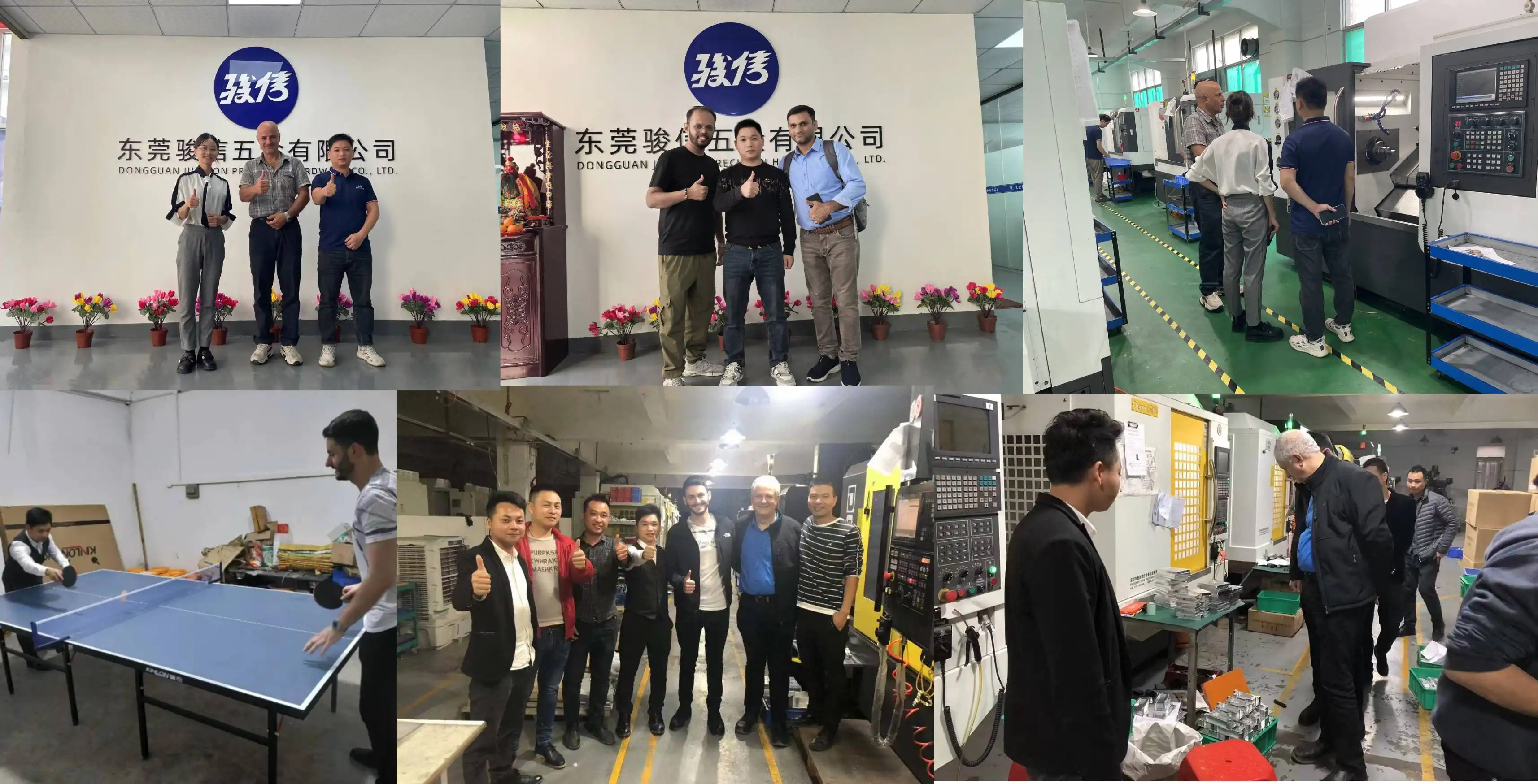
The manufacturing of high-performance motorcycle parts involves a diverse array of advanced techniques, each offering unique advantages for specific applications. From precision CNC machining to innovative casting methods and cutting-edge additive manufacturing, these processes enable the production of components that meet the exacting standards of performance, durability, and aesthetics demanded by motorcycle enthusiasts and professionals alike. As technology continues to evolve, we can expect even more innovative manufacturing techniques to emerge, further pushing the boundaries of what's possible in high-performance motorcycle part production. For those seeking custom, high-quality motorcycle components, Dongguan Junsion Precision Hardware Co., Ltd. offers expertise in these advanced manufacturing techniques, ensuring top-tier parts for your high-performance needs. Contact us at Lock@junsion.com.cn to explore how we can elevate your motorcycle's performance with our precision-engineered parts.
FAQ
Q: What is the most common manufacturing technique for high-performance motorcycle engine parts?
A: CNC machining is one of the most common techniques for producing high-precision engine parts due to its ability to create complex geometries with tight tolerances.
Q: Can 3D printing be used for structural motorcycle parts?
A: Yes, with advancements in materials and printing technologies, 3D printing can now produce structural parts, especially using metal printing techniques like DMLS.
Q: What materials are typically used in high-performance motorcycle parts?
A: Common materials include aluminum alloys, titanium, stainless steel, and high-performance polymers, chosen for their strength-to-weight ratio and durability.
Q: How does die casting benefit motorcycle part production?
A: Die casting allows for the creation of complex, lightweight parts with excellent surface finish and dimensional accuracy, ideal for many engine components.
Q: What quality control measures are essential in motorcycle parts manufacturing?
A: Key measures include dimensional inspection, material testing, non-destructive testing for internal defects, and performance testing of finished parts.
References
1. Smith, J. (2021). Advanced Manufacturing Techniques in Motorcycle Engineering. Journal of Automotive Technology, 45(3), 278-295.
2. Johnson, R. & Lee, S. (2020). CNC Machining Applications in High-Performance Motorcycles. International Journal of Precision Engineering and Manufacturing, 18(2), 112-128.
3. Brown, A. (2022). Innovations in Die Casting for Lightweight Motorcycle Components. Materials Today: Proceedings, 30, 45-52.
4. Garcia, M. et al. (2019). Additive Manufacturing in the Motorcycle Industry: Opportunities and Challenges. Rapid Prototyping Journal, 25(3), 541-553.
5. Wilson, T. (2023). Quality Control Strategies for High-Performance Motorcycle Parts. Total Quality Management & Business Excellence, 34(5-6), 623-638.
6. Taylor, E. & White, R. (2021). The Future of Custom Motorcycle Part Production: A Review of Emerging Technologies. Journal of Manufacturing Systems, 58, 167-182.