




What Makes High-Performance Customized Plastic Racks?
Effective Customized plastic rack solutions deliver tailored storage systems through a combination of advanced material engineering, precision manufacturing, and adaptable design configurations. A custom plastic rack achieves optimal performance when fabricated from high‑grade polymers such as HDPE or polypropylene, engineered to offer exceptional strength‑to‑weight ratios, corrosion resistance, and dimensional stability under demanding operating conditions. These racks address industry‑specific challenges through design flexibility, precise load‑capacity specifications, and surface treatments that extend service life and improve functionality across the transportation, telecommunications, consumer goods, and electronics sectors.
Understanding Customised Plastic Racks: Key Features and Benefits
Why Businesses Choose Tailored Storage Solutions
For businesses, customised storage solutions are the best choice
Off-the-shelf storage systems don't always work well in modern production and transportation settings because they don't have enough space or meet the needs of the workers. Customised plastic racks are an option that can be used in a variety of ways because they can be made to fit specific dimensions, have flexible shelf systems, and have designs that are easy to adapt to current processes. Compared to normal metal or wood options, these custom storage solutions are more flexible without sacrificing structural stability.
Core Advantages That Drive Operational Efficiency
Custom-made plastic storage systems have many benefits that go beyond their basic rack use. When we work with procurement workers, they always point out a few important benefits that affect their bottom line: Durability and longevity. High-performance plastics don't crack, bend, or break down even when they're used continuously in harsh conditions. Our custom-made plastic racks stay the same size throughout their useful life, which is important for automatic storage and recovery systems that need to keep things in the right place. Corrosion resistance: Metal storage systems can quickly break down when they are exposed to chemicals in factories. Engineered plastic racks made from polypropylene or HDPE are very resistant to acids, alkalis, and chemicals that are common in factories that make electronics and consumer goods.
Weight optimisation: Buildings that are lighter make it easier to move and rearrange things without lowering their strength. This trait comes in handy, especially in dynamic warehouses where the plan needs to be changed often to suit changing inventory patterns. Maintenance is easy because surfaces that don't have pores don't let dirt build up and can be cleaned quickly with regular industrial cleaners. This feature meets strict cleanliness standards in fields where preventing pollution has a direct effect on product quality and compliance. These benefits directly lead to less downtime, a lower total cost of ownership, and better use of space in industrial, retail, warehouse, and OEM production centres. Businesses that put in well-designed storage systems say that their inventory accuracy and worker efficiency go up by a measured amount.
Industry Applications Driving Demand
Precision storage systems are used by companies that make electronics to keep sensitive parts safe from electric discharge and physical damage while they are being made. Manufacturers of communications equipment need racks that can be configured to fit different-sized circuit boards and make the assembly line run smoothly. Companies that make consumer goods need to store their products in a way that keeps them clean and doesn't take a lot of work. Logistics companies need strong systems that can handle a lot of loading and moving within warehouses where the temperature changes a lot. Working with these different types of clients has helped us get a better sense of what each program needs. We make special plastic racks that solve the problems that procurement managers face every day, like making sure they work in cleanrooms and meeting static control standards.
Material Selection and Design Principles of High-Performance Plastic Racks
Polymer Engineering for Industrial Applications
The choice of material is fundamental to the performance and longevity of a customised plastic rack. The base polymer directly influences load capacity, chemical resistance, thermal tolerance, and environmental compatibility. Three primary categories of engineering plastics are commonly used for industrial storage applications, each offering distinct performance characteristics suited to specific operational demands.
The impact strength of HDPE is excellent, and its structure stays strong at temperatures ranging from -40°C to 90°C. Because of the way its molecules are structured, it is very resistant to most acids, alcohols, and bases. This makes it perfect for places where chemicals are processed and medicines are stored. Polypropylene is stiffer and can withstand higher temperatures without deforming, making it a good choice for uses that need to hold more weight in a smaller space. PVC versions offer low-cost options for light-duty uses while still providing enough rust protection for general storage needs.
Environmental Considerations and Sustainability
When buying things today, environmental impact is becoming a bigger part of the decision-making process. We offer choices with recyclable materials that don't lower performance standards. This helps support green efforts while keeping the structural qualities needed for industrial use. Material approvals, such as RoHS compliance, make sure that our personalised plastic racks follow international rules about limits on dangerous substances.
Design Optimisation for Load Distribution
Effective rack design places reinforcements in the right places and optimises the geometry to get the most load capacity. Finite element analysis is used by our engineering team to find stress collection spots and spread forces evenly across the building. This way of thinking about things makes sure that handmade plastic racks meet certain weight limits while using the least amount of material and the lightest total system weight.
Scalability and reconfiguration are possible with modular design principles as practical needs change. Fixed rack designs offer the most stability for steady storage needs where plan changes don't happen very often. Which of these methods to use depends on the needs of the business. Many clients find that mixed systems with both set and changeable parts work best.
Maintenance issues affect design choices from the first idea to the finished result. Resistance to wetness keeps things from breaking down in humid places like transportation hubs. Specifications for chemical protection are based on the substances that are likely to be found in target uses. In high-turnover storage situations, physical wear resistance at touch points makes the service life longer.
Comparing Customised Plastic Racks to Traditional Storage Solutions
Performance Metrics Across Material Categories
Professionals in procurement often look at storage purchases based on a number of factors, such as the original cost, the cost of upkeep, the length of time the storage will be useful, and the total cost of ownership. Knowing how customised plastic racks stack up against metal and wood options can help you make smart buying choices that fit your budget and meet your performance needs. Weight affects both how hard it is to place and how easily it can be reconfigured. Most of the time, metal racking systems are three to five times heavier than plastic versions of the same design. This means that they need more work and tools to install and change. Wooden shelves are in the middle of these two extremes, but they can absorb water, which can change their shape over time.
Environmental Resistance and Maintenance Requirements
Different types of storage materials have different problems when they are in corrosive settings. Metal racks need protective coatings that break down when exposed to chemicals, so they need to be refinished every so often to keep rust from forming. Stainless steel options are better at resisting rust, but they are very expensive and shouldn't be used by businesses that are trying to stay within their budget. Wood systems soak up water and chemicals, which breaks down stored items and could make them dirty. Customised plastic racks work great in places where there is a lot of wetness, chemical exposure, or temperature changes. Their natural resistance to rust means they don't need to be coated, and their non-porous surfaces keep contaminants from sticking to them. Cleaning methods only need common cleansers and water, which cuts down on upkeep work compared to metal systems that need special treatments.
Cost Analysis and Investment Considerations
One component of storage system economics is the initial purchase price. For Customized plastic rack systems, metal racks may appear more economical initially for basic configurations, but costs escalate rapidly when customisation is required. Wooden systems require low upfront investment but suffer from short service life and frequent replacement, eroding any potential savings. Custom plastic racks often provide a favourable balance between initial cost and long‑term value when application‑specific requirements such as chemical resistance, load capacity, and dimensional stability are considered. When choosing between flexible and fully customised methods, you have to weigh the pros and cons of freedom and specialisation. Modular systems let you add on to and change the layout of them in small steps, which spreads out the cost of capital over multiple growth stages. When standard sizes don't work for practical needs, fully customised plastic racks are the best way to make the most of limited room. Combining standard parts with special parts that solve specific problems is helpful for many uses.
How to Choose and Customise High-Performance Plastic Racks for Your Business
Assessment Criteria for Storage System Selection
Before choosing the right storage options, you should do a full needs assessment that takes into account practical, environmental, and logistical factors. The load capacity requirements decide the structure details and the materials that are used. Safety gaps are used to account for the possibility of overloading during peak operating times. Material suitability limits are set by environmental factors like temperature ranges, humidity levels, and chemical contact.
Dimensional requirements and design choices are limited by the size of current buildings. Physical limits like ceiling heights, hallway widths, and door gaps are taken into account in custom designs by controlling the dimensions very precisely. Adjustability choices weigh current needs against expected future changes. For example, some processes prioritise the ability to change configurations, while others aim for steady efficiency.
Customisation Options That Enhance Functionality
Adjustable shelf heights allow for different product sizes to fit into the same storage system, making the best use of the space. Improved weight ratings are for specific uses that need to store heavy components in small spaces. Colour coding and integrated labelling make it easier to see what's where, which cuts down on picking mistakes and speeds up the inventory management process.
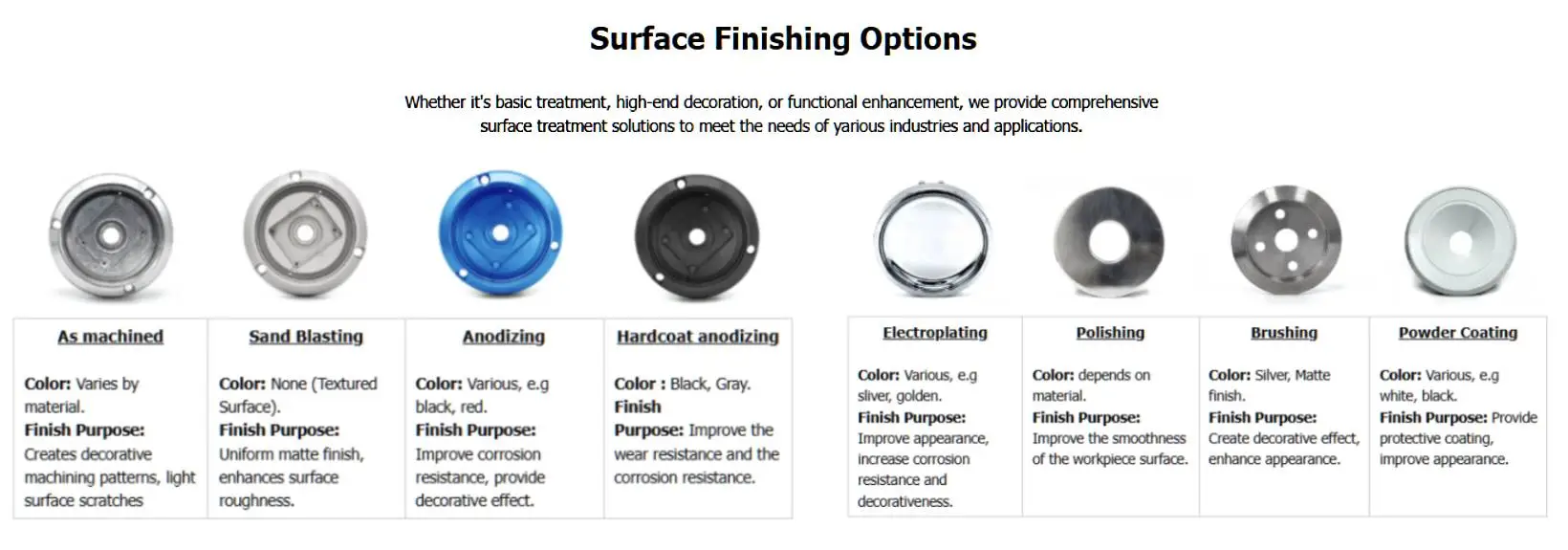
Surface finishes add to the functionality of a material beyond its basic qualities. Anti-static coats keep sensitive electrical parts safe from electrostatic discharge while they are being stored or handled. Treatments that are resistant to UV light make racks that are near windows or in outdoor storage settings last longer. Antimicrobial finishes meet the needs for cleanliness in storage areas for medical devices and food. Custom colour choices help with branding and visual order, and rough surfaces make them easier to grip for tasks that need to be done by hand.
Supplier Evaluation and Partnership Criteria
The skills of the supplier have a direct effect on the results of the project, from the initial planning to ongoing assistance. Having manufacturing certifications like ISO 9001:2015 shows that you are dedicated to quality control systems and consistent processes. RoHS compliance badges show that a product follows the rules set by the government for controlling dangerous substances. Technical skills like precise drilling, high-tech measuring tools, and quality control procedures make sure that measurements are correct and that the product works as expected.
Lead times depend on how complicated the job is and how many orders are being placed. Standard setups may be shipped within days, but fully customised designs need to be planned out by engineers, prototyped, and then improved over and over again. Minimum order amounts match the costs of tools with the prices per unit, and bulk discounts are given to customers who make bigger purchases. Long-term relationship value is increased by after-sales help, such as expert advice, the availability of new parts, and guarantee terms.
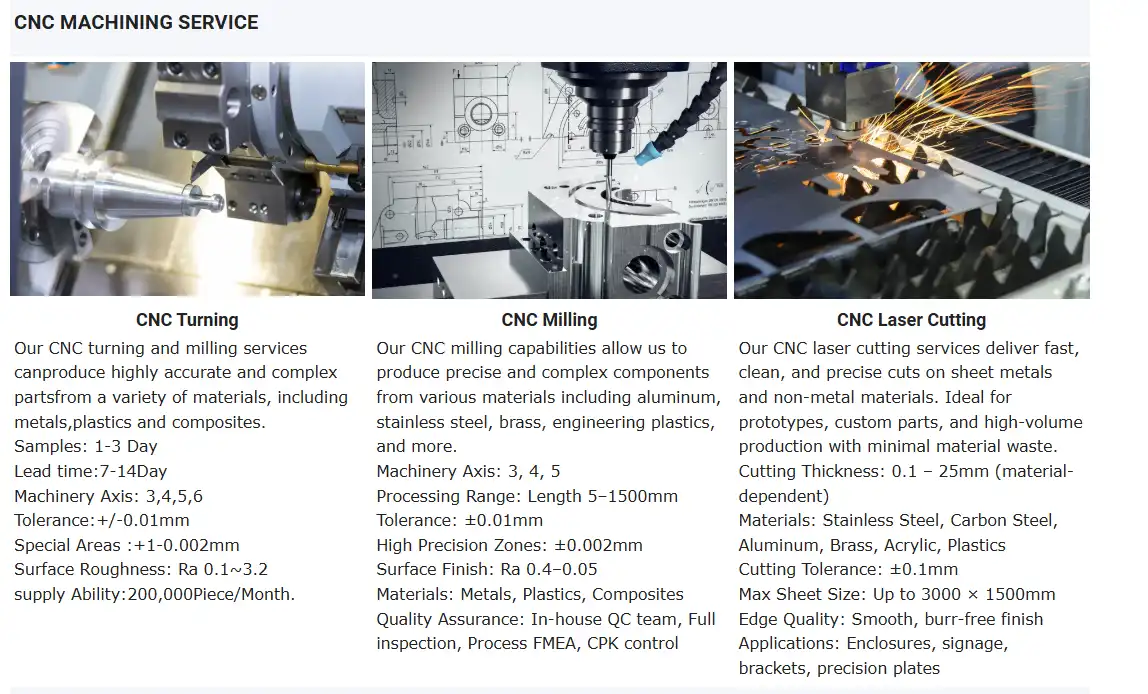
Our building is 1,600 square meters and has 32 high-tech CNC tools that can make parts with tolerances from 0.01 mm to 0.05 mm. This high level of accuracy in making ensures that handmade plastic racks meet all requirements and work well with current systems. Micrometres, visual comparators, CMM tools, and specialised scales are used in our full inspection lab to check the correctness of dimensions throughout production.
Trends and Future Developments in Customised Plastic Racks
Sustainability Initiatives Reshaping Manufacturing
Increasingly, the market demands sustainable products and environmentally responsible manufacturing methods for customised plastic rack systems. The use of recycled plastic content reduces dependence on virgin polymers while maintaining the performance characteristics required for industrial applications. Certifications that support green supply chains enhance a company's sustainability metrics and satisfy stakeholder expectations for environmental stewardship.
We are always looking at new materials that have better environmental effects without lowering the performance of structures. Material providers who are working on bio-based plastics and improved recovered formulas can help the environment while still meeting strict performance standards in the corporate world. These changes are in line with global efforts to promote the circular economy and cut down on waste in the industry supply chains.
Smart Storage Integration and Automation
The ability to connect to smart inventory management systems is a big step forward in the usefulness of storage. IoT sensors built into custom plastic racks keep an eye on the load conditions, flag any unauthorised entry, and track goods in real time without any help from a person. Automated systems for storing and retrieving things need precise control over dimensions and consistent accuracy in placement. Custom-engineered solutions do these tasks better than general ones.
Adding RFID support to rack structures makes it easier to see what's in stock and speeds up auditing processes. Monitoring temperature and humidity protects sensitive items that need to be stored in a controlled environment. By combining these technologies, static storage infrastructure is turned into active data collection networks that help with advanced analytics and repair plans that are planned ahead of time.
Supplier Selection for Long-Term Success
When looking for manufacturing partners, you should look at their track record, professional certifications, and how flexible their production is. Reliability is shown by well-known makers' track records of success in a wide range of uses and customer feedback. Quality certificates show that a company is committed to using uniform methods and methods for constant growth.
With OEM and private label options, companies can add storage solutions to their own named products or make systems that fit their own brand. Flexible manufacturing methods can handle both large-scale standardised production and small-scale specialised projects. They can also support a wide range of business models, from big transportation companies to companies that make specialised tools.
We have deep knowledge of the needs of the technology, communications, consumer goods, and transportation businesses because we have been serving them since 2019. We send our goods to more than 20 different countries, which shows that we can meet foreign quality standards and work with different rules and regulations. Our design process is based on this worldview, which makes sure that customised plastic racks work successfully in a wide range of working settings.
Conclusion
Customised high-performance plastic racks offer real operating benefits by carefully choosing the right materials, manufacturing them with precision, and making sure that the designs are best for the job. Partnerships with makers that show technical know-how, quality standards, and customer-centred service methods are helpful for procurement managers looking for storage solutions that work well and last a long time. As sustainable materials become more common and smart storage is built into these systems, they become long-term purchases that help with both efficiency and being environmentally friendly. Investments in storage systems will continue to pay off for a long time if suppliers are carefully chosen based on their certifications, skills, and experience in the field.
FAQ
What materials are best for customised plastic racks in electronics manufacturing?
HDPE and polypropylene offer optimal performance for electronics applications due to excellent dimensional stability and compatibility with anti-static coatings. These materials resist common solvents used in circuit board production while maintaining structural integrity under continuous use. Anti-static surface treatments prevent electrostatic discharge that could damage sensitive components during storage and handling operations.
How do I determine the right load capacity for my storage needs?
Calculate maximum anticipated loads, including products, packaging materials, and safety margins, accounting for temporary overloading during peak periods. Consult with engineering teams to verify that structural designs accommodate specified weights with appropriate safety factors. Our team provides load capacity testing and documentation, ensuring that customised plastic racks meet operational requirements while maintaining compliance with workplace safety regulations.
What certifications should I verify when selecting a supplier?
ISO 9001:2015 certification demonstrates a commitment to quality management systems, ensuring consistent production processes. RoHS compliance verifies adherence to environmental regulations restricting hazardous substances. Industry-specific certifications relevant to your sector provide additional assurance regarding supplier capabilities and regulatory compliance understanding.
Can existing storage systems be modified or expanded?
Modular designs facilitate incremental expansion as operational needs evolve. Compatibility between new and existing components depends on original design specifications and dimensional standards. Our engineering team evaluates existing systems and recommends modification approaches, balancing cost-effectiveness with performance enhancement objectives.
Partner with Junsion for Superior Customised Plastic Rack Solutions
Dongguan Junsion Precision Hardware Co., Ltd. stands ready as your trusted Customized plastic rack manufacturer, combining advanced precision machining with customer‑focused engineering. Our ISO 9001:2015-certified facility delivers storage solutions meeting the exacting standards of electronics, communications, consumer goods, and logistics industries worldwide. With 32 CNC machines achieving tolerances as tight as ±0.01 mm, we manufacture racks that integrate seamlessly into your operations while providing exceptional durability and performance. Contact our experienced team at Lock@junsion.com.cn to discuss your specific requirements and discover how our customised plastic rack solutions optimise your storage efficiency while meeting strict compliance standards.
References
1. Society of Plastics Engineers. (2021). Engineering Properties of Thermoplastics: A Comprehensive Guide for Industrial Applications. SPE Publications.
2. Material Handling Industry Association. (2022). Storage Systems Design and Performance Standards for Modern Warehousing Operations. MHIA Technical Journal.
3. International Organisation for Standardisation. (2020). Quality Management Systems Requirements for Manufacturing Excellence. ISO 9001:2015 Implementation Guide.
4. Journal of Applied Polymer Science. (2023). Comparative Analysis of HDPE and Polypropylene Performance in Industrial Storage Applications. Wiley Periodicals, Vol 140, Issue 8.
5. Green Manufacturing Alliance. (2022). Sustainable Materials Selection for Industrial Storage Infrastructure: Environmental Impact and Performance Considerations. GMA Research Report.
6. Industrial Storage Solutions Quarterly. (2023). Smart Storage Technologies: IoT Integration and Automation Trends Reshaping Warehouse Management. Industry Analysis Report, Q2 2023.