




What Makes Tungsten Carbide Inserts Highly Durable and Strong?
What makes tungsten carbide inserts so strong and long-lasting? The answer lies in their unique hybrid structure, which procurement managers and engineers seek. The cutting tools are made of a material that is between 8.5 and 9 on the Mohs scale, which is close to diamond toughness. It is made up of tungsten carbide grains and a cobalt binder. We make tungsten carbide inserts at Dongguan Junsion Precision Hardware Co., Ltd. with tolerances as close as ±0.01 mm. These are reliable in difficult industries like aircraft, automobile, and metalworking. This amazing engineering directly leads to longer tool life, less downtime, and big cost savings for companies all over the world.
Understanding the Core Material: What Gives Tungsten Carbide Inserts Their Strength?
Tungsten carbide inserts are strong because of the material that makes up their core. The amazing performance of tungsten carbide cutting tools comes from the careful engineering that went into their making. Procurement experts can make better choices that affect production efficiency and the bottom line when they understand these basics.
The Tungsten Carbide and Cobalt Composite Structure
Tungsten carbide is made when tungsten metal powder and carbon powder react chemically, making a very hard ceramic phase. These tungsten carbide inserts stay together because of the cobalt binder, which also makes them tougher than pure carbide. This balance is crucial—more cobalt makes the material harder for continuous grinding, while less cobalt makes it more resistant to impact during interrupted cutting processes. The mass of the material is about twice that of steel, which makes it stable during high-speed processes. This mixed structure is what makes tungsten carbide inserts so popular for cutting tasks in industry. They work much better than regular tool steels.
Material Grades and Customization Options
Different types of cutting require different kinds of carbide. Grades are put into groups by manufacturers based on grain size, cobalt percentage, and the use that the grade is meant for. For finishing tasks, fine-grain carbides provide the best edge sharpness and wear resistance, while larger grains provide the hardness needed for roughing cuts. At Junsion, we have grades that are specially made for the materials you're working with, whether you're cutting aluminum alloys like 6063, 7075, or 6061 or harder materials. Our engineering team considers your cutting factors, workpiece material, and workload to recommend grades that extend tool life and improve process efficiency.
Advanced Manufacturing Processes
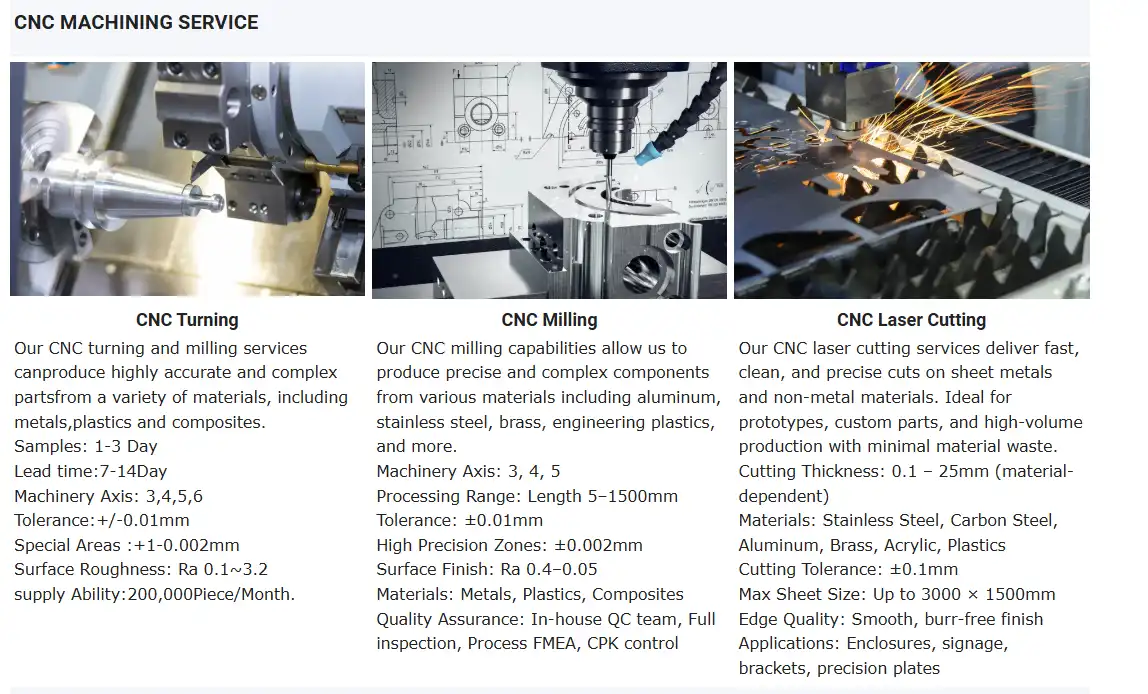
Powder metallurgy and sintering are the two main ways that carbide pieces are made. Raw tungsten and carbon powders are heated under controlled conditions until they solidify into a solid mass. This makes the thick, uniform structure that is needed for reliable performance. Modern sintering methods get the temperature just right to improve the structure of the grains without changing the qualities of the material. After sintering, precise grinding makes shapes that are accurate and have surface roughness values of Ra 0.8 μm or better. Our factory uses CNC machining, EDM, and five-axis machining to get measurements that are accurate to within ±0.01mm. This means that your tool holders and machining centers will fit and work perfectly.
The Critical Role of Coatings
Surface treatments are the last way to improve the performance of carbide cutting tools. In many situations, PVD treatment makes tools last 200 to 300 percent longer by making them less likely to wear out and reducing friction. The CVD layer is very effective at chemical stability and bonding, which is especially helpful when working with materials that are very reactive chemically. The AlTiN layer is very resistant to oxidation and can be used in high-temperature situations. It also keeps the cutting edges hard, even when they become very hot. These coatings keep heat out and stop built-up edges from forming, which is what usually leads to tools breaking too soon. As part of our production process, we select the finish based on the machine conditions you will use. This ensures the tool performs optimally from the first cut to the end of its life.
Key Factors Contributing to the Durability and Strength of Tungsten Carbide Inserts
Many factors affect how long tungsten carbide inserts last before you need to replace them. Knowing about these factors can help you get the most out of both the insert selection and operating parameters.
Microstructural Factors and Grain Size Refinement
The size of the grain has a big effect on its mechanical features. More grain boundaries are made when carbide grains get smaller. This stops cracks from spreading and makes the material harder. However, ultra-fine grains may make the material less tough, which makes inserts more likely to chip during heavy cuts that are halted. The amount of cobalt in the material balances these qualities. Typical ranges for the highest hardness are between 6% and 15%. Metallurgical research shows that the best grain size depends on the task at hand. For example, sub-micron grains work best for finishing, while micron-scale grains work better for roughing. This microstructural engineering shows why choosing the right grade has such a big effect on how well tools work and how much they cost per part.
Surface Treatment Technologies
In the last few decades, coating technologies have changed how well carbide inserts work. TiN coatings, which can be recognized by their gold color, are good for general defense and were one of the first industrial uses. TiAlN surfaces are better at withstanding heat and oxidation, so they keep the cutting edge intact at temperatures above 800°C. AlCrN surfaces work really well in situations where there are a lot of mechanical loads and changes in temperature. Multi-layer coating designs use the best qualities of each layer by combining different materials. Polished edges help chips move more easily and stop built-up edges from forming, which is a common way for sticky materials to break during cutting. These surface processes make tools last a lot longer. They often double or triple the number of parts that can be made from a single insert while keeping the same level of accuracy and quality in the finish.
Design Specificity for Different Operations
The shape of the insert has a direct effect on the cutting forces, chip removal, and temperature management. When compared to milling inserts, turning inserts have different nose radii, relief angles, and chip breaker shapes. Positive rake angles lower cutting forces but might weaken the edge, while negative rake shapes make edges strong enough for big cuts. Chip breaker patterns stop long, stringy chips that get tangled up in workpieces or damage surface finishes from forming. The width of the insert affects how well it transfers heat and how hard it is when cutting. When our engineering team creates unique solutions, they take these design factors into account to make sure that the inserts work best at your specific machining speeds, feed rates, and depths of cut. This method is tailored to the application and increases output while lowering tool costs.
Comparative Insights: Why Tungsten Carbide Leads over Alternatives
Choosing the right material has a big effect on the cost and skills of cutting. Tungsten carbide inserts are used most often in industry for strong reasons that have a direct effect on purchasing decisions.
Performance Advantages Over Ceramics and Cermets
Ceramic inserts are very hard, even when heated, which lets them cut at very high speeds when working with hardened steels. Ceramics, on the other hand, are not very tough, so they can break very easily when hit or vibrated. Milling processes often have cuts that are interrupted, which can cause ceramic inserts to fail too soon. Cermets are made up of both ceramic and metallic phases. They have qualities in between carbides and pure ceramics, but they are only useful in a few situations. Tungsten carbide always has better toughness and thermal stability in a wide range of machining situations, from roughing to finishing and from constant to irregular cutting. This makes it easier to keep track of supplies because fewer types of inserts can be used in more situations. When carbide tools are the mainstay of a manufacturing facility's cutting tool program, it makes tooling methods easier, and training needs are lower.
Grade Optimization for Different Materials
When cutting stainless steel, cast iron, or non-ferrous materials, you need different types of carbide than when you're cutting steel. When cutting steel, it's best to use evenly hard types, with medium grain sizes and a reasonable amount of cobalt. When cutting, stainless steel gets very hot and hardens quickly, so types with better hot hardness and crater wear protection are needed. Because cast iron is rough, it needs very hard grades with little cobalt. On the other hand, aluminum and other non-ferrous materials do better with sharp, smooth cutting edges that keep edges from building up. Choosing the right grades for your unique workpiece materials has a huge impact on the life of your tools. For example, if you match your inserts correctly, they can last 50–200% longer than with general-purpose grades. This improvement has a direct effect on your production rate and cost per part.
Real-World Performance Data
Case studies in manufacturing show how choosing the right carbide insert can save money. A company that makes parts for cars improved the life of their tools from 45 to 180 parts per edge by moving from general-purpose carbide grades to application-optimized grades. This cut the annual cost of the tools by 68%. A company that makes medical devices was able to keep its tolerances within ±0.01mm across all of its production runs by using precision-ground parts with the right coatings. This cut down on costly scrap and repairs. Tool life was increased by 250% in aerospace machining by adjusting the insert grade, finish, and cutting settings. These recorded results show why procurement pros are starting to see cutting tools less as common purchases and more as strategic investments that affect how competitive manufacturing is as a whole.

Best Practices for Maintaining and Maximizing the Lifespan of Tungsten Carbide Inserts
Whether tungsten carbide inserts work as well as they should or break down too soon depends on how well they are installed and maintained.
Optimizing Cutting Parameters and Compatibility
The insert's specifications and the qualities of the workpiece material must match when it comes to cutting speed, feed rate, and depth of cut. Too fast speeds create heat that speeds up the wear on craters and the failure of coatings. When speeds are too slow, they rub instead of cutting, which breaks down the edge too soon. Feed rates affect chip width and cutting forces; choosing the right one will keep chips from forming while increasing the rate at which material is removed. Tool holder fit makes sure that the clamping is rigid, which stops shaking and micromovement, which are common reasons why inserts fail too soon. The state of the machine tool has a big impact on how well the insert works. For example, spindle runout, poor stiffness, or lack of power can speed up wear. Customers can get help from our expert support team to find the best settings for their machine, holder, insert, and workpiece material.
Regular Inspection and Monitoring Protocols
Systematic inspection finds patterns of wear before they lead to a catastrophic failure. When looked at closely, side wear, crater wear, chipping, and coating loss can be seen. Measuring tools keep track of how much wear something is getting so that repair choices are based on data instead of random time intervals. Keeping an eye on cutting forces and vibrations can help you spot problems before they get too bad. The way chips look tells you if the cutting conditions are still good. Their color, shape, and size show the temperatures, forces, and how well they are being pushed away. Setting inspection times based on production volume and how important a part is stops unexpected failures that damage workpieces or cause deliveries to be late. By avoiding scrap, rework, and unexpected downtime, these preventative maintenance methods lower the overall cost of machining.
Procurement Strategies and Supplier Evaluation
Supplier trust has a direct effect on the quality of the inserts and the dependability of the supply chain. Well-known companies keep the quality of their products high by carefully controlling the production process and testing the materials they use. Getting ISO 9001:2015 approval shows that you care about quality management systems, and RoHS compliance shows that you care about the environment. By checking the validity of the product, you can avoid selling fake inserts that break early and hurt your image. Reliable delivery affects production schedules and the cost of keeping goods on hand; sellers who offer responsive transportation help lean manufacturing efforts. Technical support helps solve application problems fast, which cuts down on the costs of trying things and seeing what works and what doesn't. Building partnerships with reliable makers gives you a competitive edge through custom solutions, faster shipping during shortages, and working together to build application-specific tools.
Purchasing Guide: How to Choose Durable Tungsten Carbide Inserts for Your Business?
When making strategic purchases, you weigh the short-term prices against the total cost of ownership and how well the product will work in the long run. A systematic review makes sure that the best results happen for your tungsten carbide inserts.
Defining Your Specific Requirements
A clear recording of your cutting needs is the first step to good selection. What kinds of materials do you machine the most? What operations—turning, grinding, drilling—make up most of your production? What kinds of standards and finishes do your parts need? How many units of production are needed to warrant buying specialty grades in bulk? Depending on your budget, it may make more sense to buy cheap uncoated inserts instead of expensive coated ones. The cutting factors that can be used are limited by the machine tool, which affects which insert grades work best. Whether partial or continuous cutting takes place depends on how the workpiece is set up. By gathering this information, you can have useful conversations with sellers and make sure that their suggestions are based on your specific needs, not just general answers.
Evaluating Insert Specifications
The type of insert includes form, size, thickness, and how it is mounted. The nose radius, cutting edge angle, and chip breaker form are all parts of geometry. The grade number tells you what kind of carbide it is, how big the grains are, and what kinds of uses it is meant for. Wear protection and thermal efficiency are affected by the type and thickness of the coating. How the edge is prepared—sharp, polished, or chamfered—affects the cutting forces and how long the edge lasts. Tolerance class determines how accurate and consistent measurements are, which is very important for keeping tight tolerances on workpieces. By knowing these specifications, you can compare suppliers and goods in a useful way. Our engineering team at Junsion helps customers understand how to read specifications by showing them how each measure affects performance in their unique situations.
Supplier Selection Criteria and Partnership Benefits
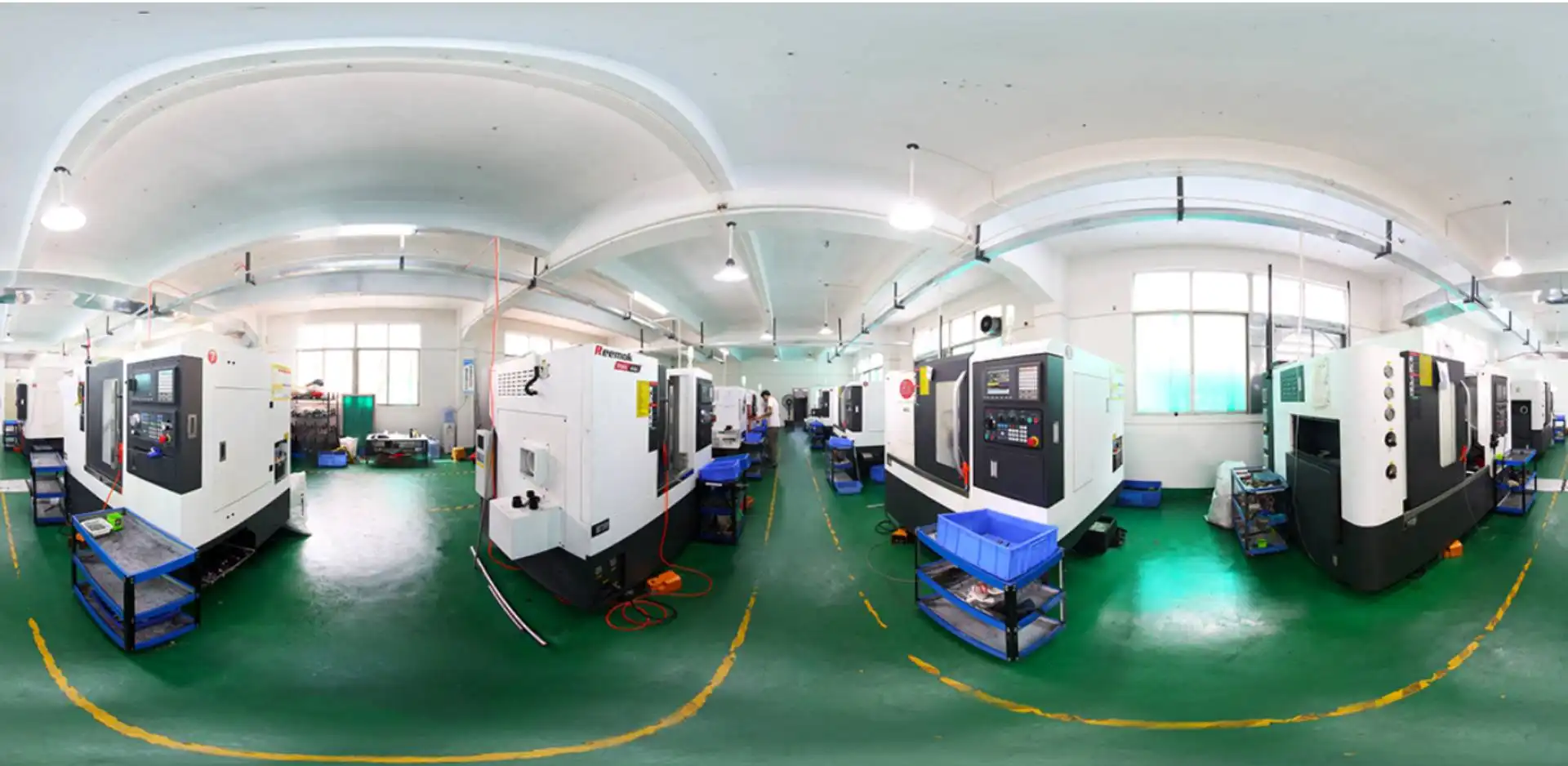
There's more to picking production partners than just comparing prices. If providers can offer custom geometries, specialized grades, or unique coating mixtures, it depends on how well they can make their products. Quality approvals give customers faith that a product will always work as it should. How quickly application problems are fixed depends on how quickly technical help responds. Flexible delivery plans can adapt to changing production schedules and urgent needs. Inventory investments and cash flow are affected by minimum order amounts. Well-known brands like Sandvik, Kennametal, Mitsubishi, Seco Tools, and Walter are known for making high-quality products. On the other hand, niche brands like Junsion offer unique OEM solutions with quick response times. Our workshop is 1,600 square meters and has 32 high-tech CNC machines. These machines allow us to make custom items with wait times that work with your production schedule. We send goods to more than 20 different countries, which shows that we can meet a wide range of quality and service standards around the world.
Conclusion
The designed composite structure, optimal grain size, strategic cobalt content, and improved surface coatings of tungsten carbide inserts make them very durable. When buying, workers know about these factors; they can choose inserts that make tools last longer and cost less per part. Carbide tools work as well as they can if they are made with the right grade, cut at the right angle, and are maintained in a planned way. When you work with makers who can give you technical know-how, quality standards, and quick support, you get a competitive edge that goes beyond the cutting edge and into making your manufacturing more efficient and profitable as a whole.
FAQ
What makes tungsten carbide harder than steel?
Tungsten carbide is between 8.5 and 9 on the Mohs scale because it is made up of ceramic crystals, while steel is only about 6.5 on the scale. The covalent bonds between the atoms of tungsten and carbon make the metal very hard to bend. The cobalt binder makes it tougher without lowering its hardness too much.
How do coatings extend insert life?
Coatings keep heat out and make surfaces that don't break down easily, which lowers friction and heat transfer to the carbide base. PVD and CVD coatings keep their hardness at high temperatures, stop chemicals from reacting with the materials of the body, and lower the amount of adhesive wear that leads to edges that build up. When compared to uncoated inserts, these protected layers usually make tools last twice or three times longer.
Can tungsten carbide inserts be resharpened?
It is possible to resharpen some insert shapes, especially bigger turning inserts, at a low cost. Precision grinding is used to remove old material and sharpen cutting edges. Recoating may also be used to improve performance. However, throwaway indexable inserts with multiple cutting edges are usually cheaper than resharpening because the cost of work is usually higher than the cost of a new insert.
Partner with Junsion for Premium Tungsten Carbide Insert Solutions
You can trust Dongguan Junsion Precision Hardware Co., Ltd. to make high-quality tungsten carbide inserts. Their precision-engineered cutting tools are perfect for the electronics, automobile, aircraft, and medical device industries, which have very strict needs. Our cutting-edge factory has advanced CNC machining, EDM, and five-axis processing tools that let us make parts with surface finishes of Ra0.8μm and tolerances of ±0.01mm. We offer a wide range of surface processes, such as PVD coating, CVD coating, and AlTiN coating, that can be tailored to your unique machining needs. Our quality control system is ISO 9001:2015 certified, and we follow RoHS rules to make sure that our products are always of the highest standard and are good for the environment. Our responsive engineering team works with you to find the best tool, cutting settings, and application strategies, whether you need standard geometries or unique OEM solutions. Talk to our experts at Lock@junsion.com.cn about how our precision carbide inserts can help you save money on tools and make your work more efficient.
References
1. Sandvik Coromant Technical Reference Manual: "Tungsten Carbide Grades and Microstructure Effects on Tool Performance," 2022 Edition.
2. ASM International Handbook Committee: "Powder Metal Technologies and Applications," Materials Park: ASM International, 2021.
3. Kennametal Manufacturing Standards: "PVD and CVD Coating Technologies for Carbide Cutting Tools," Technical Publication Series, 2023.
4. International Journal of Machine Tools and Manufacture: "Grain Size Effects on Mechanical Properties of Cemented Carbides," Volume 178, March 2022.
5. Society of Manufacturing Engineers: "Optimizing Tool Life Through Grade Selection and Cutting Parameter Control," SME Technical Papers, 2023.
6. Journal of Materials Processing Technology: "Comparative Analysis of Carbide, Ceramic, and Cermet Cutting Tool Performance in Industrial Applications," Volume 312, February 2023.