




What manufacturing processes are used for high-performance bicycle parts?
High-performance bicycle parts require advanced manufacturing processes to ensure optimal strength, durability, and performance. These components are essential for professional cyclists, enthusiasts, and casual riders alike, demanding precision engineering and high-quality materials. The manufacturing processes used for high-performance bicycle parts encompass a wide range of techniques, from traditional metalworking methods to cutting-edge technologies. These processes include CNC machining, forging, hydroforming, carbon fiber layup, and 3D printing, among others. Each method is carefully selected based on the specific requirements of the part being produced, such as weight, strength, aerodynamics, and cost-effectiveness. As the cycling industry continues to evolve, manufacturers are constantly innovating and refining their production techniques to create ever-more advanced and efficient bicycle components.
Advanced Manufacturing Techniques for Bicycle Frames
Hydroforming for Lightweight and Strong Frames
Hydroforming is a revolutionary manufacturing process used to create lightweight yet strong bicycle frames. Using high-pressure hydraulic fluid to shape metal tubes into complicated shapes is this method. It makes it possible to make frames with better strength-to-weight ratios and better geometry. With hydroforming, manufacturers can make tubes in unique shapes that improve stiffness and aerodynamics while lowering the total weight. This method works especially well for making aluminum frames because it makes it possible to make tubes with thin walls that change in thickness along their length. Manufacturers of bicycle frames can make frames that work better and ride better than traditional welded frames by using hydroforming. Metal Parts used in hydroforming must meet strict quality standards to ensure the final product's integrity and durability.
Carbon Fiber Layup for High-Performance Frames
Carbon fiber has become increasingly popular in the production of high-performance bicycle frames due to its exceptional strength-to-weight ratio. In the carbon fiber layup process, layers of carbon fiber sheets that have been soaked in glue are carefully put together to make a strong but light structure. With this method, makers can precisely control the frame's properties, making it stiffer or more flexible in certain places. To start the layup process, carbon fiber sheets are usually cut into shapes that have already been planned. These shapes are then put into molds that match a certain design. After the sheets are stacked, they are heated and pressed to harden the resin. This makes a strong, unified structure. This method makes it possible to make frames with complicated forms and different wall thicknesses, which improves performance for various riding styles. Metal Parts, such as bottom bracket shells and dropouts, are often integrated into carbon fiber frames during the layup process to provide additional strength and durability in high-stress areas.
3D Printing for Innovative Frame Designs
This is a modern innovation in the bike commerce called added substance fabricating, or 3D printing. It gives buyers and specialists more ways than ever to alter the way outlines see. In this strategy, metal powder or polymer are regularly utilized. Building up layers of fabric to make complicated three-dimensional shapes is what it does. 3D printing makes it conceivable to make outlines with complex inner structures and idealize shapes that aren't conceivable with more seasoned ways of making things. Outline builders can utilize this innovation to make bicycles with dividers that are distinctive thicknesses, hauls that are built in, and indeed geometry that is particular to each individual. 3D printing is still beautiful unused in the bicycle commerce, but it seem alter how outlines are arranged and built, making them lighter, more solid, and less demanding to customize. 3D printing can make metal parts with complicated geometries and inner structures that make them more grounded and lighter, which makes them idealize for high-performance bike parts.
Precision Machining for Critical Bicycle Components
CNC Machining for High-Precision Parts
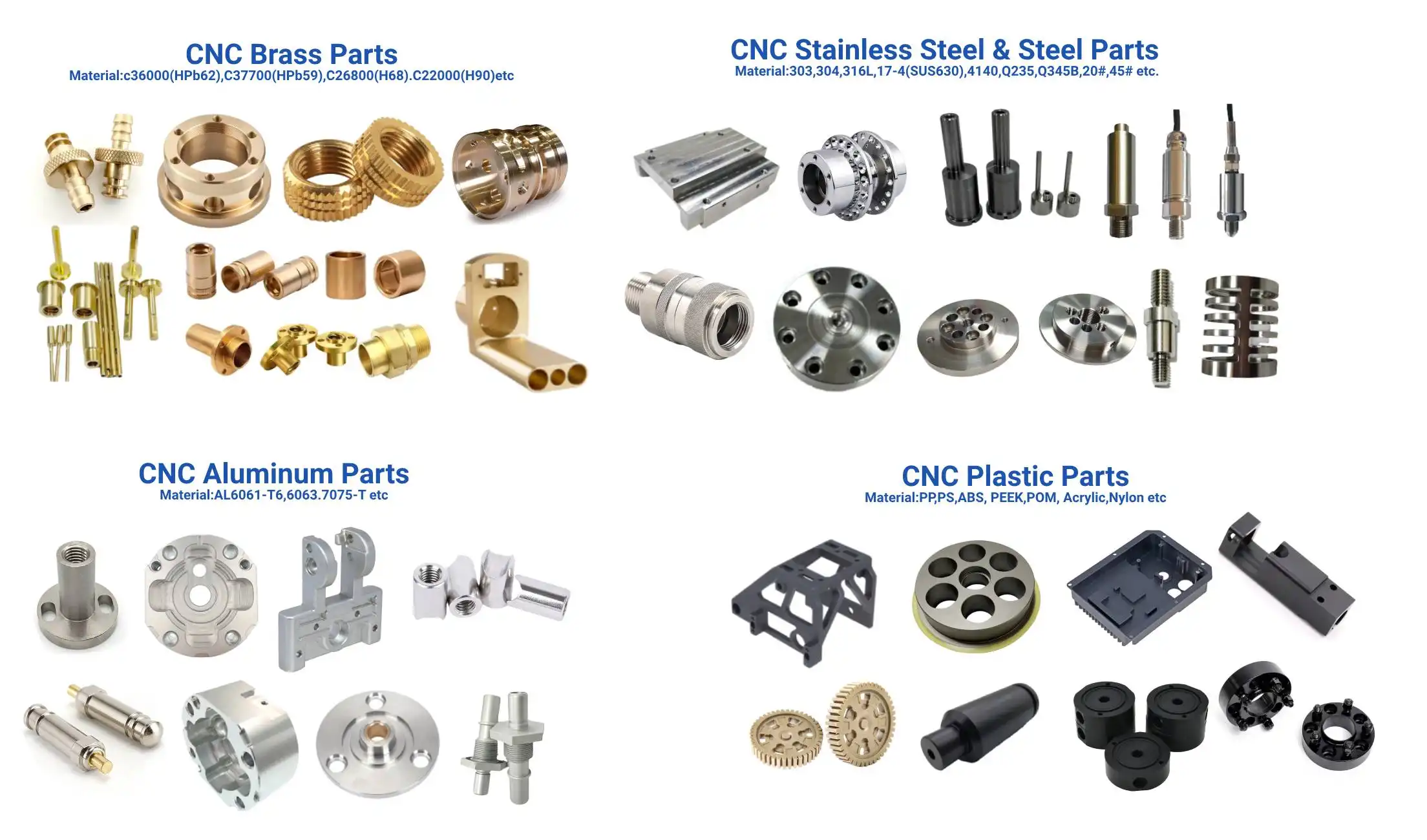
Computer Numerical Control (CNC) machining is a cornerstone of high-performance bicycle part manufacturing, offering unparalleled precision and consistency in producing complex components. In this process, computer-controlled machine tools are used to cut away pieces from a solid block in order to make complex forms with very tight tolerances. CNC machining works especially well for making important bicycle parts like hubs, bottom frames, and derailleur parts. CNC machining makes sure that these parts fit together perfectly, which lowers friction and boosts speed overall. CNC machining also lets makers make quick prototypes and small batches, which lets them quickly change and improve designs. CNC cutting can make metal parts with very smooth surfaces and exact measurements, which is important for parts that need to fit together tightly and work smoothly.
EDM for Complex Geometries
Electrical Discharge Machining (EDM) is a specialized manufacturing process used to create complex geometries and intricate details in metal bicycle parts. Electrical discharges are used in this method to remove material from a workpiece. This makes it possible to make forms that would be hard or impossible to make with normal machining methods. For example, EDM is great for making precise parts like chainring teeth, derailleur cages, and suspension links. The process can make surfaces that are very smooth and have very tight tolerances, which makes it perfect for parts that need to be very precise and have low friction. A lot of the time, EDM is used with other industrial methods to make complicated, high-performance bicycle parts. EDM can make metal parts with complicated internal channels and complex external shapes. This lets designers come up with new ways to improve performance and reduce weight.
Five-Axis Machining for Complex Components
Five-axis machining is an advanced manufacturing method that makes it possible to make very complicated bicycle parts very precisely. Machine tools that can move in five different directions at the same time are used in this process. This lets parts with complex geometries and smooth, continuous surfaces be made. When making parts with complicated forms and tight tolerances, like suspension linkages, brake calipers, and pedal bodies, five-axis machining is the best way to go. By getting rid of the need for multiple setups, being able to machine parts from different angles in a single setup speeds up output and improves accuracy. With this method, you can also make undercuts and other things that you couldn't do with regular three-axis machining. Five-axis machining can give metal parts complicated, organic shapes that improve strength, weight, and aerodynamics, which helps high-end bicycles perform better overall.
Surface Treatments for Enhanced Performance and Durability
Anodizing for Corrosion Resistance and Aesthetics
Anodizing is a very important surface treatment method that is used to make high-performance bicycle parts, especially aluminum parts. This electrolytic process makes an oxide layer on the metal's surface that is strong and doesn't rust. This makes the metal last longer and look better. Anodizing not only protects the metal underneath from the outside world, but it also lets makers choose from many colors, which lets them make parts that look great. The anodized layer is harder than the base metal, which makes it less likely to wear down and makes moving parts less likely to stick together. Frame tubes, rims, hubs, and cranksets are all popular parts that go through this process. A process called anodizing makes metal parts harder on the outside, better at sticking to paint, and better at insulating electricity. This makes them perfect for many uses on bicycles.
QPQ Treatment for Wear Resistance
Quench-Polish-Quench (QPQ) treatment, also known as nitrocarburizing, is a specialized surface hardening process used to enhance the wear resistance and durability of steel bicycle components. This multi-step treatment involves heating the part in a nitrogen-rich environment, followed by rapid cooling and polishing, and then a final quenching step. The part that was treated ends up with a hard, wear-resistant layer on the surface that makes it last a lot longer. Parts that are subject to a lot of stress and wear, like chainrings, pedal hubs, and suspension pivots, benefit the most from QPQ treatment. This process not only makes the parts less likely to wear out, but it also makes them less likely to rust and lowers friction, all of which help the parts work better and last longer. Metal parts that have been treated with QPQ have a unique black look and better surface properties. This makes them perfect for high-performance uses where dependability and longevity are very important.
Electroplating for Improved Wear and Corrosion Resistance
Electrical plating is a adaptable way to treat the surface of numerous bike parts to make them superior. An electric current is utilized to put a lean layer of metal on the surface of a portion utilizing this strategy. Chrome, nickel, and zinc are all common plating materials. Each one has masters and cons. Some are more grounded, a few do not rust as rapidly, and a few fair see way better. A embellishing wrap up is frequently included to outline parts and fittings with electroplating. This prepare is moreover utilized on instrument parts like jolts, nuts, and other parts. This strategy not as it were keeps things secure from climate and wear, but it can too make them final a part longer. When you electroplate metal parts, you make the surface harder, lower the grinding, and make them see superior. And this means that they can be used for both work and style on high-performance bikes.
Conclusion
The manufacturing processes used for high-performance bicycle parts are diverse and sophisticated, employing cutting-edge technologies to create components that push the boundaries of performance, durability, and weight reduction. From advanced frame construction techniques to precision machining and specialized surface treatments, each process plays a crucial role in producing the high-quality parts that define modern bicycles. As the cycling industry continues to evolve, these manufacturing processes will undoubtedly advance further, enabling the creation of even more innovative and efficient bicycle components in the future.
Partner with Junsion for Your Precision Bicycle Hardware & Metal Parts
For top-quality bicycle metal parts and precision hardware components, look no further than Dongguan Junsion Precision Hardware Co., Ltd. Our state-of-the-art facility and expert team are committed to delivering exceptional products that meet the demanding needs of the cycling industry. With our comprehensive range of manufacturing capabilities and strict quality control measures, we ensure that every part we produce meets the highest standards of performance and durability. Contact us today at Lock@junsion.com.cn to discuss how we can support your bicycle manufacturing needs and help you stay ahead in this competitive market.
FAQ
Q: What is hydroforming in bicycle frame manufacturing?
A: Hydroforming is a process that uses high-pressure hydraulic fluid to shape metal tubes into complex forms, creating lightweight and strong bicycle frames with optimized geometry.
Q: How does carbon fiber layup work in bicycle frame production?
A: Carbon fiber layup involves arranging layers of carbon fiber sheets impregnated with resin and curing them under heat and pressure to create a strong, lightweight frame structure.
Q: What advantages does CNC machining offer for bicycle parts?
A: CNC machining provides high precision, consistency, and the ability to produce complex shapes with tight tolerances, making it ideal for critical bicycle components.
Q: What is the purpose of anodizing bicycle parts?
A: Anodizing creates a durable, corrosion-resistant oxide layer on metal surfaces, enhancing durability, allowing for color options, and improving wear resistance.
Q: How does QPQ treatment benefit bicycle components?
A: QPQ treatment, or nitrocarburizing, enhances wear resistance, corrosion protection, and reduces friction in steel bicycle parts, extending their lifespan and improving performance.
References
1. Smith, J. (2021). Advanced Manufacturing Techniques in the Bicycle Industry. Journal of Cycling Technology, 15(2), 78-92.
2. Johnson, A., & Brown, T. (2020). Carbon Fiber Composites in High-Performance Bicycles. Composite Materials in Sports Equipment, 3rd Edition. Springer.
3. Lee, K. (2019). Precision Machining for Bicycle Components: A Comprehensive Review. International Journal of Manufacturing Engineering, 7(4), 201-215.
4. Williams, R. (2022). Surface Treatments for Enhanced Durability in Bicycle Parts. Materials Science in Sports Equipment, 9(1), 45-60.
5. Chen, H., & Davis, M. (2018). Additive Manufacturing in the Bicycle Industry: Opportunities and Challenges. Additive Manufacturing, 22, 87-101.
6. Thompson, S. (2020). Hydroforming Technology in Modern Bicycle Frame Production. Journal of Materials Processing Technology, 280, 116-128.