




What to Consider When Sourcing Insert Parts in Bulk?
When purchasing a lot of insert parts, procurement managers need to check the supplier's dependability, technical accuracy, fit with materials, and cost-effectiveness to make sure production doesn't stop, and quality stays the same. When buying a lot of threaded inserts, press-fit fasteners, and other specialised parts, it's important to pay close attention to tolerance standards (usually ±0.01mm for important uses) and certifications like ISO 9001:2015 and RoHS compliance. To keep the integrity of assemblies in automation equipment, medical devices, aerospace systems, and consumer electronics, good sourcing strategies balance more than just unit price. They also look at delivery times, customisation options, and risk-mitigation protocols.
Understanding the Importance of Bulk Sourcing Insert Parts
Bulk buying is a completely new way to buy things that has a direct effect on the speed and efficiency of production, as well as the bottom line. In many fields, from robots to car making, the structural backbone of assemblies is made up of threaded inserts, molded-in fasteners, and press-fit components. Manufacturing cost analyses show that when we buy these precision fasteners in bulk, we can get lower prices per unit, which can cut our total component costs by 18–30% compared to buying them one at a time. When procurement teams set up bulk ordering relationships, the security of the supply chain gets a lot better. We get stable stocking levels that keep production from stopping because of a lack of parts, which is especially important during busy manufacturing periods. The strategic advantage includes more than just instant cost savings. It also includes better logistics, consolidated shipping, and easier management of vendors.
Key Criteria for Choosing the Right Insert Parts Supplier
Supplier Certifications and Quality Management Systems
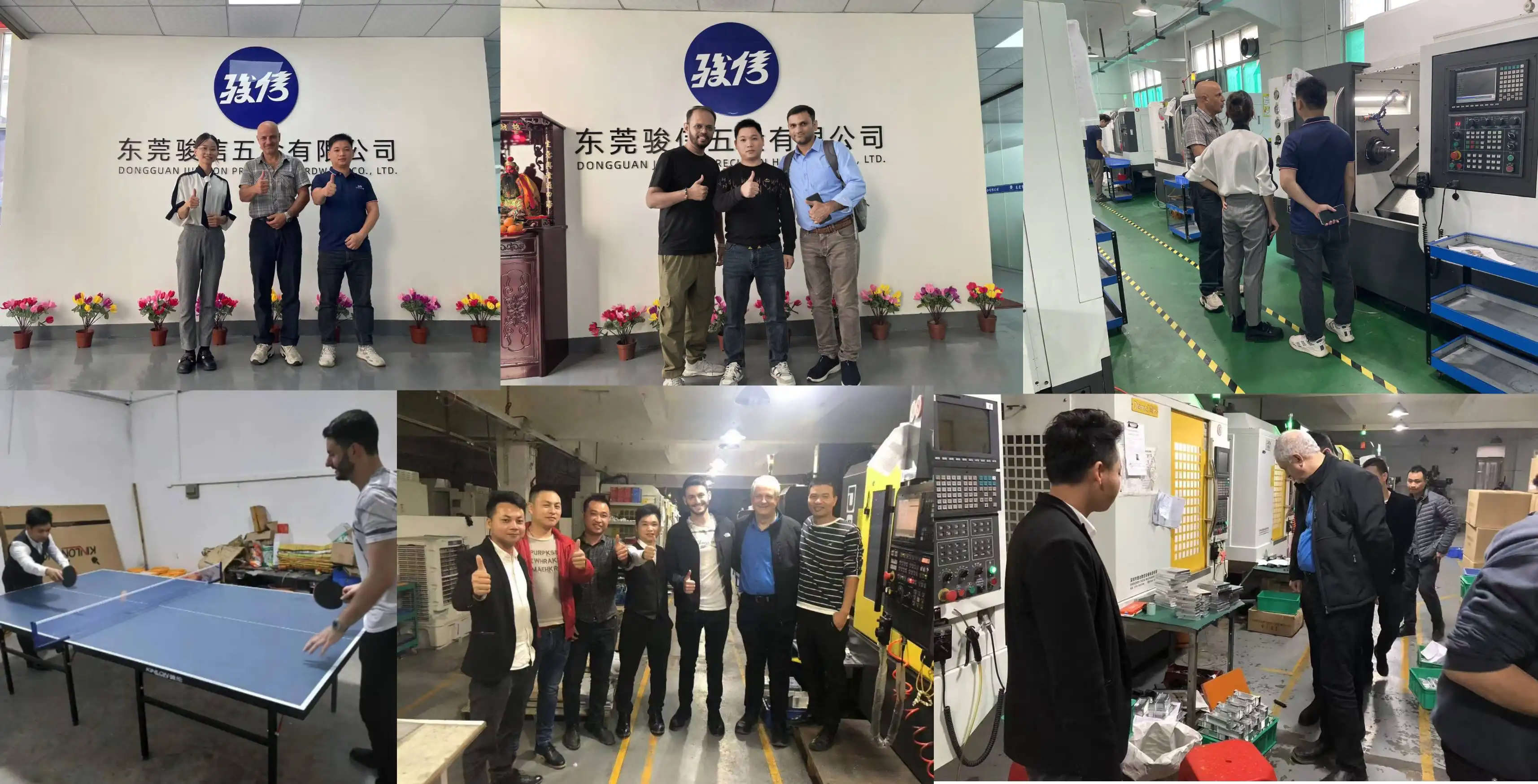
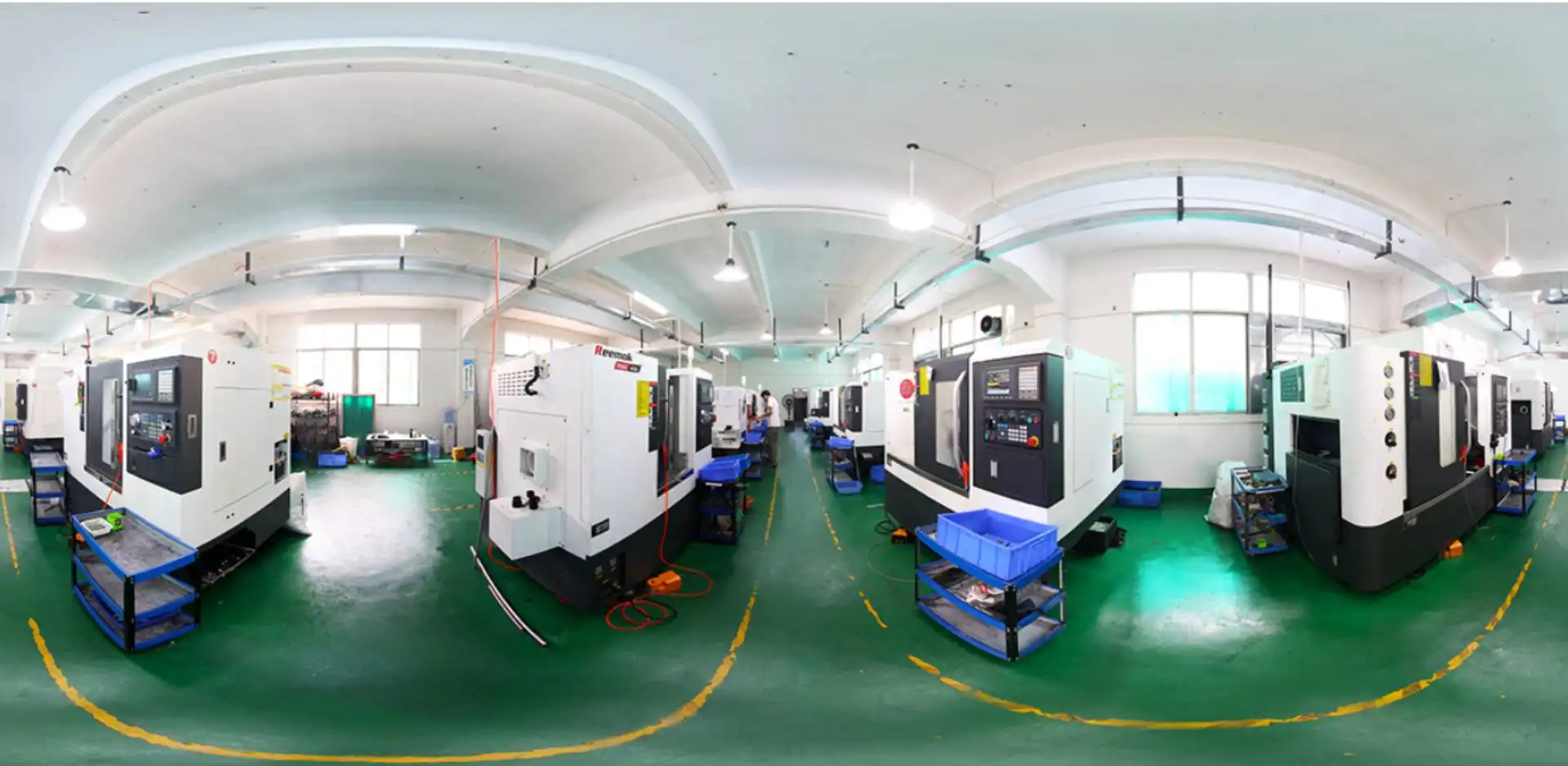
Dependable suppliers show their dedication by getting certificates that are recognised all over the world. We give more weight to manufacturers who are certified to ISO 9001:2015, which means they will handle quality in a planned way throughout the whole production process. RoHS compliance protects the earth and allows products to be sold in all countries around the world. Dongguan Junsion Precision Hardware Co., Ltd. was founded in 2019 and has these certifications. They run their business out of a 1,600-square-meter building with 32 high-tech CNC machines that can give tolerances of 0.01mm. This infrastructure makes it possible for 316, 304, 303, and 410 stainless steel products to be precisely machined across production runs, insert parts using CNC turning, five-axis machining, and stamping.
Communication, Transparency, and Technical Support
Clear lines of contact that speed up problem-solving and technical clarification are key to building strong relationships with suppliers. We judge suppliers by how quickly they answer engineering questions, how willing they are to give us specific material certifications, and how well they can adapt to changes in the design during the prototyping phase. Partners who offer technical help in multiple languages and keep easy-to-reach contact points for urgent production issues are good for procurement teams.
Logistics Infrastructure and Lead Time Reliability
The speed at which deliveries are made affects both the schedule for production and the rate at which material is turned over. Suppliers with strong logistics networks keep shipping times as short as possible and offer a range of shipping choices that work with just-in-time manufacturing needs. We look at past on-time delivery rates, which for important parts should always be higher than 95%. Being close to major shipping hubs cuts down on transportation costs and carbon emissions while speeding up emergency replenishment processes.
Technical Considerations When Selecting Insert Parts
Material Selection for Application-Specific Requirements
The properties of a material decide how long a part lasts and how well it works under operational stress. Depending on the climate and the amount of mechanical load, different grades of stainless steel have different benefits. Because it contains molybdenum, Type 316 stainless steel is better at resisting corrosion in marine and chemical processing settings. This makes it perfect for medical instruments and food processing equipment. Type 304 stainless steel is good for general-purpose uses because it is easy to shape and weld. Type 303 stainless steel, on the other hand, is easier to make and is better for making a lot of complex shapes. After being heated, Type 410 stainless steel becomes harder, making it suitable for use in wear-resistant parts of industrial equipment.
Precision Tolerances and Surface Finish Standards
The integrity of the assembly relies on how well the dimensions and surfaces are made. We set tolerances of ±0.01mm for important mating surfaces where the fit of a component affects how well it aligns, dampens vibrations, or seals. Specifications for surface roughness, like Ra0.8µm or finer, lower friction coefficients, and making things more resistant to fatigue under repeated loads. For these precise needs, you need advanced manufacturing tools, like five-axis machining and precision grinding, that can keep the quality of big production batches the same.
Customization Capabilities and Design Flexibility
Standard catalogue parts don't usually solve the unique engineering problems that come up in AI systems, aircraft assemblies, or specialised robotics uses. We're looking for suppliers who can fully customise their products, from changing the thread profiles to creating unique geometries that make the best use of load distribution. Design freedom includes different surface treatments, such as anodising for aluminium parts, electroplating in zinc or nickel to make them last longer, passivation for stainless steel to make it less likely to rust, and special coatings like electrophoresis that cover complex shapes evenly.
Here are the core advantages suppliers must deliver to meet modern engineering demands:
- Dimensional adaptability allowing modifications to standard thread pitches, insert lengths, and outer diameters without prohibitive tooling costs
- Material versatility encompasses alloys beyond standard offerings, including exotic metals and insert parts for extreme temperature or corrosive environments
- Scalability supporting prototype quantities through full production volumes while maintaining consistent quality parameters
- Integration support providing CAD models, installation torque specifications, and compatibility testing data that accelerate product development cycles
These capabilities enable engineering teams to solve geometric constraints, optimize weight-to-strength ratios, and meet specialized functional requirements unavailable through off-the-shelf fastener catalogs.
Cost Optimization Strategies for Bulk Insert Parts Sourcing
Total Cost of Ownership Analysis
Procurement decisions based solely on unit pricing overlook significant expense categories that accumulate throughout the supply chain. Total cost of ownership encompasses freight and customs duties, warehousing expenses for temperature-controlled storage, quality inspection labor, and potential rework costs from defective batches. We calculate TCO by adding these ancillary expenses to base component prices, revealing that the lowest-quoted supplier may actually cost 15-22% more when comprehensive factors receive consideration. Volume discount structures become more favorable at specific quantity thresholds. Manufacturers typically offer 8-12% reductions at 5,000-unit orders, with additional savings reaching 18-25% at 50,000-unit volumes. Long-term supply agreements spanning 12-36 months provide price stability that protects against raw material fluctuations affecting stainless steel markets, where nickel and chromium prices can vary 20-30% annually based on global commodity trends.
Balancing Cost Against Quality and Reliability
Low-cost alternatives frequently compromise dimensional consistency or utilize inferior metallurgy that fails prematurely under operational stress. We've observed that threaded inserts priced 30-40% below market rates often exhibit tolerance deviations exceeding ±0.05mm, causing assembly interference or insufficient thread engagement. Material substitutions may reduce corrosion resistance, leading to field failures that generate warranty claims exceeding the initial component savings by 300-500%. Data analytics tools enhance demand forecasting accuracy by analyzing historical consumption patterns, production schedules, and seasonal fluctuations. Advanced planning systems reduce safety stock requirements by 20-35% while maintaining 99%+ service levels, freeing working capital previously locked in excess inventory. These platforms integrate with supplier production schedules, enabling just-in-time delivery that minimizes storage costs and obsolescence risks.
Risk Management and Quality Assurance in Bulk Procurement
Quality Inspection Protocols and Testing Standards
Certifications of arriving materials that list their chemical makeup, mechanical properties, and heat treatment history are the first step in a thorough quality check. We use statistical process control sampling plans that are in line with ISO 2859-1 standards. We use coordinate measuring machines and optical comparators to check the size accuracy of random samples from each production lot. Thread gauging checks that the pitch diameter, major diameter, and thread form meet the standards of ASMI B1.1 or ISO 68-1, depending on the design. Independent validation of important characteristics is done by third-party testing labs. Tensile strength testing shows that the qualities of a material meet or go beyond the minimum requirements. For 304 stainless steel, this is usually 515 MPa yield strength. As per ASTM B117, salt spray testing checks how well something resists rust. This is especially important for parts that will be used in cars or boats. Metallurgical analysis finds wrong alloy composition or manufacturing flaws in parts before they are put together in production units.
Supply Chain Disruption Contingency Planning
Manufacturing continuity depends on resilient supply networks capable of inserting parts, withstanding geopolitical tensions, natural disasters, or capacity constraints. We develop contingency strategies incorporating qualified secondary suppliers who maintain production capabilities for critical components, ensuring alternative sources during primary supplier disruptions. Safety stock calculations balance carrying costs against stockout risks, typically maintaining 4-8 weeks of inventory for long-lead items or sole-source components. Dual-sourcing strategies distribute procurement volumes across multiple manufacturers, preventing complete dependency on single suppliers while maintaining competitive pricing through volume commitments. Geographic diversification reduces regional risk exposure—combining Asian manufacturing efficiency with North American proximity advantages creates supply chain flexibility that responds rapidly to demand shifts or transportation disruptions.
Regulatory Compliance and International Trade Requirements
When you buy something across borders, you have to follow rules about customs clearance, product responsibility, and the environment. RoHS rules limit the use of dangerous materials in electronic assemblies sold in Europe and demand that material declarations and testing records be made available. REACH rules say that goods that come into contact with chemicals must be registered. We make sure that suppliers keep their compliance certifications up to date and give us detailed material safety data sheets that show the lack of restricted substances. The Harmonised Tariff Schedule codes used to classify imports set duty rates and determine who can join preferential trade agreements. Correct classification avoids delays at customs and ensures that duty drawback chances are fully utilised. Under deals like the USMCA, proof of country of origin is needed to get preferential tariff treatment, which could lower import duties by 2 to 8 percent on qualifying parts.
Conclusion
To successfully source threaded inserts and precision screws in bulk, you need to carefully consider a lot of factors, such as the supplier's credentials, their ability to make the parts, the overall cost, and their risk management plans. Procurement professionals who set up strict processes for qualifying suppliers, specify the right tolerances and materials, and create backup plans set their companies up for long-term manufacturing success. When you buy in bulk, you get competitive advantages like lower component costs, a more stable supply chain, and consistent quality. These benefits directly lead to more reliable products and higher profits. Companies in the automation, medical, aerospace, and consumer electronics industries get the basic parts they need for operating success by working with certified manufacturers who can deliver custom solutions with ±0.01mm accuracy.
FAQ
1. How can we ensure consistent quality when ordering insert parts in bulk?
Consistent quality requires multi-layered verification beginning with supplier audits, evaluating manufacturing processes, quality management systems, and testing infrastructure. We recommend implementing first-article inspection protocols that thoroughly examine initial production samples before full batch manufacturing commences. Statistical process control sampling throughout production runs identifies dimensional drift before tolerances exceed specifications. Third-party testing laboratories provide independent validation of material properties and corrosion resistance. Establishing clear acceptance criteria—including dimensional tolerances, surface finish requirements, and mechanical property minimums—creates objective standards that prevent subjective quality disputes. Long-term supplier relationships enable continuous improvement collaboration, where performance data guides process optimization and defect reduction initiatives.
2. What lead times should we expect for bulk orders of precision fasteners?
Lead times vary based on customization complexity, order volume, and supplier capacity utilization. Standard configurations in common materials typically require 3-5 weeks from order placement to delivery, encompassing raw material procurement, machining operations, surface treatment, and quality inspection. Custom designs involving specialized tooling or unique geometries extend timelines to 6-10 weeks as engineering review, tool fabrication, and first-article approval occur before full production. High-volume orders exceeding 50,000 units may require phased delivery schedules spanning 8-12 weeks to accommodate production capacity while maintaining quality standards. Rush orders receive expedited processing at premium costs, potentially reducing timelines by 30-40% through prioritized scheduling and overtime production shifts.
Partner with Junsion for Precision Insert Parts Manufacturing Excellence
Procurement managers seeking reliable bulk sourcing solutions discover strategic advantages through Junsion's specialized manufacturing capabilities. Our facility combines advanced CNC turning, five-axis machining, insert parts, and stamping technologies to produce precision threaded inserts meeting ±0.01mm tolerances across 316, 304, 303, and 410 stainless steel materials. We serve automation equipment, medical devices, aerospace, vehicle, AI-intelligent systems, home appliance, and robotics industries with customized components featuring surface treatments from anodizing to electrophoresis. ISO 9001:2015 certification and RoHS compliance ensure regulatory adherence, while our 32-machine production infrastructure delivers fast response times that align with demanding project schedules. As an established insert parts supplier exporting to over 20 countries since 2019, we provide technical consultation, material selection guidance, and volume pricing structures that optimize your total cost of ownership. Contact our engineering team at Lock@junsion.com.cn to discuss your bulk procurement requirements and receive detailed quotations tailored to your specifications.
References
1. Johnson, M. & Williams, R. (2022). Strategic Procurement in Manufacturing: Cost Optimization and Supply Chain Resilience. Industrial Press.
2. Chen, L. et al. (2021). "Dimensional Accuracy and Material Properties in Bulk Fastener Production," Journal of Manufacturing Science and Engineering, Vol. 143, No. 8.
3. Anderson, K. (2023). Quality Assurance Protocols for Precision Components: A B2B Procurement Guide. McGraw-Hill Professional.
4. Peterson, S. & Lee, H. (2022). "Total Cost of Ownership Analysis in Global Component Sourcing," Supply Chain Management Review, Vol. 26, No. 3, pp. 34-41.
5. International Organization for Standardization (2021). ISO 9001:2015 Quality Management Systems – Requirements and Implementation Guidelines. ISO Publishing.
6. Martinez, D. (2023). Risk Management Strategies for Industrial Procurement: Mitigating Supply Chain Disruptions. Wiley & Sons.