




Where Are Metal solenoid valve Solutions Used Most Effectively?
Metal solenoid valves deliver their strongest performance in environments where fluid control precision, pressure resilience, and long-term durability are non-negotiable. From high-pressure hydraulic systems in automotive manufacturing to chemical dosing lines in process plants, these electromagnetic flow control devices outperform plastic and standard brass alternatives. Their stainless steel or alloy construction handles temperature extremes, corrosive media, and continuous duty cycles without degradation. Industries including HVAC, water treatment, food processing, aerospace, and industrial automation rely on metal solenoid valves daily. Understanding where they work best helps procurement managers and engineers make smarter sourcing decisions.
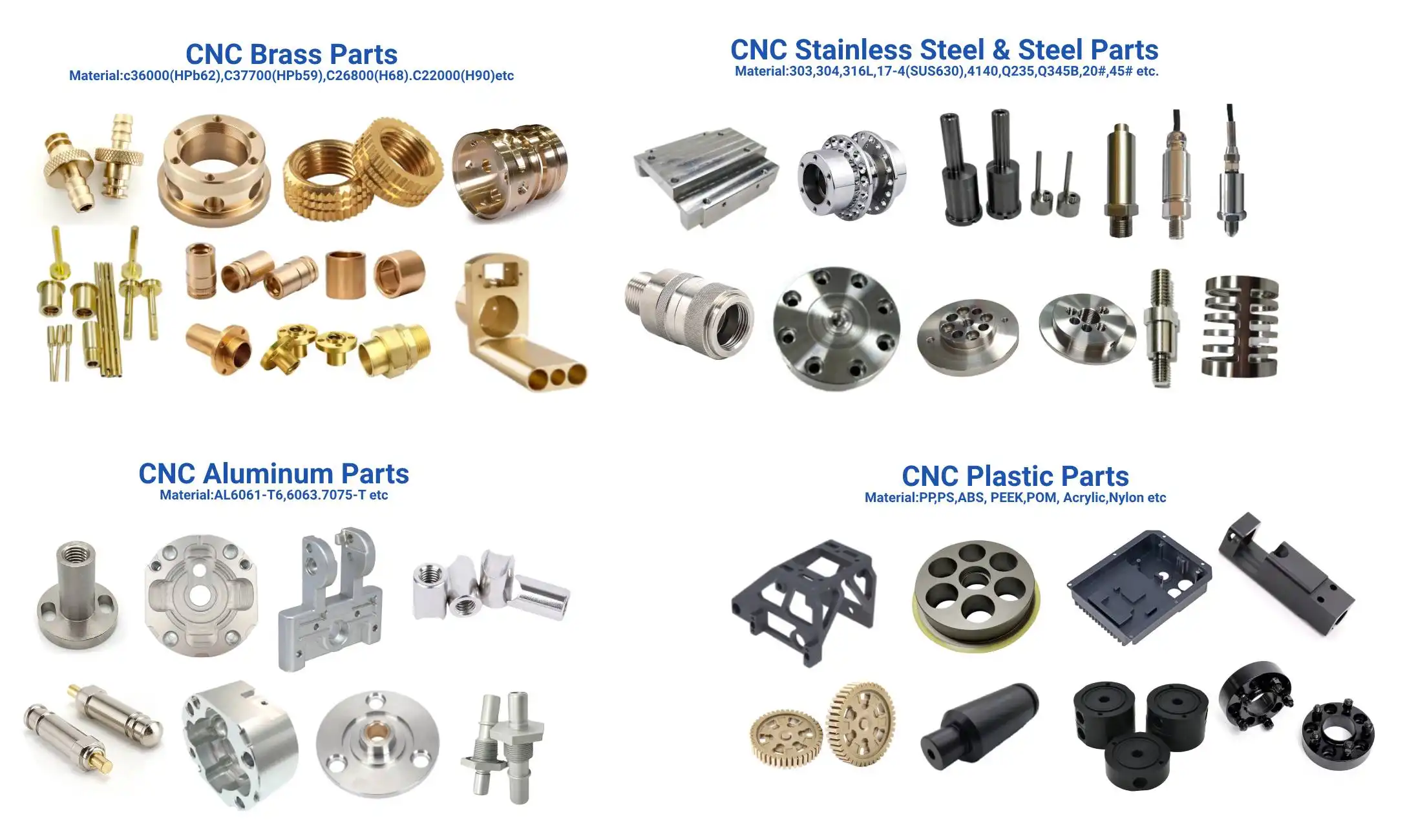
Understanding Metal Solenoid Valves and Their Core Advantages
Find out about Metal solenoid valves and what they're good for. A simple but powerful idea behind a Metal solenoid valve: an electromagnetic coil makes a magnetic field that moves a plunger. The coil moves the plunger, which opens or closes the valve body to control the flow of gas or liquids. A metal version is different from a polymer version because the metal version can handle stress better.
Common body materials include 304, 316, 303, and 410 stainless steel, as well as brass and aluminum. 316 grade stainless steel is very resistant to chlorine, which is why it is used so often in chemical and marine areas.
Direct-acting solenoid valves will only open when coil energy is put into them. Because of this, they work well when there is no difference in pressure, which makes them ideal for medical devices and precise automation. When a pilot is used, line pressure helps the valve open. This means that smaller coils can handle higher flow rates in hydraulic and pneumatic systems. Most of the time, you can choose between 12VDC, 24VDC, 110VAC, and 220VAC. Engineers can now use a lot of different global business standards. When choosing the right layout, you need to think about the range of pressure, the type of media, and the reaction time.
Here are the core technical advantages that set metal solenoid valves apart from alternatives:
- Superior pressure handling: bodies made of stainless steel can work with pressures above 100 bar, which is a lot more than normal plastic valves in industrial hydraulic systems can handle.
- Wide temperature tolerance: Metal solenoid valves can be used in cold and hot industrial processes without breaking the seal because they operate effectively from -40°C to over 180°C.
- Corrosion and wear resistance: Grade 316 stainless steel is not easily damaged by oxidation, chlorides, or harsh solvents. This makes it last a lot longer in chemical and offshore settings.
- Precision flow control: CNC-machined valve bodies have limits of ±0.01mm, which means that there are almost no internal leaks and the valves work the same way after millions of rotations.
These advantages collectively make metal solenoid valves the preferred choice for engineers who need to make sure that important fluid management jobs don't get interrupted.
Primary Industrial Applications of Metal Solenoid Valves
When other parts would normally break down in normal use, Metal solenoid valves are the best choice. These fields use them a lot.
Hydraulics, Automotive, and Heavy Machinery
EMF control valves manage the flow of oil and coolant under high pressures that need strong metal construction. They are used in heavy-duty hydraulics and in the production of cars. Metal solenoid valves are used in systems that control transmissions, brakes, and injection moulding machines. This is because cracks and coil failures can seriously impact safety and production.
Chemical Processing and Precision Dosing
In chemical companies, acids, liquids, and acidic solutions are measured out with stainless steel solenoid valves. Sulphuric acid can't hurt 316 stainless steel valve bodies, but brass would be destroyed in a few weeks. In pharmaceutical batch reactors, the valves need to be able to be opened and closed many times to get accurate doses. Over extensive production runs, Metal solenoid valves can successfully perform this.
HVAC, Automation, Water Treatment, and Food Processing
In chiller circuits, solenoid valves control the flow of coolant. In HVAC systems, they control the temperature in different zones. In industrial automation lines, they are used to sync up air devices that have reaction times of milliseconds or less. To treat water, plants use brass or stainless steel solenoid valves in chlorination dosing and reverse osmosis systems. People who work in the food and drink industry like how clean they are because the polished insides stop germs from growing during CIP (Clean-In-Place) washing processes.
Comparing Metal Solenoid Valve Solutions for Various Industrial Needs
Teams that buy things pick solenoid valves based on how well they work with different types of media, pressure, and temperature. When things get tough, Metal solenoid valves always work better than their plastic and traditional electromagnetic counterparts.
Solenoid valves made of plastic work well for low-pressure water systems and light-duty watering systems, but when the temperature changes, they become warped. Brass valves don't rust in gas or water, but they do rust more quickly in chlorine or acidic media. Metal solenoid valves, particularly those made of 304 or 316 stainless steel, can withstand higher temperatures, stronger chemicals, and a wider range of pressures without breaking.
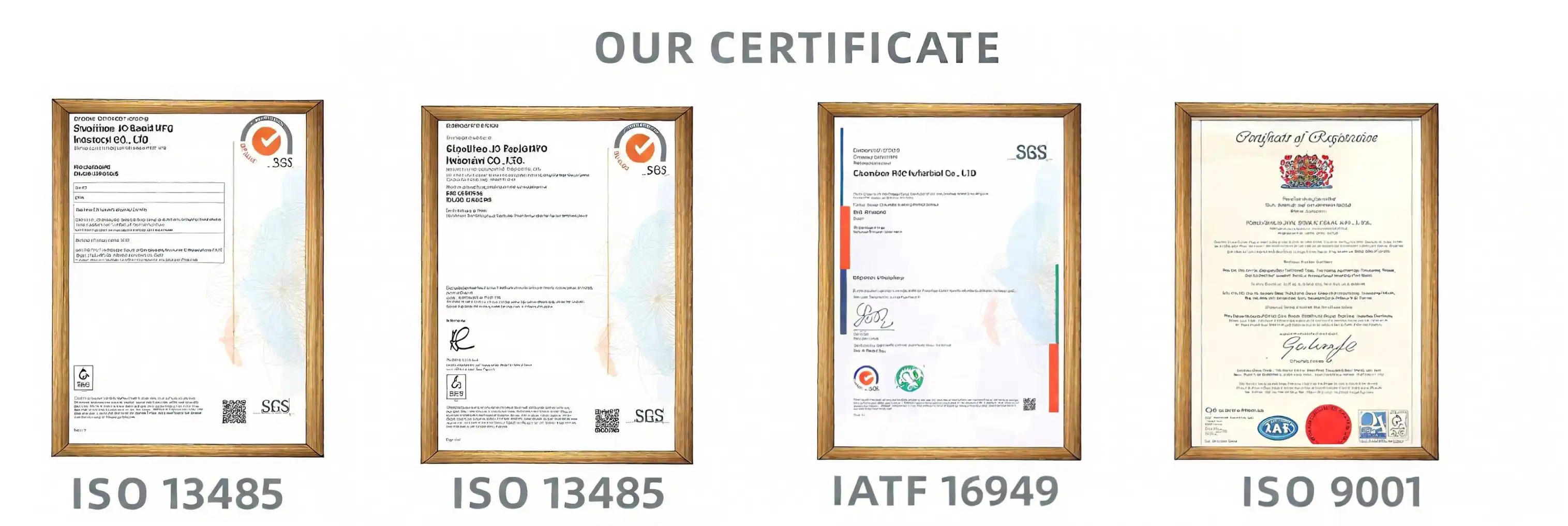
Trusted brands such as ASCO, Parker, and Honeywell set industry benchmarks for solenoid valve quality, and their products carry certifications including ISO 9001:2015, CE, and RoHS compliance. When selecting a solenoid valve provider, procurement managers should look at these certificates, along with written quality management systems and group inspection records. You can be sure that all bulk orders will be the same size and that production can be watched if you work with an ISO-certified OEM maker.
Ensuring Optimal Performance: Maintenance, Troubleshooting, and Lifespan
Most Metal solenoid valves can be used more than 10 million times before they break. If you don't take care of them, they will break down in an expected way. Knowing these trends allows you to plan for less unexpected downtime.
Common Failure Modes and Remedies
Usually, the issues are coil burnout, valve sticking, and seat leaking. Coil burnout is often caused by voltage spikes or by continuous energisation beyond the rated duty cycles. Putting in surge suppressors and using coils with an irregular duty rating will directly fix this problem. The valve gets stuck when dirt and dust get into the hole. Put upstream strainers with 100-mesh screens to avoid this most of the time. If rubber seals are worn out or valve seats are scratched, leaking seats will happen. Both of these parts need to be replaced at regular intervals that the manufacturer specifies.
For regular upkeep, you should look check the coil wires every three months, replace the seat seal every year for heavy use, and fix any chattering sounds that happen while the machine is going right away. Metal solenoid valves that have been electroplated, polished to Ra0.8 µm or smaller, or anodised have internals that have been handled on the outside. This makes wear happen much more slowly, and the valves last longer in the long run.
Practical Procurement Guide for Metal Solenoid Valves
You can't just look at prices in catalogues to find Metal solenoid valves that can be used in processes around the world. Cost of ownership is based on wait time, reliability, the amount of customisation, and help after the sale.
To make sure that suppliers have the right licenses (ISO 9001:2015, RoHS, CE, or ATEX, if needed), procurement managers should ask for written records of measurement checks and make sure that each batch of materials can be traced back to where it came from. You can get better deals on OEM price models when you buy in bulk, but only if the maker can handle custom port sizes, pressure ratings, and surface finishes without making you wait too long.
OEM makers of solenoid valves stand out by letting customers make changes. Off-the-shelf items don't always work to fix style issues. For reverse engineering, a provider that can work with 2D and 3D CAD files, technical models, and samples that are already out there can do it. Before you place big orders, think about how to package items for long-haul freight and the paperwork needed for export compliance. This will help you get through customs faster.
Conclusion
High pressures, chemicals, and precise flow control are best handled by Metal solenoid valves in these applications. Some of these applications include chemical processes, HVAC, robotics, water cleaning, and car systems. How well it works and how much it costs depend on the valve body material, shape, and source that has been accepted. Buying Metal solenoid valves that are ISO-certified, RoHS-compliant, and have been checked to make sure they are the right size protects the system and keeps costs down over its lifetime in harsh industrial situations.
FAQ
Which industries benefit most from metal solenoid valves?
People who make cars, chemicals, HVAC systems, medicines, and industrial machinery are the ones who use Metal solenoid valves the most. They don't rust and can handle pressure better than plastic or regular metal, so they're better for these industries.
How do I choose between a metal and plastic solenoid valve?
Metal solenoid valves should be used when there are pressures above 10 bar, temperatures above 80°C, corrosive media or job cycles that happen over and over again. Plastic valves should exclusively be used for water or light liquids that are at room temperature and low pressure. Price should be the most important factor.
What maintenance routine maximises solenoid valve lifespan?
A good maintenance plan checks the coils every three months, replaces the seals every year in high-cycle areas, keeps the strainers upstream in good shape, and uses surge suppressors on coil circuits. When you choose valves with precision-machined and surface-treated internals, they last a lot longer on average before they break.
What certifications should I require from a solenoid valve supplier?
Products must meet at least ISO 9001:2015, RoHS rules, and CE marks. ATEX clearance is important for uses that contain dangerous atmospheres. Always ask for standard certifications, paperwork for keeping track of materials, and reports on each batch of inspections.
Partner with Junsion for Precision Metal Solenoid Valve Manufacturing
Junsion stands among experienced Metal solenoid valve manufacturers serving global procurement teams across electronics, automation, medical, and aerospace sectors. Our CNC-machined stainless steel valves achieve ±0.01mm tolerance with Ra 0.8 μm surface roughness, backed by ISO 9001:2015 and RoHS certification. Custom OEM/ODM configurations are available with rapid response lead times. Contact our team at Lock@junsion.com.cn or visit junsionprecision.com to discuss your application requirements today.
References
1. International Society of Automation (ISA). Solenoid Valve Selection and Application Guide. ISA Publications, 2021.
2. ASCO Valve Inc. Stainless Steel Solenoid Valves: Material Selection for Corrosive Media. Emerson, 2022.
3. Parker Hannifin Corporation. Hydraulic Solenoid Valves in Automotive and Heavy Machinery. Parker Engineering Report, 2021.
4. Honeywell Process Solutions. HVAC and Industrial Fluid Control: Solenoid Valve Applications. Honeywell Technical Bulletin, 2022.
5. VALVE Magazine. Maintenance Best Practices for Industrial Solenoid Valves. Valve Manufacturers Association of America, 2023.
6. Machinery's Handbook Editorial Staff. Precision Machining Tolerances and Surface Finish Standards for Fluid Control Components. Industrial Press, 2020.