




Where to Buy Custom Lathe POM Parts for OEM Projects
If you are looking for lathe POM parts for an OEM project, the most dependable way to go about it is to work directly with a certified precision manufacturer who provides capabilities in CNC turning, milling, and cutting with strict tolerances. POM components that are made to order are utilised extensively in a variety of industries, including the electronics, automotive, medical, and home appliance sectors. These components include bushings, gears, sliders, and structural inserts. Manufacturing companies such as Dongguan Junsion Hardware Co., Ltd. are capable of delivering lathe POM components that have a tolerance of ± 0.01 mm and a surface roughness of < Ra0.8 μm. This makes them a reliable option for procurement teams operating on a global scale.
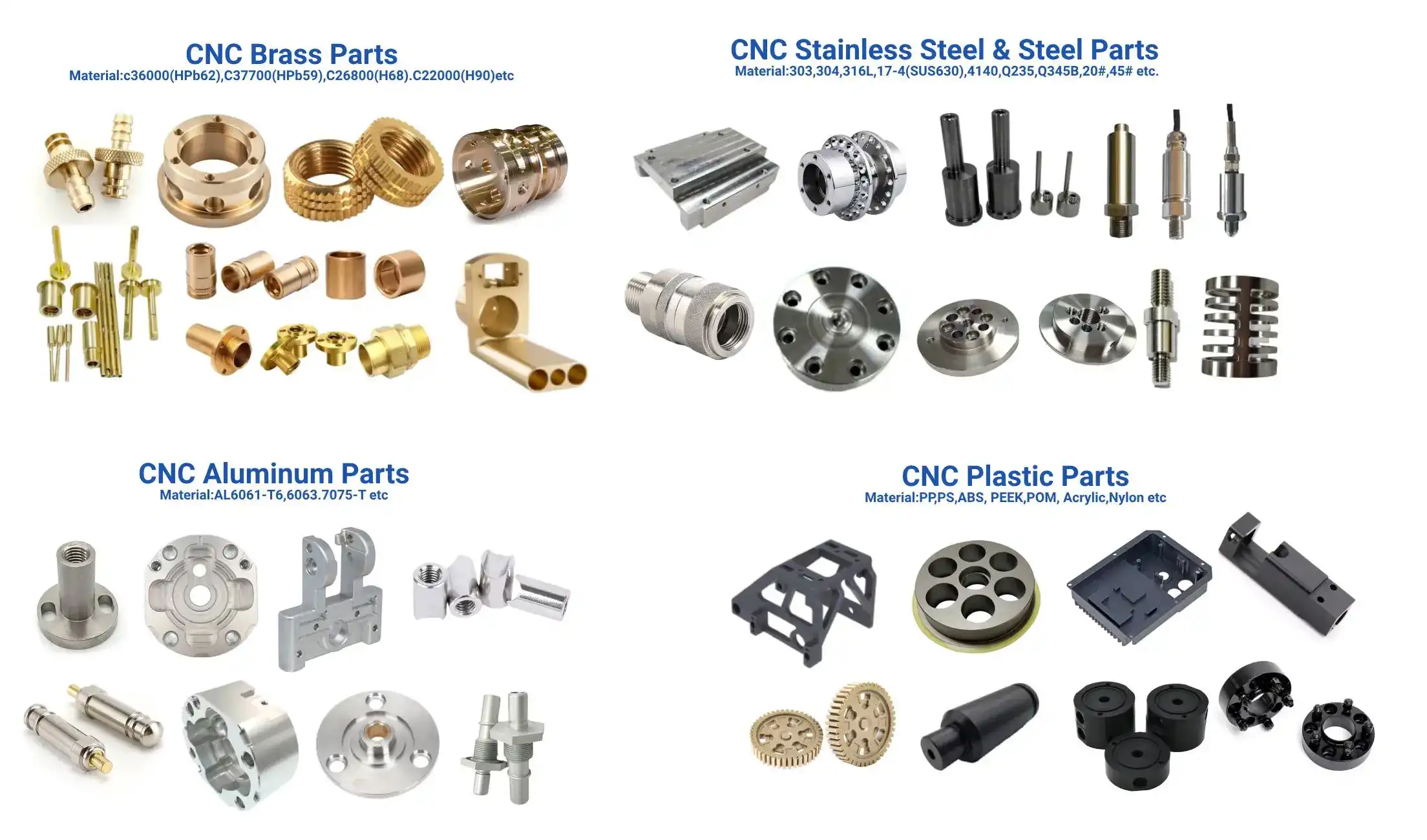
Understanding Custom Lathe POM Parts and Their Applications
Polyoxymethylene (POM), which is also known as acetal, is a high-tech thermoplastic with a crystalline structure that makes it very stable in terms of its shape. When POM is machined on a CNC lathe, it makes parts with a uniform shape that work well even when they are under a lot of stress.
What Makes POM a Preferred Material for Precision Components?
Because of its great wear resistance, low friction coefficient (about 0.2–0.35), and the ability to lubricate itself, polyoxymethylene (POM) is an exceptional material choice for components that are subject to movement. The DuPont Engineering Polymers Technical Guide (2022) asserts that polyoxymethylene (POM) is superior to nylon in terms of its ability to withstand the absorption of moisture. Because of this, it maintains its shape more consistently even when exposed to moist industrial environments. The shape of custom lathe POM parts, such as bushings, cam followers, and guide rails, is maintained for a far longer period of time than the shape of comparable nylon parts, even after being loaded and unloaded multiple times.
Parts that are machined from polyoxymethylene (POM) are approximately forty to fifty percent lighter than metal alternatives while yet being able to support sufficient weight for moderate to medium-duty applications. POM parts that are manufactured on a lathe are advantageous for a variety of applications, including the production of tools, automobile systems, housings for medical equipment, and mechanisms for home appliances.
Typical Application Fields
- Equipment & Industrial Machinery: In conveyor systems and accurate fixings, POM bushings and guide tracks cut down on mechanical friction.
- Automotive: POM gears and clips are used in parts of the fuel system, the dashboard, and door devices where chemical protection is important.
- Medical Devices: POM is perfect for instrument housings, syringe parts, and testing equipment parts because it is accurate in size and doesn't contain any harmful substances.
- Home Appliances: Washing machine drums, coffee machine gears, and refrigerator drawer guides all use POM sliders and snap-fit parts.
These use cases show why purchasing managers always ask for custom lathe POM parts with confirmed material certifications and proof of accurate measurements.
Key Considerations When Purchasing Custom Lathe POM Parts for OEM Projects
Buyers need to be clear about all of their OEM's technical needs before sending out a Request for Quotation (RFQ). Specifications that aren't clear cause rework, delivery delays, and cost overruns. For sourcing lathe POM parts, a precise technical scope is essential.
When judging a supplier, it's important to be clear about these technical details:
- Dimensional tolerance: For precision-grade POM parts, you should mention ± 0.01 mm or tighter when important fits are needed.
- Surface roughness: For closing surfaces or mating contacts, specify ≤ Ra0.8μm to keep them from wearing out too quickly.
- Processing method: Make sure it's CNC turning, milling, or multi-axis cutting, depending on the shape of the part.
- Surface finish: Make it clear if anodising, sanding, or plating is needed for function or looks.
- Compliance requirements: For electronics and medical OEM users, ISO 9001:2015 and RoHS paperwork are musts.
When buyers set these parameters up front, they get more accurate quotes and shorter revision loops. Choosing the right POM grade (POM-C homopolymer vs. POM-H copolymer) for the application can also affect how long the part lasts. This is something you should talk about with the engineering team at the manufacturer.
Where to Buy a Custom Lathe POM Parts: Trusted Suppliers and Manufacturers?
The sourcing channel you choose has a big impact on the consistency of quality, lead time, and support after the sale. Online markets like Alibaba and ThomasNet let a lot of suppliers be seen, but they don't always give B2B buying teams the engineering depth and OEM customisation that they need. Working directly with a lathe POM parts manufacturer offers significant advantages in communication and quality assurance.
There are real benefits to working directly with manufacturers. When you work with a lathe POM parts maker, you can get feedback on production in real time, make changes to the tools specifically for your needs, and get approved material traceability. Distributors are helpful for standard catalogue parts, but they often can't meet the tight specs or non-standard geometry needs within a reasonable lead time.
A reliable POM parts supplier should be able to show that they can do the following:
- In-house CNC cutting with multi-axis tools
- Quality control records, such as dimensional inspection reports
- ISO 9001:2015 approval and proof of RoHS compliance
- OEM/ODM track record that can be shown with references or portfolio samples
- Quick answer to RFQ—ideally within 24 hours
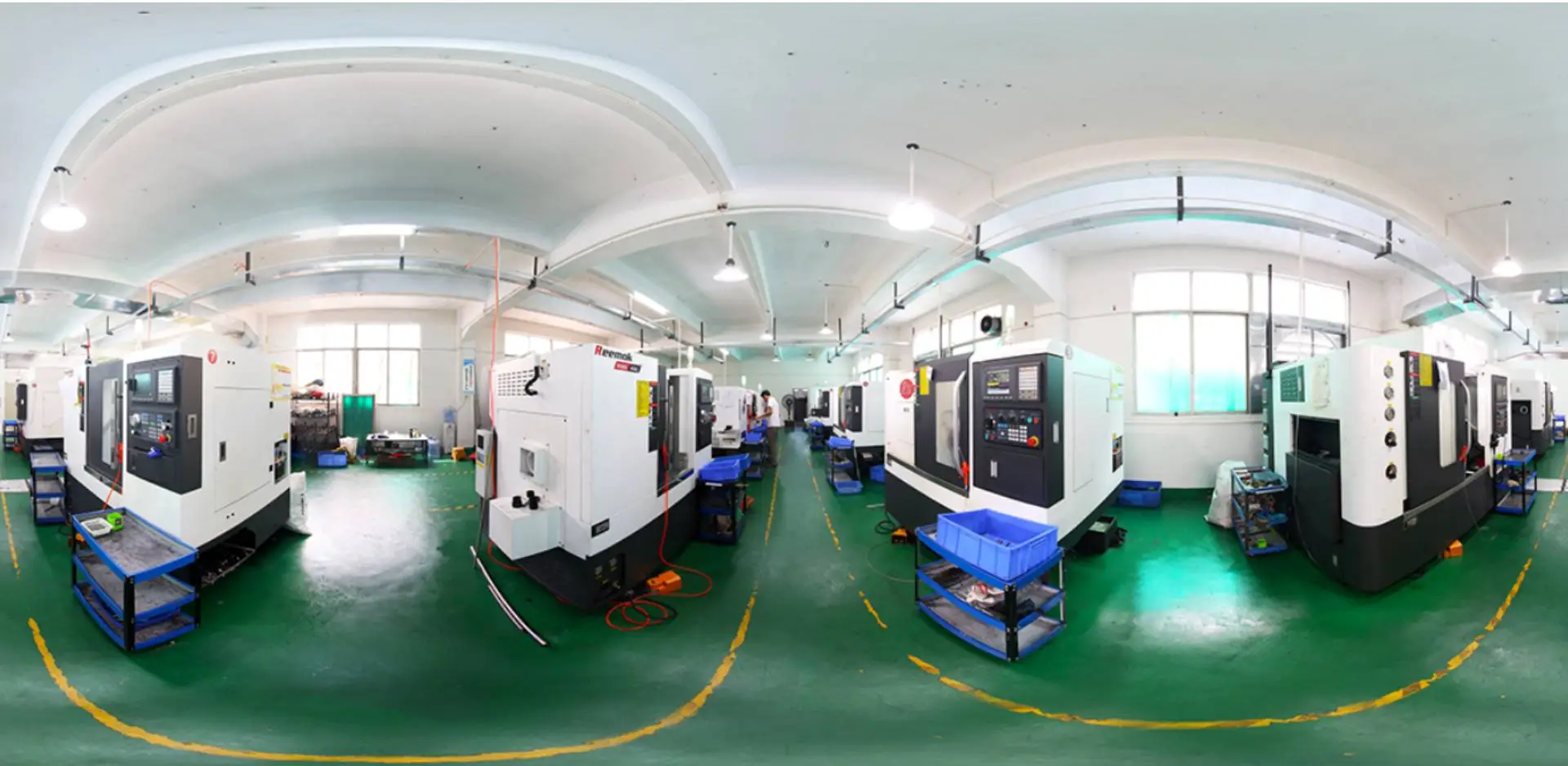
A building that is 1,600 square metres in size and located in Dalingshan, Dongguan, Junsion Hardware Co., Ltd. contains 32 CNC machines. POM components are cut to particular dimensions as part of their production process, which also includes CNC turning and milling activities. These procedures are examined using sophisticated measurement instruments, and inspection processes are established for each batch. The industries of logistics, communications, consumer goods, and technology all make use of their products in more than twenty different countries.
Order Process, Lead Times, and Cost Factors for Custom Lathe POM Parts
Knowing when to buy things helps OEM project managers make sure that production plans don't clash with when products need to be released.
Following the confirmation of the drawing, the lead time for regular custom POM parts that have a moderate level of complexity is typically between seven and fifteen working days. When it comes to more sophisticated shapes that require specialised tools or more than one step of finishing, such as plating following CNC turning, this process takes twenty to twenty-five days longer. There is a clear correlation between volume and cost: orders for bigger quantities result in a reduction in the cost per unit by virtue of the batch pricing of materials and the amortised production costs.
The grade of the raw POM material, the number of sets that need to be made, the type of surface treatment (sandblasting, anodising, or plating), the rules for accurate measurement, and the practicalities of shipping the product around the world are all factors that should be considered in advance regarding the factors that will determine the costs. You can speed up the process of getting a quote by including a DXF or STEP file with your request for quotation (RFQ) and making sure that critical measurements are clearly defined. This eliminates delays that are created by going back and forth.
Maintenance Tips and Ensuring Longevity of Lathe POM Parts
When lathe POM parts are properly kept, they can last much longer than what was originally expected. POM can stand up to fuels, alcohols, and weak acids, but strong alkalis or UV light cause the surface to break down faster when exposed for a long time.
Visual inspections should be done every 500 to 1,000 hours of operation to find early signs of microcracking or measurement shift. Surface integrity is maintained when cleaning with neutral agents or light soap. Heavy greasing is not needed for POM because it naturally stays lubricated. However, using PTFE-based lubricants on sliding surfaces on a regular basis can help prevent abrasive wear in high-cycle applications. When the deviation in dimensions goes beyond the allowed range, replacing the part right away stops a chain reaction of failures in related parts.
Conclusion
You need to give careful consideration to the material requirements, the capabilities of the supplier, the compliance documentation, and the overall cost of ownership when you are seeking precision lathe POM parts for OEM projects. Due to the fact that it does not wear down readily, maintains its size, and can be machined, polyoxymethylene (POM) is an excellent material for use in a variety of applications, including electronics, automobiles, medical equipment, and home appliances. It is beneficial for procurement teams to acquire certified manufacturers who provide CNC turning and milling services with a tolerance of ± 0.01 mm. This helps them reduce risk and maintain project deadlines efficiently. Maintaining a strong connection with a supplier is more than simply a transaction; it is a collaborative effort between professionals that ensures the product's quality remains consistent throughout each and every production run.
FAQ
What tolerances are achievable with custom lathe POM parts?
When lathe POM parts are CNC-machined, they can usually be made with surface roughness values of ≤ Ra0.8μm and tolerances of ± 0.01mm. These factors meet the size needs of many precision OEM uses in the medical, automobile, and electronics industries.
Is POM RoHS compliant?
Standard POM types are automatically RoHS compliant because they don't contain any heavy metals that aren't allowed. But in order to meet audit standards, buyers should always ask their seller for a material certification letter and a compliance statement.
What surface finishes are available for POM-machined parts?
Finishes that are often used on POM parts include grinding to even out the roughness, plating to improve wear resistance or conductivity, and anodising when it makes sense. Before you define, make sure the finish will work with the base POM grade.
How do I submit an RFQ for custom POM components?
Make a 2D drawing or a 3D STEP/IGES file and list the important limits, surface finish, order number, and certifications that are needed for compliance. Send these to the technical team at the maker so they can give you a structured price.
What is the typical lead time for small-batch POM parts orders?
Orders of 50 to 500 pieces that aren't too complicated usually take 7 to 15 business days after the drawing is confirmed. Extra steps for treating the surface may add 3–5 days.
Get a Fast Quote on Custom Lathe POM Parts — Contact Junsion Today
Junsion makes precise lathe POM parts that are ISO 9001:2015 certified, have a tolerance of ±0.01 mm, and are fully RoHS compliant. These parts are made for tough OEM projects in the medical, automotive, and electronics industries. As a reliable provider of lathe POM parts, Junsion provides quick responses to RFQs and full OEM/ODM production support. To start your question, email Lock@junsion.com.cn or go to www.junsionprecision.com right now.
References
1. DuPont Engineering Polymers. Delrin® Acetal Resin Product and Properties Guide. 2022.
2. CNC Masters. What CNC Lathes Are and How They Work. 2023.
3. Kremen Inc. What Is a CNC Lathe? 2023.
4. Plastics Technology. Engineering Thermoplastics: POM vs. Nylon for Precision Parts. 2022.
5. ISO. ISO 9001:2015 Quality Management Systems — Requirements. International Organization for Standardization, 2015.
6. RoHS Guide. RoHS Compliance and Material Declarations for Plastic Components. 2023.