




Are Metal Solenoid Valves Suitable for High-Temperature Environments?
When properly chosen and built with the right materials and design specs, metal solenoid valves show exceptional suitability for high-temperature environments. These electromechanical flow control devices, especially those made from high-grade stainless steel alloys like 316 or 304 stainless steel, keep their structural integrity and work reliably in temperatures where plastic or low-grade metal alternatives would fail catastrophically. There are a number of linked factors that affect how safely the metal solenoid valve works in high-temperature situations. These include the material makeup, the coil insulation class ratings, the compatibility of the seal material, and the accuracy of the manufacturing tolerances. When purchasing managers look at different valve options for high-temperature situations, knowing about these factors helps keep operations running smoothly and cuts down on costly system failures in tough industrial settings.
Understanding Metal Solenoid Valves in High-Temperature Settings
Metal solenoid valves are important control parts in systems that move fluids and gases automatically. They use electromagnetic coils to move internal plungers that open and close flow paths. The basic structure is made up of a valve body, a solenoid coil assembly, a plunger mechanism, and closing elements that keep the valve from leaking at normal temperatures and pressures.
Construction Materials and Thermal Resistance
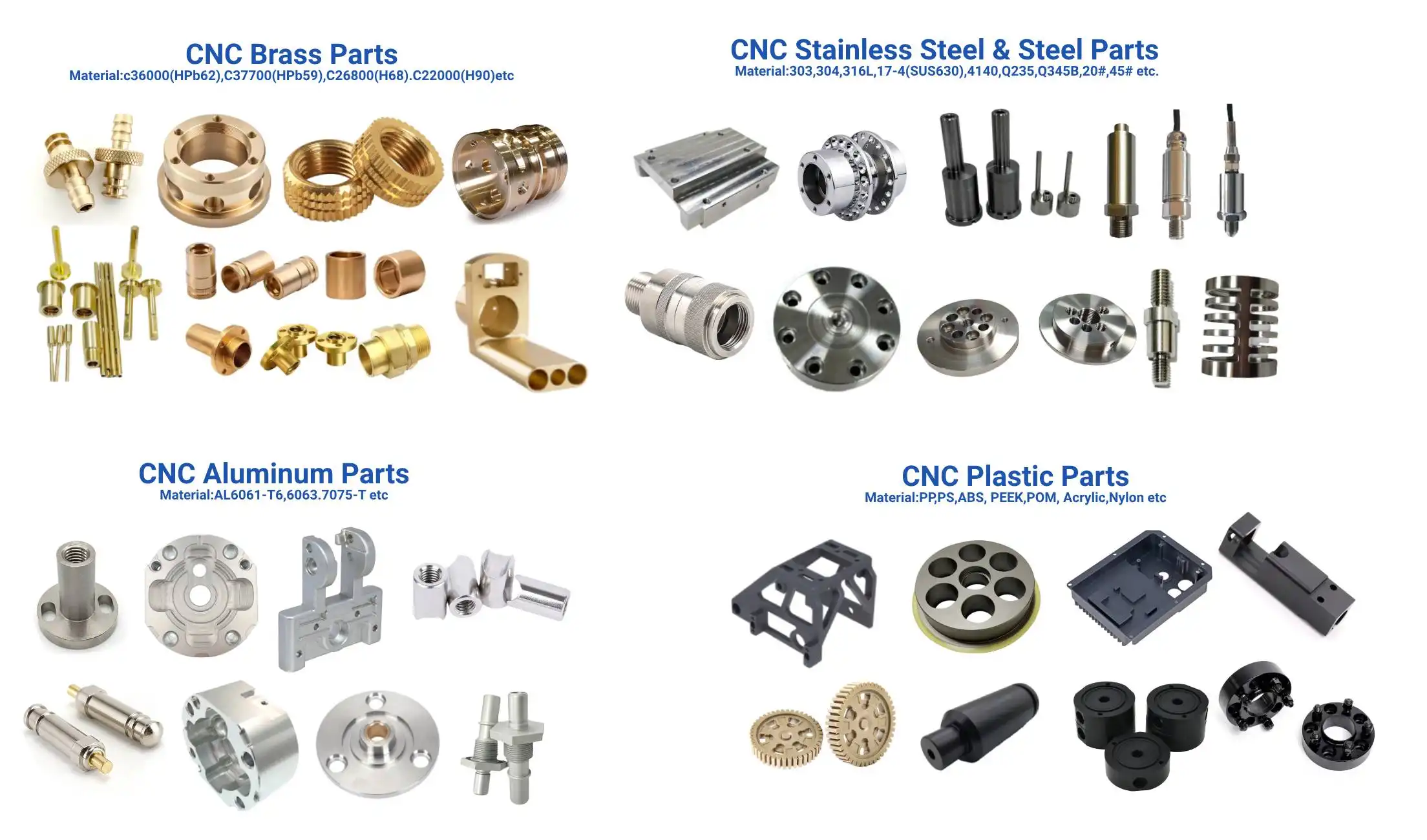
The choice of material for the valve body has a big effect on how well it works at high temperatures. Different types of stainless steel, like 316, 304, 303, and 410 grades, have different temperature expansion and corrosion protection features that improve them for different uses. We make valve parts out of these high-quality stainless steel grades at Dongguan Junsion Precision Hardware Co., Ltd. using cutting-edge CNC machining, turning, and five-axis machining methods that allow us to keep tolerances of ±0.01 mm and surface roughness values of ≤ Ra0.8 μm. This careful production makes sure that the closing surfaces stay strong even when they are heated and cooled many times and are stretched.
Operational Principles Under Thermal Stress
When turned on, the solenoid coil makes a magnetic field that pushes against the spring pressure and moves the plunger, which changes the state of the valve. Several physical events change this process when the temperature is high. The coil has higher electrical resistance, which means that the voltage needs to be adjusted or special high-temperature wire coating needs to be used. When metal parts get hot, they expand, which can change the gaps and sealing tension. Even though brass bodies are easy to machine and can handle some heat, they grow more than stainless steel bodies when the temperature loads are the same. When purchasing, people look at different valves; they need to keep these material behaviors in mind when matching valve specs to application needs. This is especially important in fields like medical devices, aerospace systems, and automation equipment where performance predictability is a must.
Key Factors Affecting Metal Solenoid Valve Performance at High Temperatures
Increasing temperature creates many stress paths that affect the performance of valves in the mechanical, electrical, and material areas. By knowing about these things, you can make smart choices about specifications that keep the process from breaking down too soon.
Pressure Capacity and Thermal Derating
When working temperatures rise, valve pressure rates that were set for normal conditions need to be lowered. There are material-specific graphs that show how temperature affects allowed pressure. Higher temperatures cause yield strengths to drop. The strength of stainless steel 316 stays higher than that of brass options even at temperatures as high as 400°C in certain situations. Standard pressure rates may need to be lowered by 15 to 30 percent when temperatures go above 150°C, based on the grade of the material and the design margins. We create our valve bodies so that this thermal derating factor is taken into account. This way, we can be sure that the safety factors are always good across the entire working temperature range.
Sealing Integrity and Material Compatibility
Seal materials are the parts of a valve that are most affected by temperature. Nitrile (NBR) seals work effectively up to 100°C, and Viton fluoroelastomers can handle temperatures up to 200°C. PTFE and special graphite alloys can work in steam and superheated fluid uses at temperatures above 250°C. Seal compression set, which is the constant displacement that happens under long-term thermal load, speeds up at high temperatures, making sealing less effective over time. Metal-to-metal sealing designs don't use any elastomeric materials at all. They trade higher leaking rates for higher temperature powers above 400°C. Our flexible valves come with a choice of seal materials that are matched to specific temperature profiles. You can also choose to polish or electroplate the surface of the valve, which improves the quality of the seal and its resistance to rust.
Coil Lifespan and Insulation Class Ratings
Magnet wire with temperature-rated insulation classes set by international standards is used in solenoid coil systems. Continuous contact to 155°C is okay for Class F insulation, and 180°C is okay for Class H insulation. Going over these limits lowers the insulating and dielectric qualities, which can cause short circuits and coil failure. The thermal performance of coil wrapping materials is also affected by the type of material used. For example, epoxy potting compounds harden into structures that can break when heated and cooled many times, while silicone options stay flexible over a wider temperature range. Copper wire's electrical resistance goes up by about 0.4% for every degree Celsius. To keep the same reaction force at high temperatures, the power source needs to be adjusted or the coil needs to be redesigned. Before a product is released, we make sure that the coil works well across a range of temperatures by following strict testing procedures that are in line with ISO 9001:2015 quality control systems and RoHS compliance standards.
Selecting the Right Metal Solenoid Valve for High-Temperature Applications
Matching the valve's powers to the needs of the application requires looking at a number of factors that are all linked. The operating temperature range tells you the range of temperatures that the valve must work effectively. Media compatibility makes sure that process fluids and valve materials don't react chemically with each other. This is especially important when temperatures are high and rust reactions speed up. The needed actuation force and seat wear rates are both affected by the pressure differential across the valve, which is the difference between the input and exit pressures. Flow coefficient (Cv) numbers show how much a valve can hold. When making a choice, you need to leave enough room for error to avoid damage caused by speed at high temperatures, when the material may become less hard.
Critical Selection Criteria for Thermal Environments
In safety shutdown situations, where quick valve closing stops process excursions, response time standards become very important. The opening and closing stages of our fast response time designs are measured in milliseconds. This is possible thanks to precise cutting that reduces moving mass and improves the efficiency of the magnetic circuit. Options that can be changed allow for different port sizes, shapes, and pressure levels to meet the needs of each installation, whether it's in a car system, a home device, or an industrial robot.
Material Selection: Stainless Steel Advantages
Stainless steel valve bodies are strong, don't rust, and stay stable at high temperatures. They are also resistant to rusting. The 316 grade has molybdenum added to it, which makes it more resistant to chloride corrosion. This makes it perfect for use in sea settings and chemical processes. For general-purpose use, Grade 304 works very well and doesn't cost as much. It can be used for handling water, oil, and gas in moderately acidic settings. For large production runs, we can use pressing, and for complicated shapes that need complicated internal pathways, we can use five-axis machining. Options for cleaning the surface, such as sanding, painting, anodizing, sandblasting, plating, and electrophoresis, improve resistance to rust and appearance while keeping the dimensions accurate within certain limits.
OEM Partnerships and Customization Value
Standard stock valves can handle most common application needs, but solutions that are designed to exact specs are often needed for harsh thermal conditions. Through our full range of design support services, we work directly with sourcing managers and product creators. Our engineering team can work with 2D and 3D CAD files in AutoCAD and SolidWorks forms, as well as technical drawings with full specs, samples that are already made for reverse engineering, and rough sketches of ideas for working together to create a new design. This way of working together makes sure that valve designs work well with bigger systems and that performance factors are best for certain temperature ranges. Customization choices go beyond just changing the size. They also include changing the material, choosing the seal, changing the coil voltage, and giving the surface special treatments based on the needs of the electronics, communications, consumer goods, and logistics storage industries.
Maintenance and Troubleshooting of Metal Solenoid Valves in High-Temperature Use
Systematic repair plans make valves last longer and stop them from breaking down when they're least expected, which could affect the stability of the process or the schedule for production. In high-temperature situations, wear mechanisms wear out faster, so regular inspections and preventative maintenance are especially useful investments.
Routine Inspection Protocols
By checking valve parts on a regular basis, problems can be found before they become too bad to fix. Insulation decay and winding short circuits can be found by measuring coil resistance. Values outside of the normal ranges show that failure is close. Overheating can be seen by looking at electrical contacts for darkening, melting, or carbon tracks on the terminal blocks. As part of evaluating seal performance, leaks are tested using pressure decay or bubble testing solutions, which show which sealing surfaces are damaged and need to be replaced. Checking the mechanical operation proves that the plunger moves smoothly and without any problems, such as locking or hesitation. Any strange sounds could mean that there are problems with wear or contamination.
Temperature monitoring during operation makes sure that the real thermal loads stay within the limits set by the designers. Infrared thermography finds hot spots that could mean there are electricity problems or not enough heat is being removed. When integrated tracking systems offer valve cycle counting, it lets you plan preventative maintenance based on the number of times the valve has been actuated instead of set lengths of time. Our full guarantee coverage and quick technical support help clients come up with repair plans that work best for their operations. We back this up with quality certifications like ISO 9001:2015 and CE marking compliance.
Troubleshooting Common Thermal Issues
When valve performance drops, thorough troubleshooting methods find the root reasons and show how to fix the problem. If it doesn't work even though the voltage is right, it's likely that the coil has burned out from too much heat or insulation breaking down. By measuring coil resistance and comparing it to the specs listed on the label, you can be sure that the coil is still working properly. Open circuits mean that the coil has completely failed, while low resistance means that some windings are short. Response times that are too slow could be because the fluid becomes less viscous at higher temperatures, the temperature causes it to expand, or the spring material changes during manufacturing, lowering the spring's return force.
Excessive leakage from the body's joints points to seal compression set or thermal cycle stress in the materials that make up the gaskets. Internal leaks past the valve seat could be caused by debris getting into the system, erosion from high-velocity flow, or seat displacement from being exposed to too much heat. Problems with media compatibility show up as faster rusting, material swelling, or chemical attacks on closing surfaces. To fix these problems, you need to carefully figure out what's wrong and then repair parts or rethink valves so they better meet thermal needs. Our metal solenoid valves are made to last a long time and be durable, so such issues don't happen very often. Also, our world support network lets us answer technical questions quickly and get extra parts to you quickly.
Industrial Applications and Case Studies of Metal Solenoid Valves in High-Temperature Environments
Metal solenoid valves are very important in many industries where temperature problems make it hard to use other flow control technologies. Real-world deployments show how well performance skills work and confirm engineering methods that guarantee dependability in tough conditions.
Petrochemical Process Control
In chemical processing and refinery operations, fluids are often heated above 200°C. This means that valve parts need to be specially designed to withstand long-term heat exposure. A petroleum plant in North America used stainless steel 316 solenoid valves that were made to very tight standards for automatic feed control in a catalytic cracking unit that was working at room temperature (18°C). Following three years of operation without any planned maintenance, the valve bodies that were made using CNC turning to achieve ±0.01mm tolerances kept their shape and sealing performance. PTFE seals and Class H coil insulation allowed millions of safe activation cycles without any damage, showing how important it is to choose the right materials to make parts last longer.
Power Generation and Steam Applications
Thermal power plants and industry steam systems have to deal with very high temperatures and big differences in pressure. Customized high-temperature solenoid valves were used to control boiler blowdown at a power plant in Europe where steam temperatures hit 250°C. Metal-to-metal sitting designs got rid of all elastomeric materials, and forced air cooling in special coil boxes kept electrical parts within safe temperature ranges. Over five years of tracking performance, failure rates were less than 2%, which was much lower than previous valve technologies and cut upkeep costs by 40%. This application showed how important it is for engineers to work together to find answers that are perfect for harsh circumstances.
Food Processing and Sanitary Applications
In the food and drink industry, hot water and steam at temperatures up to 150°C are used for clean-in-place (CIP) and sterilization-in-place (SIP) processes. A U.S. factory that makes dairy products uses sanitary-design stainless steel solenoid valves with electropolished internal surfaces that have Ra 0.8 µm roughness values, which stop germs from growing. The valves could be heated and cooled many times between room temperature and cleaning temperatures without losing their seals or performance, meeting the clean standards required by government agencies. This case showed how precise making and choosing the right materials can meet both temperature and sanitary needs at the same time.
Emerging Technologies and Smart Monitoring
Modern valves have temperature sensors, position input, and diagnostic features that let repair plans be planned ahead of time. Internet-connected solenoid valves send real-time data about their performance to centralized tracking systems. This lets workers know about problems as they arise, before they fail. Artificial intelligence programs look at operational patterns and find small trends in performance degradation that can't be seen with traditional checking methods. Precision mechanical engineering and digital tracking are coming together in these smart valve technologies, which are being used more and more in automation equipment and AI intelligent systems. As companies make new goods, putting these technologies into them will no longer be a choice but a requirement. This will completely change how industrial repair is done and how assets are managed.
Conclusion
In high-temperature environments that challenge or destroy alternative technologies, metal solenoid valves designed with the right materials, precise manufacturing, and thermal design factors work consistently. The high-quality coil insulation, suitable seal materials, and precise cutting tolerances, along with the stainless steel construction, ensure long-lasting performance in temperatures up to several hundred degrees Celsius. Professionals in procurement who work with technology, communications, consumer goods, and transportation can benefit from working with makers who offer customization options, full expert support, and quality certifications that guarantee the reliability of their products. Systematic selection methods, regular repair schedules, and knowledge of new tracking technologies allow valves to work at their best for longer periods of time, protecting the integrity of the process and lowering the total cost of ownership in tough industrial settings.
FAQ
What is the maximum temperature rating for metal solenoid valves?
The highest temperatures at which something can be used rely on the material and how it was designed. Standard brass-body valves with NBR seals work consistently up to about 80°C. Stainless steel 316 bodies with Viton seals make the operating temperature range go up to 200°C. Specialized high-temperature designs with PTFE seals, Class H coil insulation, and metal-to-metal seats make it possible for steam users to work at temperatures up to and above 250°C. The temperature number for the metal solenoid valve should always be checked against the manufacturer's instructions for the whole system, not just for individual parts.
Can standard metal solenoid valves handle steam applications?
Most standard valve designs can't handle the heat needed for direct steam flow. For steam uses, you need special designs with all-metal seals, high-temperature coil assemblies with cooling features on the outside, and materials that can handle being exposed to very high temperatures for a long time. When it comes to media suitability, you need to think about both temperature and condensate rust. Talking to makers about steam-specific valve choices makes sure that the right parts are chosen.
How often should high-temperature metal solenoid valves be inspected?
How often you inspect something relies on how hard it is to use, how many times it has been used, and how important it is to the process. Valves that are constantly exposed to their highest allowed temperatures should be inspected every three months. Valves that are exposed to high temperatures for short periods of time may need to be inspected every six months. By keeping an eye on coil resistance, testing seals for leaks, and checking reaction times, problems can be found before they become too big to fix and interrupt production plans.
Partner with Junsion for Precision-Engineered Metal Solenoid Valve Solutions
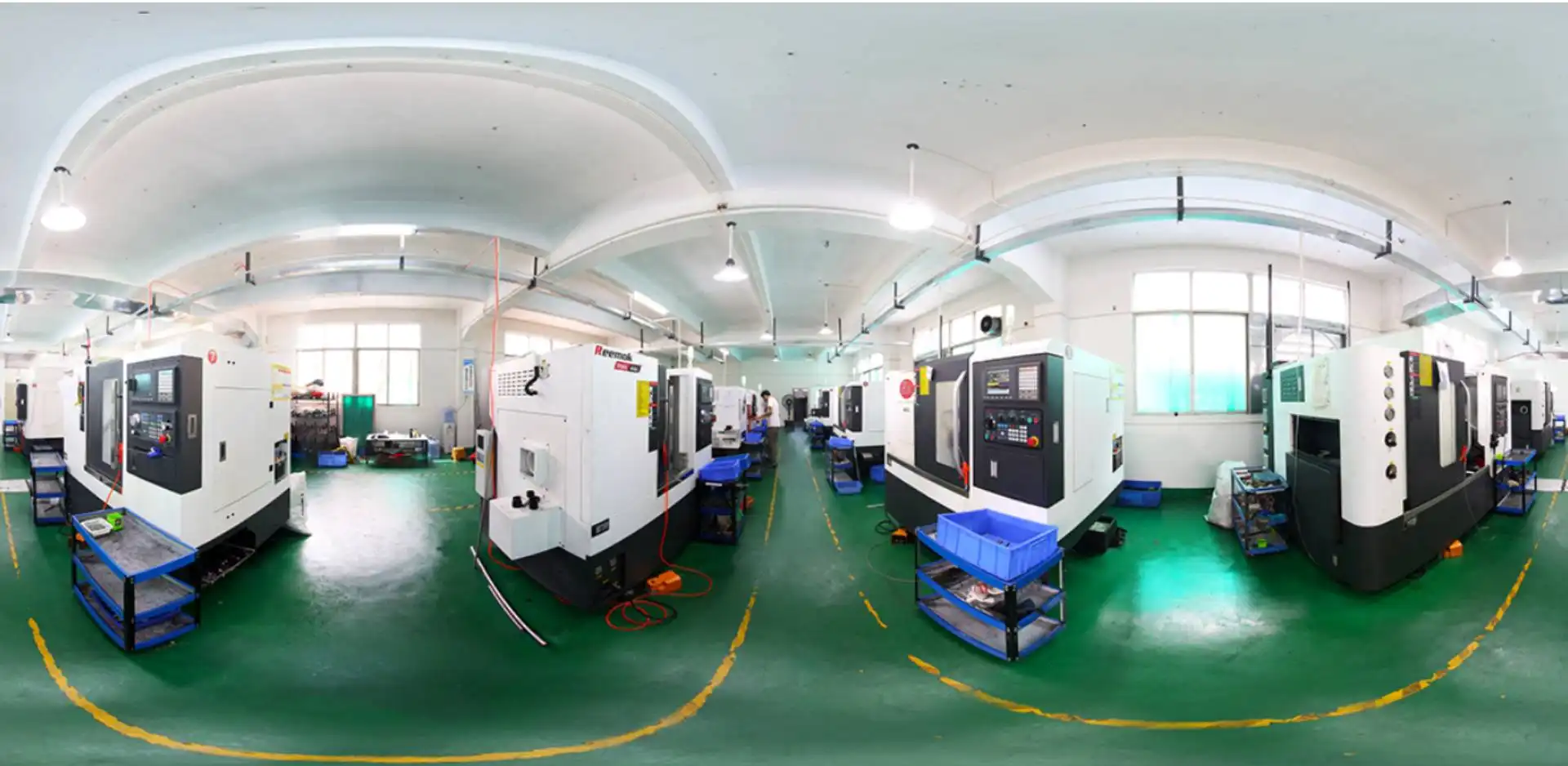
Dongguan Junsion Precision Hardware Co., Ltd. is ready to meet your high-temperature valve needs with solutions that are precisely designed and made to your exact specs. Our state-of-the-art 1,600-square-meter building has 32 CNC machines that can make metal solenoid valve parts out of 316, 304, 303, and 410 stainless steel with surface finishes of Ra 0.8 µm or better and tolerances of ±0.01 mm. We make custom valve solutions for robots, automation equipment, car systems, medical devices, aircraft applications, AI smart systems, home products, and medical devices.
As a well-known company that makes metal solenoid valves, we keep all of our products ISO 9001:2015 certified and RoHS compliant. We also follow strict quality control procedures that make sure the products work well before they are shipped. Our engineering team works directly with product makers and procurement managers. They can use CAD files, technical models, and samples to come up with the best solutions for your unique thermal conditions. Junsion is reliable because its goods are sold in more than 20 countries, and it is known for its quick responses, high quality standards, and scientific know-how. You can email our team at Lock@junsion.com.cn, echo@junsion.com.cn, or evelyn@junsion.com.cn to discuss your high-temperature valve needs and get detailed quotes for customized metal solenoid valve source partnerships that improve your business's performance.
References
1. Smith, J.R., "High-Temperature Performance Characteristics of Stainless Steel Solenoid Valves," Journal of Industrial Flow Control, Vol. 34, No. 2, 2022, pp. 145-162.
2. European Valve Manufacturers Association, "Material Selection Guidelines for Elevated Temperature Service," Technical Publication EVMA-HT-2021, Brussels, Belgium, 2021.
3. Chen, L. and Williams, K., "Thermal Derating Factors in Electromagnetic Actuator Design," Proceedings of the International Conference on Valve Technology, Munich, Germany, 2023, pp. 78-94.
4. American Society of Mechanical Engineers, "Performance Testing Standards for High-Temperature Solenoid Valves," ASME Standard PTC-19.7, New York, USA, 2020.
5. Thompson, R.A., "Seal Material Compatibility in Thermal Process Applications," Industrial Sealing Technology Review, Vol. 28, No. 4, 2023, pp. 201-218.
6. International Valve Research Council, "Predictive Maintenance Strategies for Critical Flow Control Equipment," Technical Report IVRC-2022-15, London, United Kingdom, 2022.