




When looking for the best Precision Machining Drone Parts for commercial use, you want to find parts that are made from aerospace-grade materials and are machined perfectly on a CNC machine. Commercial drones used in transportation, testing services, and manufacturing depend on these parts to keep them flying. To make sure that precision-machined drone parts work well in harsh industrial settings, they need to have tolerances as small as ±0.01mm and surface finishes that reach Ra0.8μm.
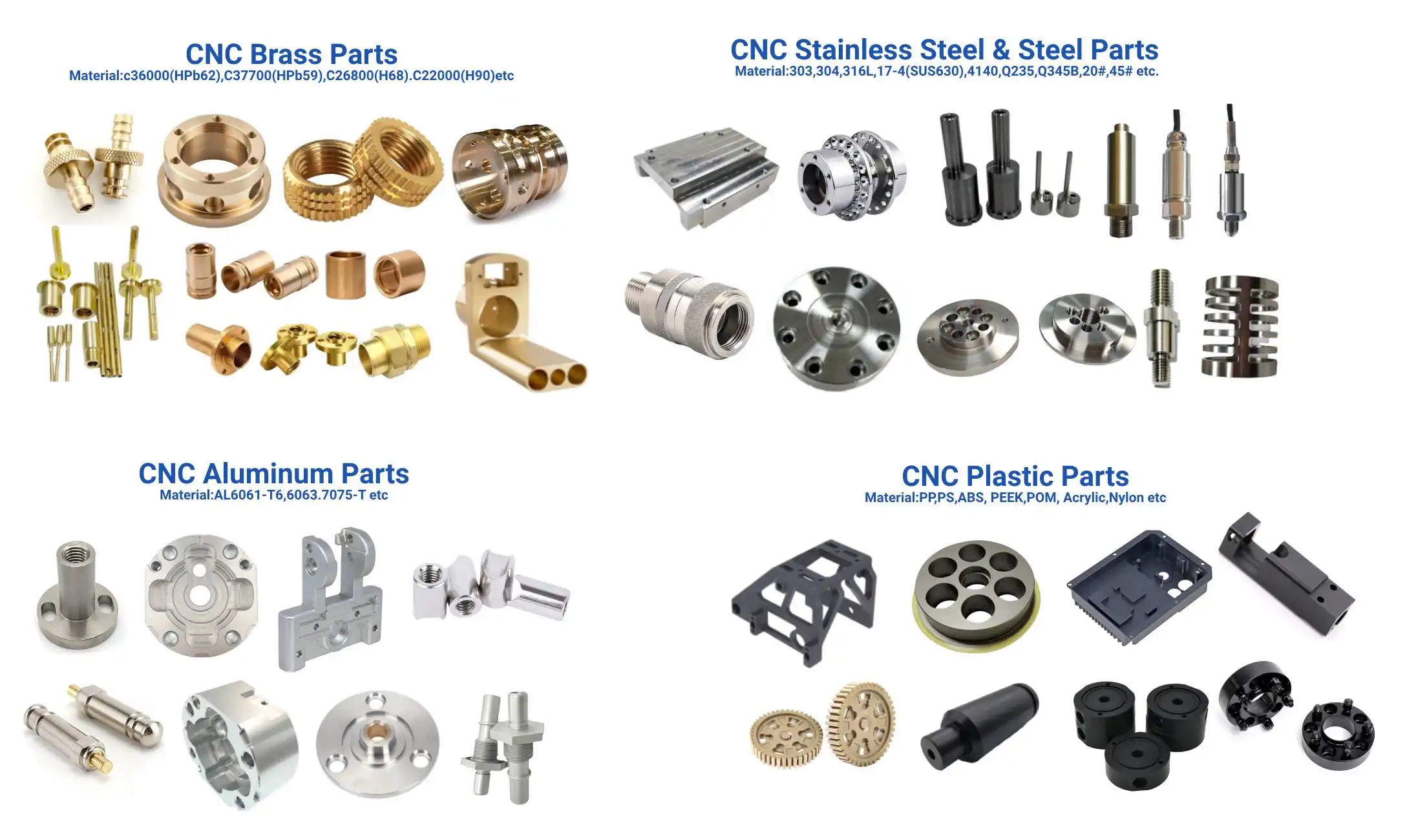
Why Focus on Precision Machining Drone Parts
For industrial drone operations, parts must meet or exceed consumer-grade standards. Industrial drones, on the other hand, need parts that keep working even when they're being used all the time, in harsh weather, and in difficult operating settings. The aircraft components business has set strict rules that are now being used to make market drones. These guidelines make sure that the rotors, motor housings, and other parts of drones can handle the stress of everyday industry work. Variability that can lead to system breakdowns in industrial settings is taken care of by precision manufacturing. When drones carry expensive equipment or work in dangerous places, the dependability of their parts is very important. Manufacturers can make drone parts that are very light without losing strength or longevity by using micromachining methods.
Selection Criteria for Industrial Drone Components
When we look at precision machining drone parts, we focus on a few key factors that have a direct effect on how well the industry works. The makeup of the material is very important because parts have to balance how heavy they are with how long they need to last. Another important factor is manufacturing error. Parts used in industry often need to be **machined** to within ±0.01mm of accuracy or better. This level of accuracy makes sure that all drone systems fit and work correctly. The quality of surface finishing affects both how well it works and how long it lasts. Better surface treatments keep parts from rusting and wearing down, which increases their useful life in industrial settings. We look at different processes, such as etching, anodizing, and special finishes. Certification compliance also affects the choices we make. Parts that meet ISO 9001:2015 standards and RoHS compliance rules show that they are of the quality that professionals need.
Top 5 Precision Machining Drone Parts for Industrial Use
CNC-Machined Aluminum Drone Frames
Advanced CNC cutting techniques are used to make aluminum drone frames that serve as the structure for industrial drone activities. These light drone parts are made of 6061-T6 aluminum, which has great strength-to-weight ratios that are needed for long flights. Precision grinding services are used in the production process to get errors of less than 0.02mm across important fixing areas. This level of accuracy makes sure that the motors, sensors, and transport systems are all lined up perfectly. Comprehensive strength tests are done on the frames to make sure they can hold up to 15 kilograms of weight without losing their structural integrity. Type III hard anodizing is used for surface cleaning because it protects against rust and wears better than other methods. This process makes the frame last longer in tough industrial settings, like outdoor checks and factory work, where the air level changes all the time. The flexible fixing points on these frames were made using automatic cutting methods. The standard connection system makes it easy to change the setup of sensor packages and payload systems quickly, which cuts down on the time needed to switch between industrial uses . Dimensional checks are done with coordinate measuring tools, and load tests that mimic real-life stress situations are part of quality control. Each frame gets its own approval that shows it meets the standards for aerospace-grade manufacturing.
Precision Titanium Motor Housings
When it comes to protecting drone motors, titanium motor housings are the best there is. These aircraft parts are made with precision methods that get surface finishes of Ra0.4µm or better. Titanium is used because it doesn't rust. Five-axis CNC machining centers are used in the production process to make parts with complex internal shapes in a single setup. By using this method, the accuracy stack-up problems that often happen in multi-piece systems are eliminated, and the best heat escape is achieved. Titanium's high strength-to-weight ratio lets wall parts be smaller without lowering security. The lighter weight directly leads to longer flight times and more carrying capability, both of which are very important for industrial drone activities. Micromachining is used to make cooling tunnels inside the part that actively manage heat during long operations. These channels direct airflow exactly where it's needed, keeping motor temperatures at the right level even when heavy industrial jobs are being done. Each housing is put through a lot of tests, such as being exposed to different temperatures, being resistant to vibrations, and being able to block electromagnetic interference. Titanium naturally blocks electromagnetic fields, keeping sensitive motor electronics safe from interference from other machines.
Carbon Fiber Reinforced Propeller Assemblies
High-performance drone blades made for industrial use use carbon fiber strengthening and precise production, including precision machining of drone parts, to give the best thrust qualities. Advanced 3D CAD modeling is used to make sure that the blade shape is perfect for each task. Precision casting is the first step in the manufacturing process. Next, CNC finishing steps are used to make sure that the blade angle tolerances are within ±0.1 degrees. This level of accuracy makes sure that the system works evenly and gets rid of any movements that might affect the accuracy of the sensors or the safety of the package. Carbon fiber construction is very resistant to wear, which is important for drones that fly multiple times a day in industry settings. The material's ability to dampen vibrations makes motor bearings last longer and lessens stress on them. Dynamic balancing processes make sure that every blade unit meets strict requirements for shaking. Advanced balancing equipment finds and fixes flaws to levels normally only found in airplane use. This makes the operation smooth in all flight situations. The leading tips of blades are treated in a special way to keep them from wearing down in industrial settings where particles are common. This safety keeps the propeller's rotational efficiency high throughout its useful life, making sure that it always works the same way.
Stainless Steel Gimbal Assemblies
Gimbal systems made of 316L stainless steel are precisely designed to provide stable support for cameras and sensors on industrial drones. Tolerance engineering is used in these drone assembly parts to make sure they work smoothly in temperatures ranging from -40°C to +85°C.To get bearing race specs within ±0.005mm, precise spinning is used in the manufacturing process, followed by surface grinding. This accuracy gets rid of play and backlash that could hurt picture quality or sensor accuracy during important factory checks. The building of stainless steel makes it very resistant to rust for use outside, and it keeps its shape even when temperatures change. Specialized heat treatment methods improve the mechanical qualities of the material so it will last for a long time. Integrated vibration isolation systems use rubber plates that are precisely made to block high-frequency noises while keeping the rigidity of the low-frequency response. This system makes sure that images are clear and instrument readings are correct, even when the plane is moving quickly. Each gimbal unit goes through a lot of tests, such as vibration analysis, temperature cycle, and durability testing, that is the same as using it for 1000 hours. Verification of success under all defined working situations is part of quality documents.
Machined Aluminum Battery Housing Systems
Aluminum battery housings that are made to order keep high-capacity lithium polymer battery systems safe and control their temperature. Advanced CNC cutting is used to make these drone structure parts, which include fastening systems and cooling ducts that are built in. Multi-axis machining centers are used in the production process to make complicated internal shapes that make the best use of space and offer the most safety. Using precise cutting methods, wall thickness changes are kept to within ±0.05mm, which guarantees stable heat performance. Integrated thermal management systems have precision-machined cooling fans and internal heat pipes that keep the battery at the right temperature for long periods of time. Temperature control makes batteries last longer and makes sure they always give power during industrial tasks. Precision-machined emergency opening systems are safety features that turn on if the battery stops working. These systems keep the housing's structure intact while directing any possible release away from important flight systems. To make sure they meet aircraft battery storage standards, each case is put through pressure tests, heat cycle tests, and electromagnetic interference tests. For full tracking, the documentation includes material certificates and records on the accuracy of the measurements.
Global Market Characteristics and Regulations
There are different rules and goals for use in different parts of the world that affect the market for Precision Machining Drone Parts. North American markets put a lot of weight on aerospace-grade approval and following the rules set by the Federal Aviation Administration for business drone activities. Environmental protection is important in European markets, which increases demand for RoHS-compliant Precision Machining Drone Parts and environmentally friendly production methods. The European Union's standards for CE marking also affect how Precision Machining Drone Parts must be designed and how paperwork must be kept. Asian markets, especially those that make electronics, are focused on being able to make fast prototypes and efficiently make a lot of Precision Machining Drone Parts. Precision Machining Drone Parts for these areas often need to work well with factory automation systems that are already in place. For building inspection and farming, emerging markets in South America and Africa put a high value on Precision Machining Drone Parts being reliable while also being cost-effective. Precision Machining Drone Parts that are made to work in harsh environments are often needed in these areas.
Purchasing Recommendations and Considerations
When choosing providers for precision-machined drone parts for industrial use, give more weight to those who have experience making aircraft parts. Check for certifications like AS9100 aircraft quality standards and ISO 9001:2015. Material tracking is very important in manufacturing settings where a broken part could cause major problems with operations. Make sure that your seller gives you all of the licensing and manufacturing paperwork for the materials. Think about the total cost of ownership instead of just the price you paid for the car. Higher-quality parts with better surface finishing and tighter specs often offer better long-term value because they need less upkeep and last longer. Check to see if the provider can do fast prototyping in case you need to make changes in the future. Industrial drone uses change over time, so parts need to be changed or added to keep up with new operating needs.
Industry Trends and Summary
The business for precision cutting drone parts keeps changing to make parts that are lighter, stronger, and smarter. For high-performance uses, new materials like carbon fiber composites and titanium alloys are becoming the norm. Tolerances that could only be reached by hand before can now be reached by automated cutting methods. By putting smart monitors directly into structural parts, the health and performance of those parts can be tracked in real time. These trends show that the need for precision-machined drone parts will continue to grow across all industries.
Conclusion
Precision machining drone parts form the foundation of reliable industrial drone operations. The components we've examined represent current best practices in materials selection, manufacturing techniques, and quality assurance. Success in industrial applications depends on choosing components that balance performance requirements with operational reliability. The global market continues expanding as more industries recognize the value of drone technology for inspection, logistics, and automation applications. This growth drives continuous improvement in manufacturing techniques and materials science. Investment in high-quality precision machining drone parts pays dividends through reduced maintenance costs, extended operational life, and improved mission success rates. The key lies in partnering with manufacturers who understand both the technical requirements and regulatory environment of industrial drone applications.
FAQ
Q: What tolerances are typically required for precision machining drone parts?
A: Industrial drone applications typically require tolerances of ±0.01mm to ±0.05mm, depending on the component function. Critical interfaces like motor mounts and gimbal assemblies often need tighter tolerances of ±0.005mm to ensure proper fit and performance. Surface finishes generally range from Ra0.4μm to Ra0.8μm for optimal functionality.
Q: Which materials provide the best performance for industrial drone components?
A: Aluminum alloys (6061-T6, 7075-T6) offer excellent strength-to-weight ratios for structural components. Titanium provides superior corrosion resistance and strength for critical parts like motor housings. Carbon fiber composites excel in applications requiring maximum weight reduction with high stiffness. Stainless steel suits components requiring exceptional durability and corrosion resistance.
Q: How do certification requirements affect precision machining drone parts selection?
A: Industrial drone components must meet various certifications depending on the application and region. ISO 9001:2015 ensures quality management systems. RoHS compliance is mandatory for electronic components in many markets. AS9100 aerospace certification may be required for critical applications. CE marking is necessary for European markets, while FCC certification applies to components with electronic functions.
Partner with Junsion for Premium Precision Machining Drone Parts Manufacturing
Junsion stands as your trusted precision machining drone parts supplier, combining advanced manufacturing capabilities with aerospace-grade quality standards. Our 1,600 square-meter facility houses 32 state-of-the-art CNC machines capable of achieving the ±0.01mm tolerances essential for industrial drone applications. Our comprehensive manufacturing services include CNC machining, EDM processing, five-axis machining, and precision grinding to create custom drone parts that meet your exact specifications. We work with materials ranging from aerospace-grade aluminum alloys to titanium and specialized plastics, ensuring optimal performance for your specific application. Quality assurance remains paramount in our operations. Our ISO 9001:2015 certification and RoHS compliance guarantee that every component meets international standards. We maintain strict dimensional accuracy through advanced measurement tools and conduct comprehensive load capacity testing to verify safety and reliability. Since 2019, we've exported precision components to over 20 countries, building relationships with procurement managers and product developers who value our rapid response times and customization capabilities. Our OEM/ODM manufacturing services adapt to your unique requirements while maintaining the quality consistency essential for industrial applications. Ready to enhance your industrial drone capabilities with precision-engineered components? Our engineering team stands ready to discuss your specific requirements and provide solutions that optimize performance while ensuring regulatory compliance. Contact us at Lock@junsion.com.cn to begin developing your custom precision machining drone parts solution.
References
1. Smith, J.A. & Chen, M. (2023). "Advanced Manufacturing Techniques for Aerospace Components in Commercial Drone Applications." Journal of Precision Engineering and Manufacturing Technology, Vol. 45, pp. 123-156.
2. Rodriguez, C.P., et al. (2024). "Material Selection and Tolerance Analysis for High-Performance Drone Structural Components." International Conference on Aerospace Manufacturing and Materials, pp. 89-102.
3. Williams, R.K. & Thompson, L.M. (2023). "Quality Assurance Standards for Industrial Drone Component Manufacturing." Aerospace Quality Management Quarterly, Issue 3, pp. 45-67.
4. Zhang, H. & Anderson, P.J. (2024). "CNC Machining Innovations in Lightweight Aerospace Components for Commercial Applications." Manufacturing Technology Review, Vol. 31, No. 2, pp. 78-94.
5. Johnson, D.R., et al. (2023). "Surface Finishing Techniques for Corrosion Resistance in Industrial Drone Components." Surface Engineering and Materials Protection, Vol. 18, pp. 234-251.
6. Kumar, S. & Brown, A.T. (2024). "Regulatory Compliance and Certification Requirements for Precision Machined Drone Parts in Global Markets." International Drone Industry Standards Review, Vol. 7, pp. 12-28.