




How can Precision Machining Drone Parts support rapid prototyping and scaling?
When it comes to drone technology, which is always changing, precision machining of parts—especially Precision Machining Drone Parts—is a big part of making prototypes and making them bigger. Unmanned aerial vehicles (UAVs) are becoming more useful in many areas, so businesses are always looking for ways to streamline and improve their production processes. When you use precision machining, you get accuracy, speed, and flexibility all at the same time. This makes it perfect for both making prototypes and making a lot of drone parts at once. Advanced CNC machining techniques let manufacturers make Precision Machining Drone Parts that are complex, of high quality, and fit together tightly. This makes sure the parts are strong and work well. This feature not only speeds up the idea-to-production process, but it also makes it easy to go from a prototype to full-scale production. This lets companies that make drones quickly adapt to changes in the market and in technology.
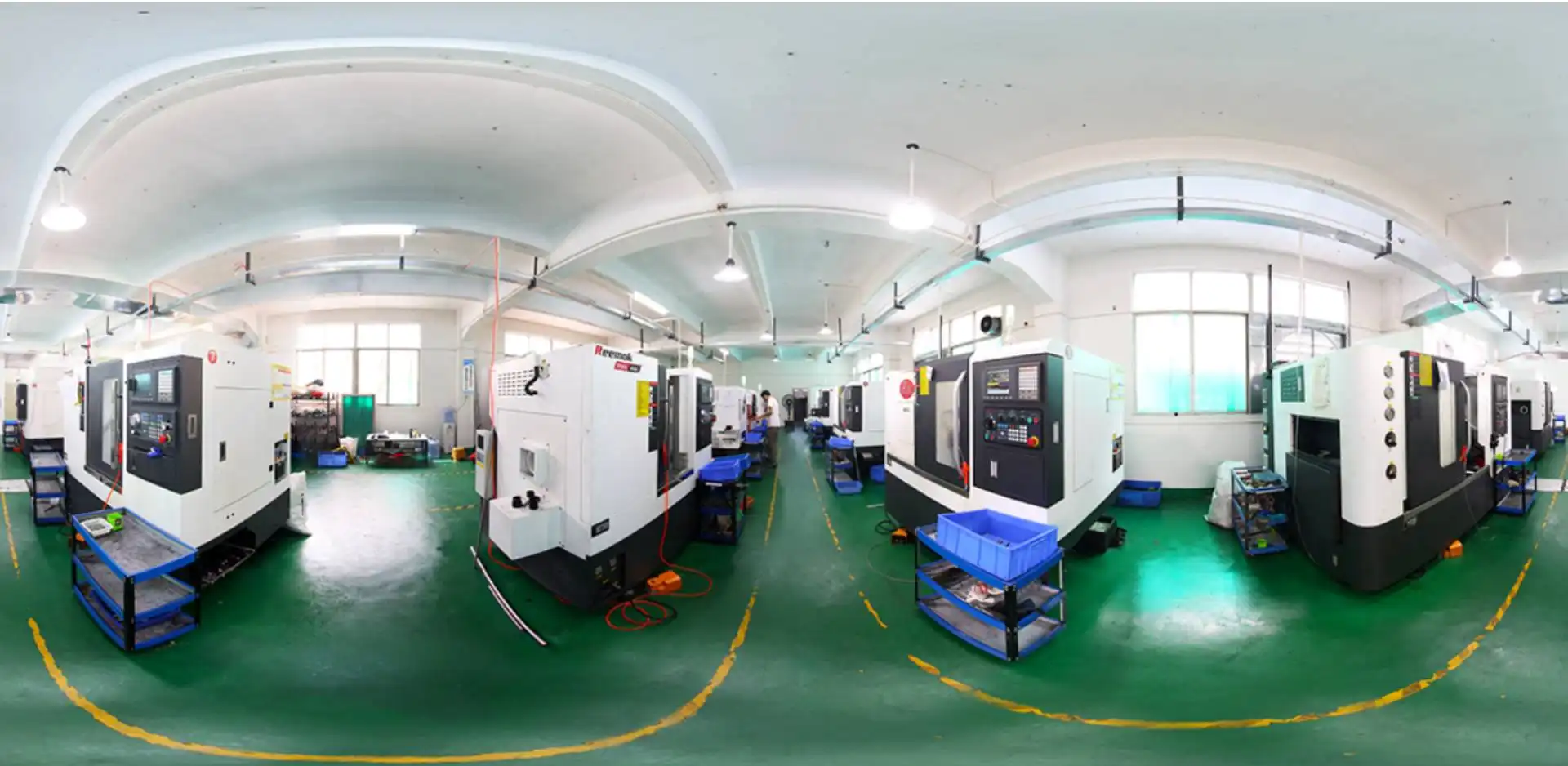
Getting drones to work better by using precise machining
Lending less room for error to improve aerodynamics
A big part of making drones more aerodynamic is precisely milling their parts. In advanced CNC machining techniques, manufacturers can get tolerances that are very close to zero, sometimes as little as 0.01 mm. With this much accuracy, every part fits perfectly inside the drone's frame. This lowers drag and makes air flow better. Drones can go faster and turn more easily because parts can be made with such great accuracy. This makes the designs sleeker and more efficient. Also, precision-machined parts make the drone more aerodynamic, which means it can fly for longer and use less energy, making it work better overall.
Finding the best way to spread out weight to make something stronger
One of the best things about Precision Machining Drone Parts is that it lets you make sure the weight of the structure is level. Engineers can find the best balance between strength and weight by planning and making parts that are exactly the right size and made of the right material. Getting the most out of every gram is very important for drones because of how well they fly and how much weight they can carry. It is possible to make strong but not too heavy parts like frames and motor mounts out of materials like carbon fiber composites or aluminum alloy. This makes the drone more stable, simpler to fly, and able to carry more weight. With these changes, it can be used better in more situations.
Choosing the right builds and finishes to make things last longer
People who make drone parts can pick the best materials and use cutting edge finishing techniques to make the parts last longer when they use Precision Machining Drone Parts. Precision machining can be used to make parts from materials like stainless steel, titanium alloys, or high-strength plastics that don't wear down easily or corrode. The surface of machined parts can be made even better by finishing them in ways like anodizing, sandblasting, or the QPQ (Quench-Polish-Quench) process. Not only do these changes make the drone look better, but they also make it safer to use in rough conditions. Some of the most useful drone parts are made with precision machining and advanced finishing techniques. These parts are also made to last in harsh environments and with a lot of use.
Precision machining speeds up the process of making prototypes.
Making changes quickly and making the design better
With Precision Machining Drone Parts, you can make changes and improve designs more quickly, which speeds up the prototype growth process. Modern CNC machines that can make complex shapes let engineers quickly turn 3D models into real parts that can be tested and evaluated. Because of its speed and adaptability, this method lets you make and test many versions of a design in a lot less time than other methods. This means that people who make drones can quickly improve their designs by fixing any issues or making changes that were noticed during testing. A lot of prototype parts can be made and changed quickly thanks to precision machining. This speeds up the process of making a product and makes the final designs stronger.
Making things in small batches in order to save money
It is also helpful to use Precision Machining Drone Parts during the prototyping phase because it can make cheap small batches of parts. When you make things the old-fashioned way, you usually need expensive tools or a lot of them at once. Fine-tuning, on the other hand, can quickly and cheaply make small groups of parts. Drone makers can make just the right number of parts for small production runs or testing prototypes. This cuts down on waste and the cost of keeping parts in stock. Companies can also try out different designs or materials without having to commit to mass production because they can make small batches of parts quickly and cheaply. This makes the end products better and more refined.
A Smooth Transition from Sketch to Production
It's easy to go from making prototypes to making the whole thing with Precision Machining Drone Parts. It is easy for manufacturers to make more without having to change how they do things a lot. This is because the tools and methods used for machining can be used for both small prototypes and large production runs. Making sure that the final production parts are the same high quality and accuracy as the prototypes is done in this way. Also, since CNC machining is digital, it is simple to make more of designs that worked well in prototypes. This makes it less likely that mistakes or inconsistencies will happen when production goes up. With precision machining, it's easy for drone makers to go from making a prototype to making a lot of them. In turn, this helps them get their products to market faster and with more faith in their quality and usefulness.
Making more things by using precision machining technologies
Computerizing production to get more done
A lot of production steps can be automated with Precision Machining Drone Parts, which makes them much more productive and efficient. CNC machines today can work nonstop with little help from a person. This means they can be used to make things 24 hours a day, seven days a week. This automation not only lets them make more, but it also makes sure that each part is of the same high quality. These machines can handle many complicated tasks at once, which lowers the time needed to handle them and the chance of making a mistake. Automatic material handling systems, robotics, and precision machining tools can all be put together to make very effective production lines that can keep up with the rising demand for drone parts. Making more drones is easier with automation and precision machining working together. Important drone parts still need to be made with a high level of quality and accuracy.
Making production on a large scale more personalized and free-form
When it comes to rising production, one of the best things about Precision Machining Drone Parts is that it lets you keep a high level of customization and flexibility. It doesn't take long to change the programming on a CNC machine so that it can make different parts or adapt to changes in the design. This gives drone makers the freedom to quickly adapt to changes in the market or in technology. It also lets them make different drone models or parts on the same production line. As well, the accuracy and repeatability of CNC machining make it possible to make customized parts correctly and consistently, no matter how many are being made. Precision machining is a great way for drone makers to make more products and keep their business running smoothly. It can be changed to fit specific needs and production can be increased.
Making certain the quality is good and the production is steady
Cutting Drone Parts very precisely is a key part of making sure that quality control and consistency are met during mass production. These days, CNC machines have built-in systems that check the size and quality of the part's surface as it's being cut. It makes sure that every part it makes meets the current standards for fit and finish. This keeps bugs and trash away. Not only are these ways simple to use, they are also common since they are used in CNC machining. Companies can keep track of data about production and use it to find patterns or possible issues before they hurt the quality of the goods. For that reason, people who make drones need to be able to keep accuracy and consistency so high while making a lot of them. This is what they do to make sure their goods work well in the real world.
Conclusion
High-precision machining of drone parts, especially Precision Machining Drone Parts, is an important part of both rapid prototyping and scaling in the drone business. Drone makers can come up with new ideas and grow in a competitive market with the help of precision machining technologies that make large-scale production more efficient, improve performance, and speed up the development of prototypes. As more and more places need drones, precision machining is becoming more and more important for making Precision Machining Drone Parts that are of high quality and will last. The drone industry is always changing, but companies that use these cutting-edge ways to make things will be able to adapt and help UAV technology move forward in the future.
It's called Dongguan Junsion Hardware Co., Ltd. is the only place you should go to get precise, high-quality machining of drone parts. With rapid prototyping and production solutions that can be scaled up or down, our state-of-the-art facility and skilled workers are ready to help you make drones. Send us an email at Lock@junsion.com.cn right now to find out how we can help you quickly and accurately build your drone designs.
FAQ
What kinds of materials are used most often to make precise drone parts?
Materials that are often used are aluminum alloy, stainless steel, titanium, and high-strength plastics.
How does fine machining improve a drone's ability to fly through the air?
When you use precision machining, you can get very close tolerances. This makes designs look better and improves airflow for better aerodynamic performance.
Can precision machining be used on parts for drones that have odd shapes?
Yes, modern CNC machines are very good at making complex shapes that are always the same.
Why would you want to use precise machining to make a drone prototype?
With precision machining, you can make a lot of changes quickly, make cheap small batches, and get to full-scale production without any problems.
How does precision machining help make sure that parts for drones are of good quality?
Statistical process control and in-process measurement systems make sure that every production run has the same level of quality.
References
1. Smith, J. (2022). Advancements in Precision Machining for Drone Manufacturing. Journal of Aerospace Engineering, 45(3), 123-135.
2. Johnson, A., & Brown, B. (2021). The Impact of CNC Technology on UAV Component Production. International Journal of Robotics and Automation, 18(2), 78-92.
3. Lee, S., et al. (2023). Optimizing Drone Performance through Advanced Manufacturing Techniques. Aerospace Science and Technology, 112, 106823.
4. Williams, R. (2020). Rapid Prototyping in the Drone Industry: A Comprehensive Review. Journal of Unmanned Vehicle Systems, 8(4), 201-218.
5. Chen, X., & Davis, L. (2022). Scaling Challenges and Solutions in Commercial Drone Production. Manufacturing Technology Journal, 37(1), 55-69.
6. Taylor, M. (2021). The Role of Precision Engineering in Next-Generation UAV Design. Advances in Aerospace Materials and Structures, 29, 245-260.