




Nylon Parts in Automotive Industry: What Are Their Benefits?
Nylon parts have changed the way cars are made by providing outstanding performance that solves important problems in the business. Automotive companies have a strategic edge thanks to these precision-engineered polyamide parts because they are strong mechanically, stable thermally, and inexpensive. Nylon parts work great in harsh automotive settings because they are more resistant to wear, more stable chemically, and lighter. These qualities directly lead to better fuel economy and lower emissions, and the parts stay structurally sound over long service cycles.

Understanding Nylon Parts and Their Properties in Automotive Applications
What Makes Nylon an Ideal Material for Automotive Components?
Polyamide-based technical parts are now an important part of designing current vehicles. The material science behind these parts' materials shows amazing features that experts in the car industry really value. High-performance polyamides are very strong mechanically and very stable at high temperatures. This means they can be used safely in engine areas where temperatures change a lot.
Chemical resistance built into polyamide structures keeps parts from breaking down when they come in contact with car fluids like oils, coolants, and different cleaning agents. This means that the parts will last longer and need less upkeep, which are two of the most important things that procurement managers look for in reliable options.
Common Nylon Variants Used in Automotive Manufacturing
Different types of polyamide are used for different tasks in the car industry. Nylon 6 is easy to work with and doesn't change shape much, so it can be used for complex part designs. Nylon 6/6 has better resistance to heat and better mechanical qualities. This makes it especially useful for uses under the hood, where temperatures regularly reach 150°C.
Different types that are filled with glass have reinforcing threads that make them much stronger and stiffer while keeping the material's natural resistance to rust. For accurate parts that need to be made with very close tolerances, nylon parts 12 are the best material because they keep their shape well and don't absorb much water. At Junsion, we work with different grades of nylon to meet the needs of various applications. This way, we can make sure that every car part we make has the best performance qualities.
Typical Automotive Applications for Engineered Polyamide Components
Polyamide parts are used in many current cars and play important roles. In the engine chambers, heat-resistant materials are used to make bushings, bearings, and gears. Connectors and housings made of this material are used in electrical systems because it is a good electrical insulator. Polyamide is used in fuel systems to make parts that can stand up to harsh chemicals for a long time without losing their shape.
Transmission assemblies have low friction properties that cut down on energy loss and make repair times longer. Polyamide is used for interior trim parts because it can look good and is resistant to pressure. These different uses show why car experts always choose engineered polyamide solutions for many different parts of a vehicle.
Core Benefits of Using Nylon Parts in the Automotive Industry
Exceptional Durability and Heat Resistance
In terms of longevity, precision-engineered polyamide parts are much better than many standard materials. It takes these parts a lot longer to keep their shape and function when they are put under repeated mechanical stress than other options. Heat resistance lets something keep working at high temperatures without breaking down, which is especially important in engine uses.
Wear patterns stay the same over long service cycles, which lowers the number of replacements needed and the costs of upkeep. The naturally tough nature of the material absorbs contact forces without breaking easily, making the car safer and more reliable. When combined with their long-lasting properties, polyamide parts are very useful in vehicle settings where broken parts can have big effects.
Weight Reduction and Enhanced Fuel Efficiency
Vehicle weight has a direct effect on how much fuel it uses and how much pollution it puts out. When metal parts are replaced with precisely designed polyamide replacements, weight savings can be seen in a number of car systems. For every kilogram that is taken off of a vehicle's mass, its performance, driving, and fuel efficiency all get better.
Automobile companies that want to meet strict emission standards are using lighter materials in more and more parts of their vehicles. Advanced polyamide formulations have a high strength-to-weight ratio that lets them reduce mass by a large amount without affecting safety or structure requirements. This optimization of weight directly leads to better sustainability profiles while still meeting legal compliance standards that are getting tighter to protect the environment.
Cost-Effectiveness Through Manufacturing Efficiency
When buying car parts, economic factors are still the most important thing to think about. The costs of raw materials for polyamide mixtures are usually lower than those for specialized metal alloys, and they work just as well in many situations. Techniques for making polyamide parts, especially CNC machining and precise molding, allow for high production rates with reliable quality results.
Because these ways of making things are so efficient, the cost per unit goes down while the standards for size stay tight. Many polyamide parts only need a few finishing steps, which cuts down on extra operations and makes them even more cost-effective. Junsion's advanced manufacturing techniques, including CNC turning, five-axis machining, and precise milling, enable us to produce parts that meet your exact specifications, with tolerances of ±0.01 mm and surface roughness ≤ Ra 0.8 μm. This means that we can save money without lowering quality standards.
Nylon Parts vs. Alternative Materials: Making the Right Choice
Comparing Polyamide Components Against Metal Alternatives
Procurement experts have to think about a lot of performance factors when choosing materials for car parts. Metal parts are very strong, but they are also very heavy and have a high risk of rusting. Polyamide alternatives completely get rid of corrosion worries and offer great electrical protection that can't be found in metal structures that carry electricity.
Different types of materials have very different maintenance needs. Protective coats, regular lubrication, and steps to stop rust are often needed for metal parts. Polyamide parts usually don't need any upkeep over the course of their useful life, which lowers the total cost of ownership. Because polyamide is acoustically stable, it also reduces noise and shaking, making passengers more comfortable in ways that metal parts can't.
Polyamide Performance Versus Other Engineering Polymers
When it comes to industrial plastics, polyamide formulations have their own set of benefits. Polyamide resins are better at resisting pressure and working with a wider range of chemicals than acetal resins. Compared to rubber parts, polyamide offers stable dimensions and resistance to stress set. Alternatives to polyurethane may be more flexible, but polyamide is better at handling heat and less likely to absorb water.
In the end, the choice of which option to use is based on the needs of the program, the conditions of the operating environment, and the priority of speed. For example, when choosing materials for automotive parts, engineers have to think about how the parts will be loaded mechanically, how they will be exposed to heat and chemicals, and how accurate the measurements have to be.
Critical Factors for B2B Procurement Decisions
When purchasing managers look at polyamide component sellers, they should put a number of important selection factors at the top of their list. Lead time response has a direct effect on how well the production schedule and inventory management work. Customization lets you make solutions that work best for your unique needs instead of settling for off-the-shelf options that aren't as good.
Supplier reliability includes things like consistent quality, on-time delivery, and the ability to provide expert help. Certifications like ISO 9001:2015 and RoHS compliance show that a company is dedicated to environmental duty and organized quality management. At Junsion, we stick to strict quality certification standards and offer quick response times to keep your production lines running smoothly.
Nylon Parts Manufacturing Process and Quality Assurance
Advanced Manufacturing Techniques for Precision Components
Modern production of nylon parts uses advanced manufacturing techniques that guarantee stable quality results. Accuracy in dimensions is achieved within micrometers by CNC machining, which makes it possible to make parts that fit perfectly into complex car systems. When you can machine in five dimensions, you can make complicated shapes that work better and waste less material.
Precision turning processes make cylinder-shaped parts that are perfectly centered and have a smooth surface. Milling makes complicated parts with internal tunnels, mounting hooks, and connection surfaces. The type of manufacturing method chosen relies on the shape of the part, the amount that needs to be made, and the tolerance standards. Our engineering team looks at every job and tells you the best way to make it while keeping quality, wait time, and cost in mind.
Comprehensive Quality Control Throughout Production
Quality control starts with checking the arriving materials to make sure that the raw polyamide meets the grade standards and material properties that were set. During the production process, in-process quality control methods check the accuracy of the dimensions, the finish on the surface, and the mechanical properties. Coordinate measuring machines and optical comparators are examples of advanced measurement tools that make sure that parts match the specs on the drawing before moving on to the next step.
Surface treatment methods like sanding, painting, and special coats are checked for quality to make sure they stick well, are the right thickness, and look good. Before being packed up and sent out, final inspection procedures check all important measurements to make sure that every part meets strict car quality standards.
Partnering with Certified Manufacturing Specialists
When choosing manufacturing partners, you need to carefully look at their qualifications and abilities. Getting ISO 9001:2015 certification shows that you have a method for managing quality that makes sure you always offer products that meet standards. RoHS and REACH compliance makes sure that parts in global markets follow environmental rules. The ability of advanced testing tools shows a dedication to precise measurements and quality assurance.
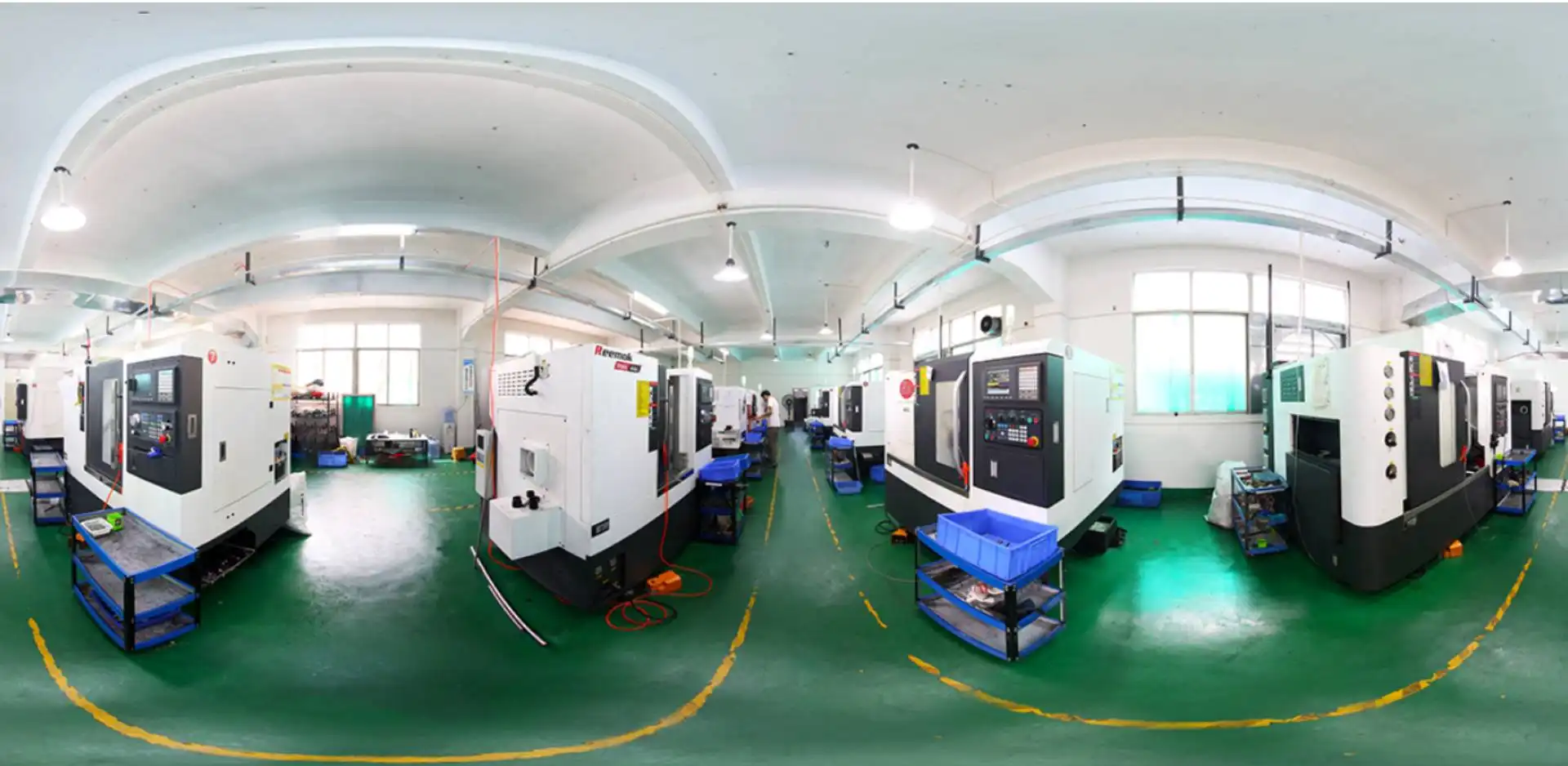
A supplier's ability to handle complicated automotive requirements like PPAP paperwork, APQP methods, and ongoing quality tracking can be seen by how much experience they have working with OEMs. Our 1,600-square-meter building at Junsion has 32 high-tech CNC machines that are run by skilled workers. These machines help companies in more than 20 countries make cars, automation equipment, and consumer electronics.
Procurement Considerations for Nylon Parts in Automotive Industry
Evaluating Supplier Credentials and Capabilities
A good way to choose a seller is to check their credentials carefully first. Getting a quality license is an objective way to show that you are committed to systematic process control and ongoing growth. A company's image in its field shows how consistently it performs over time and how satisfied its customers are. Clear price systems let you accurately model costs and make budgets without any surprises or hidden fees.
Suppliers who offer real partnerships can tell the difference between those who offer business relationships by the level of technical help they offer. Help from engineers with choosing materials, improving designs, and suggesting production processes adds a lot of value on top of providing parts. How well providers can meet your volume needs while keeping quality standards high depends on their production ability and the level of sophistication of their equipment.
Managing Lead Times and Custom Order Requirements
When unique parts are added to the process of making cars, it's important to coordinate production schedules. Standard parts can be sent out within days, but unique solutions need to be reviewed by engineers, tools need to be prepared, and production needs to be set up. Clear communication about when deliveries are expected keeps output from stopping and supplies from running out.
The ability to place a rush order is very helpful for times when demand changes at the last minute or when quality problems mean that parts need to be replaced quickly. Coordinating logistics, such as shipping methods, delivery times, and packing requirements, makes sure that parts arrive in good shape and ready to be put together right away, without any damage or delays.
Strategic Cost Analysis for Material Selection
A full cost analysis looks at more than just the original price of the parts; it also looks at the total costs of ownership. The cost of raw materials is only one part of the economic issue. Per-unit costs are affected by how complicated the manufacturing process is, how fast it works, and how many extra operations are needed. The total cost of acquisition includes the cost of transportation, the cost of keeping goods, and the cost of running the buying process.
The economic analysis is finished with lifecycle factors like how often something needs to be replaced, how much upkeep it needs, and how much it costs to get rid of. Even though polyamide parts may have higher starting unit costs, their total cost profiles are often better than those of alternatives. This is especially true when the lower weight saves money on fuel over the life of the car.
Conclusion
Precision-engineered polyamide Nylon parts have a lot of benefits for automakers who want to improve performance, lower car weight, and keep costs down. Because they are strong mechanically, stable at high temperatures, resistant to chemicals, and easy to make, these parts are good choices for many different types of car systems. When purchasing professionals look at component suppliers, they should put reasonable pricing, quality certifications, manufacturing skills, and quick expert help at the top of their list of priorities. At Junsion, we use cutting-edge production technology and strict quality control methods to make unique polyamide solutions that meet the exact needs of automakers around the world.
FAQ
What temperature ranges can automotive nylon parts withstand?
Standard polyamide formulations can usually work constantly at temperatures up to 120°C and can be exposed to temperatures up to 150°C for short periods of time. Glass-filled versions and special high-temperature grades make the constant working ranges go up to 180°C, which is good for uses under the hood where they will be directly exposed to heat. The exact temperature range relies on the type of nylon used, the fiber support, and the shape of the part.
How do precision tolerances affect component performance?
Dimensional accuracy has a direct effect on how well a part works, especially in systems that need exact fit and space requirements. Tight specs make sure that nearby parts fit together correctly, reduce vibration, and make the best use of load distribution. Junsion's precise machining can reach tolerances of ±0.01mm, which meets strict standards for car assembly and makes sure that performance stays the same across production levels.
What certifications should automotive component suppliers maintain?
Reliable providers should show that their quality management systems are certified by ISO 9001:2015, that they follow RoHS rules for environmental safety, and ideally, that they are certified by IATF 16949 for car quality standards. These certifications give third-party proof that the production processes use quality control systems, methods for ongoing growth, and rules that are right for automotive supply chains.
Partner with a Trusted Nylon Parts Manufacturer for Automotive Excellence
Junsion is an expert at making precision-engineered polyamide solutions that meet the needs of the car business. Our advanced CNC cutting, strict quality control, and ISO 9001:2015 certification make sure that the parts we make meet strict requirements while still being priced competitively. We offer fast response times, full technology help, and reliable delivery to procurement managers and product creators all over the world. We know how to work with different types of nylon, such as Nylon 6, Nylon 6/6, Nylon 12, and glass-filled formulas. We can also polish, paint, and apply special coatings to the surface. Get in touch with our engineering team at Lock@junsion.com.cn to discuss your needs for car parts with a seasoned nylon parts seller who is dedicated to your manufacturing success.
References
1. McKeen, Laurence W. "The Effect of Temperature and Other Factors on Plastics and Elastomers." 3rd Edition, William Andrew Publishing, 2014.
2. Ehrenstein, Gottfried W. "Polymeric Materials: Structure, Properties, Applications." Hanser Publications, 2012.
3. Rosato, Dominick V. and Rosato, Marlene G. "Injection Molding Handbook." 3rd Edition, Kluwer Academic Publishers, 2000.
4. Shah, Vishu. "Handbook of Plastics Testing and Failure Analysis." 3rd Edition, John Wiley & Sons, 2007.
5. Throne, James L. "Thermoplastic Foams." Sherwood Publishers, 1996.
6. Harper, Charles A. "Handbook of Plastics Technologies: The Complete Guide to Properties and Performance. "McGraw-Hill Professional, 2006.