




What Materials Are Used for insert parts Production?
Insert parts manufacturing mainly is based on high-performance metals, especially stainless steel alloys, including 316, 304, 303, and 410 grades, which provide excellent mechanical strength and corrosion resistance. Dongguan Junsion Precision Hardware Co., Ltd. is a manufacturer of precision-engineered threaded inserts with tolerances of ±0.01mm and surface roughness < Ra0.8μm using sophisticated CNC machining, turning, and five-axis processing. Material choice depends on the application. Biocompatible stainless steel is used in aerospace and medical applications, whereas automation equipment uses economical carbon steel with surface treatments such as anodising, plating or passivation to increase durability.
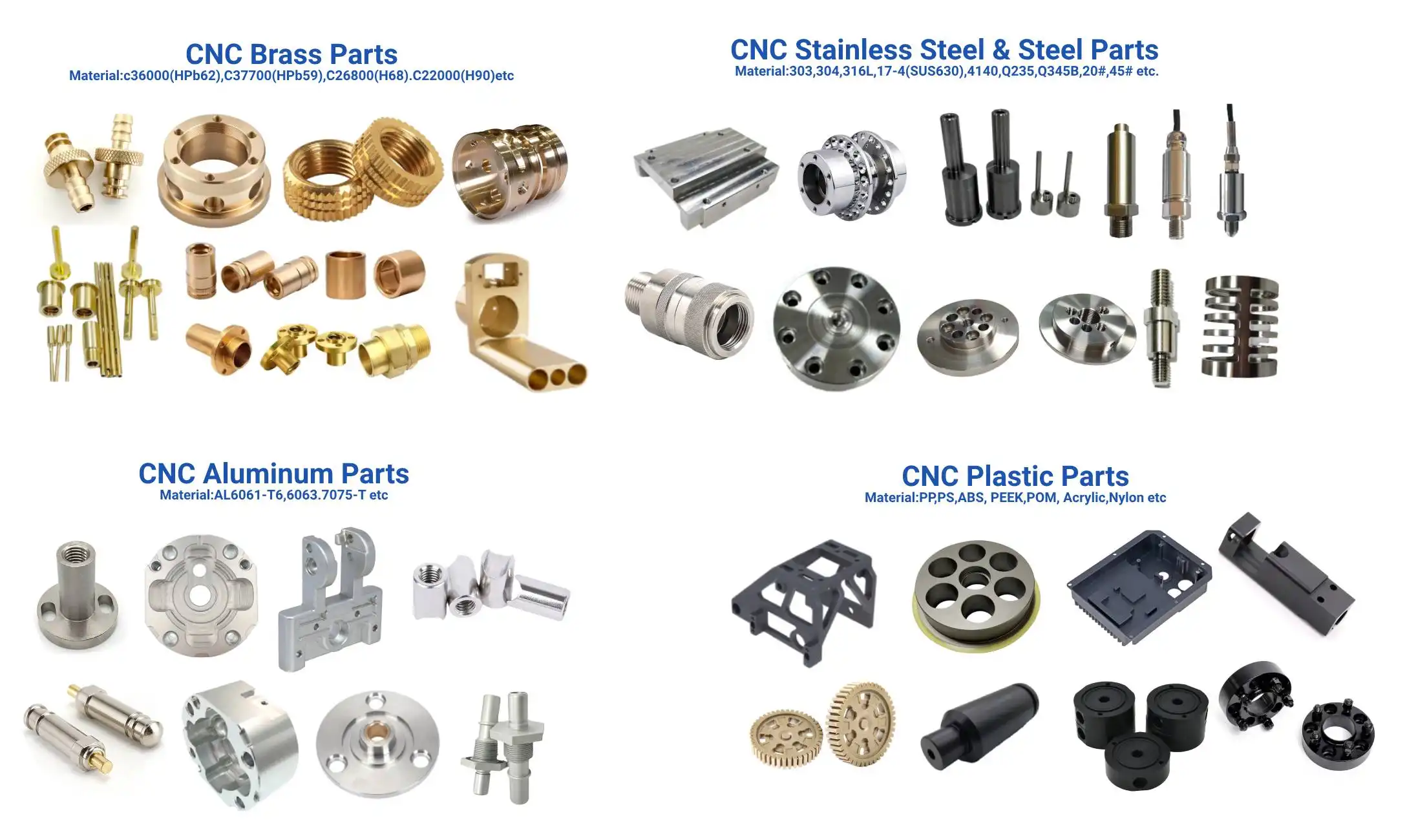
Understanding Insert Parts and Their Functional Requirements
Types and Industrial Applications
Depending on the application and the installation technique, threaded inserts may be divided into numerous groups. Thread forming types develop their own mating threads as they are installed. These are good for fragile polymers and composite materials. Press-fit designs include interference fits in correctly sized holes. They are popular in electronics housings where resistance to vibration is important. Heat-stake and ultrasonic inserts are thermally bonded to thermoplastic substrates and provide excellent pull-out strength in consumer electronics.
Each version is customised for certain industrial areas with specialised needs. Automotive applications need components that can survive heat cycling, vibration, and exposure to lubricants and coolants. Fabrication of electronics for non-magnetic materials with regulated electrical conductivity is required. Manufacturers of medical devices must find biocompatible materials that resist biological fluids and can sustain multiple sterilisation procedures.
Critical Performance Criteria
What may make or break a component in its intended context are its mechanical qualities. Tensile strength is the ability to endure pulling pressures. Shear strength is the ability to sustain side loads. Hardness impacts the wear resistance and longevity of the thread in repeated assembly processes. These properties are dependent on material type and hence meeting insert parts specifications is important.
Material selection is equally influenced by environmental conditions. Saltwater locations demand improved corrosion resistance of components compared to indoor electronics. Extreme temperatures put challenging requirements on the thermal expansion coefficient of the materials to avoid loosening or breaking. Processing equipment is exposed to chemicals and so requires materials that are inert and not affected by solvents, acids, or alkaline solutions.
Compatibility with Base Materials
The substrate material in which the insert is hosted has a great influence on selection choices. Exterior surfaces that are knurled or grooved to prevent rotation are often used with soft materials such as aluminium and engineering plastics. Different engagement methods are required for harder substrates such as steel and fiberglass-reinforced composites. Thermal expansion mismatches between insert and host material may lead to stress concentrations that cause premature failure, especially in applications with temperature swings.
Overview of Common Materials Used for Insert Parts
Choosing the right material is a key decision point that impacts product performance in many ways. There are three main material types used in the manufacturing business. Each of these materials offers different benefits for certain applications.
Metal Alloys: The Industry Standard
Stainless steel is the top material in the fabrication of precise hardware, offering a great mix of strength, corrosion resistance, and machinability. 304 offers strong general-purpose performance, including good formability and weldability. Grade 316 has been added to provide better corrosion resistance and is used for marine and chemical processing applications. Grade 303 is sulphur treated to increase machinability and permit tight tolerances and complicated shapes. Grade 410 has a martensitic crystal structure, which provides it with increased hardness and tensile strength, making it a good choice for mechanical applications that experience significant stress.
Carbon steel is a less expensive option if the likelihood of corrosion is small. Carbon steel may be heat treated to obtain higher degrees of hardness than stainless types, which is good for wear-resistant applications. In regulated circumstances, corrosion protection is sufficiently provided by surface treatments such as zinc plating, nickel coating, and chromate conversion.
Brass is easily machined and has inherent antibacterial characteristics; therefore, it is used in plumbing fittings and food processing equipment. Electrical conductivity makes it suitable for grounding. Aesthetic appeal makes it suitable for ornamental hardware. Aluminium alloys provide a high strength-to-weight ratio, important to aircraft and portable electronics. The softer base material demands careful construction of threads to avoid stripping.
Thermoplastic Options
Engineering plastics are used for unique purposes when the qualities of metals are not needed or are troublesome. Insert parts: PEEK (Polyetheretherketone) * Resistant to sustained temperatures up to 250°C with dimensional stability and chemical resistance. Its biocompatibility is a plus for surgical equipment and medical devices. Nylon grades have good wear resistance and low coefficients of friction for moving assemblies, although dimensional stability is influenced by moisture absorption.
Polyphenylene sulphide (PPS) is resistant to almost all chemicals below 200°C; hence, it is a useful material for chemical processing equipment. Glass-filled grades have improved mechanical characteristics, close to metal in certain applications. These materials do not contribute to galvanic corrosion problems in mixed material assemblies and decrease total product weight.
Composite and Hybrid Solutions
Modern manufacturing processes allow for composites made of metal cores and polymer skins. These hybrid components combine metal-grade strength with lower weight and provide electrical insulation or vibration dampening. Carbon fibre reinforced plastics reach unprecedented ratios of stiffness to weight for aerospace applications but are more costly, limiting widespread use.
The combination of two different metals is achieved in bi-metal structures either via bonding or by co-extrusion. Corrosion-resistant stainless inserts with copper cores offer electrical grounding. They are customised solutions for unusual technical problems when there is no solution with one material.
How to Choose the Right Material for Your Insert Parts Production
Application-Specific Factor Assessment
Load-bearing requirements provide the basic material strength standards. Static loads are qualitatively different from dynamic or impact loads, and also have distinct material reactions. Compute stresses using finite element analysis or empirical testing and provide suitable safety margins. Thread engagement length will affect load distribution. Less engagement means a stronger material is needed to get the same performance.
The corrosion resistance required depends on the environmental exposure. Standard grade 304 or plated carbon steel may be used for interior electronics, whereas stainless steel grade 316 or specific coatings are needed for marine situations. The temperature cycling effect on the life of materials and the matching of the thermal expansion coefficient between insert and substrate may avoid stress concentration.
Practical material selections depend on compatibility with the manufacturing process. For injection moulding applications, brass or stainless steel inserts with knurled exteriors are preferred to provide optimum retention. Machined installations in metals provide for simpler designs. Cost-performance estimates depend on production numbers: costly materials might be cost-effective in high-volume manufacturing with lower failure rates and warranty claims.
Cost-Performance Trade-offs
Material expenses are simply one part of the total cost of ownership. The expense of premium stainless alloys vs carbon steel may be offset by the savings of removing surface treatment procedures. Longer service life means less replacement costs and downtime. The cost of failure, such as warranty issues, product recalls, and brand harm, frequently outweighs any savings on materials from a bad choice.
The dependability of the supply chain impacts material selection techniques. Exotic alloys from a single supplier are subject to supply interruption and price fluctuation. Common materials such as grade 304 stainless steel benefit from competitive supplier marketplaces and steady prices. Lead time issues are important in just-in-time manufacturing processes.
Compliance and Certification Requirements
The material standards and testing requirements are international. With ISO 9001:2015 certification, you can be confident that your quality management systems are always being improved. RoHS compliance limits hazardous compounds in electronics, which has implications for material selection and surface treatment choices. ASTM standards also specify material composition, mechanical qualities, and testing procedures that may be used to verify specifications.
Material traceability helps in quality assurance and failure analysis. Mill test results showing chemical composition and mechanical qualities accompany each manufacturing batch. Adequate documentation supports root cause analysis of field failures, contributing to the implementation of continuous improvement efforts. Aerospace, medical devices, automotive, and other industries need full material certification as part of the supply chain validation process.
Case Studies: Successful Material Choices in Insert Parts Production
Aerospace Assembly Optimization
A leading aircraft manufacturer faced recurring failures in cabin interior panel attachments due to vibration-induced loosening. Original carbon steel inserts with zinc plating suffered corrosion from humidity and cleaning chemicals, leading to reduced clamping force. Engineering analysis revealed galvanic corrosion between aluminum panels and steel hardware.
Transitioning to grade 316 stainless steel inserts eliminated galvanic corrosion while providing superior corrosion resistance. Five-axis CNC machining achieved complex internal geometries that increased thread engagement area by 30%, distributing loads more effectively. Passivation surface treatment enhanced corrosion resistance without adding coating thickness. This material optimization reduced maintenance interventions by 75% while extending component service life beyond airframe design limits.
Medical Device Reliability Enhancement
A surgical instrument manufacturer required biocompatible fastening solutions capable of withstanding repeated autoclave sterilization cycles at 134°C. Initial brass insert parts experienced dezincification corrosion from steam exposure, leading to thread degradation and instrument failures during procedures.
Grade 316L stainless steel provided the necessary biocompatibility and corrosion resistance for steam sterilization environments. Ultra-precision CNC turning operations achieved tolerance levels of ±0.01mm, ensuring consistent assembly torque specifications. Electropolishing surface treatment reduced surface roughness to Ra0.6μm, minimizing bacterial adhesion and simplifying cleaning protocols. Material certification documentation satisfied FDA regulatory requirements, enabling successful market clearance.
Industrial Automation Durability
An automation equipment manufacturer sought cost-effective solutions for robotic assembly fixtures subjected to high-frequency vibration and occasional chemical splash exposure. Premium stainless steel proved economically unfeasible for high-volume production, while standard carbon steel failed prematurely from corrosion.
Specifying grade 303 stainless steel balanced machinability, corrosion resistance, and cost considerations. CNC machining operations achieved complex features including internal locking elements that prevented rotation during vibration exposure. Batch material testing verified mechanical properties, ensuring consistent performance across production runs. This optimized material selection reduced component costs by 35% compared to grade 316 while extending service life threefold versus carbon steel alternatives.
Future Trends in Insert Parts Materials for Enhanced B2B Procurement
Sustainable Material Innovation
Increasingly, material selection choices are driven by environmental concerns. Recycled stainless steel alloys provide mechanical qualities similar to virgin materials, while decreasing the carbon footprint. Life cycle assessment techniques measure the environmental implications of extraction, processing, manufacturing, use phase, and end-of-life disposal of materials. Companies are looking for suppliers that are showing sustainable practices in order to meet their carbon neutrality requirements.
Emerging biodegradable engineering polymers from renewable resources for non-critical applications. At present, mechanical qualities lag below those of petroleum-based polymers; however, fast progress is closing the performance gaps. Regulatory demands and customer preferences increase timetables for adoption, especially in consumer goods industries.
Advanced Manufacturing Technologies
Additive manufacturing allows for complicated interior geometries that cannot be produced using traditional machining methods. Metal 3D printing generates inserts with optimised material distribution for strength where required and minimal weight. Topology optimisation methods build organic structures that outperform conventional designs. Cost and speed limitations now restrict the use to low-volume manufacturing, although ongoing advancements broaden the scope of possible applications.
Hybrid manufacturing is an additive and subtractive technique, in which near-net forms are built by depositing metal and subsequently precision machined to final tolerances. This technique results in less material waste and maintained dimensional precision. The practicality of custom alloy mixes for individual purposes without minimum order quantities that limit conventional metallurgy.
Digital Procurement Transformation
Digitalisation of the supply chain promotes efficiency and transparency in obtaining materials. Blockchain technology makes the material tracking from mine to completed component tamper-proof. Lead times and safety stock needs are reduced with real-time inventory monitoring across supplier networks. Artificial intelligence systems use data on past performance to forecast ideal reorder points and discover weaknesses in the supply chain.
Digital twins may model the behaviour of components for different material options before physical prototyping. Engineers use virtual testing to analyse the trade-offs between material cost, weight and performance, expediting development cycles. It connects with vendor databases to automatically identify suitable suppliers for specified materials, improving procurement operations.
Conclusion
The key driver of product performance, service life and total cost of ownership is material selection. Stainless steel alloys, including 316, 304, 303 and 410, have shown their dependability in demanding applications from aircraft to medical equipment. In contemporary industry, precise tolerances and better surface finishes are demanded, which may be obtained via precision manufacturing processes like CNC machining and five-axis machining. The best results are obtained by strategic decisions in material selection and by balancing application requirements, environmental circumstances, and budget limits. Supply-chain dependability is ensured by proper compliance paperwork and quality certifications, which also aid regulatory needs. With the advancement of material science and manufacturing technology, keeping abreast of developing choices allows procurement professionals to capitalise on breakthroughs that bring competitive advantages via improved product performance and operational efficiency.
FAQ
1. What materials provide the best corrosion resistance for marine applications?
Grade 316 stainless steel offers superior corrosion resistance in saltwater environments due to molybdenum content that enhances resistance to chloride-induced pitting. Titanium alloys provide even greater corrosion immunity but command significantly higher costs, justifiable only for the most demanding applications. Proper passivation treatment further enhances corrosion resistance by promoting stable oxide layer formation on stainless steel surfaces.
2. Can plastic inserts effectively replace metal components?
Engineering thermoplastics like PEEK and PPS successfully replace metal inserts in applications where extreme strength proves unnecessary. These materials offer advantages including weight reduction, electrical insulation, and elimination of galvanic corrosion. However, plastic options exhibit lower tensile strength and reduced temperature tolerance compared to metals. Careful engineering analysis determines whether plastic performance characteristics meet specific application requirements.
3. Why does material certification matter in B2B procurement?
Material certifications verify that chemical composition and mechanical properties conform to specified standards. This documentation enables traceability throughout the supply chain, supporting quality assurance and failure analysis investigations. Industries with stringent regulatory oversight, including aerospace, medical devices, and automotive, mandate comprehensive material certification. Certified materials reduce risk of counterfeit components entering supply chains, protecting brand reputation and end-user safety.
Partner with Junsion for Precision Insert Parts Manufacturing
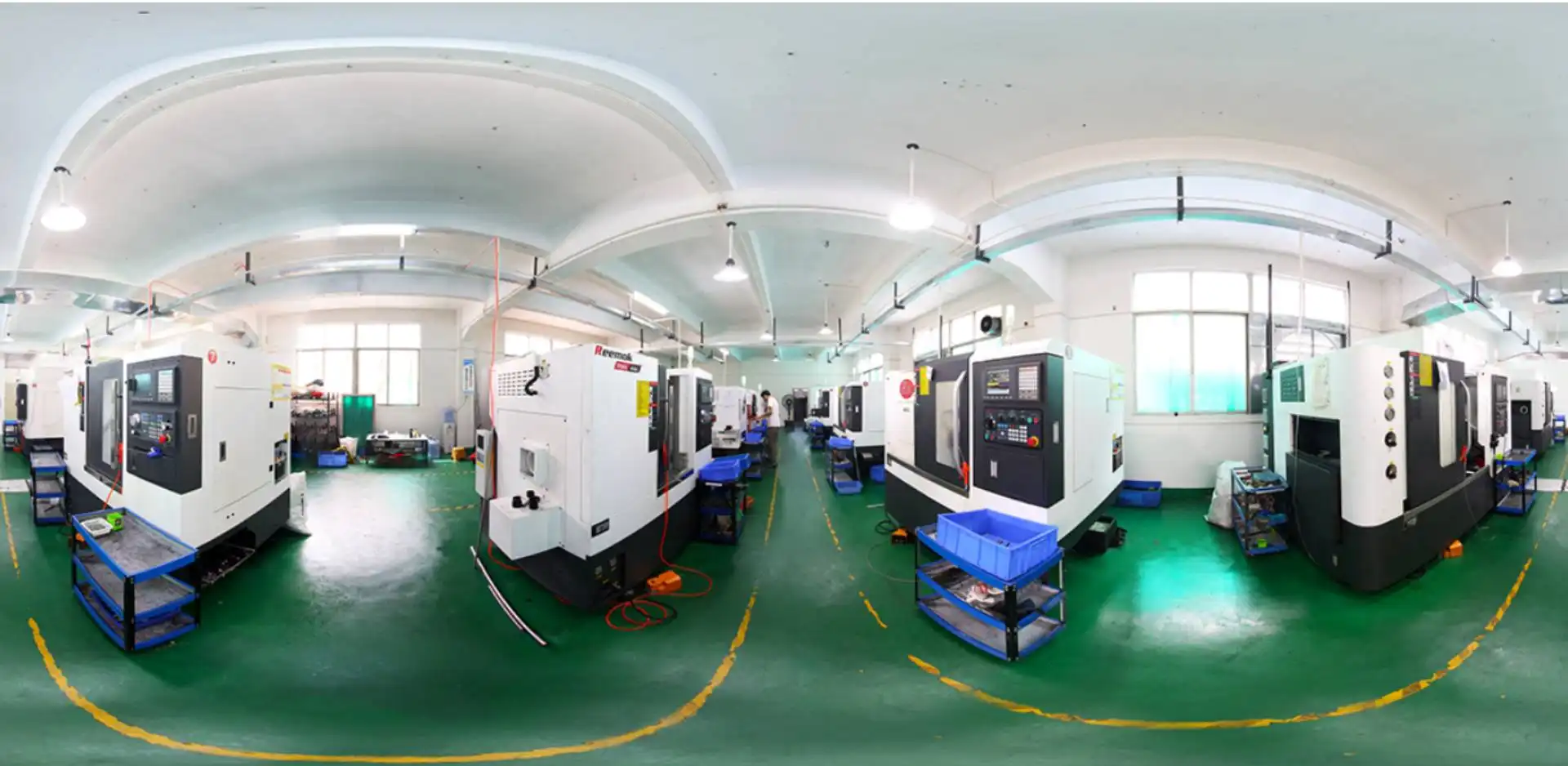
Dongguan Junsion Precision Hardware Co., Ltd. delivers exceptional quality as a trusted insert parts manufacturer serving global industries. Our ISO 9001:2015 certified facility employs 32 advanced CNC machines across 1,600 square meters, producing components with tolerances reaching ±0.01mm and surface roughness ≤ Ra0.8μm. We specialize in manufacturing threaded inserts from 316, 304, 303, and 410 stainless steel, utilizing CNC turning, five-axis machining, and precision stamping to meet your exact specifications. Our comprehensive surface treatment capabilities, including anodizing, plating, and passivation, enhance component performance across automation equipment, medical devices, aerospace systems, and consumer electronics applications. Contact our technical team at Lock@junsion.com.cn to discuss your requirements with an experienced insert parts supplier committed to fast response times, RoHS compliance, and customized OEM/ODM solutions that optimize your product performance and procurement efficiency.
References
1. Davis, J.R. (2000). Alloy Digest Sourcebook: Stainless Steels. ASM International, Materials Park, Ohio.
2. Machinery's Handbook, 31st Edition (2020). Threaded Fasteners and Inserts: Materials and Applications. Industrial Press, New York.
3. Bayer, R.G. (2004). Mechanical Wear Fundamentals and Testing, Second Edition. Marcel Dekker, New York.
4. Budinski, K.G. & Budinski, M.K. (2010). Engineering Materials: Properties and Selection, Ninth Edition. Prentice Hall, Upper Saddle River, New Jersey.
5. Campbell, F.C. (2008). Elements of Metallurgy and Engineering Alloys. ASM International, Materials Park, Ohio.
6. Shackelford, J.F. (2015). Introduction to Materials Science for Engineers, Eighth Edition. Pearson Education, Boston, Massachusetts.